Cookware for Electric Stove Top
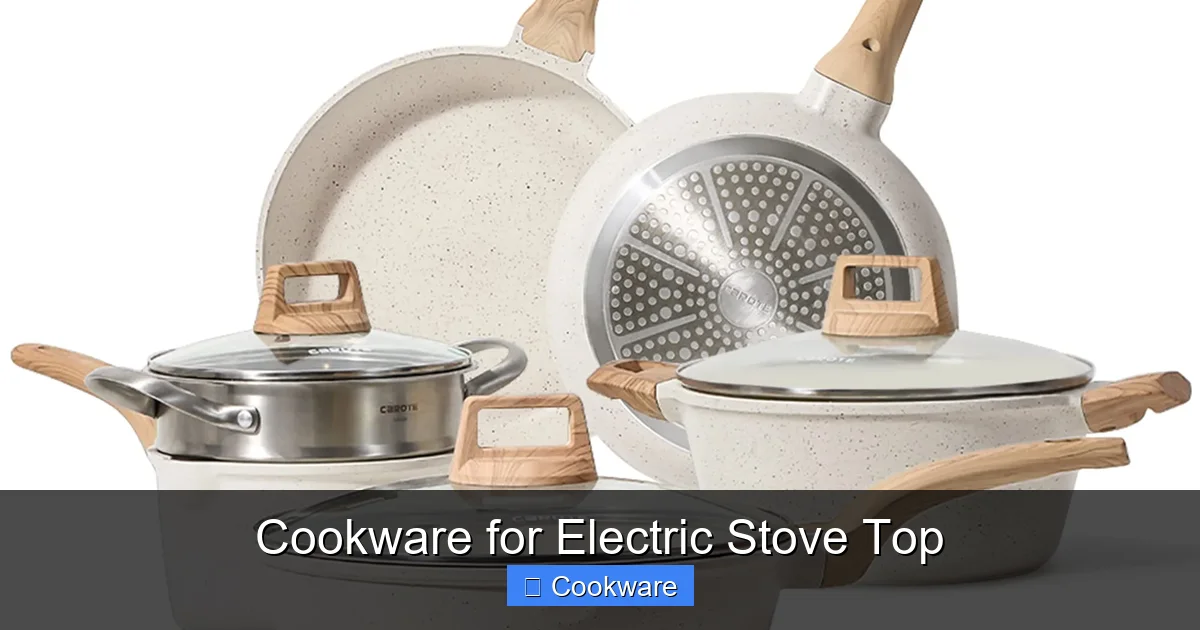
Choosing the right cookware for an electric stove top can transform your cooking experience. From heat‑conductive metals to flat‑bottomed designs, this guide walks you through everything you need to know, plus practical tips for everyday use. Make informed purchases and cook smarter with confidence.
Key Takeaways
- Flat bottoms matter: Even contact ensures consistent heat on electric coils or glass.
- Material choice impacts performance: Aluminum, stainless steel, cast iron, and carbon steel each have pros and cons.
- Non‑stick coatings need care: Use low‑heat settings and avoid metal utensils to prolong life.
- Size and weight affect safety: Heavy pans can scratch glass tops; choose the right diameter for your burners.
- Maintenance is key: Proper cleaning and seasoning keep your cookware in top shape.
- Invest in a heat diffuser: Improves heat distribution for delicate sauces.
- Match cookware to cooking style: Stir‑fries, sears, and simmering each benefit from specific pan types.
📑 Table of Contents
Why Electric Stove Tops Need Special Cookware
Electric stove tops—whether coil‑type or smooth‑glass—heat differently than gas burners. The heat source sits beneath a solid surface, so the pan’s base must conduct heat efficiently and sit flat. If the bottom is warped or too thin, you’ll see hot spots, uneven cooking, and longer pre‑heat times.
Because the heating element stays on until you turn it off, the cookware also influences energy use. A well‑matched pan can reduce cooking time and lower your electric bill. Below we break down the most important factors to consider.
Flat‑Bottomed Design Is Non‑Negotiable
Coils and glass tops transfer heat through direct contact. A warped or rounded bottom leaves air gaps, causing “cold spots.” Look for pans labeled “flat‑bottom” or “smooth base.” Even a slight curve can waste energy and damage the surface.
Material Matters
Each metal behaves uniquely on an electric cooktop:
- Aluminum: Excellent heat conductor, lightweight, and affordable. Pure aluminum can warp; anodized or aluminum‑core stainless steel options are sturdier.
- Stainless Steel: Durable and non‑reactive, but a poor conductor on its own. Look for tri‑ply or “sandwich” construction with an aluminum or copper core.
- Cast Iron: Retains heat superbly, perfect for searing and slow cooking. Its weight can scratch glass tops, so use a silicone pad or a heat diffuser.
- Carbon Steel: Similar to cast iron but lighter. It seasons like a wok and works well for stir‑fries.
Top Cookware Materials for Electric Stove Tops
Aluminum‑Based Cookware
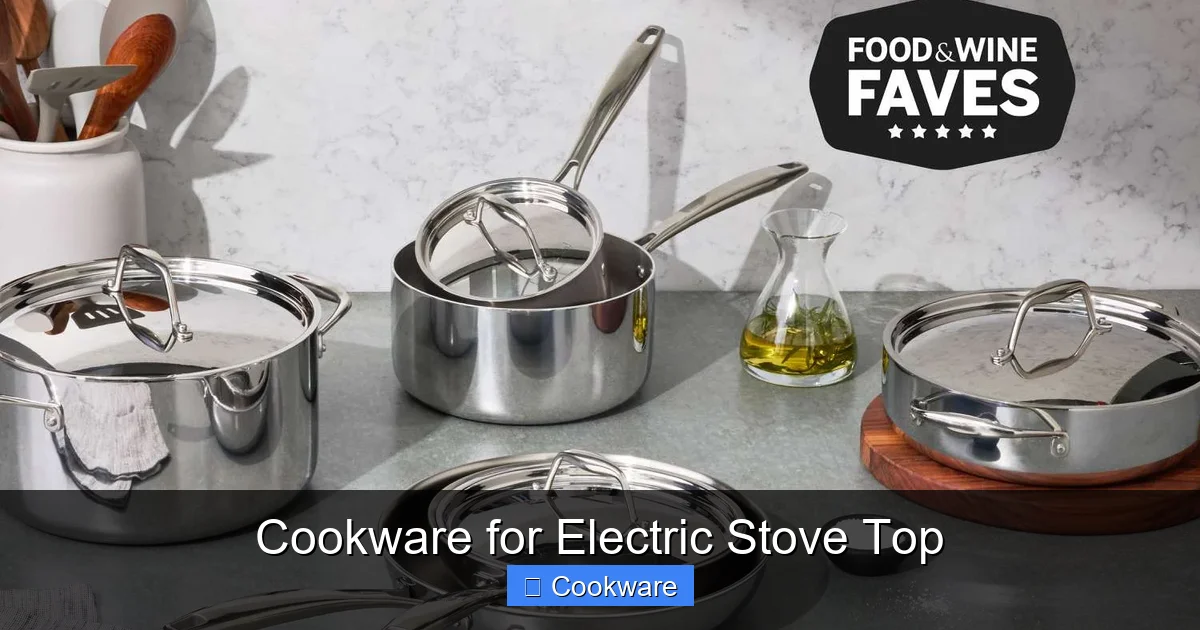
Aluminum heats quickly and evenly, which is great for sauces and pancakes. However, pure aluminum reacts with acidic foods. Choose anodized or hard‑coated versions to avoid metallic taste and improve durability. Brands often pair aluminum with stainless steel walls for a sleek look.
Visual guide about Cookware for Electric Stove Top
Image source: foodandwine.com
Stainless Steel Sets
If you want a versatile, dishwasher‑safe option, stainless steel is the go‑to. Look for a “3‑layer” or “5‑layer” construction that sandwiches an aluminum core. This design gives you the durability of steel plus the heat distribution of aluminum.
For a deeper dive into stainless options, see our guide on best stainless steel pots and pans for electric stove.
Cast Iron Essentials
Cast iron excels at retaining heat, making it ideal for dishes that need a steady temperature, such as fried chicken or cornbread. To protect a glass top, place a thin silicone mat or a cast‑iron heat plate underneath. Our review of the best cast iron heat plates for electric stove shows which plates provide the right balance of weight and protection.
Carbon Steel Woks
For Asian‑style cooking, a carbon steel wok is a smart choice. It heats fast, responds to temperature changes, and develops a natural non‑stick patina with use. Pair it with a flat, wide burner or use a wok ring for stability.
Check out the best carbon steel wok for electric stove for top picks that stay flat and durable.
Non‑Stick Options: Convenience vs. Longevity
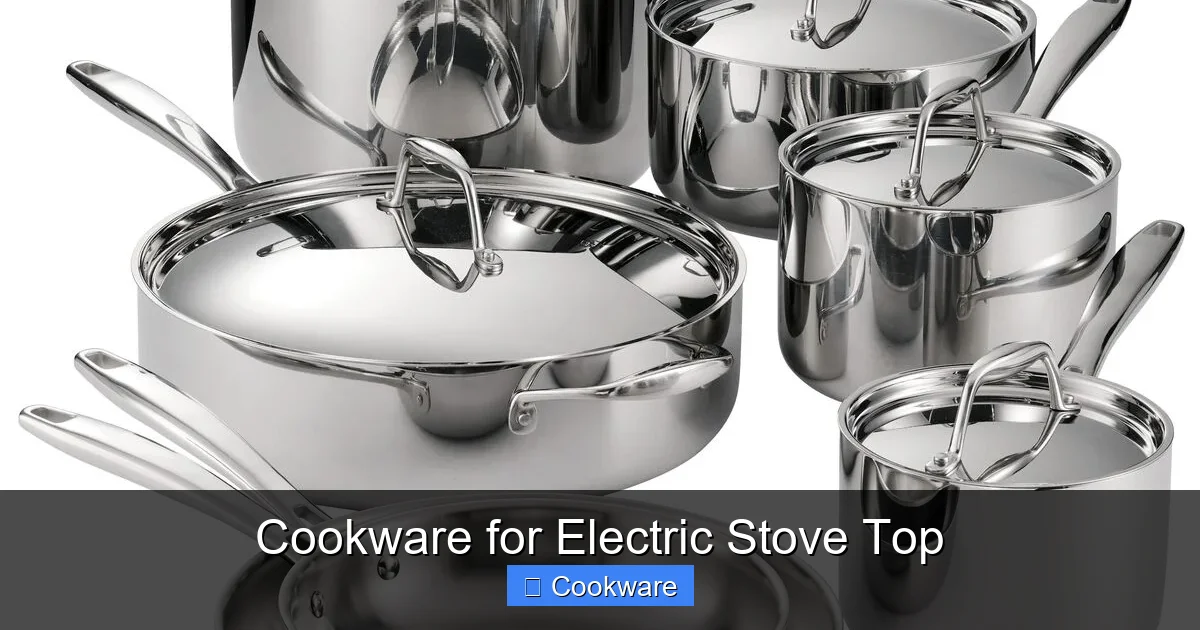
Non‑stick pans are beloved for easy cleanup and low‑fat cooking. On electric tops, they perform best at medium or low heat. High heat can degrade the coating faster.
Visual guide about Cookware for Electric Stove Top
Image source: kitchenbap.com
Choosing a Reliable Non‑Stick Pan
Look for PFOA‑free ceramic or reinforced Teflon surfaces. A thick aluminum core prevents warping. Avoid ultra‑thin “budget” pans—they’ll bow over the coil and create uneven cooking.
Care Tips to Extend Life
- Preheat on low for 1–2 minutes; never heat an empty non‑stick pan.
- Use silicone, wood, or nylon utensils.
- Hand‑wash with mild soap; avoid abrasive sponges.
Our top pick list for non‑stick pans is covered in best non stick frying pan for electric stove 2.
Size, Shape, and Compatibility
Diameter Matters
Match the pan size to the burner. A 10‑inch pan on a 6‑inch coil wastes energy and can cause the edges to overheat. Most electric cooktops have a “sweet spot” chart—refer to your stove’s manual.
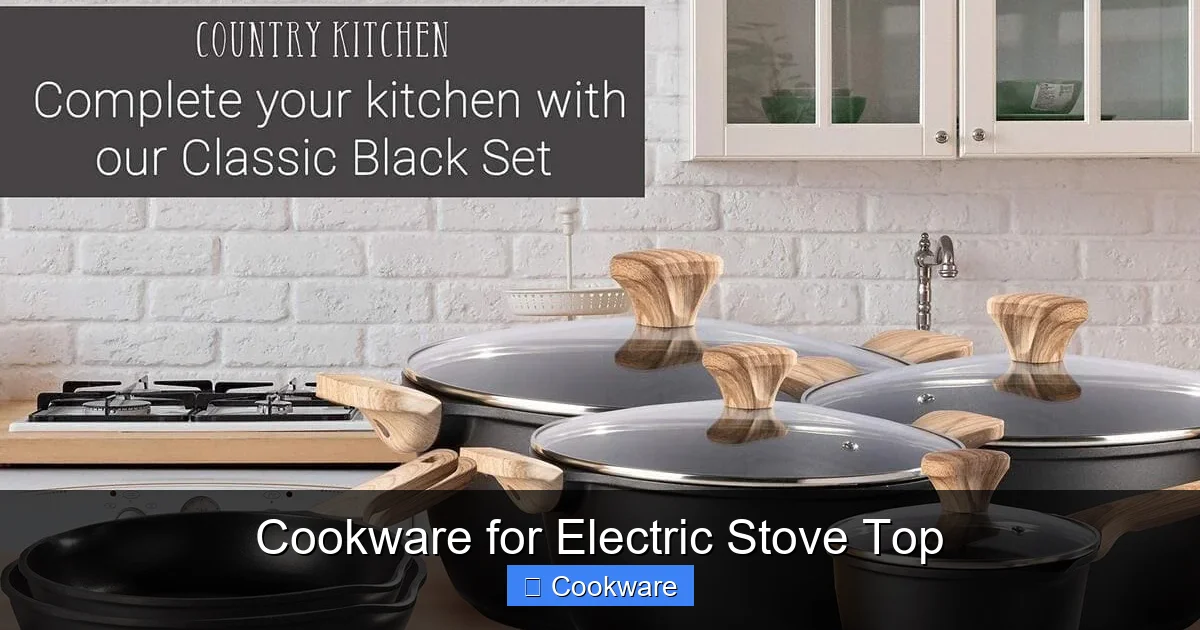
Visual guide about Cookware for Electric Stove Top
Image source: thekitcheneye.com
Specialty Shapes
Griddles, grill pans, and drip pans can be used, but they must be flat. For drip pans, see our review of the best 9 inch drip pan for electric stove for a model that sits flush without scratching.
Practical Tips for Everyday Cooking
Pre‑Heating Right
Electric tops take longer to heat up than gas. Give the burner 3–5 minutes on medium before adding food. This prevents sticking and ensures even cooking.
Using a Heat Diffuser
A diffuser spreads heat across the pan’s base, ideal for delicate sauces or melting chocolate. It also protects glass tops from scratches caused by heavy cast iron.
Cleaning and Maintenance
- For stainless steel, de‑glaze with white vinegar to remove water spots.
- Cast iron needs seasoning after each wash—rub a thin layer of oil and heat for a few minutes.
- Carbon steel should be dried immediately to prevent rust.
How to Build a Balanced Cookware Set
Essential Pieces
- 1‑2 Small Saucepans (1–2 qt): Aluminum‑core for sauces.
- Medium Frying Pan (10‑inch): Non‑stick or stainless with aluminum core.
- Large Skillet (12‑inch): Cast iron or carbon steel for sears.
- Stockpot (6‑qt): Stainless with a copper/aluminum base for soups.
- Wok (14‑inch): Carbon steel for stir‑fries.
Budget vs. Premium
If you’re starting out, buy a solid stainless set with an aluminum core and add a cast‑iron skillet later. For enthusiasts, mix premium carbon steel woks and a high‑end non‑stick pan for the best of each world.
Conclusion
Choosing the right cookware for an electric stove top is less about brand hype and more about physics: flat bottoms, good heat conductors, and the right size for your burners. By understanding material strengths, caring for your pans, and using accessories like heat diffusers, you’ll enjoy faster cooking, fewer hot spots, and a longer‑lasting kitchen. Whether you opt for a sturdy cast‑iron skillet, a sleek stainless‑steel set, or a versatile carbon‑steel wok, the perfect match will make every meal feel like a masterpiece.
Frequently Asked Questions
Can I use regular cast iron on a glass electric stove?
Yes, but place a thin silicone pad or a heat diffuser underneath to prevent scratching and to distribute heat more evenly.
Do I need a special pan for induction versus electric stove tops?
Induction requires magnetic‑responsive cookware (usually cast iron or stainless steel with a magnetic base). Electric tops work with any flat‑bottomed pan, magnetic or not.
Is non‑stick safe on high heat with an electric stove?
High heat can degrade non‑stick coatings faster. It’s best to cook on medium or low settings and avoid pre‑heating an empty pan.
How do I prevent my stainless steel pans from sticking?
Preheat the pan, add a small amount of oil, and let the oil heat before adding food. This creates a temporary non‑stick surface.
What size pan should I use on a 6‑inch coil?
Choose a pan with a 6‑inch to 8‑inch diameter. Larger pans will have uneven heat distribution and waste energy.
Do I need to season carbon steel pans?
Yes. Seasoning builds a natural non‑stick layer and protects the metal from rust. Heat the pan, coat lightly with oil, and let it cool; repeat as needed.