Induction Cooktop with Integrated Ventilation
Induction cooktop with integrated ventilation represents a revolutionary approach to kitchen design, combining the precision and efficiency of induction cooking with built-in ventilation systems that eliminate the need for overhead range hoods. These sleek appliances offer powerful extraction capabilities while maintaining a minimalist aesthetic, perfect for open-concept kitchens and spaces where traditional venting isn’t feasible. With advanced technology and smart features, they provide both exceptional cooking performance and superior air quality management.
Key Takeaways
- Space-saving design: Integrated ventilation eliminates the need for overhead range hoods, creating cleaner sight lines and more flexible kitchen layouts.
- Enhanced cooking efficiency: Induction technology provides faster heating and precise temperature control while the built-in vent captures smoke and odors at the source.
- Improved air quality: Powerful extraction systems remove cooking fumes, steam, and grease particles directly from the cooking surface for healthier indoor air.
- Easy maintenance: Most models feature removable filters and smooth surfaces that make cleaning simpler compared to traditional cooktop and hood combinations.
- Energy efficiency: These systems typically consume less energy than separate cooktop and ventilation units while providing superior performance.
- Versatile installation: Can be installed in various kitchen configurations including island setups where traditional venting would be challenging or impossible.
- Smart technology integration: Modern units often include automatic sensors, touch controls, and connectivity options for enhanced user experience.
📑 Table of Contents
- What is an Induction Cooktop with Integrated Ventilation?
- How Does Integrated Ventilation Work?
- Benefits of Integrated Ventilation Systems
- Design Considerations and Installation
- Maintenance and Cleaning Tips
- Comparing Different Brands and Models
- Future Trends in Integrated Kitchen Technology
- Conclusion
What is an Induction Cooktop with Integrated Ventilation?
If you’ve ever dreamed of a kitchen that combines sleek design with ultimate functionality, an induction cooktop with integrated ventilation might be exactly what you need. This innovative appliance brings together two essential kitchen functions into one elegant solution. Instead of having a separate range hood hanging above your cooking area, the ventilation system is built right into the cooktop itself.
Think about it – no more bulky hood dominating your kitchen’s visual space. No more struggling to align pots under a vent that may not be positioned correctly. With integrated ventilation, the extraction happens right where you’re cooking. It’s like having a personal assistant that follows your every move, capturing steam and odors before they can spread throughout your kitchen.
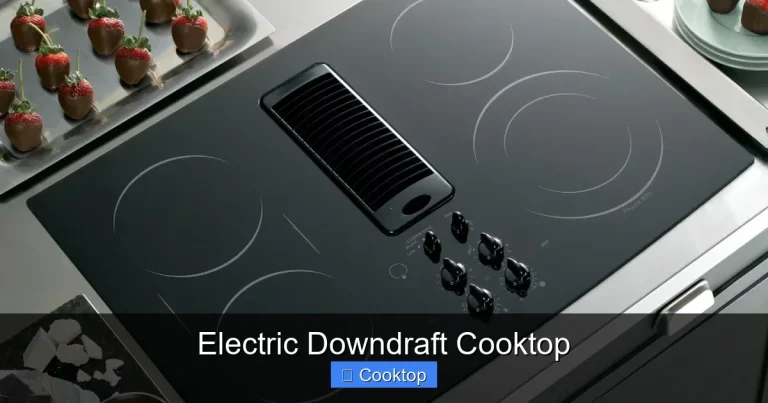
These systems typically work through downdraft technology, where powerful fans pull air downward through grilles or slots in the cooktop surface. Some models feature pop-up vents that emerge when needed, while others have permanent extraction zones built into the design. The beauty lies in how seamlessly these technologies work together to create a more efficient and attractive cooking environment.
Understanding the Technology Behind Integrated Ventilation
The magic happens through electromagnetic induction. When you place a compatible pot on the cooktop, the coils beneath create an electromagnetic field that heats the metal directly. This process is incredibly efficient – about 90% of the energy goes directly to heating your food, compared to just 40% with gas.
Meanwhile, the ventilation component uses powerful motors to create suction that pulls air through specially designed channels. Some systems can move hundreds of cubic feet of air per minute, effectively capturing smoke, steam, and cooking odors before they escape into your kitchen. The integration means both systems are optimized to work in perfect harmony.
How Does Integrated Ventilation Work?
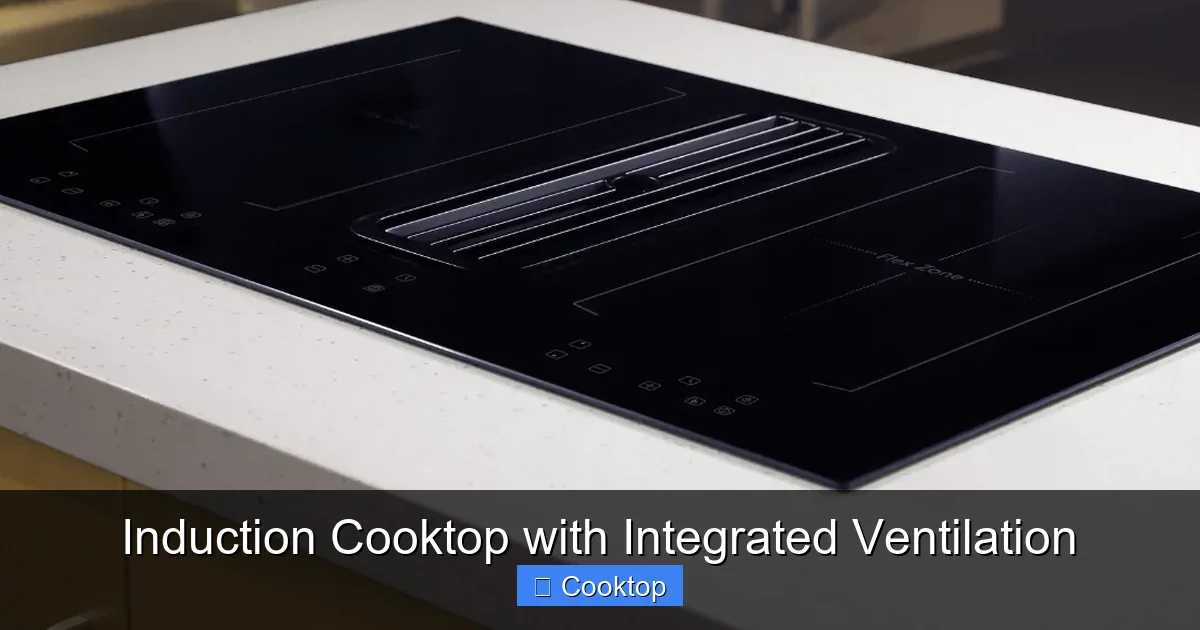
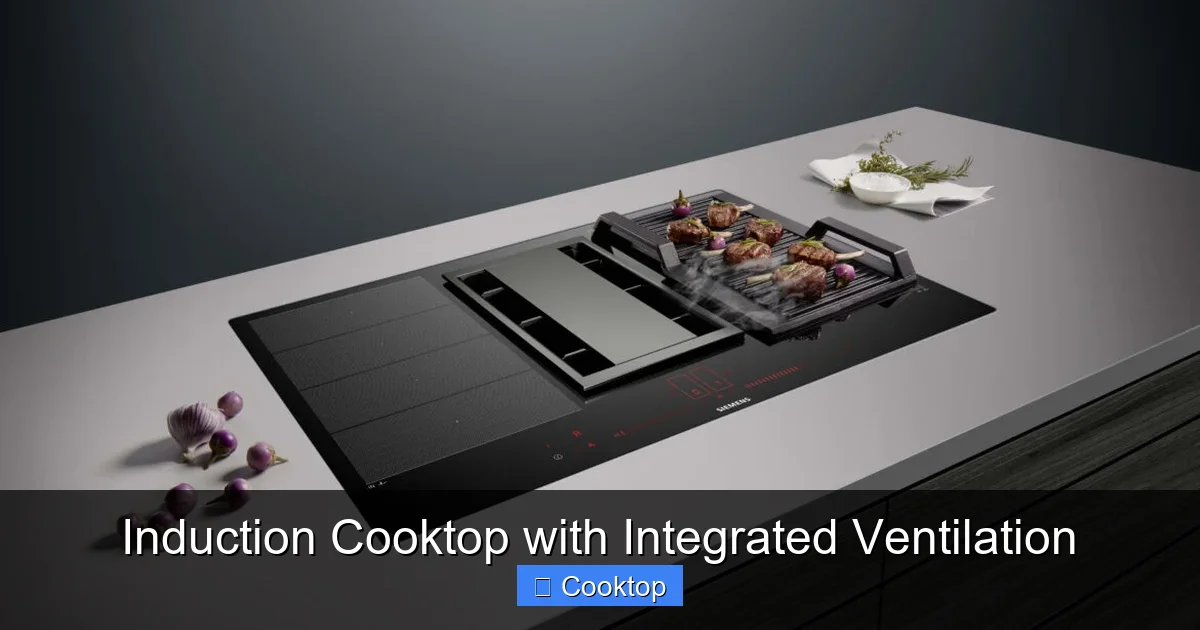
Visual guide about Induction Cooktop with Integrated Ventilation
Image source: linarie.com.au
Let me break down the mechanics in simple terms. When you activate an induction cooktop with integrated ventilation, electricity flows through copper wire coils beneath the smooth glass surface. These coils generate magnetic fields that interact with ferrous cookware, creating heat through resistance. The beauty is that the cooktop itself stays relatively cool compared to traditional radiant elements.
Now, for the ventilation part – most systems use what’s called downdraft extraction. Air enters through grilles or slots around the cooking zones and gets pulled downward by powerful fans. This air passes through filters that trap grease particles, then through charcoal or other materials that absorb odors, before being exhausted either outside or back into the kitchen, depending on your setup.
Some premium models feature intelligent sensors that detect when you’re cooking and automatically adjust fan speed based on the amount of steam or smoke being produced. Others have manual controls that let you dial in exactly the extraction power you need. Either way, the goal is the same: remove cooking byproducts efficiently and quietly.
The Science of Downdraft Extraction
Downdraft ventilation relies on creating negative air pressure beneath the cooktop surface. As hot air and steam rise from your pots, the system pulls them downward through strategically placed vents. This might seem counterintuitive at first – wouldn’t pulling air down make things worse? Actually, it works brilliantly because the extraction happens so close to the source that most contaminants never get a chance to spread.
Modern systems can achieve impressive airflow rates, often matching or exceeding traditional overhead hoods. The key is proper placement of extraction zones and powerful enough motors to overcome the natural tendency of hot air to rise. Many units also incorporate perimeter extraction, drawing air from multiple points around each cooking zone for maximum effectiveness.
Benefits of Integrated Ventilation Systems
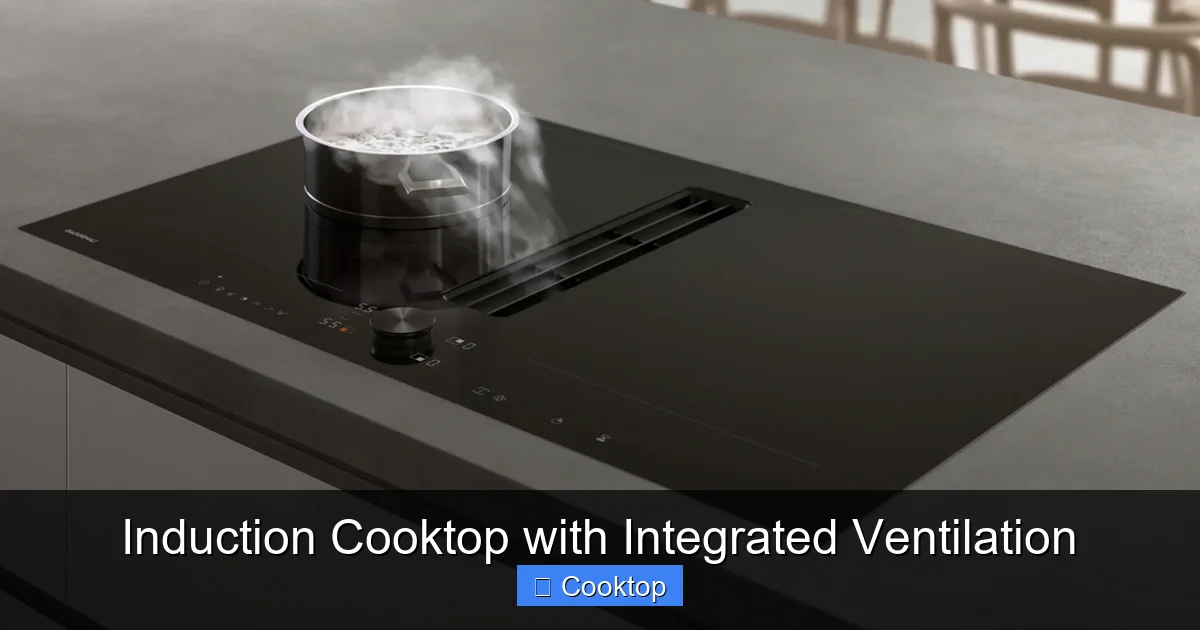
Visual guide about Induction Cooktop with Integrated Ventilation
Image source: media3.bsh-group.com
The advantages of an induction cooktop with integrated ventilation go far beyond just looking cool in your kitchen. First and foremost, you get incredible space efficiency. Without a bulky range hood overhead, you can install cabinets or artwork above your cooking area. This opens up design possibilities that simply aren’t available with traditional setups.
Energy efficiency is another major win. Induction cooking wastes very little energy, and integrated ventilation systems are typically more efficient than separate hood units. You’re not heating the air above your kitchen unnecessarily, and the extraction happens right where it’s needed most. Many homeowners see noticeable reductions in their energy bills after switching to these systems.
Perhaps most importantly, you get superior indoor air quality. Traditional range hoods often struggle to capture all cooking emissions, especially when pots aren’t positioned perfectly. With integrated ventilation, extraction happens immediately at the source, meaning fewer cooking odors lingering in your home and less grease settling on your walls and cabinets.
Cleaning and Maintenance Advantages
Here’s something many people don’t consider until it’s too late: cleaning a traditional range hood can be a nightmare. Grease accumulates in hard-to-reach places, and filters often require frequent replacement. With integrated ventilation, everything is more accessible. Many models have smooth, flat surfaces that wipe clean easily, and filter systems that can be removed and cleaned in your dishwasher.
The reduced grease buildup throughout your kitchen means less frequent deep cleaning of surrounding surfaces. Your cabinets, backsplashes, and walls will stay cleaner longer, which translates to time and money saved on maintenance over the years.
Design Considerations and Installation
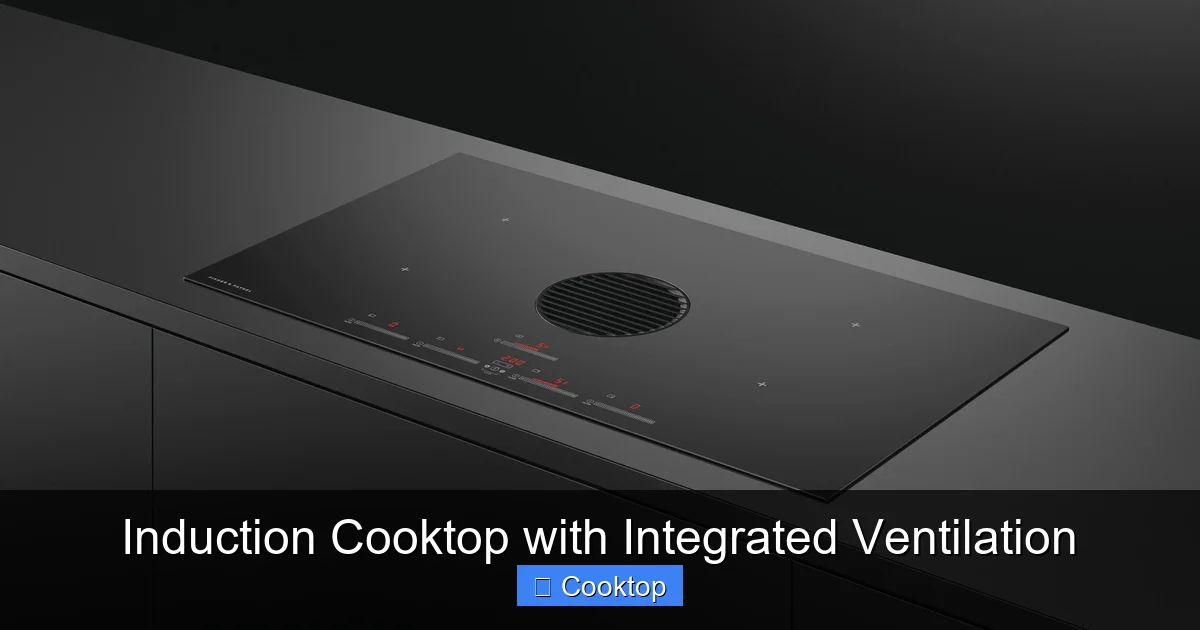
Visual guide about Induction Cooktop with Integrated Ventilation
Image source: azuremagazine.com
Before you rush out to buy an induction cooktop with integrated ventilation, there are some important design considerations to keep in mind. First, you’ll need to think about ductwork. While some models recirculate air through filters, the most effective systems exhaust to the outside. This means planning for ducting during your kitchen renovation.
Installation complexity varies significantly between models. Some units are designed for straightforward drop-in installation, while others may require professional modification of your cabinetry or countertops. The good news is that many manufacturers offer detailed installation guides and support to help ensure proper setup.
Kitchen Layout Flexibility
One of the biggest advantages is flexibility in kitchen design. Island installations become much more practical, as you don’t need to suspend a heavy range hood from the ceiling. You can also create more open sight lines in your kitchen, which is particularly valuable in smaller spaces or open-concept homes.
Consider your cooking habits when choosing a model. If you do a lot of high-heat cooking like stir-frying or searing, you’ll want a system with powerful extraction capabilities. For more moderate cooking styles, you might prioritize quiet operation or advanced features like automatic sensors.
Maintenance and Cleaning Tips
Taking care of your induction cooktop with integrated ventilation doesn’t have to be complicated, but it does require regular attention to keep it performing at its best. Start with the basics: always unplug or turn off the unit before cleaning, and use gentle, non-abrasive cleaners on the glass surface.
For the ventilation components, check your owner’s manual for specific filter replacement schedules. Most systems use a combination of mesh filters for grease and charcoal filters for odors. Mesh filters can usually be cleaned in warm soapy water or the dishwasher, while charcoal filters typically need replacement every 6-12 months depending on usage.
Troubleshooting Common Issues
Sometimes you might notice reduced suction power or unusual noises from your ventilation system. Often, this indicates it’s time to clean or replace filters. Check for any blockages in the extraction grilles, and make sure the ductwork (if applicable) isn’t kinked or obstructed.
If your induction cooktop isn’t heating properly, ensure your cookware is compatible. It should be magnetic – if a magnet sticks to the bottom, it will work with induction. Also check that pots and pans are sitting flat on the surface and that they’re not warped or damaged.
Comparing Different Brands and Models
The market for induction cooktops with integrated ventilation has grown significantly in recent years, offering options for every budget and requirement. Premium brands like Bosch, Siemens, and Miele lead the pack with sophisticated technology and robust construction, while mid-range options from GE, Whirlpool, and KitchenAid provide solid performance at more accessible price points.
When shopping, pay attention to extraction power measured in CFM (cubic feet per minute), number of cooking zones, and additional features like bridge elements for large pots or automatic heat adjustment. Some models offer Wi-Fi connectivity for remote monitoring and control, while others focus on pure functionality without the bells and whistles.
Making the Right Choice for Your Kitchen
Consider your household size and cooking frequency when evaluating different models. Larger families or serious home cooks might benefit from more powerful extraction and multiple cooking zones, while singles or couples might find a smaller, simpler unit perfectly adequate. Don’t forget to factor in your existing kitchen infrastructure – upgrading to integrated ventilation might require electrical upgrades or ductwork modifications that add to the overall cost.
For those interested in exploring specific models, there are excellent resources comparing the best 36 induction cooktop with downdraft ventilation options available today. These comprehensive reviews can help you understand the nuances between different brands and price points.
Future Trends in Integrated Kitchen Technology
The future looks bright for induction cooktops with integrated ventilation, with manufacturers constantly innovating to improve performance and user experience. We’re seeing advances in smart technology integration, with apps that can monitor cooking progress and automatically adjust ventilation settings. Energy efficiency continues to improve, with some newer models achieving even better performance ratings.
Air quality monitoring is becoming more sophisticated, with sensors that can detect not just smoke and steam but also specific compounds and adjust extraction accordingly. This means cleaner air and more efficient operation. Additionally, design aesthetics are evolving with seamless integration into smart home ecosystems and customizable interfaces that match your personal style.
As kitchen technology continues advancing, we can expect to see even more impressive features emerge. The combination of induction cooking precision with intelligent ventilation represents just the beginning of what’s possible when we rethink traditional kitchen appliance design.
Conclusion
An induction cooktop with integrated ventilation offers compelling advantages for modern kitchens. From space efficiency and superior indoor air quality to energy savings and sleek aesthetics, these appliances represent a thoughtful evolution in kitchen design. While the initial investment may be higher than traditional setups, the long-term benefits in terms of convenience, performance, and kitchen functionality make them worth serious consideration.
Whether you’re renovating your kitchen or simply looking to upgrade your cooking experience, integrated ventilation systems provide a glimpse into the future of home cooking. They prove that innovation doesn’t have to sacrifice practicality – in fact, it often enhances it in ways we never expected.
Frequently Asked Questions
What types of cookware work with induction cooktops?
Induction cooktops require magnetic cookware. If a magnet sticks to the bottom of your pot or pan, it will work. This includes most stainless steel, cast iron, and some enameled cookware. Aluminum and copper alone won’t work unless they have magnetic bases.
Is integrated ventilation as effective as traditional range hoods?
Modern integrated ventilation systems can be highly effective, especially when positioned close to the cooking surface. While some premium overhead hoods may have slight advantages in raw extraction power, integrated systems excel at capturing emissions at the source, often providing better overall kitchen air quality.
Can I install an induction cooktop with integrated ventilation myself?
While some basic models may be suitable for DIY installation, most integrated ventilation systems require professional installation due to electrical requirements and potential ductwork modifications. Always check local building codes and manufacturer recommendations before attempting installation.
How often do I need to clean or replace the filters?
Mesh filters typically need cleaning every 1-3 months depending on cooking frequency, while charcoal odor filters generally require replacement every 6-12 months. Check your owner’s manual for specific guidance, as maintenance needs vary significantly between models.
What’s the difference between downdraft and updraft ventilation?
Downdraft ventilation pulls air downward through grilles in the cooktop surface, while updraft (traditional hoods) pull air upward. Downdraft systems capture emissions closer to the source but may require more powerful motors to overcome the natural tendency of hot air to rise.
Are these systems noisy?
Noise levels vary by model and extraction speed. Many modern units operate quite quietly, especially at lower speeds. However, maximum extraction settings may produce noticeable noise. Look for decibel ratings in product specifications if noise is a major concern for your kitchen.