Camping Induction Cooktop
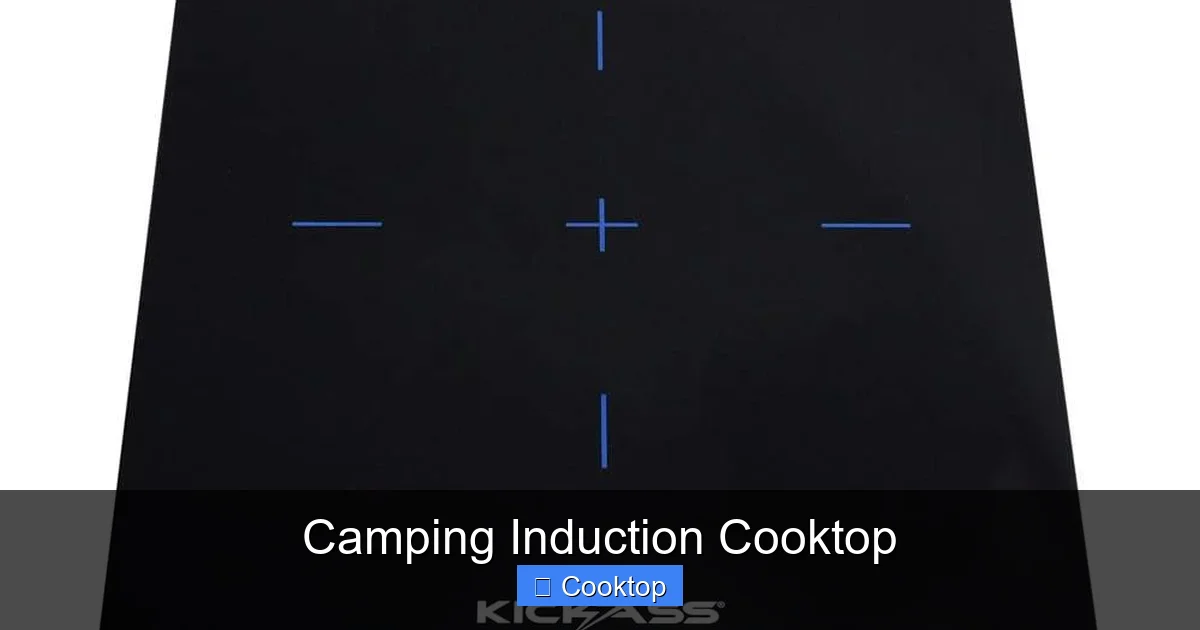
A camping induction cooktop brings the precision and speed of indoor induction technology to the great outdoors, letting you boil water, sauté, and simmer with minimal fuel and mess. Lightweight, portable models work with any compatible cookware and can be powered by a car battery, generator, or solar panel, making them ideal for backpackers, car campers, and RV enthusiasts. Choose a model with sturdy construction, adjustable power levels, and safety features to enjoy hot meals wherever your adventure takes you.
Key Takeaways
- Portability and Power: Most camping induction cooktops weigh under 5 lb and run on 12 V DC, 120 V AC, or USB‑C power sources, giving you flexibility for any campsite.
- Speed and Efficiency: Induction heats cookware directly, boiling a liter of water in under 3 minutes while using up to 50 % less energy than a traditional propane stove.
- Cookware Compatibility: You need ferrous‑based pots and pans (cast iron, magnetic stainless steel, or enameled steel); see our guide on cookware for induction cooktop for suitable options.
- Safety Features: Look for auto‑shutoff, overheat protection, and child‑lock functions to prevent accidents when cooking near tents or gear.
- Versatile Cooking: From simmering sauces to searing steaks, adjustable power levels (usually 200 W–1800 W) let you tackle any recipe outdoors.
- Easy Maintenance: Smooth glass‑ceramic surfaces wipe clean with a damp cloth, and many models include a silicone mat to protect the surface (check our silicone mat for induction cooktop page).
- Value for Money: Investing in a quality camping induction cooktop saves fuel costs over time and reduces the environmental impact of disposable canisters.
📑 Table of Contents
- Why Choose a Camping Induction Cooktop?
- How Induction Technology Works in the Outdoors
- Key Features to Look For
- Setting Up Your Camping Induction Cooktop
- Cookware Compatibility: What Works Best?
- Practical Tips for Outdoor Induction Cooking
- Top Camping Induction Cooktop Models (Quick Overview)
- Conclusion: Elevate Your Camp Cuisine
Why Choose a Camping Induction Cooktop?
When you’re far from a kitchen, the last thing you want is a bulky, finicky stove that takes forever to boil water. A camping induction cooktop solves that problem by delivering restaurant‑grade heat in a compact, lightweight package. Unlike propane burners that rely on an open flame, induction uses electromagnetic fields to heat the pot itself, which means almost no heat is lost to the surrounding air. This translates to faster boil times, lower fuel consumption, and a cooler cooking area—critical when you’re sharing a tent with gear or trying to keep the campsite tidy.
Another advantage is precision. Most camping induction cooktops offer adjustable power settings in increments of 100 W or less, letting you melt chocolate without scorching or bring a pot of chili to a gentle simmer. Because the cooktop surface stays relatively cool (only the pot gets hot), the risk of accidental burns is lower, especially around children or pets. Plus, there’s no open flame to worry about in windy conditions or fire‑restricted areas.
Finally, the environmental upside is notable. By using electricity instead of burning fossil fuels, you cut down on carbon emissions and eliminate the need to carry heavy fuel canisters. If you have access to a solar panel, a portable power station, or even your vehicle’s 12 V outlet, you can run a camping induction cooktop sustainably for days on end.
How Induction Technology Works in the Outdoors
Induction cooking relies on a copper coil beneath the glass‑ceramic surface that generates an alternating magnetic field. When you place a compatible pot—typically made of cast iron, magnetic stainless steel, or enameled steel—on the cooktop, the field induces electric currents (eddy currents) in the metal. Those currents generate heat directly inside the pot, while the cooktop surface remains only warm from residual heat.
Because the heat is generated in the cookware, you get almost instant response: turning the dial down reduces heat within seconds, and turning it off stops heating almost immediately. This responsiveness is a game‑changer for camping meals where you might need to quickly stop a boil‑over or adjust a simmer.
Power requirements vary. Smaller single‑burner units designed for backpacking often run at 200 W–500 W and can be powered by a high‑capacity power bank or a 12 V car socket. Larger two‑burner models aimed at car campers or RVs may draw 1200 W–1800 W and work best with a portable generator, a campsite electrical hookup, or a robust solar setup.
Key Features to Look For
Power Output and Adjustability
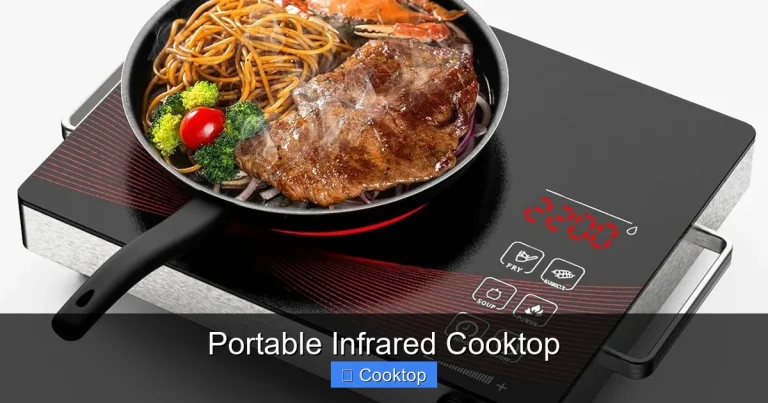
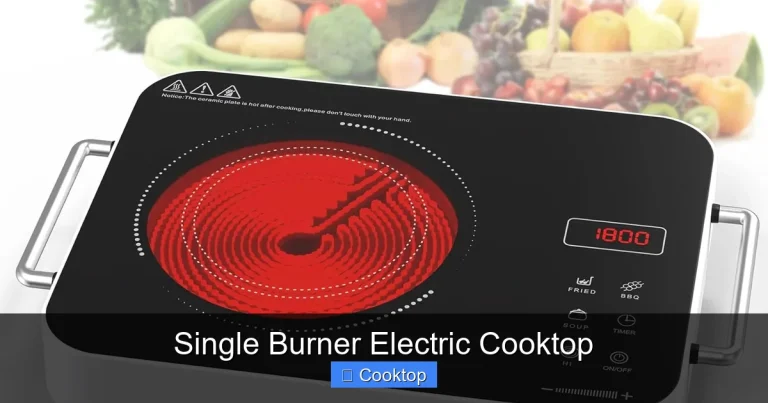
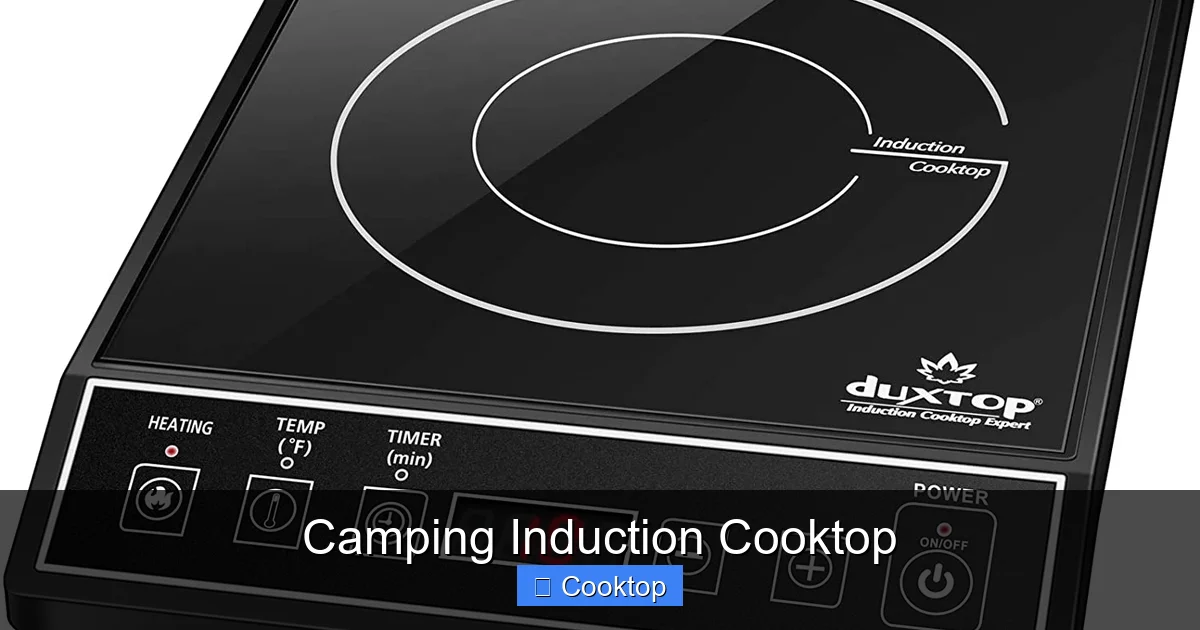
Check the wattage range. A good camping induction cooktop will offer at least five power levels, from a low simmer (around 200 W) to a high boil (1500 W–1800 W). Some models include a “boost” function that temporarily pushes power to 2000 W for rapid boiling.
Visual guide about Camping Induction Cooktop
Image source: foodchamps.org
Portability and Weight
If you plan to hike to your campsite, aim for a unit under 4 lb with a built‑in handle or carry case. For car camping, weight is less critical, but a compact footprint (around 10″ × 10″) still makes storage easier.
Power Source Flexibility
Many units accept multiple inputs: 12 V DC (cigarette lighter socket), 120 V AC (standard wall outlet), and USB‑C PD (Power Delivery) for modern power stations. Verify which cables are included or sold separately.
Safety Mechanisms
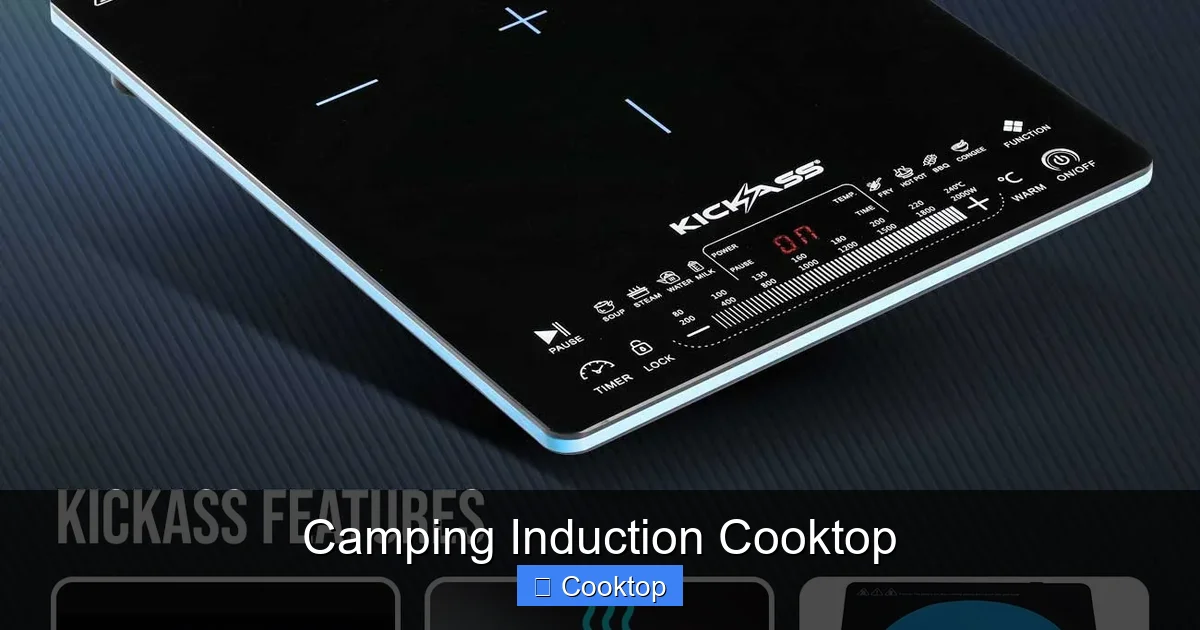
Look for auto‑shutoff after a period of inactivity, over‑temperature protection, and a child‑lock button. Some models also feature pan‑detect sensors that only activate when compatible cookware is present, saving energy.
Durable Construction
A tempered glass‑ceramic top resists scratches and thermal shock. The housing should be rugged ABS or aluminum to withstand bumps and drops. Rubber feet keep the unit steady on uneven surfaces.
Setting Up Your Camping Induction Cooktop
Choosing the Right Location
Place the cooktop on a flat, stable surface away from flammable materials like tents, dry grass, or overhanging branches. Even though there’s no open flame, the cooktop can still get hot enough to melt synthetic fabrics if left unattended.
Visual guide about Camping Induction Cooktop
Image source: cdn.shopify.com
Connecting Power
If you’re using a 12 V car socket, start the engine or ensure your auxiliary battery is charged to avoid draining the starter battery. For AC units, plug into a campsite electrical post or a portable generator with a pure sine wave output—some cheaper generators produce “dirty” power that can damage induction electronics.
Pre‑Heating and Testing
Turn the unit to a low setting and place a small amount of water in a compatible pot. You should see bubbles forming within 30–45 seconds. This quick test confirms the coil is working and that your cookware is magnetic enough.
Cookware Compatibility: What Works Best?
Induction only works with ferrous metals. The simplest way to test a pot is to see if a magnet sticks firmly to the base. Cast iron skillets, enameled Dutch ovens, and magnetic stainless‑steel pots are ideal. Aluminum, copper, or glass cookware will not heat unless they have a bonded steel base.
For camping, consider nesting sets that save space. A 10‑inch cast‑iron skillet, a 2‑quart stainless‑steel saucepan, and a collapsible silicone kettle cover most meals. If you need guidance, our cookware for induction cooktop article lists lightweight, camping‑friendly options.
Remember to keep the bottom of your pots clean and flat. Any warping or debris can create an air gap that reduces efficiency and may cause hot spots.
Practical Tips for Outdoor Induction Cooking
Maximizing Battery Life
When running off a 12 V battery, start with the lowest power setting that gets the job done. Bring a lid for your pots—trapping heat cuts cooking time and reduces the draw on your power source. If you have a solar panel, angle it toward the sun during peak hours to recharge your power station while you cook.
Managing Heat Distribution
Induction heats the pot directly, but the handle can still get hot, especially with thin‑walled cookware. Use a silicone pot holder or a folded bandana to protect your hands. Some campers like to wrap the handle with a heat‑resistant sleeve for extra safety.
Cleaning on the Go
After each meal, let the cooktop cool for a minute, then wipe the surface with a damp cloth. For stubborn residue, a drop of mild dish soap on a non‑abrasive sponge works fine. Avoid scouring pads that could scratch the glass. If you use a silicone mat (see our silicone mat for induction cooktop page), simply lift it off and rinse it.
Safety First
Never leave the cooktop unattended while it’s on, especially near flammable gear. Keep a small fire extinguisher or a bucket of sand nearby as a precaution. If you notice unusual smells, smoke, or the unit shuts off unexpectedly, disconnect power and inspect for damage before using again.
Top Camping Induction Cooktop Models (Quick Overview)
While we won’t endorse specific brands, here are the characteristics to compare when shopping:
- Single‑Burner Ultralight: 200 W–800 W, weighs ~2.5 lb, runs on 12 V DC or USB‑C PD, ideal for backpackers.
- Two‑Burner Mid‑Size: 800 W–1500 W per burner, ~5 lb, includes dual power inputs (12 V AC & DC), great for car camping families.
- High‑Power RV Unit: 1500 W–1800 W per burner, ~8 lb, built‑in cooling fan, designed for continuous use at campsites with electrical hookups.
When you narrow down choices, check user reviews for reliability in damp or dusty environments, and verify the warranty covers outdoor use.
Conclusion: Elevate Your Camp Cuisine
A camping induction cooktop might seem—a luxury; it’s a practical tool that brings the way you think induction cooktop puts the convenience of modern kitchen technology into your backpack, car trunk, or RV. With rapid heat‑up, precise temperature control, and minimal fuel consumption, you can enjoy everything from instant oatmeal to gourmet stir‑frys without the hassle of propane canisters or uneven flames. By pairing the right cooktop with compatible, lightweight cookware and a reliable power source, you’ll spend less time wrestling with gear and more time savoring meals under the stars.
Whether you’re a weekend warrior or a long‑haul overlander, investing in a quality camping induction cooktop transforms outdoor cooking from a chore into a highlight of the adventure. So pack your pot, plug in your power source, and let the magnetic magic do the rest.
Frequently Asked Questions
Can I use a camping induction cooktop inside a tent?
It’s not recommended to operate any cooking device inside a closed tent due to the risk of carbon monoxide buildup and fire hazards. Even though induction doesn’t produce an open flame, the cooktop surface can become hot enough to melt synthetic fabrics. Always cook in a well‑ventilated area, such as under a canopy or at the edge of your campsite.
What size power bank do I need to run a camping induction cooktop?
For a single‑burner unit drawing 300 W–500 W, a power bank with at least 20 000 mAh (≈70 Wh) and a USB‑C PD output of 45 W or higher will give you roughly 20–30 minutes of cooking time per charge. For longer sessions, pair the power bank with a solar panel or use a higher‑capacity portable power station (300 Wh+).
Do I need special pots for a camping induction cooktop?
Yes. The cookware must be made of a ferromagnetic material—typically cast iron, enameled steel, or magnetic stainless steel. A simple magnet test will tell you if a pot will work. Non‑magnetic metals like aluminum, copper, or glass won’t heat unless they have a bonded steel base.
How do I clean the glass‑ceramic surface after camping?
Let the cooktop cool, then wipe it with a soft, damp cloth. For stuck‑on food, apply a drop of mild dish soap to a non‑abrasive sponge and gently scrub. Avoid steel wool or harsh scouring pads, as they can scratch the surface. Using a silicone mat can protect the glass and make cleanup even easier.
Is a camping induction cooktop safe to use in high wind?
Induction cooktops are generally wind‑safe because there’s no open flame that can blow out. However, strong gusts can tip lightweight units or blow debris onto the cooking surface. Place the cooktop on a stable, weighted surface and consider using a windbreak or camping table with a lip to keep it secure.
Can I run two burners simultaneously on a portable power station?
It depends on the power station’s continuous output rating. If each burner draws 1200 W, you’ll need a station that can supply at least 2400 W continuously, plus a buffer for startup surges. Check the specifications of both the cooktop and the power station before attempting dual‑burner use.