Frying Pan for Gas Cooktop
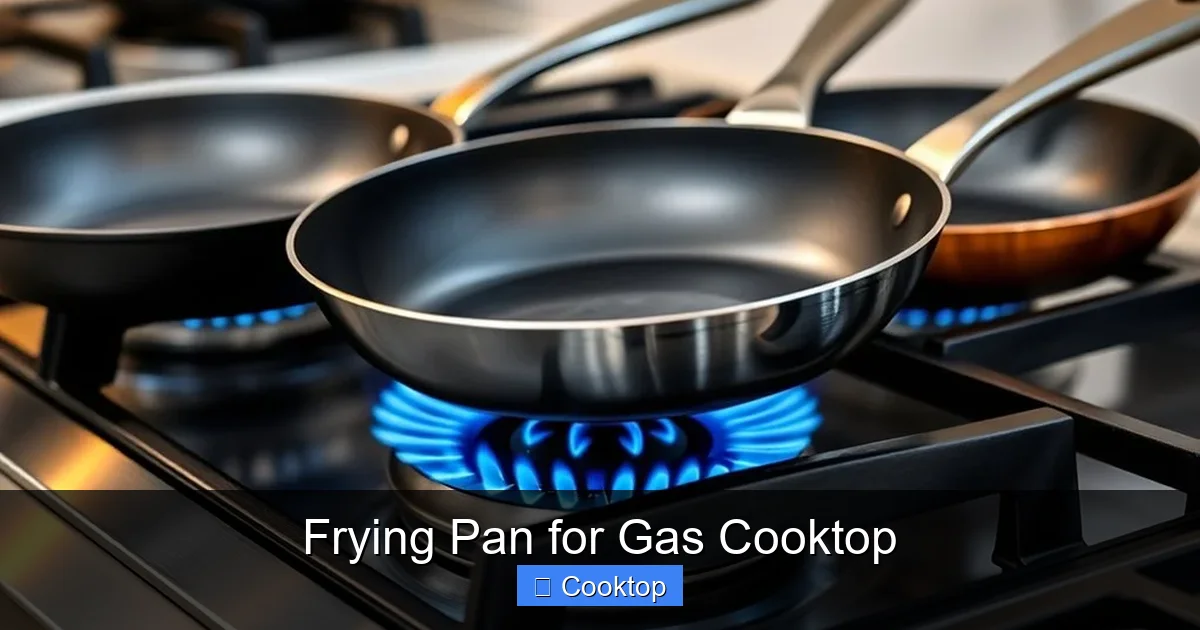
Choosing the right frying pan for gas cooktop use is all about balancing heat distribution and durability. Because gas flames provide intense, direct heat, you need a pan that can withstand high temperatures without warping while ensuring your food cooks evenly.
Do you love the feeling of total control when you cook? If so, you probably love your gas stove. There is something so satisfying about turning a knob and seeing a flame instantly react. But here is the tricky part: not every pan is created equal. If you pick the wrong one, you might end up with burnt edges, warped metal, or a ruined non-stick coating.
Finding the right frying pan for gas cooktop use is a game changer. Whether you are searing a thick ribeye steak or flipping a delicate omelet, the material of your pan determines the result. Gas heat is powerful and direct, which is a blessing for chefs but a challenge for cheap cookware. You need a pan that can handle the fire without breaking a sweat.
In this guide, we are going to break everything down in simple terms. We will look at the best materials, how to prevent common mistakes, and how to keep your pans in great shape for years. Let’s dive in and find the perfect match for your kitchen!
Key Takeaways
- Material Matters: Cast iron and stainless steel are best for high heat, while non-stick is ideal for delicate foods.
- Heat Control: Gas cooktops allow for precise temperature changes, making them great for searing and sautéing.
- Avoid Overheating: Be careful with non-stick pans on gas, as extreme heat can damage the coating.
- Flat Bottoms: Ensure your pan has a flat base to sit securely on the grate for safety.
- Versatility: Heavy-bottomed pans prevent “hot spots” that can burn your food.
- Maintenance: Proper seasoning and cleaning extend the life of your gas-compatible cookware.
📑 Table of Contents
Why Your Choice of Frying Pan for Gas Cooktop Matters
Gas cooktops are beloved by professionals because they offer immediate heat adjustment. Unlike electric stoves, which take time to warm up or cool down, gas is instant. However, this “open flame” design means the heat is concentrated exactly where the flame hits the pan. If your pan is too thin, you will get “hot spots.” These are areas where the food burns while the rest of the pan is still lukewarm.
The Impact of Direct Flame
When you use a frying pan for gas cooktop cooking, the flame wraps slightly around the sides of the pan. This is great for stir-frying but can be tough on certain handles or coatings. If you use a pan with a plastic handle that isn’t heat-resistant, it can melt. If you use a low-quality non-stick pan, the intense heat can release toxic fumes or peel the coating away.
Stability on the Grate
Another factor is stability. Gas stoves have grates to hold the pan above the flame. If your pan has a rounded bottom or a very small base, it might wobble. A stable pan is a safe pan. You don’t want your dinner sliding off the stove because the pan didn’t sit flat on the grate.
Best Materials for Gas Cooktops
Not all metals react to fire the same way. Depending on what you like to cook, you might need one type of pan or a few different ones. Here are the most popular options for gas cooking.
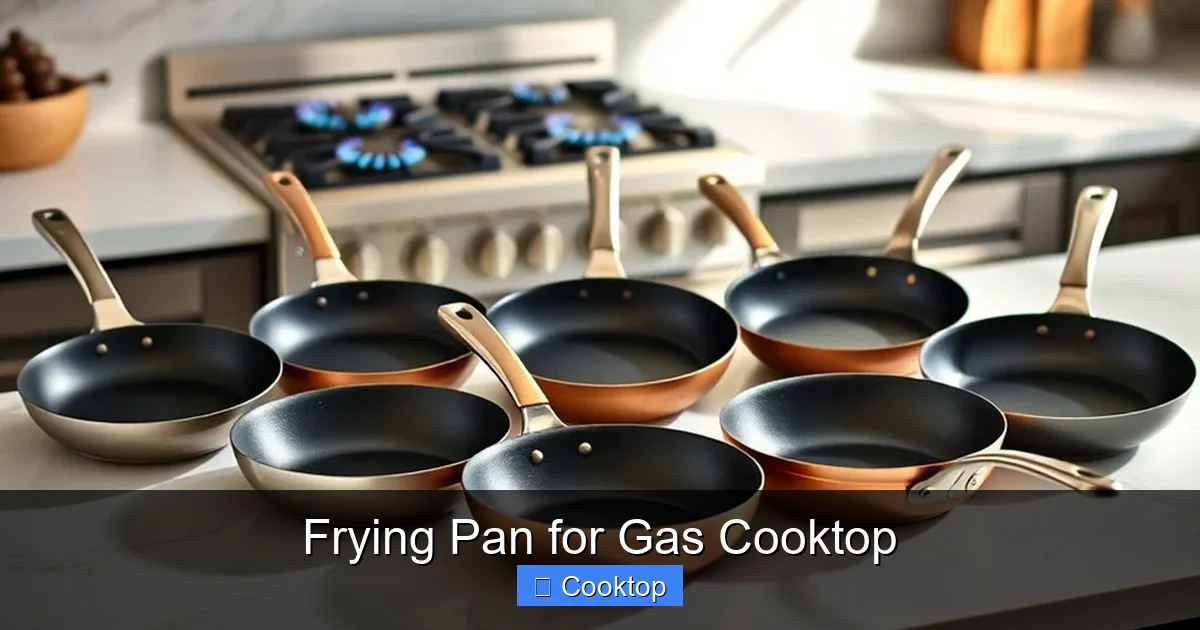
Visual guide about Frying Pan for Gas Cooktop
Image source: fryerhouse.com
Cast Iron: The Heavy Hitter
Cast iron is arguably the king of the gas stove. It can take extreme heat without warping. If you want to get a perfect, crusty sear on a steak, cast iron is your best friend. It holds heat incredibly well, meaning once it is hot, it stays hot. Just remember that cast iron takes a while to heat up, so be patient.
Stainless Steel: The Professional’s Choice
Stainless steel is durable and doesn’t react with acidic foods (like lemon or tomato sauce). It is excellent for making pan sauces because the browned bits left behind (called the fond) are gold for flavor. While it doesn’t distribute heat as evenly as cast iron, a “tri-ply” or “clad” stainless steel pan (which has an aluminum core) fixes this problem perfectly.
Non-Stick: The Easy Cleanup
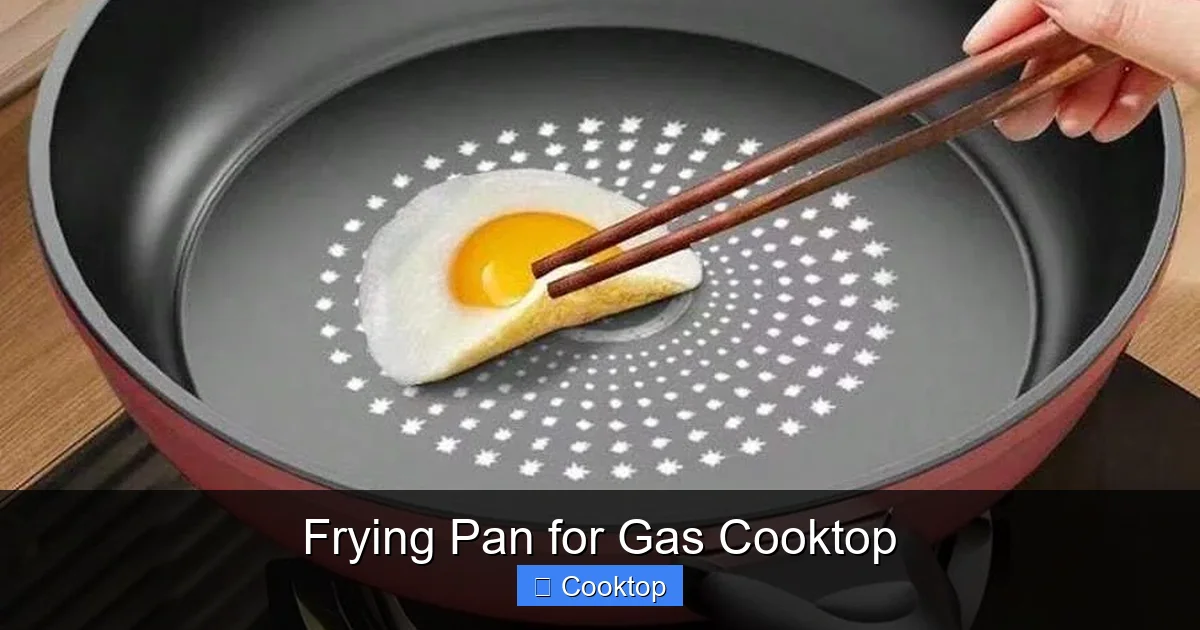
For eggs, pancakes, or fish, a non-stick pan is a lifesaver. However, you have to be careful. Most non-stick coatings cannot handle the “high” setting on a gas burner. To keep these pans safe, always use low to medium heat. If you are looking for a versatile set, you might consider a best pot and pan set for gas stove that includes both stainless steel and non-stick options.
Carbon Steel: The Middle Ground
Carbon steel is like a mix between cast iron and stainless steel. It is lighter than cast iron but can still handle very high heat. It is often used in professional kitchens for woks and sauté pans. Once seasoned, it becomes naturally non-stick, making it a fantastic choice for those who want durability without the extreme weight of a heavy iron skillet.
How to Choose the Right Size and Shape
Size matters more than you might think. A pan that is too small for your burner will waste heat. A pan that is too large can overheat the handles and create uneven cooking across the surface.
Visual guide about Frying Pan for Gas Cooktop
Image source: img.ltwebstatic.com
The 8-Inch Pan: The Breakfast Essential
An 8-inch pan is perfect for small tasks. It is the ideal size for frying two or three eggs or melting butter. Because it is small, it heats up quickly, making it great for fast morning meals.
The 10-Inch Pan: The All-Rounder
The 10-inch pan is the “goldilocks” size. It is large enough for a couple’s dinner but small enough to store easily. It works for everything from grilled cheese to sautéed vegetables.
The 12-Inch Pan: The Family Favorite
If you are cooking for a family, a 12-inch pan is a must. It provides plenty of room so you don’t crowd the pan. Crowding the pan lowers the temperature and steams the food instead of searing it. To keep a large pan clean and splash-free, investing in a best 12 glass lid for frying pan helps trap heat and moisture during simmering.
Practical Tips for Better Gas Cooking
Now that you have the right pan, how do you use it effectively? Gas cooking is an art, but a few simple tricks can make you feel like a pro.
Visual guide about Frying Pan for Gas Cooktop
Image source: down-ph.img.susercontent.com
Preheating is Key
Never put food into a cold pan. Let the pan heat up for a few minutes first. You can tell a pan is ready by the “water drop test.” Drop a tiny bit of water on the surface; if the water dances and beads up, the pan is hot enough. This prevents food from sticking and ensures a better sear.
Manage Your Flame
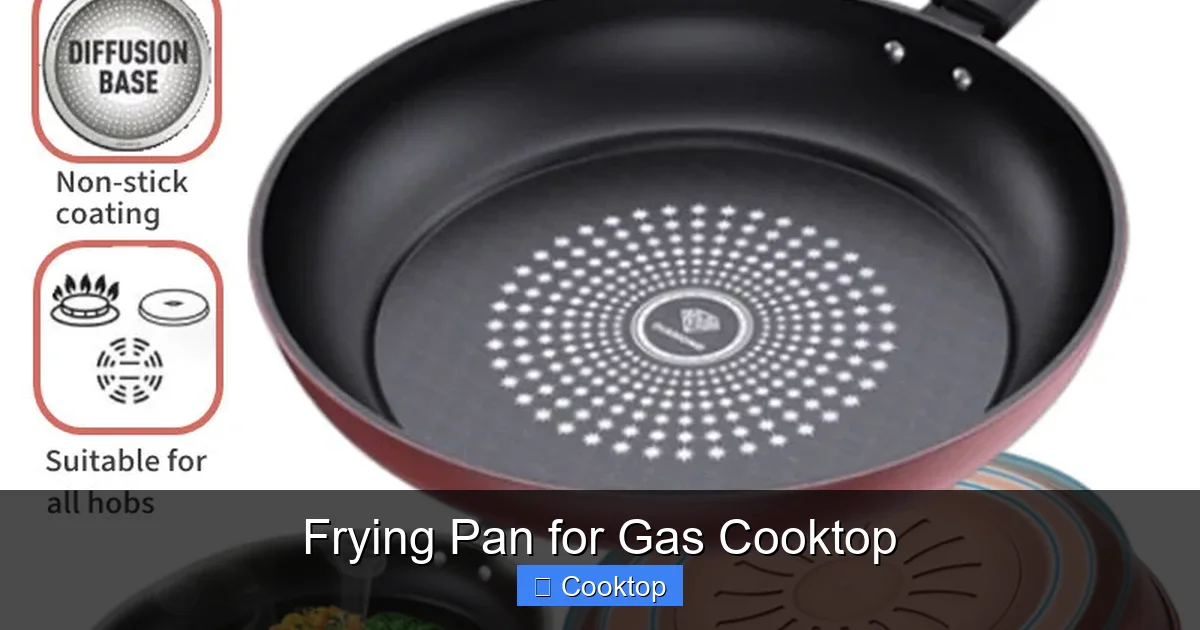
One common mistake is letting the flames lick up the sides of the pan. This can burn the food on the edges and damage your pan’s handle. Keep the flame centered under the base of the pan. If the fire is too intense, you can use a flame tamer to spread the heat more evenly.
Using the Right Fats
The oil you use depends on the heat. For high-heat searing in cast iron, use oils with a high smoke point, like avocado or canola oil. For low-heat cooking in a non-stick pan, butter or olive oil works great. Remember, the fat acts as a bridge between the heat of the gas flame and your food.
Maintaining Your Frying Pan for Gas Cooktop Use
A good pan can last a lifetime if you treat it right. Here is how to keep your cookware in top shape.
Cleaning Stainless Steel and Cast Iron
For stainless steel, a bit of baking soda and vinegar can remove burnt-on food. For cast iron, avoid soap if possible. Instead, scrub it with a stiff brush and hot water, then dry it immediately. Always rub a thin layer of oil on cast iron before storing it to prevent rust.
Preserving Non-Stick Coatings
Avoid metal utensils in non-stick pans. Use silicone or wooden spatulas to avoid scratching the surface. Also, avoid “thermal shock.” This happens when you put a screaming hot pan under cold water. This can warp the metal and ruin the non-stick layer. Let the pan cool down naturally before washing.
Checking for Warping
Every few months, place your pan on a flat surface. If it wobbles, the bottom may have warped due to extreme heat. This is common with cheap aluminum pans. To prevent this, always heat your pans gradually rather than blasting them with high heat immediately.
Common Mistakes to Avoid
Even experienced cooks make mistakes. Here are the most common pitfalls when using a frying pan for gas cooktop setups.
- Using High Heat for Non-Stick: As mentioned, this ruins the coating and can be dangerous. Stick to medium heat.
- Overcrowding the Pan: If you put too much meat in the pan, the temperature drops. You’ll end up with grey, boiled meat instead of brown, crispy meat.
- Ignoring the Handle: Always check if your handle is “oven-safe.” If you plan to move a dish from the stove to the oven, make sure the handle won’t melt at 400°F.
- Using the Wrong Lid: Using a lid that is too small allows steam to escape, which can slow down cooking. Make sure your lid fits snugly to maintain a consistent temperature.
Conclusion
Choosing the right frying pan for gas cooktop use doesn’t have to be stressful. It all comes down to what you plan to cook. If you love high-heat searing and longevity, go with cast iron or carbon steel. If you want versatility and elegance, stainless steel is the way to go. And for those easy, stress-free breakfasts, a quality non-stick pan is essential.
By understanding how gas heat works and choosing materials that can handle the flame, you can unlock the full potential of your kitchen. Remember to preheat your pans, manage your flame, and clean your cookware with care. With the right tools, every meal becomes an opportunity to create something delicious.
Whether you are a beginner or a seasoned home chef, the right pan makes all the difference. Take your time, invest in quality, and enjoy the sizzle of your gas stove!
Frequently Asked Questions
Can I use any frying pan on a gas stove?
Most frying pans work on gas, but some materials are better than others. Avoid pans with plastic handles that aren’t heat-resistant, as the open flame can melt them.
Why is my food burning in some spots but not others?
This is caused by “hot spots.” It usually happens with thin-bottomed pans. Switching to a heavy-bottomed or tri-ply pan helps distribute the gas heat more evenly.
Is cast iron better than stainless steel for gas stoves?
It depends on the dish. Cast iron is better for searing and heat retention, while stainless steel is better for acidic foods and making pan sauces.
How do I stop my non-stick pan from peeling on a gas stove?
Avoid using the “high” heat setting and never use metal utensils. Low to medium heat is the safest way to preserve the coating on a gas cooktop.
Do I need a lid for my frying pan?
A lid is very helpful for trapping heat and moisture. It is essential for simmering or cooking thicker cuts of meat that need to cook through without burning the outside.
How often should I season my carbon steel or cast iron pan?
You should apply a light layer of oil after every use. A full re-seasoning is only necessary if the surface starts to look dull or if food begins to stick.