Portable 2 Burner Induction Cooktop
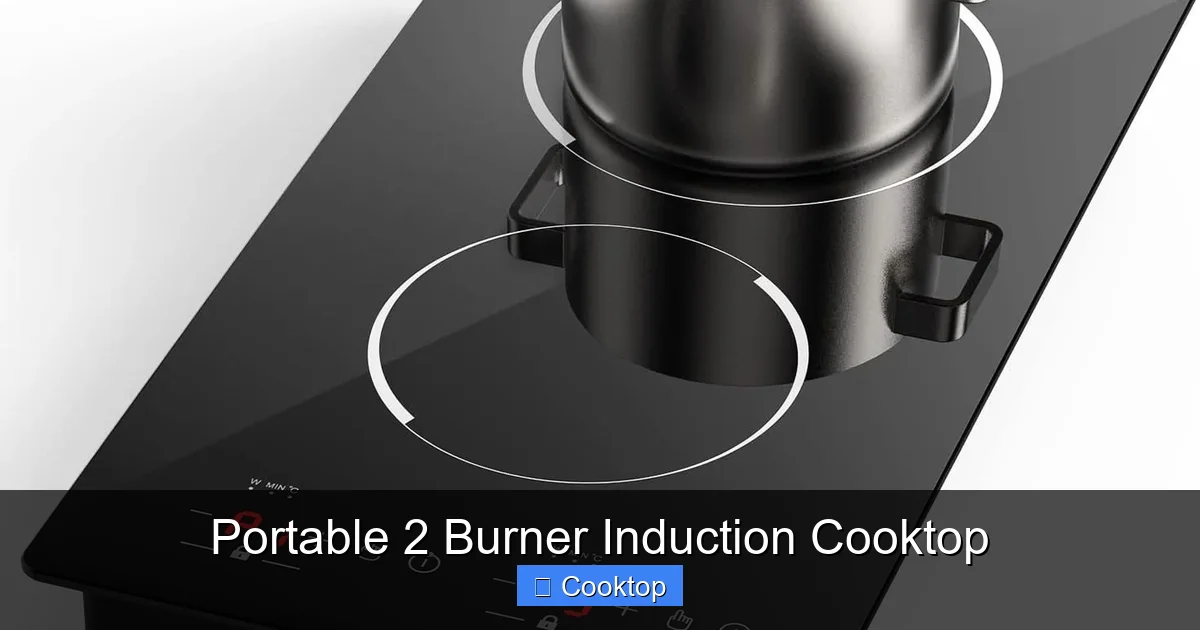
The Portable 2 Burner Induction Cooktop offers rapid heating, precise temperature control, and energy‑saving performance in a compact, travel‑friendly design. Ideal for small kitchens, dorms, RVs, or outdoor cooking, it works with induction‑ready cookware and delivers restaurant‑quality results without the bulk of a traditional stove.
Key Takeaways
- Speed and Efficiency: Induction technology heats pans directly, cutting cooking time by up to 50% compared to gas or electric coils.
- Portability: Lightweight build and plug‑in operation let you move the cooktop from countertop to campsite with ease.
- Safety Features: Auto‑shutoff, child lock, and cool‑to‑touch surface reduce burn risks and prevent overheating.
- Precise Control: Touch‑panel controls offer multiple power levels and timers for simmering, searing, or boiling.
- Easy Cleaning: Smooth glass surface wipes clean in seconds; no grates or burners to scrub.
- Cookware Compatibility: Works with any ferromagnetic pan – stainless steel, cast iron, or induction‑ready non‑stick.
- Energy Savings: Up to 90% of energy goes directly to the pan, lowering utility bills and reducing heat in the room.
📑 Table of Contents
- Introduction: Why a Portable 2 Burner Induction Cooktop Makes Sense
- How Induction Cooking Works
- Key Features to Look For
- Setting Up Your Portable 2 Burner Induction Cooktop
- Cookware Compatibility: What Works Best
- Practical Cooking Tips and Techniques
- Maintenance and Care
- Who Benefits Most From a Portable 2 Burner Induction Cooktop?
- Conclusion: Is a Portable 2 Burner Induction Cooktop Right for You?
Introduction: Why a Portable 2 Burner Induction Cooktop Makes Sense
If you’ve ever wished you could cook a stir‑fry in a dorm room, whip up pancakes at a campsite, or add an extra burner to a cramped apartment kitchen, a portable 2 burner induction cooktop is the answer. Unlike bulky ranges, these units sit on any flat surface, plug into a standard outlet, and deliver instant, controllable heat. Because they use electromagnetic fields to heat the pan directly, the cooktop stays cool while your food sizzles.
Modern models pack a surprising amount of power into a slim footprint. Most offer 1200‑1800 watts per burner, with boost functions that can bring water to a boil in under two minutes. Safety is built in: sensors detect when a pan is removed and shut off the heat automatically. Plus, the smooth ceramic glass top is a breeze to wipe down after meals.
In this guide we’ll walk through everything you need to know before buying, how to get the most out of your cooktop, and practical tips for everyday use. Whether you’re a student, a tiny‑home dweller, or an avid camper, you’ll see why this appliance deserves a spot in your kitchen arsenal.
How Induction Cooking Works
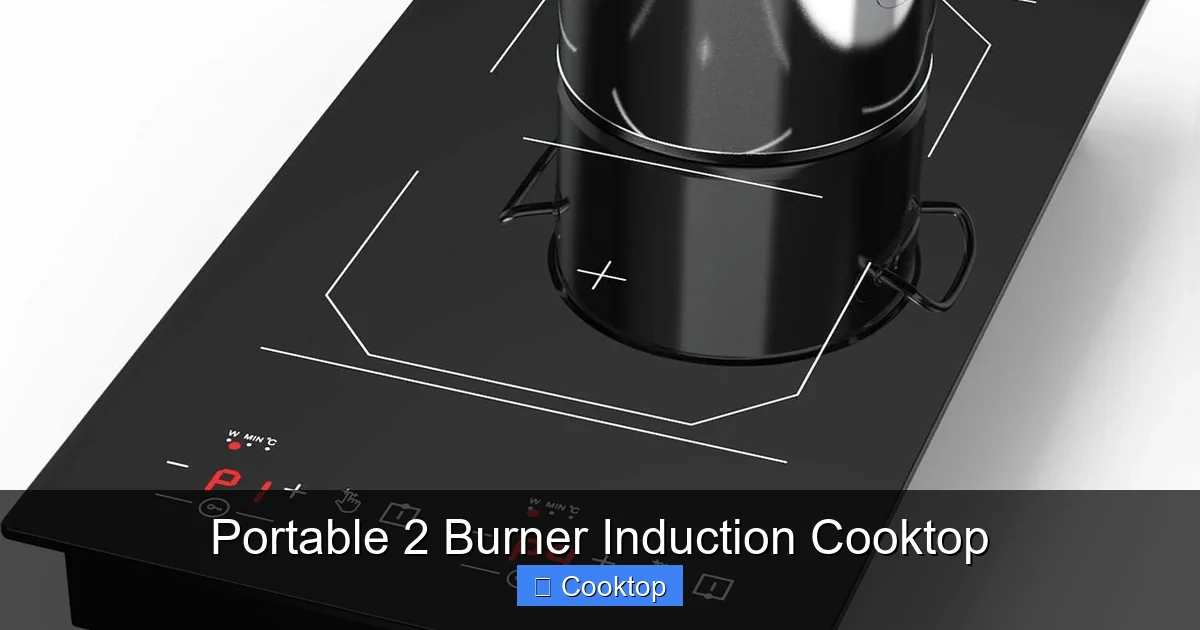
Induction cooking relies on magnetism rather than flame or heated coils. Beneath the glass surface lies a copper coil. When electricity flows through it, an alternating magnetic field is generated. If you place a ferromagnetic pot or pan on the surface, the field induces tiny electric currents inside the metal. Those currents generate heat directly in the cookware.
Visual guide about Portable 2 Burner Induction Cooktop
Image source: m.media-amazon.com
Because the heat originates in the pan, the glass top only gets warm from residual heat transfer. This means:
- Faster temperature changes – you can go from a simmer to a rolling boil in seconds.
- Less wasted energy – up to 90% of the electricity goes into the pan.
- A cooler kitchen – the cooktop itself doesn’t radiate much heat.
It’s important to note that not all pans work. The bottom must contain iron or a magnetic stainless layer. A simple test: stick a magnet to the base; if it clings, the pan is induction‑compatible.
Key Features to Look For
Power and Wattage
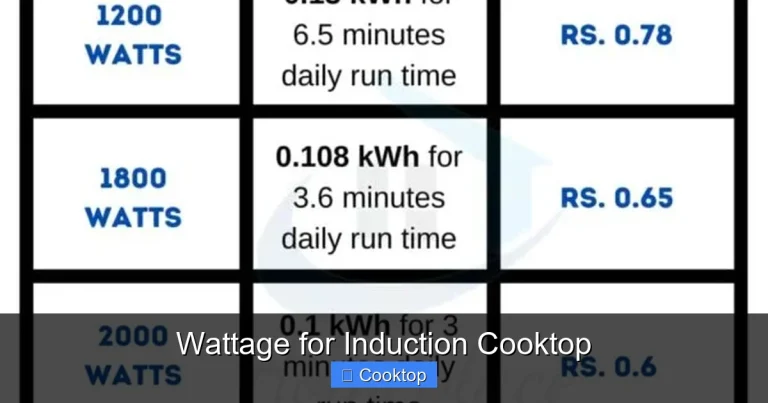
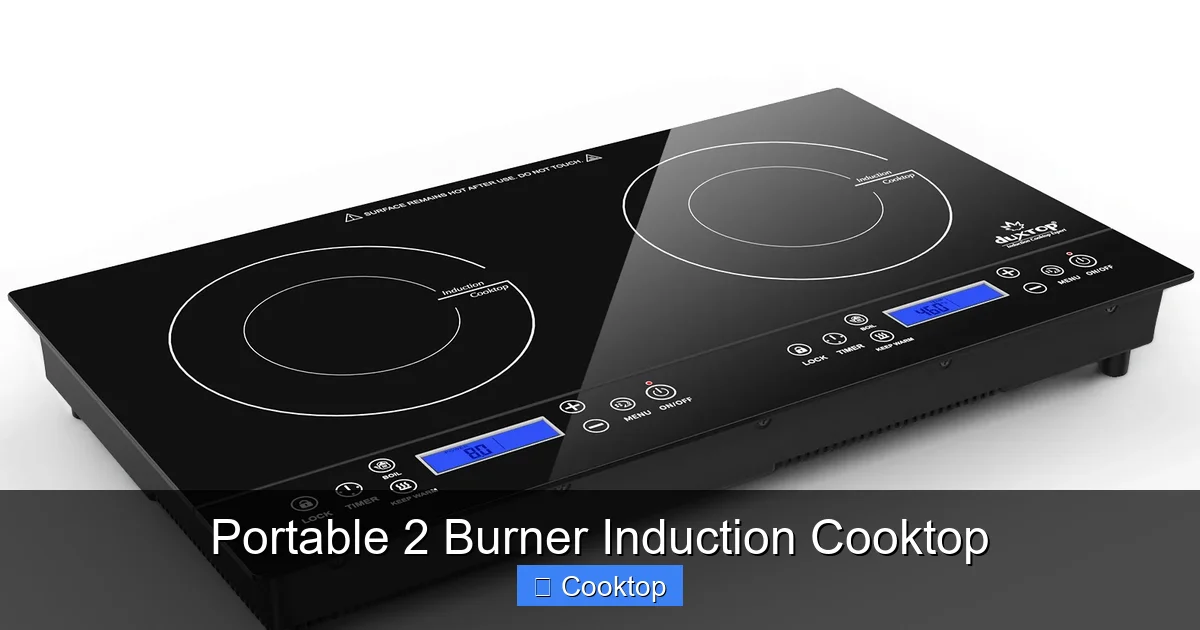
Most portable 2 burner units range from 1200 to 1800 watts per burner. Higher wattage means quicker boiling and better searing power. If you plan to cook large pots or use a wok, look for at least 1500 watts per zone. Some models include a “boost” mode that temporarily pushes power to 2000 watts for rapid heating.
Visual guide about Portable 2 Burner Induction Cooktop
Image source: thesecura.com
Control Interface
Touch‑panel controls are standard. Look for:
- Clear LED display showing power level or temperature.
- Separate controls for each burner so you can run different tasks simultaneously.
- Preset functions like melt, simmer, boil, and keep‑warm.
- A timer that can be set per burner or for the whole unit.
Safety Mechanisms
Safety is a major selling point. Essential features include:
- Auto‑shutoff when no pan is detected after a few seconds.
- Overheat protection that reduces power if the internal temperature climbs too high.
- Child lock to prevent accidental changes.
- Cool‑to‑touch indicators that warn when the surface is still warm.
Portability and Build
Check the weight and dimensions. A unit under 10 pounds with a slim profile (around 12 inches deep) is easy to store in a cabinet or carry in a car. Look for a sturdy handle or built‑in grips. The power cord should be at least 4‑5 feet long to reach outlets without strain.
Warranty and Support
A solid warranty (1‑2 years) shows the manufacturer’s confidence. Look for brands that offer responsive customer service and easy access to replacement parts.
Setting Up Your Portable 2 Burner Induction Cooktop
Getting started is straightforward, but a few steps ensure optimal performance and longevity.
Visual guide about Portable 2 Burner Induction Cooktop
Image source: magneticcooky.com
1. Choose the Right Spot
Place the cooktop on a flat, heat‑resistant surface. Avoid placing it directly over a wooden countertop without a protective mat, as prolonged heat can cause discoloration. A silicone trivet or a small cutting board works well.
2. Plug In and Power On
Connect the unit to a grounded outlet. Most models draw between 1200‑1800 watts, so avoid sharing the circuit with high‑draw appliances like microwaves or space heaters. If the circuit trips, move the cooktop to a different outlet or reduce the load on that circuit.
3. Test the Burners
Before cooking, run a quick test:
- Turn on one burner to a low setting.
- Place a small induction‑ready pan (like a stainless steel saucepan) on the zone.
- You should hear a faint hum and see the pan warm up within seconds.
- If nothing happens, check that the pan is magnetic and properly centered.
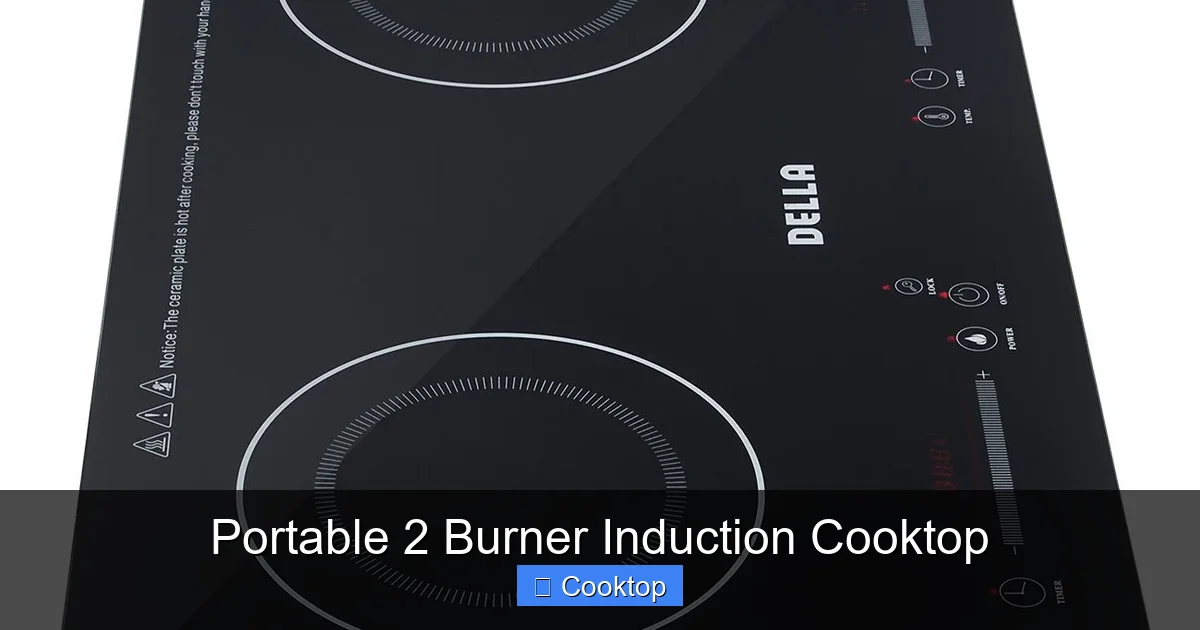
4. Adjust Settings
Use the touch panel to select power level or temperature. Many cooks prefer to think in terms of power (1‑9) rather than exact degrees, as induction responds instantly. For simmering, start at level 2‑3; for searing steak, jump to level 8‑9 with boost if needed.
Cookware Compatibility: What Works Best
Induction only works with ferromagnetic materials. Here’s a quick rundown:
- Cast Iron: Excellent heat retention, perfect for searing and slow cooking.
- Magnetic Stainless Steel: Durable, non‑reactive, and works well for sauces.
- Enamel‑Coated Cast Iron: Provides the benefits of cast iron with a smooth, easy‑clean surface.
- Induction‑Ready Non‑Stick: Look for a base labeled “induction compatible”; otherwise the non‑stick coating won’t heat.
- Carbon Steel: Lightweight alternative to cast iron, great for stir‑fries.
Avoid aluminum, copper, glass, or ceramic pans unless they have a magnetic layer bonded to the bottom. If you already own a favorite pan, simply test it with a magnet.
For those looking to expand their collection, consider checking out our guide on the Best Pots And Pans Set For Induction Cooktop. It highlights sets that include a variety of sizes and materials, all verified to work with induction.
Practical Cooking Tips and Techniques
Boiling Water Fast
Place a lid on the pot to trap steam. With boost mode, a liter of water can reach a rolling boil in about 90 seconds—ideal for pasta, blanching vegetables, or making tea.
Searing Meat
Preheat the pan on medium‑high for about a minute. Add a thin layer of oil with a high smoke point (like grapeseed or avocado). Lay the steak down; you’ll hear a satisfying sizzle. Because the pan responds instantly, you can adjust the heat mid‑sear without waiting for the burner to catch up.
Simmering Sauces
Reduce the power to low (level 2‑3) and keep the lid slightly ajar. Induction’s precise control prevents scorching, so you can walk away for a few minutes while the sauce thickens.
Stir‑Frying in a Wok
Use a flat‑bottomed wok made of carbon steel or cast iron. Heat the wok on high, add oil, then toss in aromatics. The rapid heat response lets you achieve that coveted “wok hei” flavor without overheating the kitchen.
Melting Chocolate or Butter
Set the burner to low (level 1‑2) and use a small saucepan. Stir constantly; the even heat prevents burning and gives a silky texture.
Maintenance and Care
One of the biggest advantages of induction cooktops is how easy they are to clean.
Daily Cleaning
- Let the surface cool completely.
- Wipe with a damp microfiber cloth.
- For stubborn spots, use a few drops of dish soap or a specialized glass‑cooktop cleaner.
- Avoid abrasive pads; they can scratch the glass.
Deep Cleaning
Once a month, spray a cooktop‑safe cleaner, let it sit for a few minutes, then wipe with a soft cloth. For burnt‑on residue, a plastic scraper (the kind used for ceramic cooktops) works well—never use metal.
Preventing Damage
- Never slide heavy pots across the surface; lift them instead.
- Do not use the cooktop as a cutting board.
- Keep the vents (if any) clear of dust to ensure proper cooling.
Who Benefits Most From a Portable 2 Burner Induction Cooktop?
The versatility of this appliance makes it a fit for many lifestyles:
- College Students: Small dorm rooms often prohibit open flames; induction offers a safe, compact way to cook meals.
- RV and Camping Enthusiasts: Runs off a standard 120V outlet (or a generator) and provides reliable heat for breakfasts and dinners on the road.
- Tiny‑House Owners: Saves precious counter space while still giving two cooking zones.
- Home Chefs Needing an Extra Burner: Perfect for holiday prep when the main stove is overloaded.
- People with Mobility Issues: The cooktop can be placed at a comfortable height on a sturdy table, reducing the need to bend over a low range.
Conclusion: Is a Portable 2 Burner Induction Cooktop Right for You?
If you value speed, safety, and flexibility, a portable 2 burner induction cooktop checks all the boxes. It heats pans directly, so you waste less energy and keep your kitchen cooler. The sleek glass surface wipes clean in moments, and the built‑in safety features give peace of mind—especially in shared living spaces.
Before purchasing, consider your power needs, the types of cookware you already own, and where you’ll use the unit most. A model with at least 1500 watts per burner, touch controls, and a solid warranty will serve you well for years.
Ready to upgrade your cooking experience? Grab your favorite induction‑ready pan, plug in the cooktop, and discover how fast and enjoyable meal preparation can be.
Frequently Asked Questions
Can I use a portable 2 burner induction cooktop outdoors?
Yes, as long as you have access to a grounded electrical outlet or a generator that supplies the required voltage and wattage. Keep the unit protected from direct rain or splashes, and place it on a stable, heat‑resistant surface.
Do I need special cookware for induction?
You need pots and pans with a magnetic base—typically cast iron, magnetic stainless steel, or any pan labeled “induction compatible.” A simple magnet test will tell you if your existing cookware works.
How much electricity does a portable 2 burner induction cooktop consume?
Each burner usually draws between 1200 and 1800 watts. If you run both burners at high power simultaneously, the total draw can reach 3600 watts, so ensure your circuit can handle the load or use a dedicated outlet.
Is it safe to leave the cooktop unattended while cooking?
Most models include auto‑shutoff when no pan is detected and overheat protection, making them safer than traditional stoves. However, it’s still best to stay nearby when frying or broiling, just as you would with any cooking appliance.
Can I install a portable 2 burner induction cooktop permanently in my kitchen?
While designed for portability, many people use them as a semi‑permanent extra burner. Just ensure you have adequate ventilation and a nearby outlet. For a built‑in look, consider a drop‑in model, but the portable version offers flexibility to move whenever needed.
What should I do if the cooktop shows an error code?
Refer to the user manual for the specific meaning of the code. Common issues include using non‑induction cookware, overheating, or a voltage problem. Often, removing the pan, waiting a minute, and plugging the unit back in resolves the error.