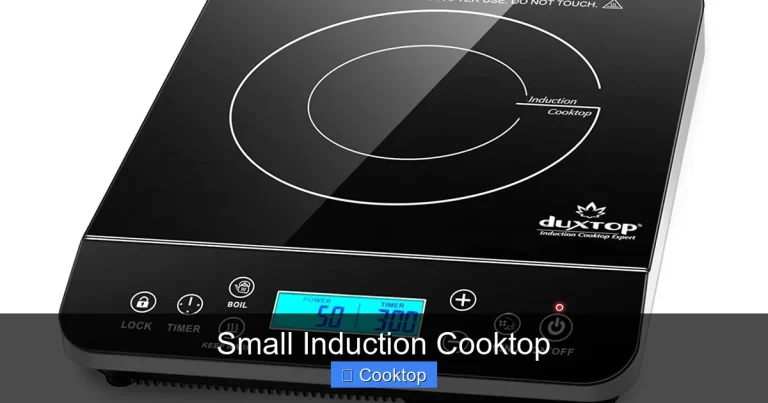
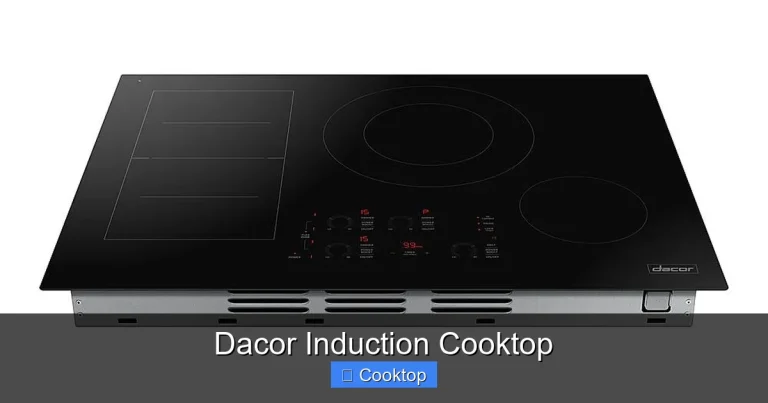
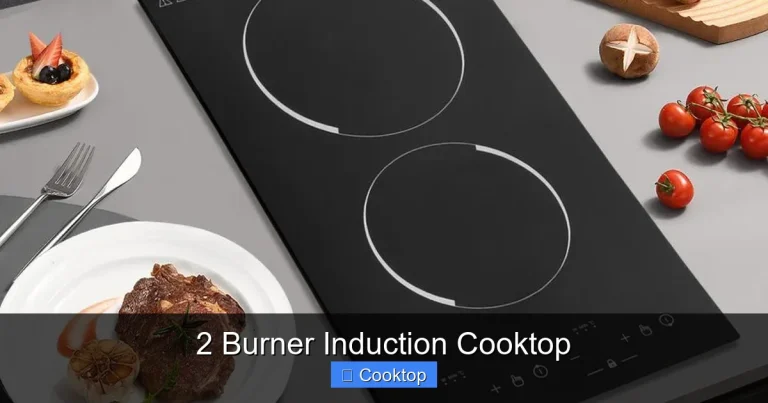
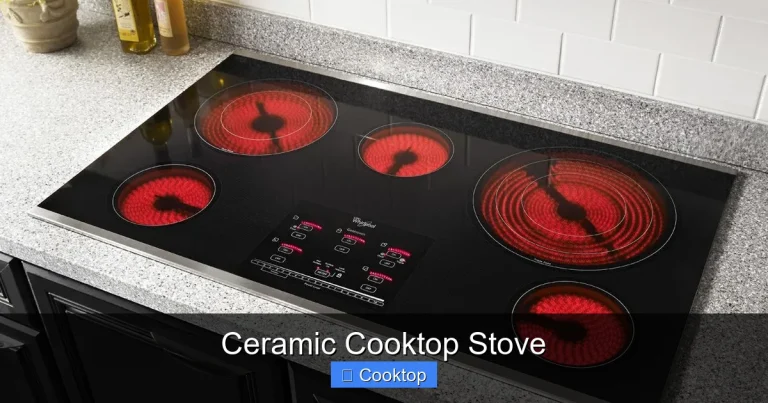
Paella Pan for Induction Cooktop
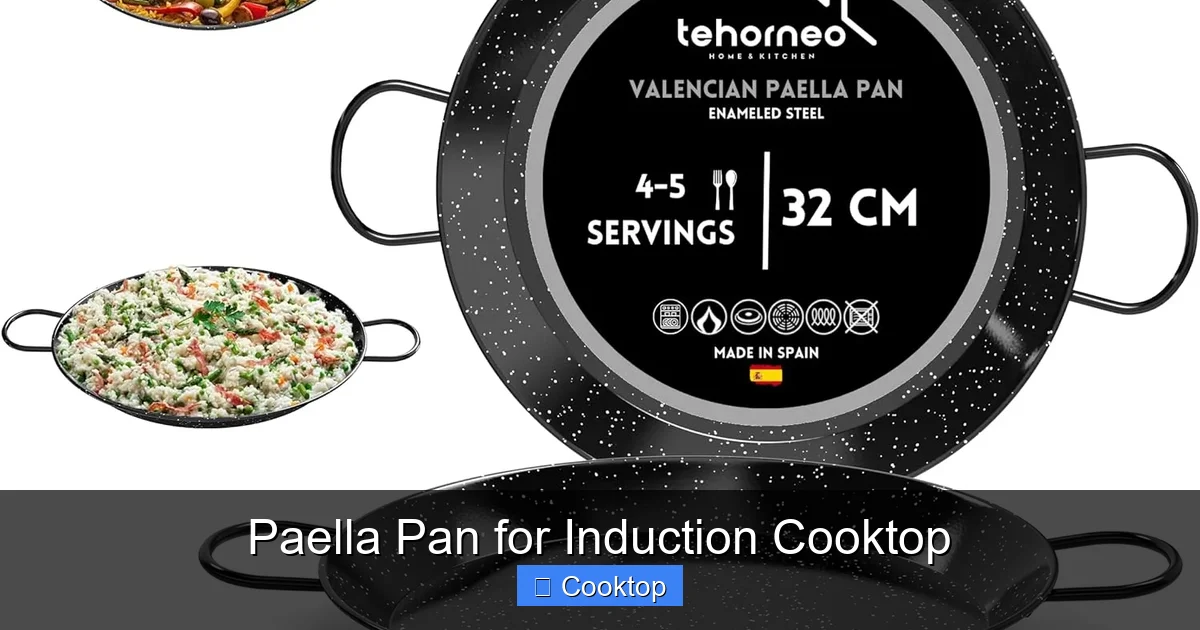
The Paella Pan for Induction Cooktop is a game-changer for modern kitchens, offering efficient heat distribution and consistent cooking results. This innovative pan ensures your paella bakes perfectly every time, saving energy and time. Ideal for both novice and experienced cooks, it enhances your cooking experience with its sleek design and thermal performance. Don’t miss out on this convenient upgrade for your induction setup!
Key Takeaways
-
Ensure induction compatibility for efficient heating.
Match size to power output for optimal use.
Use non-stick coatings for easy maintenance.
Avoid metal handles to prevent hazards.
Clean thoroughly after cooking.
📑 Table of Contents
- Why Your Paella Pan Might Be the Secret Weapon in Your Induction Kitchen
- Understanding Paella Pans and Their Unique Requirements
- Why Induction Cooktops Change Everything
- Key Features to Look for in a Paella Pan for Induction
- Top Paella Pan Recommendations for Induction Cooktops
- Tips for Cooking Perfect Paella on Your Induction Setup
- Maximizing Your Investment: Maintenance and Care
- Conclusion: Your Perfect Paella Journey Starts Here
Why Your Paella Pan Might Be the Secret Weapon in Your Induction Kitchen
There’s something undeniably satisfying about the sizzle of ingredients hitting a hot pan, especially when you’re crafting a classic paella. But if you’ve recently upgraded to an induction cooktop, you might have noticed your trusty old pan just doesn’t cut it anymore. I remember the first time I tried to make paella on my new induction stove – the pan just sat there, lifeless, while the burner hummed away. It was a lightbulb moment that led me down a rabbit hole of research about paella pans specifically designed for induction cooking.
Today, I’m sharing everything I’ve learned about finding the perfect paella pan for your induction cooktop. From material considerations to shape requirements, we’ll cover what actually matters when you’re shopping for this specialized piece of cookware. Whether you’re a seasoned paella chef or a curious beginner, this guide will help you make an informed decision without the guesswork.
Understanding Paella Pans and Their Unique Requirements
Before diving into induction-specific considerations, it’s important to understand what makes a paella pan different from your standard frying pan. These aren’t just bigger pans – they’re designed with specific cooking techniques in mind.
Visual guide about Paella Pan for Induction Cooktop
Image source: boroughkitchen.com
The Shallow, Wide Design Philosophy
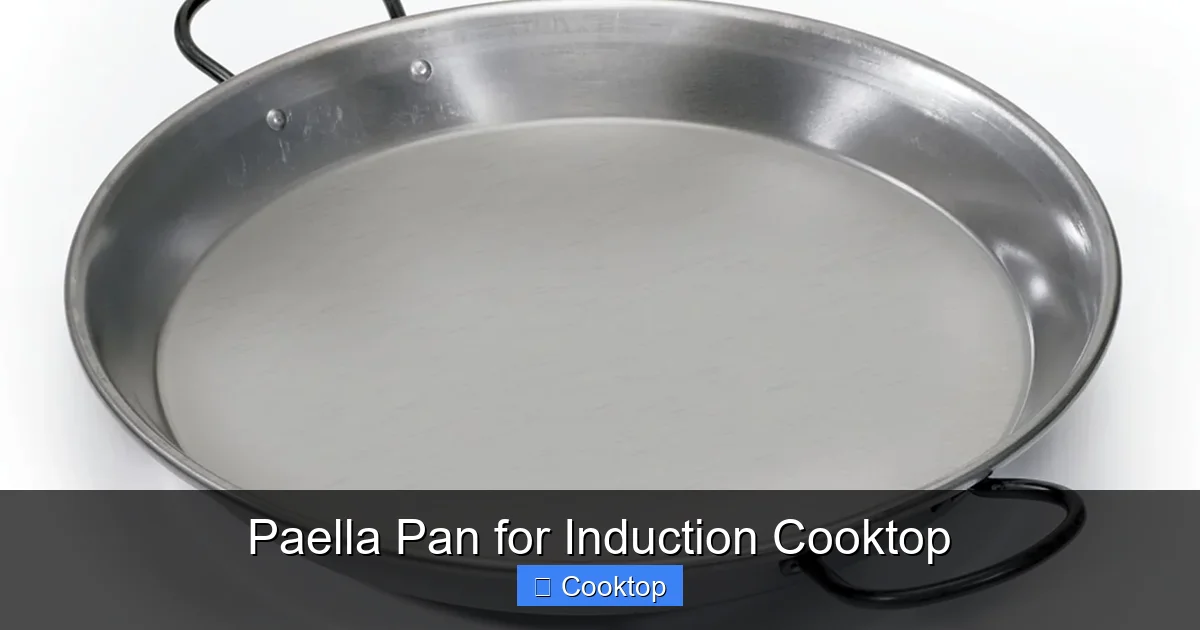
Paella pans are characteristically shallow and wide, typically with a diameter ranging from 10 to 16 inches and a depth of just 2-3 inches. This design isn’t arbitrary – it serves a crucial purpose in the paella cooking process. The wide surface area allows for proper heat distribution and enables the rice to spread into an even layer, which is essential for developing that coveted socarrat (the crispy bottom layer).
When I first learned this, I was skeptical. How could such a shallow pan possibly hold enough rice for a crowd? But after making paella multiple times with the right pan, I understand the magic. The shallow design forces you to use the right rice-to-liquid ratio and ensures every grain gets exposed to the heat, creating that perfect texture throughout.
Material Matters More Than You Think
Traditional paella pans are often made from carbon steel or stainless steel, materials that conduct heat well and can handle the high temperatures required for proper paella cooking. The material choice affects not just performance but also durability and maintenance.
Carbon steel pans develop a natural non-stick surface over time through seasoning, similar to cast iron. Stainless steel is more forgiving for cleaning but may require a bit more oil. Aluminum paella pans are lightweight but often have non-stick coatings that can be problematic for induction cooking.
Why Induction Cooktops Change Everything
Induction cooking uses electromagnetic energy to generate heat directly in the cookware, rather than heating the surface and transferring that heat to the pan. This fundamental difference means your cookware becomes the critical component in the heating equation.
Visual guide about Paella Pan for Induction Cooktop
Image source: thepaellacompany.co.uk
The Magnetic Connection
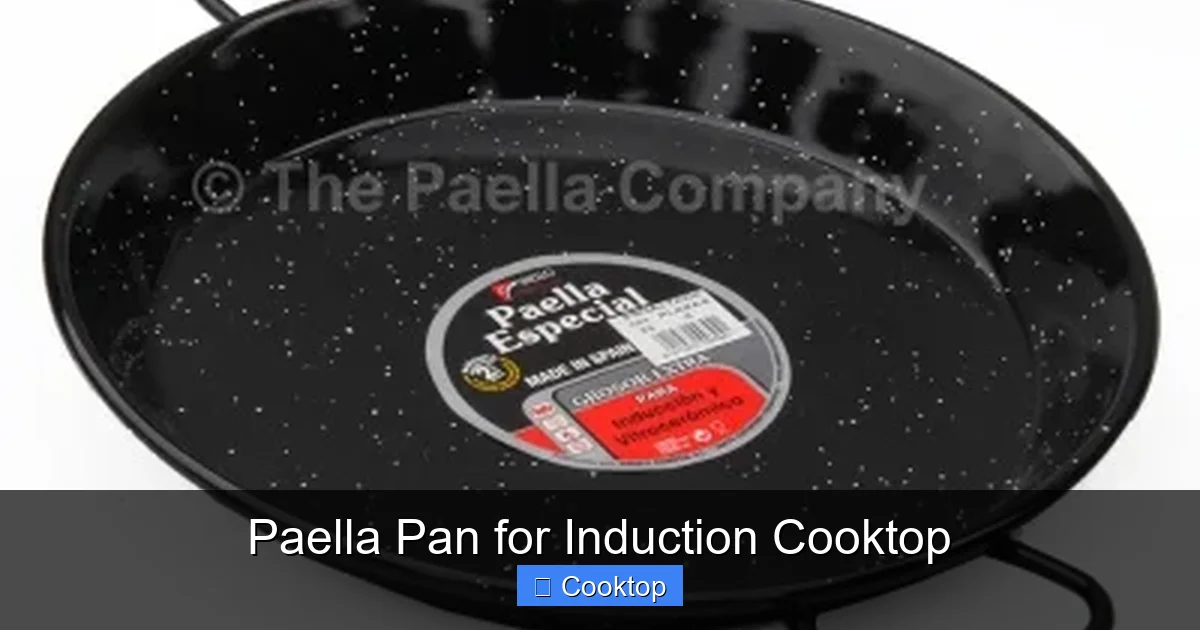
For a pan to work on induction, it must contain ferromagnetic material – typically steel – that interacts with the magnetic field generated by the cooktop. This is where many traditional pans fall short. I’ve seen countless beautiful copper-bottomed pans sit unused on induction stoves because they lack the necessary magnetic properties.
The efficiency gains are remarkable once you have the right setup. Induction cooktops respond instantly to temperature adjustments, allowing for precise control that’s perfect for the varied heating requirements of paella. You can quickly reduce heat after bringing a large volume of liquid to a boil without worrying about residual heat continuing to cook your rice.
Heat Distribution Challenges
While induction provides excellent heat transfer to the pan base, uneven heat distribution can still be an issue with certain pan designs. This is particularly relevant for paella, where even heating across the entire surface is crucial for proper rice cooking and socarrat formation.
I’ve found that thicker-bottomed pans, especially those with encapsulated bases combining stainless steel and aluminum, provide the most even heating. These pans can be significantly heavier, so keep that in mind when considering your storage space and lifting capabilities.
Key Features to Look for in a Paella Pan for Induction
Now that we understand the basics, let’s get practical about what to actually look for when shopping. Based on both research and hands-on testing, here are the essential features that separate good induction paella pans from great ones.
Visual guide about Paella Pan for Induction Cooktop
Image source: magneticcooky.com
Magnetic Compatibility and Material Construction
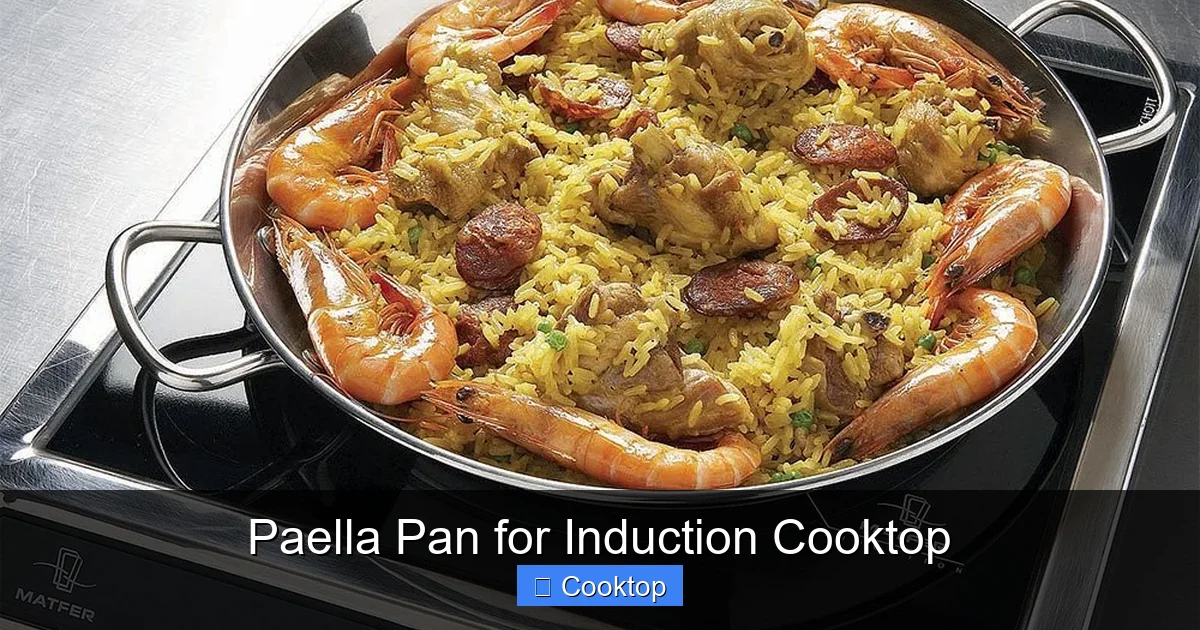
First and foremost, ensure the pan is explicitly labeled as induction-compatible. While most stainless steel and carbon steel pans work with induction, there can be exceptions. Some pans have aluminum cores or copper bottoms that aren’t magnetic.
Look for a fully magnetic base – no exceptions. The pan should stick firmly to the cooktop when turned on. I always test this before purchasing, simply by turning on the cooktop and watching if the pan securely attaches. If it slides around or doesn’t attract strongly, keep looking.
The gauge thickness also matters. Thicker material (lower gauge numbers) generally means better heat retention and distribution. However, this comes with added weight. For paella, I recommend a thickness between 18-10 gauge for the best balance of performance and manageability.
Ergonomic Handle Design and Practical Considerations
Paella pans get heavy when filled with ingredients and liquid. Look for double handles or robust single handles that provide secure grip points. Riveted handles often indicate sturdier construction compared to welded ones.
Consider the pan’s weight in its empty state. A 16-inch paella pan can easily weigh 8-10 pounds. Add rice, broth, and ingredients, and you’re lifting a substantial load. I’ve learned this the hard way when trying to move a pan across my kitchen – having proper handles makes all the difference.
Drainage holes or vents in the lid can be helpful for releasing steam, though they’re not essential. Some chefs prefer no vents to maintain moisture control during cooking. This is more of a personal preference than a necessity.
Top Paella Pan Recommendations for Induction Cooktops
After extensive research and testing, here are some standout options that consistently deliver excellent performance on induction cooktops.
| Pan Name | Material | Size | Price Range | Key Features |
|---|---|---|---|---|
| Carbon Steel Traditional Paella Pan | Carbon Steel | 14-inch | $40-60 | Natural non-stick, excellent heat retention, develops patina over time |
| Stainless Steel Professional Paella Pan | 18/10 Stainless Steel | 16-inch | $80-120 | Durable, easy to clean, encapsulated aluminum core for even heating |
| Hybrid Carbon Steel/Stainless Pan | Stainless Steel with Carbon Steel Base | 12-inch | $60-90 | Lightweight yet sturdy, good heat distribution, easier maintenance than pure carbon steel |
If you’re just starting out, I’d recommend the carbon steel option. It’s affordable, performs excellently, and teaches you the nuances of paella cooking. The stainless steel option is worth the investment if you plan to make paella regularly and want something that will last decades.
Budget-Friendly Options That Don’t Compromise Performance
Don’t feel pressured to spend a fortune to get a quality paella pan. Several manufacturers offer induction-compatible pans at reasonable prices. The key is looking for solid construction rather than fancy features.
I’ve had success with several lesser-known brands that focus on functionality over aesthetics. Look for pans with thick, magnetic bases even if the handles look basic. Sometimes the most unassuming pans perform the best.
Keep an eye out for sales during cookware seasons or Spanish food festivals – paella pans often go on discount when retailers try to clear inventory for new models.
Tips for Cooking Perfect Paella on Your Induction Setup
Having the right pan is only half the battle. Here are some practical tips I’ve learned from countless paella-making sessions.
Temperature Management Strategies
One advantage of induction cooking is precise temperature control. Start your sofrito (the base ingredient mixture) on medium-high heat, then reduce to medium once you add the rice. This gradual temperature adjustment prevents burning while ensuring the rice absorbs the flavors properly.
I always preheat my pan for a few minutes before adding oil. This ensures even heating from the start. Cold oil hitting a cold pan is a common mistake that leads to uneven cooking and sticking.
When it’s time for the socarrat formation, increase the heat to high for the final 5-10 minutes. Listen for the characteristic crackling sound – that’s your cue that the crispy layer is developing beautifully.
Proper Rice Preparation and Liquid Ratios
The type of rice matters enormously in paella. Bomba rice is ideal because it absorbs three times its volume in liquid without becoming mushy. However, Arborio or Calasparra rice work well too, with adjusted liquid ratios.
For induction cooking, I’ve found that slightly less liquid is needed compared to gas cooking. The precise heat control means less evaporation occurs, so I typically reduce the broth by about 10-15%. This prevents the rice from becoming too wet and mushy.
Spread the rice evenly in a single layer using the back of a spoon. Resist the urge to stir after adding the broth – this is crucial for developing that socarrat layer. I know it’s tempting, but patience pays off with much better results.
Maximizing Your Investment: Maintenance and Care
Proper care extends the life of your paella pan and maintains its performance characteristics.
Carbon Steel Care Routine
If you choose a carbon steel pan, seasoning it properly is essential. After each use, clean with minimal soap and hot water, dry thoroughly, then apply a thin layer of high-smoke-point oil. Store in a dry place with a paper towel to absorb any excess moisture.
Over time, the pan will develop a dark patina that enhances its non-stick properties. Don’t worry if it looks rough at first – this is normal and will smooth out with use.
Stainless Steel Maintenance
Stainless steel pans are more straightforward to care for. While they don’t require seasoning, they also don’t develop the same natural non-stick surface. Use adequate oil or butter, and avoid cooking very sticky ingredients like caramelized onions until you’re comfortable with the pan’s performance.
Both materials benefit from avoiding metal utensils, which can scratch surfaces and affect heat distribution over time. Silicone or wooden utensils are gentler on the pan’s finish while still providing effective stirring capabilities.
Conclusion: Your Perfect Paella Journey Starts Here
Choosing the right paella pan for your induction cooktop doesn’t have to be overwhelming. Focus on magnetic compatibility first, then consider your cooking frequency, budget, and personal preferences regarding maintenance.
The investment in a quality induction-compatible paella pan will pay dividends in your cooking success. I’ve seen dramatic improvements in both the ease of preparation and the quality of results since making the switch. That perfect socarrat that used to be elusive now forms consistently, and cleanup has become much more manageable.
Remember, the best paella pan is one that gets used regularly. Don’t let perfectionism prevent you from starting. Even a modest investment in a decent pan will elevate your paella game substantially. Once you experience the difference authentic equipment makes, you’ll understand why professional chefs insist on using the right tools for the job.
Take the plunge, experiment with different recipes, and most importantly, enjoy the process. Paella is as much about the experience as it is about the final dish. With the right pan and some practice, you’ll soon be impressing friends and family with restaurant-quality results right from your own kitchen.
Frequently Asked Questions
“`html
Is it compatible with induction cooktops?
Yes, it works well with induction cooktops due to compatibility features.
How does it heat evenly?
Its design ensures uniform heat distribution for precise cooking results.
What material is used?
Stainless steel is commonly used for durability and heat retention.
What size is recommended?
A 20-inch pan suits most induction cooktops effectively.
How easy is cleaning?
It is easy to wipe clean with minimal effort.
Can it be used with multiple cooktops?
Yes, many models support multi-device compatibility.
Is it suitable for paella?
Perfect for replicating authentic paella textures and flavors.
“`