Induction Cooktop Cover
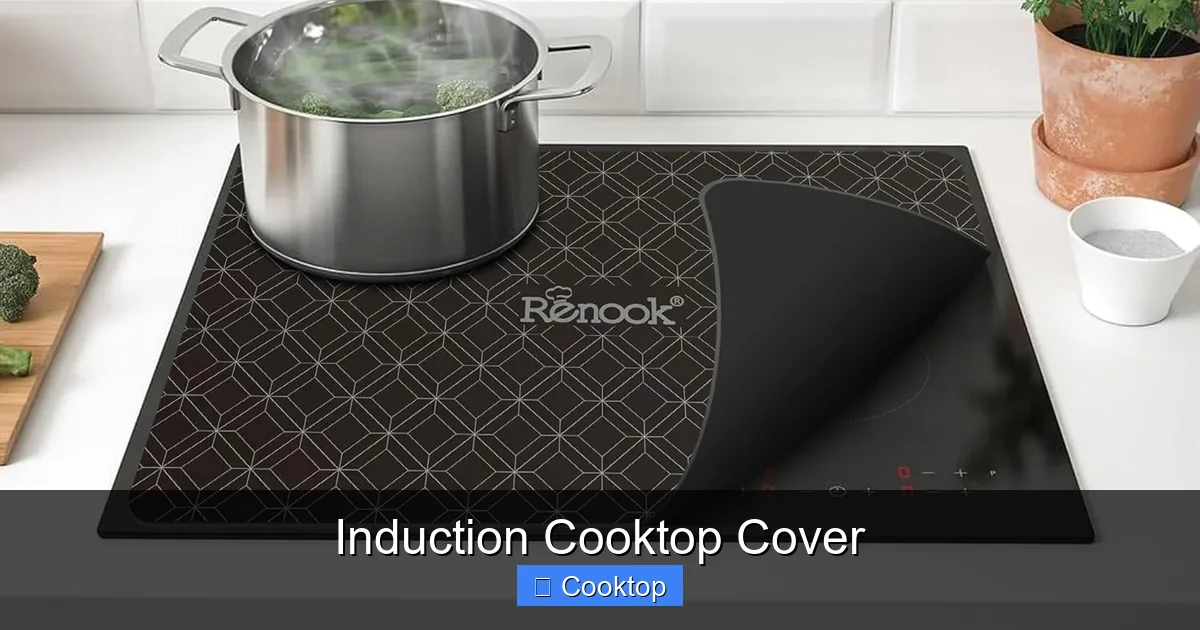
An induction cooktop cover shields your surface from spills, scratches, and heat damage while preserving cooking performance. Choose the right cover, install it correctly, and enjoy a longer‑lasting cooktop with minimal effort.
Key Takeaways
- Protection: A cover prevents scratches, stains, and accidental burns on your induction cooktop.
- Cleaning ease: With a cover you can wipe away spills before they set, making cleanup faster.
- Energy efficiency: Some covers add a thin insulating layer that helps retain heat for quicker cooking.
- Style: Covers come in sleek designs that match modern kitchen décor.
- Compatibility: Ensure the cover fits your specific cooktop model for a seamless look.
- Longevity: Proper use of a cover extends the life of your induction cooktop, saving you money.
📑 Table of Contents
- What Is an Induction Cooktop Cover?
- Why You Need a Cover for Your Induction Cooktop
- Types of Induction Cooktop Covers
- How to Choose the Right Cover
- Installing and Using Your Induction Cooktop Cover
- Maintenance Tips and Common Mistakes
- Where to Find Quality Covers
- Frequently Asked Questions
- Final Thoughts
What Is an Induction Cooktop Cover?
An induction cooktop cover is a thin, heat‑resistant sheet that sits on top of your cooking surface. It acts like a protective shield. The cover blocks spills, dust, and scratches while still allowing the magnetic field to work. You can remove it when you need to cook, then replace it when you are done. This simple addition can keep your cooktop looking new for years.
How It Works
Induction cooktops rely on magnetic energy to heat pots. The cover is made from materials that do not block magnetic fields. It is usually crafted from tempered glass or high‑grade silicone. These materials are transparent, so you can still see the cooking zones. When the cooktop is off, the cover protects the surface. When you turn it on, you simply slide the cover away.
Why You Need a Cover for Your Induction Cooktop
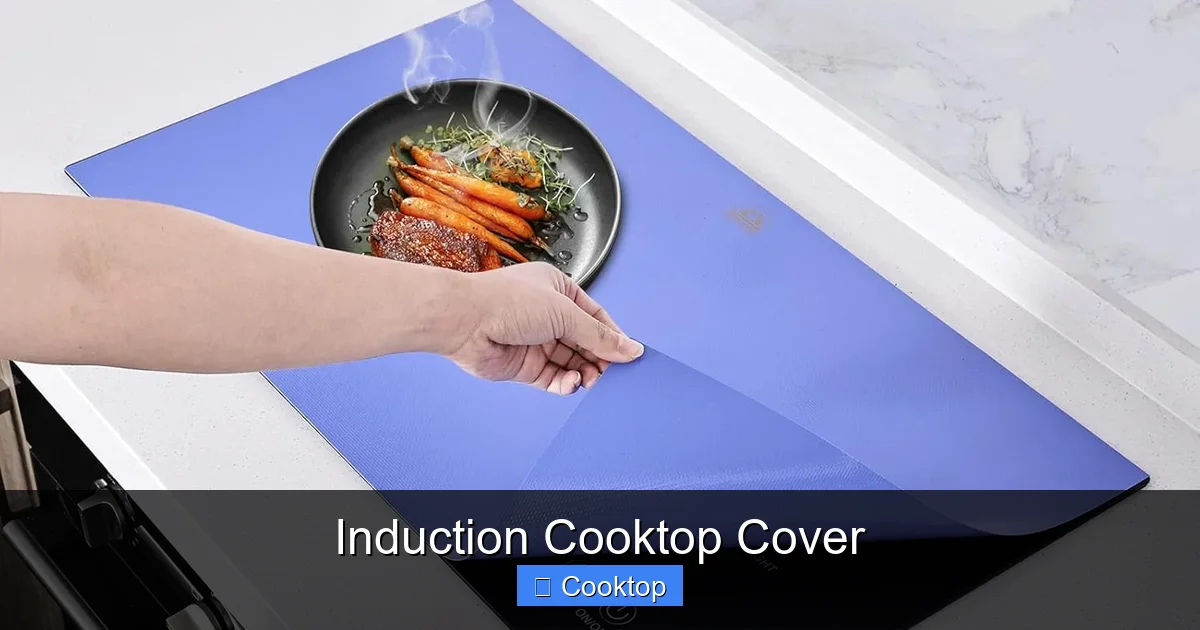
Cooking can be messy. Sauces, oils, and food particles often splash onto the cooktop. If left unattended, these spills can bake onto the glass, creating stubborn stains. A cover catches these spills before they set, making cleanup a breeze. It also protects against accidental scratches from utensils or heavy pots. Over time, scratches can affect the smooth surface and reduce heating efficiency. Using a cover helps maintain the sleek look and performance of your cooktop.
Visual guide about Induction Cooktop Cover
Image source: m.media-amazon.com
Real‑World Example
Imagine you are simmering a tomato sauce. A few drops escape the pot and land on the cooktop. Without a cover, those drops harden and require a special cleaner. With a cover, the drops stay on the surface and can be wiped away with a damp cloth. This saves time and keeps the glass spotless.
Types of Induction Cooktop Covers
There are several types of covers on the market. Each has its own strengths and weaknesses. Choose the one that fits your lifestyle and budget.
Visual guide about Induction Cooktop Cover
Image source: m.media-amazon.com
Glass Covers
Glass covers are the most common. They are rigid, transparent, and easy to clean. Many brands offer tempered glass that can withstand high temperatures. Glass covers often come with a non‑slip silicone edge to keep them in place.
Silicone Covers
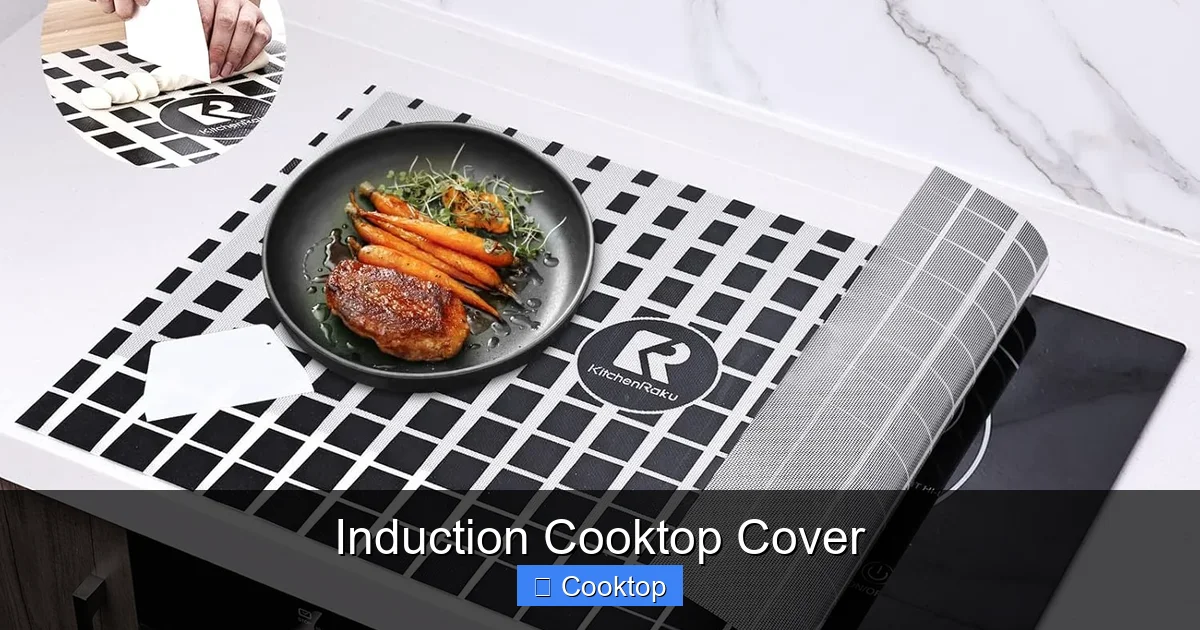
Silicone covers are flexible and can be rolled up for storage. They are lightweight and can be washed in the sink. Silicone is heat‑resistant up to 400°F, making it safe for most cooking tasks.
Hybrid Covers
Some covers combine glass and silicone. They have a glass top layer for durability and a silicone backing for extra grip. These hybrids are ideal for busy kitchens where spills are frequent.
How to Choose the Right Cover
Not all covers fit every cooktop. Here are the key factors to consider.
Visual guide about Induction Cooktop Cover
Image source: m.media-amazon.com
Size and Shape
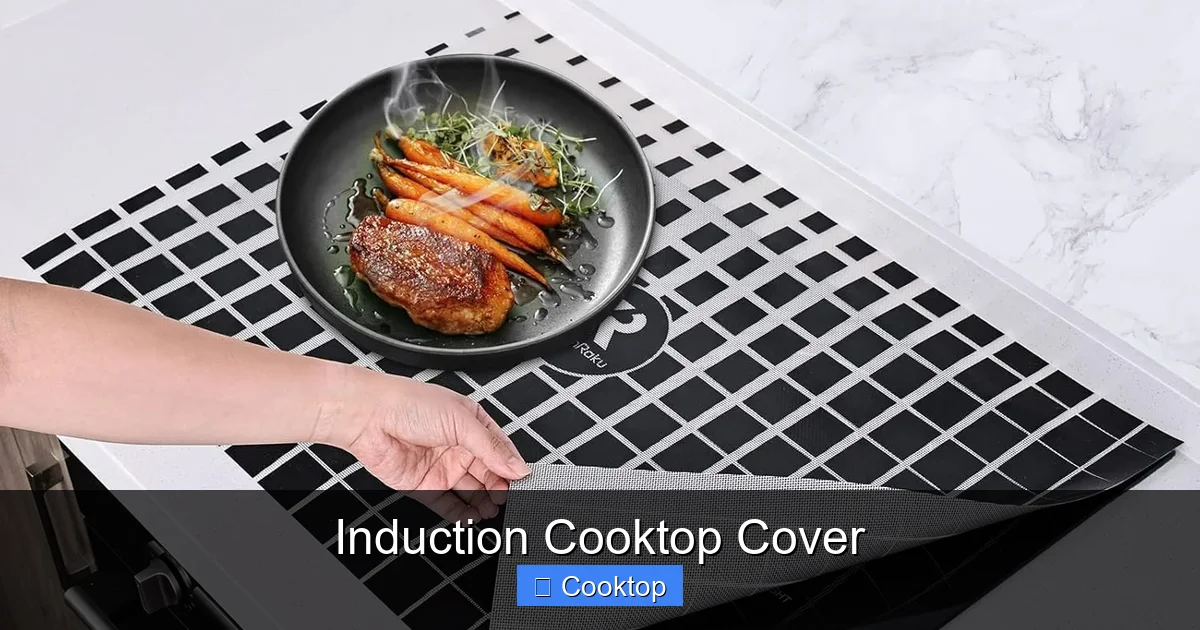
Measure the dimensions of your cooktop. Most covers are rectangular, but some are square or circular. Choose a cover that matches the outer edge of your cooking zones. A snug fit prevents gaps where spills can escape.
Material
Glass offers a premium look and scratch resistance. Silicone is flexible and easy to clean. Hybrid covers give the best of both worlds. Consider how often you will use the cover and how you plan to store it.
Heat Tolerance
Check the maximum temperature the cover can handle. Most glass covers tolerate up to 500°F, while silicone caps at around 400°F. If you frequently use high‑heat settings, choose a cover with a higher tolerance.
Non‑Slip Features
A cover that slides around is useless. Look for silicone edges or rubberized grips. These features keep the cover steady during cooking.
Installing and Using Your Induction Cooktop Cover
Installation is simple. Follow these steps for a perfect fit.
Step 1: Clean the Surface
Wipe the cooktop with a soft cloth and a mild cleaner. Remove any dust or residue that could prevent the cover from lying flat.
Step 2: Position the Cover
Place the cover gently on the cooktop. Align the edges with the outer rim of the cooking zones. If the cover has a silicone lip, press it lightly to create a seal.
Step 3: Secure the Edges
Some covers come with clips or magnetic strips. Attach them to the cooktop frame to keep the cover from shifting. If your cover lacks these features, a small piece of double‑sided tape can work.
Step 4: Use It Wisely
When you start cooking, slide the cover aside or lift it up. Keep it nearby for quick replacement after you finish. Never leave the cover on while the cooktop is heating, as this could trap heat and damage the cover.
Step 5: Remove and Store
After cooking, allow the cooktop to cool. Lift the cover off and store it flat in a dry place. Avoid stacking heavy objects on top, which could warp the material.
Maintenance Tips and Common Mistakes
Proper care extends the life of both your cooktop and its cover. Follow these simple tips.
Cleaning the Cover
Wash the cover with warm, soapy water after each use. For glass covers, use a non‑abrasive glass cleaner. Rinse thoroughly and dry with a soft towel.
Avoid Harsh Chemicals
Strong acids or abrasive pads can scratch glass or degrade silicone. Stick to mild detergents and soft sponges.
Check for Damage
Inspect the cover regularly for cracks, chips, or warping. A damaged cover should be replaced immediately to avoid exposing the cooktop.
Common Mistake: Using the Cover as a Cooking Surface
Never place pots directly on the cover while it is on the cooktop. The cover is not designed to handle the weight and heat of cookware. It is only a protective layer.
Common Mistake: Ignoring Compatibility
Using a cover that is too small can leave gaps. These gaps let spills seep underneath, defeating the purpose of the cover. Always double‑check dimensions before purchasing.
Where to Find Quality Covers
Many retailers sell induction cooktop covers, but not all are created equal. Look for reputable brands that offer warranties. Reading customer reviews can give you insight into real‑world performance. If you need help choosing, check out our guide on cookware for induction cooktop to see which accessories pair well with a cover.
Frequently Asked Questions
Can I use any cover on my induction cooktop?
Only covers made from magnetic‑transparent materials should be used. Glass, tempered glass, and certain silicones work best. Avoid metal or opaque covers.
Will a cover affect the cooking temperature?
Most covers have minimal impact on heat transfer. However, a thick silicone cover might slightly reduce efficiency. If you notice slower heating, switch to a thinner glass cover.
How often should I replace my cover?
Replace the cover if you see cracks, chips, or warping. Even minor damage can compromise protection. Most covers last several years with proper care.
Is a cover necessary for a small induction cooktop?
Yes. Even small surfaces can collect spills that harden over time. A cover helps keep the entire surface clean, regardless of size.
Can I use a cover with a built‑in extractor?
If your cooktop has an integrated extractor, choose a cover that does not block the vent. Look for models specifically designed for vented cooktops.
Do covers work with all brands?
Most covers are universal, but some brands like Frigidaire or Bosch have specific dimensions. Check the product description to ensure compatibility.
Final Thoughts
An induction cooktop cover is a small investment that pays big dividends in protection and ease of use. By selecting the right material, ensuring a proper fit, and following simple maintenance steps, you can keep your cooktop looking pristine for years. Whether you choose a sleek glass shield or a flexible silicone mat, the right cover enhances both the functionality and aesthetics of your kitchen. Protect your cooktop today and enjoy hassle‑free cooking tomorrow.
Frequently Asked Questions
What is Induction Cooktop Cover?
Induction Cooktop Cover is an important topic with many practical applications.