Midea Induction Cooktop
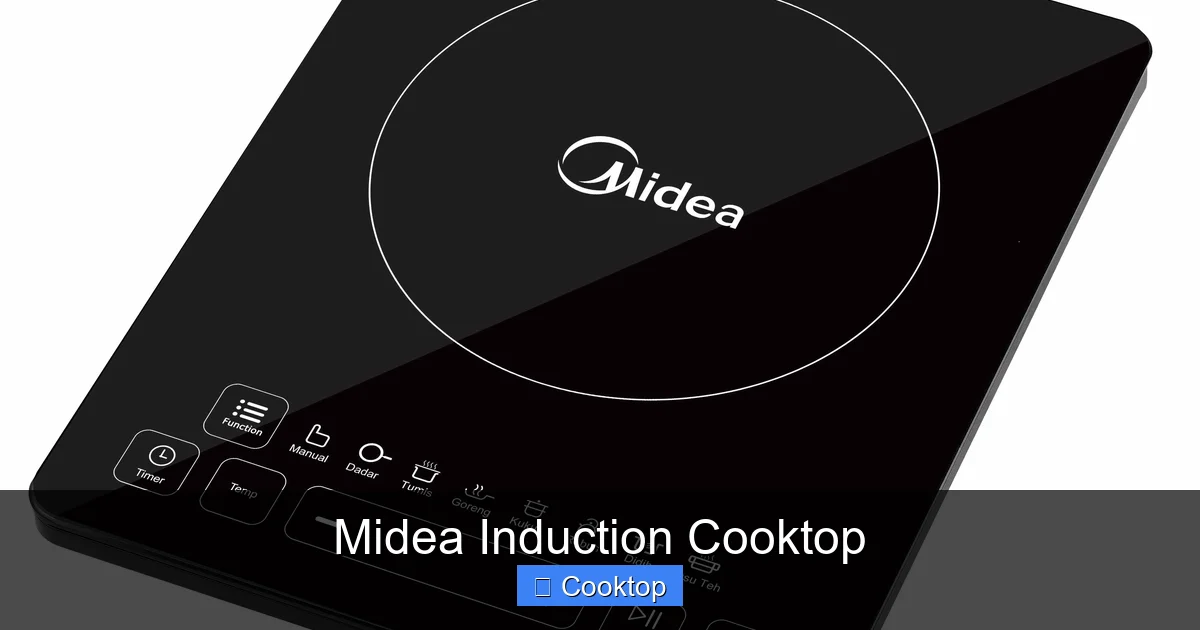
Discover the Midea Induction Cooktop’s sleek design, powerful performance, and smart safety features that make cooking faster, safer, and more enjoyable for any kitchen. This guide covers everything you need to know—from how it works to tips for first‑time users.
Cooking has evolved dramatically over the past decade, and induction technology sits at the forefront of that change. If you’ve ever watched a pot heat up instantly while the surrounding surface stays cool, you’ve experienced the magic of induction. The Midea Induction Cooktop brings that magic to your home kitchen, offering a blend of sleek aesthetics, precise control, and safety features that appeal to both novice cooks and seasoned chefs. In this article we’ll explore why the Midea Induction Cooktop stands out, what makes it a smart choice, and how you can get the most out of it every day.
If you’re new to induction, you might wonder how it differs from a traditional electric or gas stove. For a deeper dive, see our guide on how to use an induction cooktop (https://kitchenstitch.com/how-to-use-induction-cooktop/). The short answer is that induction uses electromagnetic fields to heat only the cookware, not the burner itself. This means faster heating, better temperature control, and a cooler kitchen environment. The Midea Induction Cooktop adapts to your needs, offering multiple power levels and a reliable solid‑state design that makes everyday cooking a pleasure.
Whether you’re cooking a quick weeknight dinner or preparing a multi‑course feast, the Midea Induction Cooktop provides the flexibility of precise heat and the ease of a smooth glass surface that’s simple to clean. Its modern look fits any décor, and its built‑in safety features keep you and your family protected.
Key Takeaways
- Powerful heating: Delivers rapid, even heat with up to 1800 W for fast cooking.
- Easy cleanup: Smooth glass surface resists stains and spills.
- Safety first: Auto‑shutoff and child‑lock protect against accidents.
- Versatile cookware: Works with magnetic stainless steel, cast iron, and more.
- Energy efficient: Uses up to 30% less electricity than traditional electric stoves.
- Stylish design: Modern black glass fits any kitchen décor.
- Smart controls: Touch panel with multiple power levels and timer options.
📑 Table of Contents
Why Choose a Midea Induction Cooktop?
How Induction Technology Works
Induction cooking relies on a high‑frequency alternating current that creates a magnetic field beneath the cooktop. When a magnetic pan is placed on the surface, the field induces electric currents in the pan, generating heat directly inside the cookware. Because the heat is produced inside the pan, the surface stays relatively cool, reducing the risk of burns and making cleanup easier. This technology also allows the cooktop to respond instantly to power adjustments, delivering rapid boil‑overs and precise simmering.
If you’re new to induction, you might wonder how it differs from a traditional electric or gas stove. For a deeper dive, see our guide on how to use an induction cooktop (https://kitchenstitch.com/how-to-use-induction-cooktop/).
Benefits Over Traditional Cooktops
Compared to electric coil or gas burners, induction offers several distinct advantages. Heat transfer is up to three times faster, meaning you can bring water to a boil in minutes rather than waiting for a coil to glow. Energy consumption is lower because the cooktop only uses power when a compatible pan is present, eliminating wasted heat. Safety is dramatically improved: the surface only gets warm from residual heat, and the auto‑shutoff feature turns off the element if no pan is detected. Finally, the sleek glass surface is easy to wipe clean, unlike the grates and burners that trap food particles.
Because induction heats only the cookware, less energy is wasted, translating to lower electricity bills and a smaller carbon footprint. In many regions, electricity is cheaper than gas, making induction an economical choice for long‑term cooking habits.
Design and Build Quality
The cooktop boasts a durable glass‑ceramic surface that resists scratches and stains, while the stainless‑steel frame adds structural strength. Its slim profile fits neatly into standard countertop cutouts, and the compact size makes it ideal for apartments or small kitchens. The control panel is backlit for easy visibility in low‑light conditions, and the whole unit is designed for easy installation without professional help. The unit measures 30 inches wide, fits standard cutouts, weighs just 22 lb, and comes with a two‑year limited warranty, giving you peace of mind against manufacturing defects.
Key Features of the Midea Induction Cooktop
Precise Temperature Control
The Midea Induction Cooktop features a digital touch panel with up to nine power levels, allowing you to fine‑tune the heat from a gentle simmer to a rapid boil. Each level is clearly marked on the display, and the cooktop remembers the last setting for each zone, so you can switch between tasks without re‑adjusting. Level 1 delivers 100 W for delicate sauces, while Level 9 provides 1800 W for a rolling boil. This precision is especially useful for tasks like melting chocolate or simmering a delicate sauce without scorching.
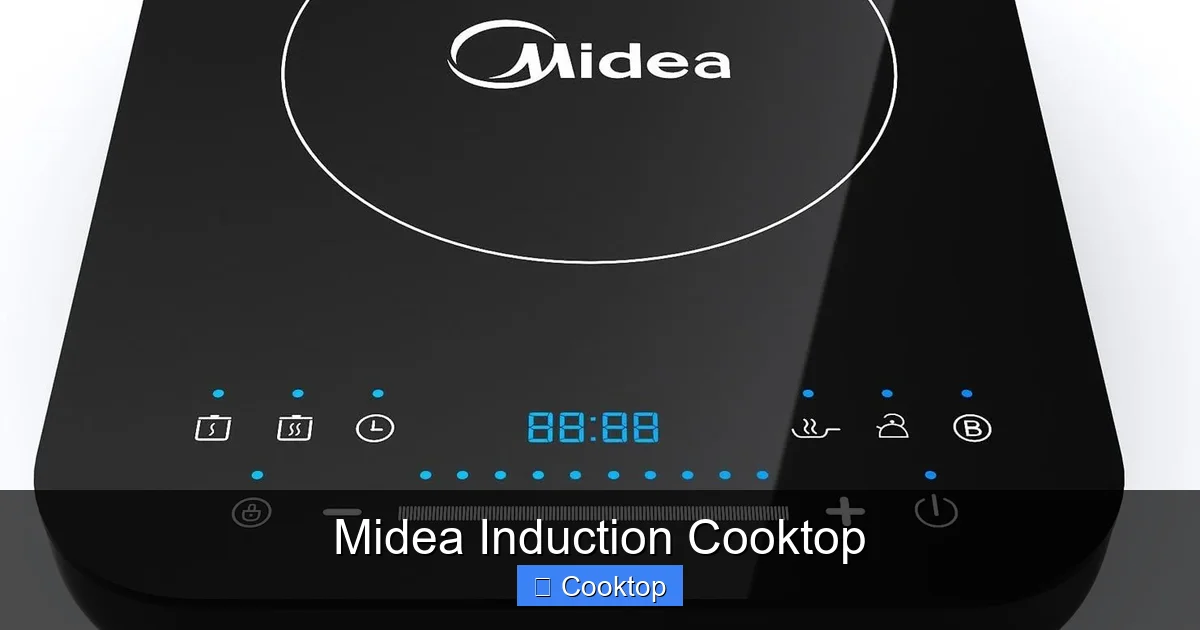
Visual guide about Midea Induction Cooktop
Image source: m.media-amazon.com
For detailed cooking tips, check out our article on the best frying pan for induction cooktop (https://kitchenstitch.com/best-frying-pan-for-induction-cooktop-2-2/).
Safety Mechanisms
Safety is built into every aspect of the Midea unit. An automatic pan‑detect sensor shuts off the heating element if no cookware is present, preventing accidental overheating. A child‑lock function disables the touch controls, which is handy in households with young children. Additionally, over‑temperature protection cuts power if the surface exceeds safe limits, and a residual‑heat indicator stays lit for up to 30 seconds after the cooktop is turned off, reminding you that the surface may still be hot. The child lock can be engaged with a simple press, ensuring no accidental changes during cooking.
Design and Build Quality
The cooktop boasts a durable glass‑ceramic surface that resists scratches and stains, while the stainless‑steel frame adds structural strength. Its slim profile fits neatly into standard countertop cutouts, and the compact size makes it ideal for apartments or small kitchens. The control panel is backlit for easy visibility in low‑light conditions, and the whole unit is designed for easy installation without professional help. The unit measures 30 inches wide, fits standard cutouts, weighs just 22 lb, and comes with a two‑year limited warranty, giving you peace of mind against manufacturing defects.
Performance and Cooking Experience
Heat Distribution and Speed
One of the most praised aspects of the Midea Induction Cooktop is its rapid heat delivery. Because the magnetic field heats the pan directly, the temperature rises almost instantly, eliminating the waiting time associated with pre‑heating a coil. Users report that a pot of water reaches a rolling boil in under two minutes on the highest setting. The even heat distribution also reduces hot spots, ensuring that food cooks uniformly. This rapid response is ideal for searing steaks, stir‑frying vegetables, or quickly bringing a sauce to a boil.
Visual guide about Midea Induction Cooktop
Image source: applianceworld.co.nz
Compatibility with Cookware
Induction only works with magnetic cookware, meaning pots and pans made of cast iron, magnetic stainless steel, or certain types of iron‑based alloys. To test a piece, simply place a small magnet on the bottom; if it sticks, the cookware is compatible. The Midea cooktop works well with a wide range of sizes, from small saucepans to large stockpots, as long as the base makes full contact with the surface. Using non‑magnetic materials such as aluminum or copper will result in no heating. The unit can handle multiple zones simultaneously, automatically detecting the size of each pan and adjusting power accordingly.
Explore our cookware recommendations for induction cooktops (https://kitchenstitch.com/cookware-for-induction-cooktop/) to select the best pots and pans for optimal performance.
Installation and Usage Tips
Setting Up the Cooktop
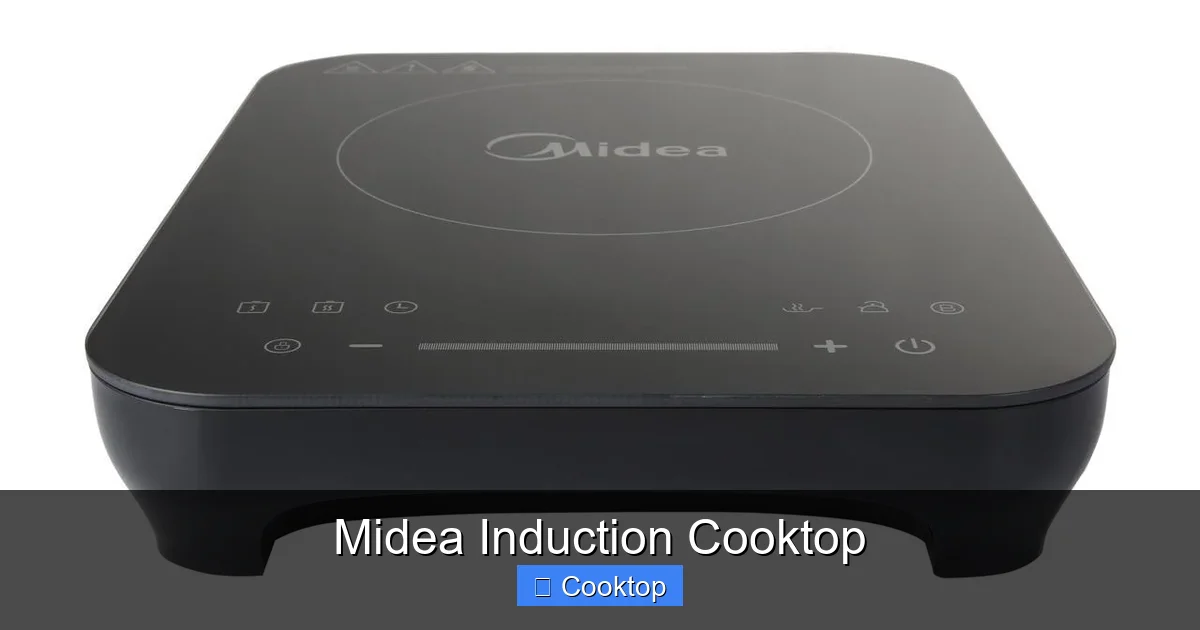
Installation of the Midea Induction Cooktop is straightforward. It typically comes as a built‑in unit that fits into a standard 30‑inch cutout. Ensure the countertop is level, the electrical outlet is grounded, and there is adequate ventilation space around the unit to prevent heat buildup. Plug the cooktop into a dedicated 120 V circuit if the manufacturer recommends it, and make sure the power cord length is sufficient to avoid strain. If local codes require, have a qualified electrician perform the installation.
Visual guide about Midea Induction Cooktop
Image source: c1.neweggimages.com
Best Practices for First‑Time Users
New users often make the mistake of cranking the power to the highest level right away, which can lead to uneven cooking or even scorching. Start with a medium setting, allow the pan to heat gradually, and use cookware with a flat bottom for optimal contact. Avoid using glass or ceramic dishes, as they do not interact with the magnetic field. For a smooth introduction, refer to our step‑by‑step guide for first‑time users (https://kitchenstitch.com/how-to-use-induction-cooktop-for-the-first-time/). Use the timer function for simmering tasks, and clean the surface while it’s still warm (but not hot) to avoid streaks.
Comparison with Competing Brands
Midea vs. Frigidaire
When comparing Midea to Frigidaire, both brands offer reliable induction cooktops, but Midea tends to focus on a modern aesthetic and user‑friendly touch controls, while Frigidaire often emphasizes robust build quality and higher wattage options. Midea’s 1800 W maximum power is competitive, and its sleek glass surface is easier to clean than many Frigidaire models that feature a more traditional metal frame. Midea typically retails for $200‑$250, while Frigidaire models range from $300‑$350, and Midea often includes a built‑in timer and child lock as standard features.
Midea vs. Portable Models
Portable induction cooktops, such as the Salton Portable model, are great for travel or temporary cooking, but they usually have lower power output (around 1200 W) and a smaller cooking surface. The Midea built‑in unit, by contrast, provides a larger cooking area and more consistent heat, making it better suited for everyday family meals rather than occasional use. Portable units lose up to 20% of their efficiency due to lower wattage and less stable pan contact, whereas the Midea’s design ensures consistent heat and higher energy efficiency.
Maintenance, Care, and Longevity
Cleaning Tips
To keep your Midea Induction Cooktop looking pristine, wipe the surface after each use with a soft, damp cloth. For stubborn stains, a mixture of mild dish soap and water works well, but avoid abrasive pads or harsh chemicals that can scratch the glass. A dedicated glass‑cooktop cleaner can be used weekly to restore shine and remove residue. For burnt‑on food, a razor‑edge scraper works gently without damaging the surface, and a vinegar‑water solution can dissolve stubborn residues without harming the glass.
Troubleshooting Common Issues
If the cooktop displays an error code, consult the user manual for the specific meaning; many issues are resolved by ensuring a compatible pan is centered on the zone. Uneven heating may indicate a dirty surface or a pan with an uneven bottom. In rare cases, a faulty sensor may require service; contacting Midea support is the recommended next step. Error code E1 means “pan not detected,” which can be fixed by repositioning the cookware, while error code E2 indicates “over‑temperature,” which resolves after the unit cools down.
Final Thoughts
The Midea Induction Cooktop delivers a compelling mix of speed, safety, and style that makes it a strong contender in today’s kitchen appliance market. Its precise temperature control, energy efficiency, and sleek design cater to a wide range of cooking styles, while built‑in safety features protect both users and the appliance. Whether you’re upgrading from an old electric stove or adding a second cooking zone, the Midea unit offers a reliable, modern solution that fits well into most home kitchens. For anyone looking to simplify meal preparation while enjoying a safer cooking environment, this cooktop is worth serious consideration. Check local retailers or the Midea website for current deals, and take advantage of the two‑year warranty for added confidence.
Frequently Asked Questions
What is Midea Induction Cooktop?
Midea Induction Cooktop is an important topic with many practical applications.