Cooktop Cleaners

Cooktop Cleaners keep your glass surface looking brand new. This guide shows the best products, how to use them, and common pitfalls to avoid. Get sparkling results every time.
Keeping a glass cooktop spotless can feel like a never‑ending battle. Grease, spills, and daily use quickly leave a dull film. The right Cooktop Cleaners make all the difference. In this guide we walk you through everything you need to know. From choosing the best product to mastering the cleaning routine, you’ll get professional‑grade results at home.
Key Takeaways
- Choose the right formula: Match the cleaner to your cooktop material for optimal results.
- Use soft tools: Microfiber cloths and non‑abrasive pads protect the surface.
- Follow a routine: Regular cleaning prevents stubborn stains and buildup.
- Watch the temperature: Clean a cool cooktop to avoid streaks.
- Test first: Always try a small area before full application.
- Store properly: Keep cleaners sealed to maintain effectiveness.
- Seek professional help: For deep stains, a specialist may be needed.
📑 Table of Contents
Why Cooktop Cleaners Matter
A clean cooktop isn’t just about looks. It also impacts performance and longevity. Residue can affect heat distribution and cause uneven cooking. Moreover, a dirty surface is more prone to scratches. Using the right Cleaners protects the glass and keeps it looking like new. When you invest time in proper care, you extend the life of your appliance and maintain its resale value.
Protecting the Glass Surface
Glass cooktops are delicate. Harsh chemicals or abrasive pads can create micro‑scratches. Those scratches trap food particles and make future cleaning harder. A gentle yet effective Cleaner removes grime without damaging the surface. Look for products labeled safe for ceramic or glass.
Types of Cooktop Cleaners
Not all Cleaners are created equal. Understanding the differences helps you pick the right one.
Spray Cleaners
Spray formulas are convenient and easy to apply. They often contain a blend of surfactants and solvents. Simply spray, wait, and wipe. Many users love the quick action for everyday spills.
Paste Cleaners
Paste cleaners have a thicker consistency. They cling to vertical surfaces and stubborn stains. Apply a small amount, let it sit, then buff away. Pastes are excellent for baked‑on residue.
Homemade Solutions
If you prefer DIY, a mixture of vinegar and water works for light cleaning. For tougher jobs, a paste of baking soda and water can lift grime. Always rinse thoroughly after using homemade mixes.
How to Choose the Right Cleaner
With so many options, selection can feel overwhelming. Consider these factors:
Material Compatibility
Check the manufacturer’s recommendations. Some Cleaners are formulated specifically for ceramic glass. Using the wrong product can void warranties.
Ingredient Safety
Look for non‑toxic, biodegradable ingredients. Eco‑friendly formulas are gentle on both the environment and your cooktop.
Ease of Use
Spray bottles with trigger heads offer quick coverage. Pump sprays provide more control for targeted spots.
Step‑by‑Step Cleaning Process
Follow this simple routine for a flawless finish.
1. Cool Down the Cooktop
Never clean a hot surface. Allow the cooktop to reach room temperature. Heat can cause cleaning agents to evaporate too quickly.
2. Remove Loose Debris
Use a soft brush or a dry microfiber cloth to sweep away crumbs and dust. This prevents scratching during the cleaning step.
3. Apply the Cleaner
Shake the bottle and spray an even layer over the entire surface. For paste cleaners, spread a thin coat with a soft applicator.
4. Let It Sit
Most Cleaners need a few minutes to break down grease. Follow the product’s instructions, usually 1‑3 minutes.
5. Wipe with a Soft Cloth
Use a clean, lint‑free microfiber towel. Move in circular motions to lift away residue. For stubborn spots, apply a little extra cleaner and gently rub.
6. Buff to Shine
Flip to a dry part of the cloth and polish the surface. This step removes any remaining streaks and restores brilliance.
Common Mistakes to Avoid
Even experienced cooks make errors that can damage their cooktops.
Using Steel Wool
Steel wool is too abrasive. It leaves permanent scratches that trap food and discolor over time.
Cleaning When Wet
Moisture can cause streaks and prevent the cleaner from adhering properly. Always clean a dry surface.
Over‑Scrubbing
Excessive pressure can embed grime deeper into the glass. Gentle strokes are more effective.
Maintenance Tips for Long‑Term Shine
A consistent maintenance schedule keeps your cooktop looking pristine.
Daily Wipe‑Down
After each cooking session, wipe the surface with a damp cloth. This prevents buildup.
Weekly Deep Clean
Set aside time each week for a thorough cleaning using your chosen Cooktop Cleaners.
Monthly Scraper Use
A ceramic cooktop scraper removes hardened residue without scratching. Glide it gently across the surface at a low angle.
Seasonal Deep Cleaning
Twice a year, perform a more intensive cleaning. Use a dedicated scraper and a stronger cleaner for baked‑on stains.
Frequently Asked Questions
What are the best Cooktop Cleaners for glass surfaces?
Look for pH‑balanced, non‑abrasive formulas labeled safe for ceramic glass. Popular options include specialty sprays and pastes that lift grease without scratching.

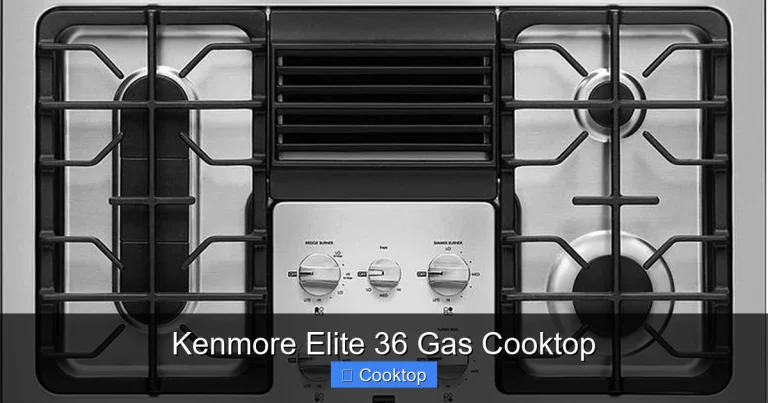
Visual guide about Cooktop Cleaners
Image source: 1.bp.blogspot.com

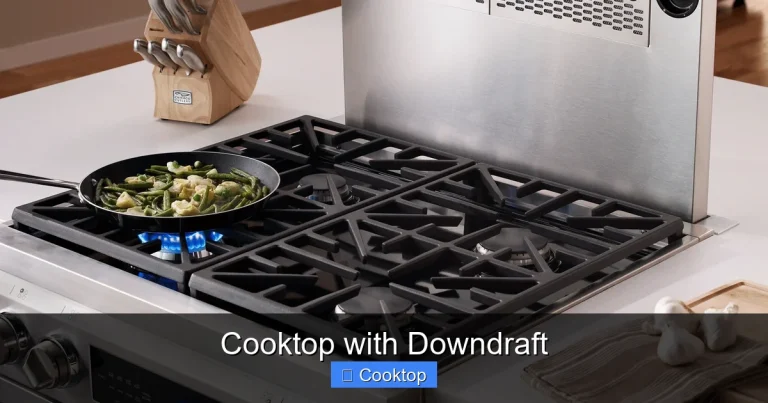
Visual guide about Cooktop Cleaners
Image source: ph-static.z-dn.net
Can I use vinegar on my induction cooktop?
Vinegar works for light cleaning but may not tackle tough stains. For deeper grime, a dedicated Cooktop Cleaner is more effective.
Is it safe to use a razor blade on a cooktop?
Razor blades can scratch if not used correctly. Instead, use a plastic scraper designed for glass surfaces.
How often should I clean my cooktop?
Wipe daily, deep clean weekly, and perform a thorough cleaning monthly. Adjust frequency based on cooking habits.
Do Cooktop Cleaners work on induction surfaces?
Yes, most Cooktop Cleaners are compatible with induction glass. Always verify the product’s compatibility with induction technology.
What should I do if a stain won’t come off?
Apply a paste of baking soda and water, let it sit, then gently buff. If the stain persists, consider a specialized stain remover or professional assistance.
Final Thoughts
Maintaining a spotless cooktop is achievable with the right tools and techniques. Choose a Cleaner that matches your cooktop’s material. Follow a gentle, systematic cleaning routine. Avoid common pitfalls that can damage the glass. With regular care, your cooktop will stay glossy and functional for years. Remember, a little effort now prevents costly repairs later. Happy cleaning!
Frequently Asked Questions
What are the best Cooktop Cleaners for glass surfaces?
Look for pH‑balanced, non‑abrasive formulas labeled safe for ceramic glass. Popular options include specialty sprays and pastes that lift grease without scratching.
Can I use vinegar on my induction cooktop?
Vinegar works for light cleaning but may not tackle tough stains. For deeper grime, a dedicated Cooktop Cleaner is more effective.
Is it safe to use a razor blade on a cooktop?
Razor blades can scratch if not used correctly. Instead, use a plastic scraper designed for glass surfaces.
How often should I clean my cooktop?
Wipe daily, deep clean weekly, and perform a thorough cleaning monthly. Adjust frequency based on cooking habits.
Do Cooktop Cleaners work on induction surfaces?
Yes, most Cooktop Cleaners are compatible with induction glass. Always verify the product’s compatibility with induction technology.
What should I do if a stain won’t come off?
Apply a paste of baking soda and water, let it sit, then gently buff. If the stain persists, consider a specialized stain remover or professional assistance.