How Long to Cook Salmon in Oven 375
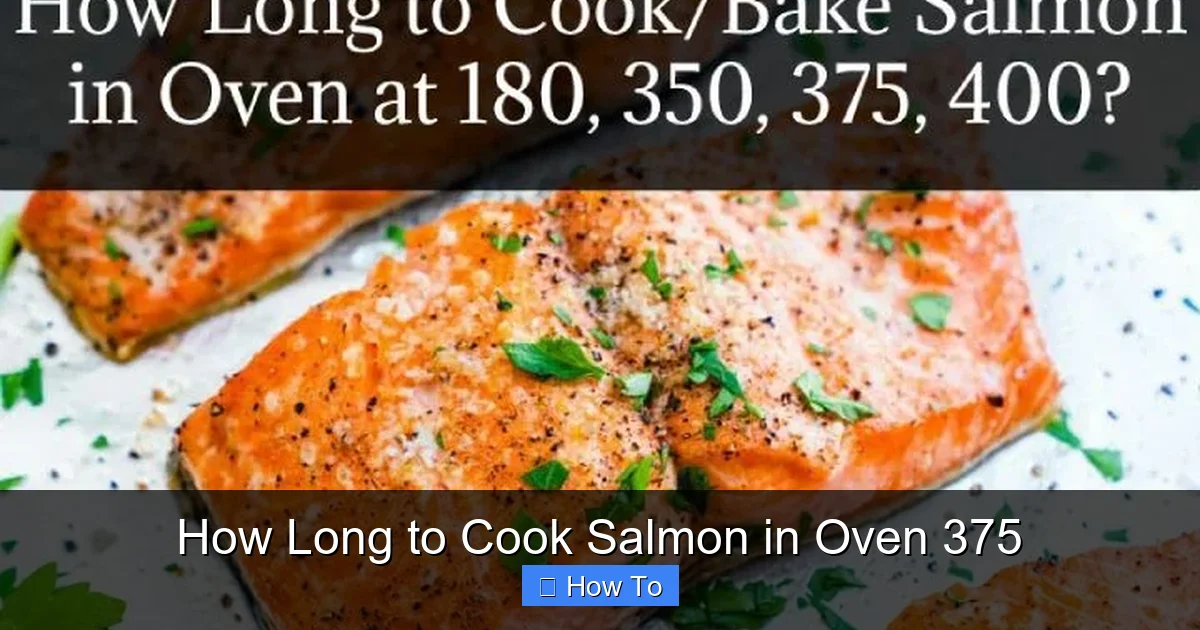
Cooking salmon at 375°F is the gold standard for moist, flavorful fillets. Most standard fillets take just 12 to 15 minutes, while thicker cuts or whole fish need a bit longer. This guide covers everything you need to know for foolproof oven-baked salmon.
There is something deeply satisfying about pulling a perfectly baked sheet pan of salmon from the oven. The aroma fills the kitchen, the flesh is a gorgeous opaque pink, and it flakes into beautiful, buttery layers with the mere touch of a fork. But getting to that moment requires knowing exactly how long to cook salmon in oven 375. It is the question I get asked most often, and for good reason. Salmon is a premium protein, and nobody wants to ruin an expensive fillet by turning it into a dry, chalky disappointment.
The good news is that baking salmon at 375 degrees Fahrenheit is arguably the most forgiving method for home cooks. It is hot enough to cook the fish through quickly and develop a slight crust, but gentle enough to give you a wide window of success. Unlike a ripping hot 450°F oven where 60 seconds can mean the difference between perfect and overdone, 375°F buys you time. In this comprehensive guide, we will break down the timing for every cut, the visual cues to watch for, the tools that guarantee success, and the little pro tips that make all the difference. Whether you are cooking a quick weeknight dinner for one or a whole side for a crowd, you will walk away with total confidence.
Key Takeaways
- Ideal Temperature: 375°F cooks salmon gently, preserving moisture and creating a nice texture without drying it out.
- Timing Depends on Thickness: A general rule is 4 to 6 minutes per half-inch of thickness for fillets.
- Internal Temperature Matters: Pull salmon at 125°F to 130°F for medium-rare; carryover heat will bring it to a safe 145°F.
- Skin-On vs. Skinless: Skin-on fillets protect the flesh and crisp up nicely; skinless cooks slightly faster.
- Don’t Overcrowd the Pan: Space between pieces ensures even heat circulation and proper baking.
- Rest Before Serving: Let salmon rest 3 to 5 minutes after baking to redistribute juices.
- Visual Cues: Look for opaque flesh that flakes easily with a fork and white albumin protein on the surface.
📑 Table of Contents
- Why 375°F is the Sweet Spot for Salmon
- Understanding Salmon Cuts and Thickness
- Step-by-Step Guide to Baking Salmon at 375°F
- Timing Guidelines for Different Cuts
- How to Tell When Salmon is Done (Without Guessing)
- Tips for Perfectly Cooked Salmon Every Time
- Common Mistakes to Avoid
- Flavor Variations for Baked Salmon at 375°F
- Storing and Reheating Leftovers
- Frequently Asked Questions
- Conclusion
Why 375°F is the Sweet Spot for Salmon
You might wonder why so many recipes land on 375°F? It is not an arbitrary number. This temperature sits in a beautiful “Goldilocks zone” for fish cookery. At lower temperatures, like 300°F or 325°F, salmon can take 20 to 30 minutes. While this is great for a slow-roasted texture, it often fails to render the fat under the skin properly, leaving it rubbery. It also doesn’t develop much color on top.
Conversely, high-heat roasting at 425°F or 450°F cooks a fillet in 8 to 10 minutes. This is fantastic for a crispy top and distinct crust, but the margin for error is razor-thin. The exterior can burn or dry out before the center reaches temperature, especially on thicker cuts. How long to cook salmon in oven 375 hits the balance perfectly. The moderate heat allows the collagen in the fish to relax and turn into gelatin slowly, keeping the muscle fibers juicy. It renders the fat cap and skin beautifully crisp without burning. It gives you a 3 to 4 minute window of doneness perfection rather than a 30-second window. For a home cook juggling side dishes, kids, or a glass of wine, that forgiveness is priceless.
The Science of Protein Coagulation
Fish muscle fibers are much shorter and more delicate than beef or chicken. They coagulate (tighten up and squeeze out moisture) at lower temperatures. Salmon specifically starts to firm up around 110°F and becomes distinctly flaky at 130°F. By 140°F, it is well done and rapidly losing moisture. At 375°F, the heat penetrates the fillet at a rate that allows the center to catch up to the edges before the edges overcook. This gradient cooking is the secret to that edge-to-edge perfect pink.
Understanding Salmon Cuts and Thickness
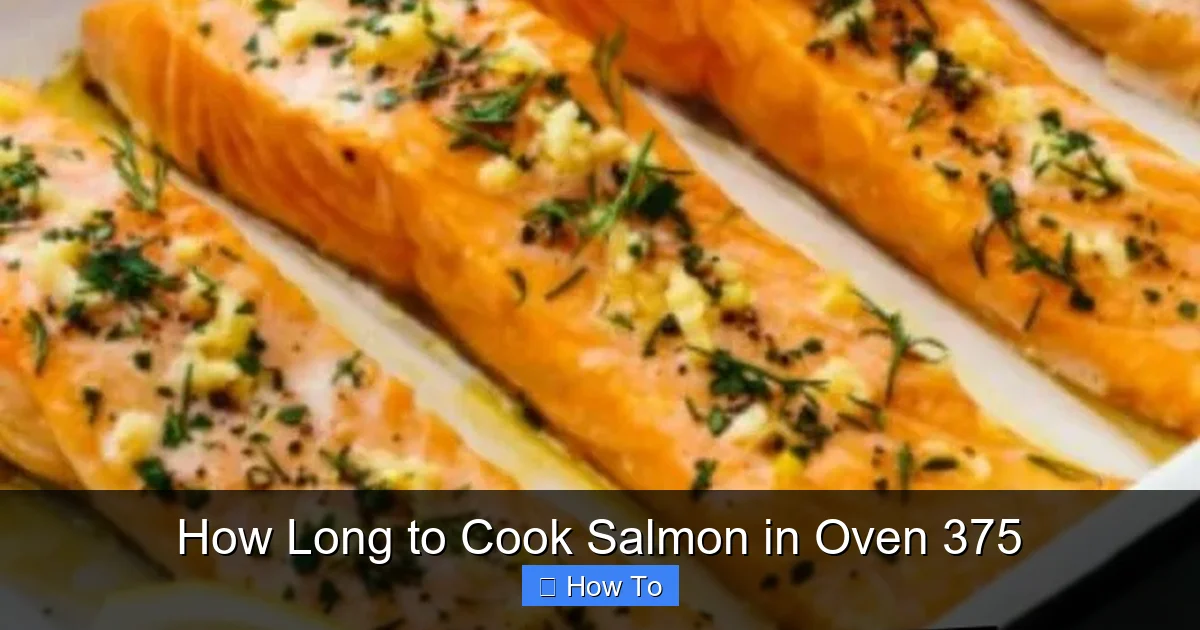
Before you set a timer, you have to look at what is sitting on your baking sheet. “Salmon” isn’t a monolith. A thin tail-end piece of sockeye behaves totally differently than a thick center-cut king salmon steak. The single biggest variable in determining how long to cook salmon in oven 375 is the thickness of the thickest part of the fish.
Visual guide about How Long to Cook Salmon in Oven 375
Image source: howtocookguides.com
Common Cuts You’ll Encounter
- Fillet (Skin-On or Skinless): The most common cut. Usually 1 to 1.5 inches thick at the thickest part. Tapers to a thin tail.
- Portion / Steak (Cross-Cut): Cut perpendicular to the spine, usually 1 to 2 inches thick and uniform in shape. Often includes a section of backbone.
- Whole Side (Full Fillet): An entire half of the fish, weighing 2 to 4 pounds. Very thick at the head end, paper-thin at the tail.
- Whole Fish (Head-On, Gutted): The entire fish. Requires the longest time due to mass and bone insulation.
Measuring for Accuracy
Don’t guess. Use a ruler or the markings on your cutting board. Measure the thickest part of the fillet. If you have a fillet with a very thin tail end, you have two options: fold the thin tail under itself to create a more even thickness, or simply accept that the tail will be more well-done and pull it off the pan a few minutes early. For portion-specific guidance, our article on how long to cook 6 oz salmon in oven breaks down the exact timing for that standard restaurant portion size.
Step-by-Step Guide to Baking Salmon at 375°F
Let’s walk through the process from fridge to table. Following these steps ensures that your timing calculations actually work.
Visual guide about How Long to Cook Salmon in Oven 375
Image source: savorynothings.com
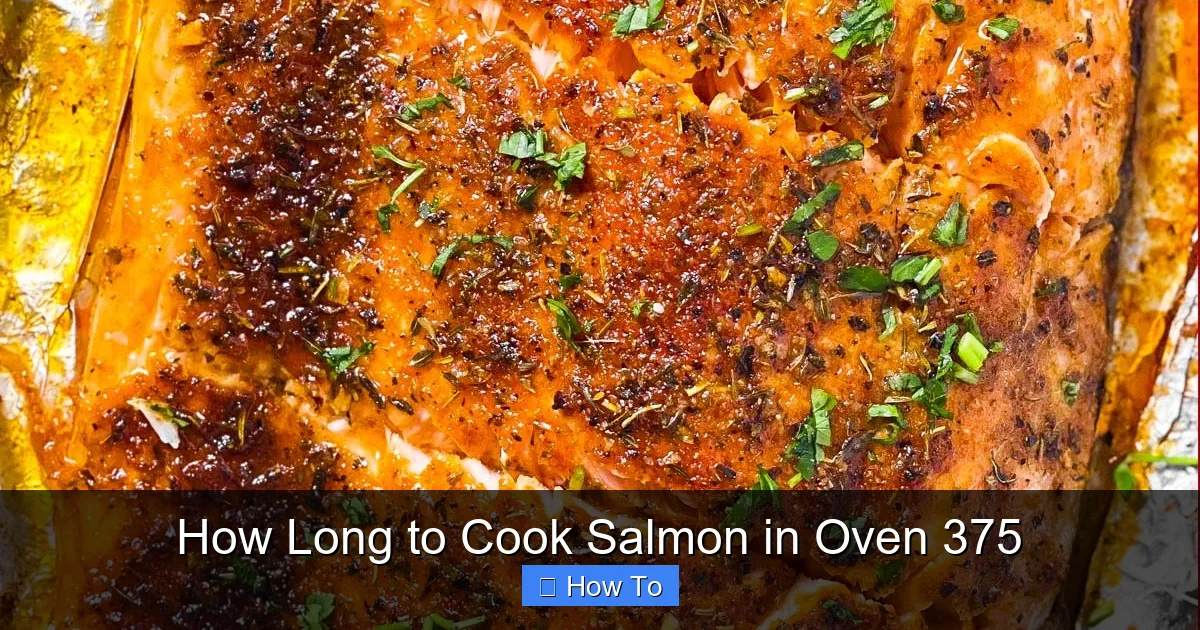
1. Preparation: The Dry and the Season
Take the salmon out of the fridge 15 minutes before cooking. This takes the chill off, promoting even cooking. Pat the surface thoroughly dry with paper towels. Surface moisture creates steam, which prevents browning and makes the skin soggy. Season generously with salt and pepper. Salt draws moisture to the surface initially, so if you have time, salt it 15 minutes ahead and pat dry again right before baking. This dry-brining technique seasons the flesh deeply and improves texture.
2. The Pan and Fat
Use a rimmed baking sheet lined with parchment paper or foil for easy cleanup. A wire rack set inside the sheet pan is a game-changer; it allows hot air to circulate 360 degrees, cooking the bottom evenly and preventing a steamed, mushy bottom. Drizzle the pan (or rack) with a little olive oil or melted butter. Place the salmon skin-side down (if skin-on). Drizzle the top with a little more oil or brush with melted butter. This fat conducts heat and aids browning.
3. The Oven
Preheat your oven fully. Don’t put the fish in while it’s still heating up; the temperature fluctuation messes with your timing. Make sure the rack is in the center of the oven. If you have a convection setting, use it! Convection at 375°F acts more like 390°F conventional. Reduce the time by about 2 minutes or check early.
4. The Bake
Slide the pan in. Set a timer for the minimum estimated time based on your thickness (see chart below). Do not open the oven door repeatedly. Every opening drops the temperature 25 to 50 degrees.
5. The Check
When the timer goes off, check for doneness using the methods described in the next section. If it needs more time, give it 2-minute increments.
6. The Rest
This is non-negotiable. Remove the salmon from the pan immediately (it keeps cooking on the hot metal). Transfer to a plate or cutting board. Tent loosely with foil. Rest for 3 to 5 minutes. The internal temperature will rise another 5 to 10 degrees (carryover cooking), and the juices will settle.
Timing Guidelines for Different Cuts
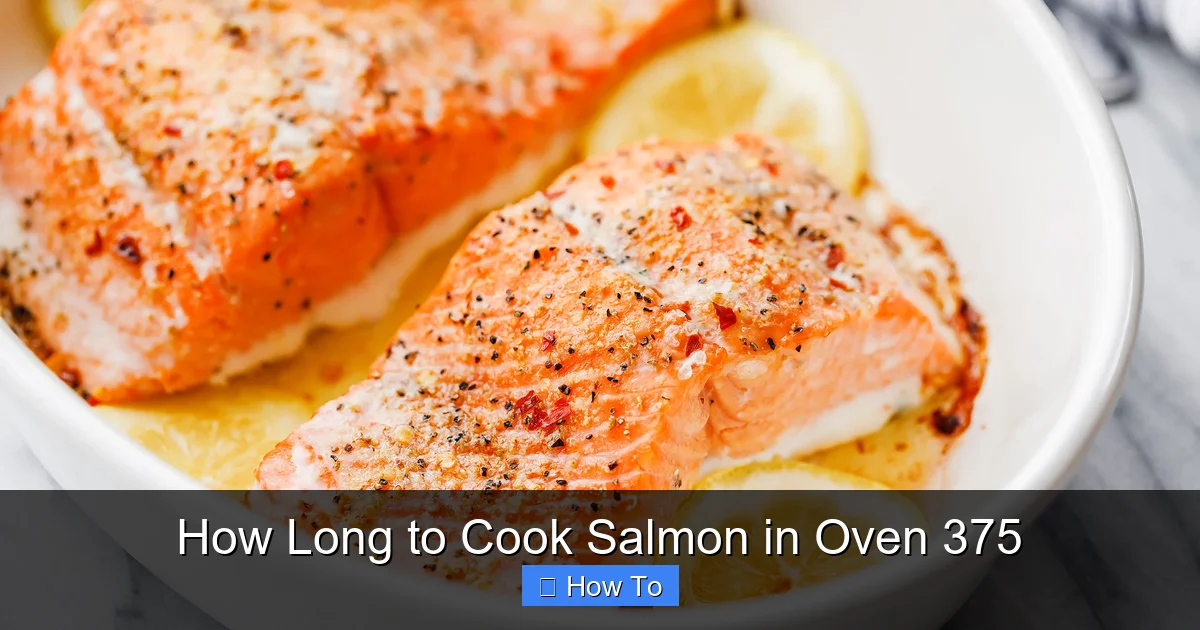
Here is your cheat sheet for how long to cook salmon in oven 375. Remember, these are estimates for fresh or fully thawed fish. Always verify with a thermometer or visual cues.
Visual guide about How Long to Cook Salmon in Oven 375
Image source: eatwell101.com
Standard Fillets (6-8 oz, 1 to 1.25 inches thick)
- Skin-On: 12 to 15 minutes.
- Skinless: 10 to 13 minutes.
- Frozen (cook from frozen): 18 to 22 minutes (rinse ice glaze, pat dry, add 50% more time).
Thick Cut / Center Cut / Steaks (1.5 to 2 inches thick)
- Skin-On: 16 to 20 minutes.
- Skinless: 14 to 18 minutes.
For specific steak-cut techniques, check out our guide on how to cook a salmon steak in the oven.
Whole Side of Salmon (2 to 3 lbs, uneven thickness)
- Time: 20 to 28 minutes.
- Pro Tip: Tuck the thin tail end under itself for the first 15 minutes, then unfold for the last 5 to 10 minutes to even out the cooking. Or, simply accept the gradient of doneness—well-done tail for the kids, rare center for you.
Whole Fish (3 to 5 lbs, gutted and scaled)
- Time: 30 to 40 minutes.
- Pro Tip: Score the skin diagonally 3 times per side. Stuff cavity with lemon, herbs, and garlic. This ensures heat penetrates to the center bone. For more details, see our post on how long to cook a whole salmon in oven.
Quick Reference Chart
- 1/2 inch thick: 6-8 minutes
- 3/4 inch thick: 9-11 minutes
- 1 inch thick: 12-14 minutes
- 1.25 inches thick: 14-16 minutes
- 1.5 inches thick: 16-19 minutes
- 2 inches thick: 20-24 minutes
How to Tell When Salmon is Done (Without Guessing)
Timing is a guideline; temperature and texture are the truth. Here are the three most reliable ways to test doneness.
The Instant-Read Thermometer (The Gold Standard)
This is the only way to be 100% sure. Insert the probe into the thickest part of the fillet, horizontally from the side, not straight down from the top (you might hit the pan).
- 120°F – 125°F: Rare. Very soft, translucent center. Sushi-grade only.
- 125°F – 130°F: Medium-Rare. Warm, deep pink, buttery, flakes easily. This is the chef’s recommended pull temperature.
- 130°F – 135°F: Medium. Pink throughout, firm but moist.
- 135°F – 140°F: Medium-Well. Mostly opaque, slight moisture.
- 145°F: Well Done. Opaque throughout, firm, drier. USDA safe minimum.
Critical Tip: Pull the salmon at 125°F for medium-rare. It will coast to 130°F-135°F while resting. If you wait until it hits 140°F in the oven, it will be overcooked by the time you eat it.
The “Flake Test” (No Tools Needed)
Take a fork or the tip of a paring knife. Gently press down on the top of the fillet at the thickest part and twist slightly.
- Raw: Resists flaking, translucent, layers stick together tightly.
- Done: The layers separate easily into large, distinct flakes. The flesh is opaque (light pink for salmon).
- Overdone: Flakes fall apart into tiny shards, dry, white protein (albumin) is weeping heavily.
The Visual Cues
- Color Change: Raw salmon is deep, translucent orange-red. Cooked salmon turns a lighter, opaque pink.
- Albumin: That white foamy stuff squeezing out of the muscle fibers? That’s albumin, a protein that coagulates with heat. A little is normal. A lot means high heat or overcooking. At 375°F, you should see minimal albumin.
- Skin: Skin-on salmon should have skin that pulls away from the flesh easily and is crisp, not rubbery.
Tips for Perfectly Cooked Salmon Every Time
Beyond time and temp, these habits separate “good” salmon from “restaurant quality.”
Buy Skin-On, Even If You Don’t Eat Skin
The skin acts as a built-in insulator. It protects the delicate flesh from the direct heat of the pan, ensuring the bottom cooks at the same rate as the top. It also contains a layer of fat that bastes the fish as it renders. You can always peel it off after cooking. If you prefer skinless, lay down a bed of lemon slices or herbs on the parchment to create a buffer. For mastering the skin-on technique, read our detailed guide on how to cook salmon in the oven with skin.
Use a Wire Rack
As mentioned earlier, a rack prevents the bottom from steaming in its own juices. It promotes even browning all around. If you don’t have a rack, crumple up balls of foil to prop the fillet up slightly.
Don’t Crowd the Pan
Leave at least 1 inch of space between fillets. Crowding traps steam, lowers the pan temperature, and results in steamed, pale fish. Use two pans if necessary.
Glazes and Sauces: Timing is Everything
Sugary glazes (honey, maple, teriyaki, brown sugar) burn at 375°F if applied too early. Apply glazes during the last 3 to 5 minutes of cooking. Brush it on, pop it back in, and watch it like a hawk. For dry rubs or herb crusts (like panko-parmesan), apply at the start; the moderate heat toasts them perfectly without burning.
Lemon: Under and Over
Place a few thin lemon slices under the fillet (on the parchment) and a few on top. The bottom slices perfume the fish and prevent sticking; the top slices caramelize beautifully and look gorgeous on the plate.
Finish with Fat and Acid
Right after pulling the salmon from the oven (and before resting), brush it with a little melted butter or high-quality olive oil and squeeze fresh lemon juice over the top. This final layer of flavor wakes up the rich fish.
Common Mistakes to Avoid
Even experienced cooks fall into these traps. Dodge them for consistent success.
Cooking Straight from the Fridge
Cold fish = uneven cooking. The center stays raw while the edges overcook. The 15-minute temper on the counter is food-safe (it’s not long enough for bacterial growth) and makes a massive difference in texture.
Overcooking Because of Fear
Many people cook salmon to 145°F because the USDA says so. For whole cuts of beef or poultry, that makes sense. For a delicate fish fillet, 145°F is dry. Trust the carryover cooking. Pull at 125°F-130°F. If you are immunocompromised, pregnant, or serving high-risk individuals, by all means cook to 145°F. Otherwise, enjoy it medium.
Using a Dull Knife to Check
Stabbing the fish with a thick steak knife tears the muscle fibers, releasing juices. Use a thin cake tester, a skewer, or the tip of a sharp paring knife. Or better yet, the thermometer.
Leaving It on the Hot Pan
The baking sheet holds immense residual heat. If you leave the salmon on the pan while you set the table, it will overcook in minutes. Transfer it immediately.
Ignoring the “White Stuff” (Albumin)
Excessive albumin is a sign of stress—usually too high heat or overcooking. At 375°F, you shouldn’t see much. If you see a thick white crust, your oven runs hot or you cooked too long. Lower the rack position or reduce time next round.
Flavor Variations for Baked Salmon at 375°F
The beauty of this method is that it’s a blank canvas. Here are three foolproof flavor profiles.
Classic Lemon-Herb (The Weeknight Staple)
Olive oil, salt, pepper, garlic powder, dried dill (or fresh at the end), lemon slices on top and bottom. Simple, clean, lets the fish shine.
Honey Garlic Soy Glaze (Sweet & Savory)
Mix soy sauce, honey, minced garlic, ginger, rice vinegar, and a touch of sesame oil. Bake plain for 8 minutes. Brush glaze. Bake 4 minutes. Brush again. Broil 1 minute for caramelization. Watch closely!
Dijon Herb Crust (Elegant & Crunchy)
Mix Dijon mustard, panko breadcrumbs, chopped parsley, lemon zest, garlic, and olive oil into a paste. Press onto the top of the fillet (skin side down). Bake full time. The crust insulates the top, keeping the fish incredibly moist.
Cajun Blackened Style (Spicy)
Pat dry. Coat heavily in Cajun seasoning (paprika, cayenne, garlic powder, onion powder, thyme, oregano, salt, pepper). Drizzle with oil. Bake. The moderate oven temp “blackens” the spices without burning them like a cast iron skillet would.
Storing and Reheating Leftovers
Cooked salmon keeps in an airtight container in the fridge for 3 days. It is delicious cold on salads or flaked into pasta.
Reheating Without Drying Out
Low and Slow: 275°F oven, covered with foil, 10-15 minutes. Microwave (Desperation Only): Cover with damp paper towel, 50% power, 30-second bursts. Best Method: Eat it cold! Make salmon salad with mayo, celery, dill, lemon. Or flake into fried rice. Or make salmon cakes.
Frequently Asked Questions
We’ve covered the main event, but a few specific questions always pop up.
Can I bake salmon at 375°F without foil or parchment?
Yes, but use a well-oiled baking dish or a seasoned cast iron skillet. Cleanup is harder, and sticking risk is higher. Parchment is cheap insurance.
Should I cover salmon with foil while baking?
Generally, no. Covering steams the fish, making the skin soggy and the top pale. Bake uncovered for the best texture. The only exception is if you are cooking a massive whole fish and the skin is burning before the center cooks; then tent loosely for the last 10 minutes.
What if my fillets are different sizes?
This is the norm. Check the smallest ones at the minimum time. Remove them as they hit temp. Let the larger ones continue cooking. That’s why individual portions are easier than a whole side for beginners.
Is it better to bake salmon at 350 or 375?
375 is better. 350 takes longer, dries out the surface more, and doesn’t render skin fat as well. 375 is the texture sweet spot.
Can I cook frozen salmon at 375°F without thawing?
Absolutely. Rinse off ice glaze, pat very dry, brush with oil, season. Add 50% more time to the chart above. It works surprisingly well.
Why did my salmon turn out mushy?
Mushy usually means previously frozen fish that was thawed poorly (refrozen), or it was steamed (crowded pan, covered, or too much liquid in the pan). Use a rack, don’t crowd, bake uncovered.
Conclusion
Mastering how long to cook salmon in oven 375 is one of the highest-ROI cooking skills you can acquire. It turns a potentially intimidating, expensive ingredient into a reliable, weeknight-friendly staple. The formula is simple: Prep dry, season well, bake at 375°F for 4-6 minutes per half-inch of thickness, pull at 125°F internal, rest 5 minutes. Everything else—glazes, herbs, sides, sauces—is just decoration on a perfect foundation.
Next time you stand at the fish counter, buy with confidence. You know the temperature. You know the timing. You know the cues. You have the thermometer. You are going to nail it. And that first bite of buttery, flaky, perfectly seasoned salmon? That is the taste of a cook who knows their craft. Happy baking.
Frequently Asked Questions
How long do I bake a 1-inch thick salmon fillet at 375°F?
A 1-inch thick salmon fillet typically takes 12 to 14 minutes at 375°F. Start checking at 12 minutes using a thermometer or the flake test. Remember that carryover cooking will raise the internal temperature another 5 degrees after you pull it out.
Do I need to flip salmon when baking at 375°F?
No, you do not need to flip salmon when baking. Place it skin-side down (if skin-on) or presentation-side up. The ambient oven heat cooks the top evenly. Flipping risks breaking the delicate flesh and ruins the skin crispness.
What internal temperature should salmon be cooked to?
For the best texture (medium-rare), pull salmon at 125°F to 130°F. The USDA recommends 145°F for food safety, but this often results in dry fish. If you prefer well-done, cook to 140°F in the oven.
Can I bake salmon at 375°F in foil packets?
Yes, foil packets (en papillote) work well at 375°F. They steam the fish in its own juices and added aromatics. Cook time is similar, maybe 2-3 minutes longer. Open carefully to avoid steam burns.
How do I keep salmon from sticking to the pan?
Use parchment paper or a silicone mat. If baking directly on metal, ensure the pan is hot before adding oil, then add the fish skin-side down. Don’t try to move it until it releases naturally (usually when the skin is crisp).
Is it better to bake salmon covered or uncovered at 375°F?
Uncovered is better for texture. It allows the surface to dry slightly and develop flavor, and it crisps the skin. Covering traps steam, resulting in a softer, paler fillet.