What Does Turbo Do on a Toaster Oven
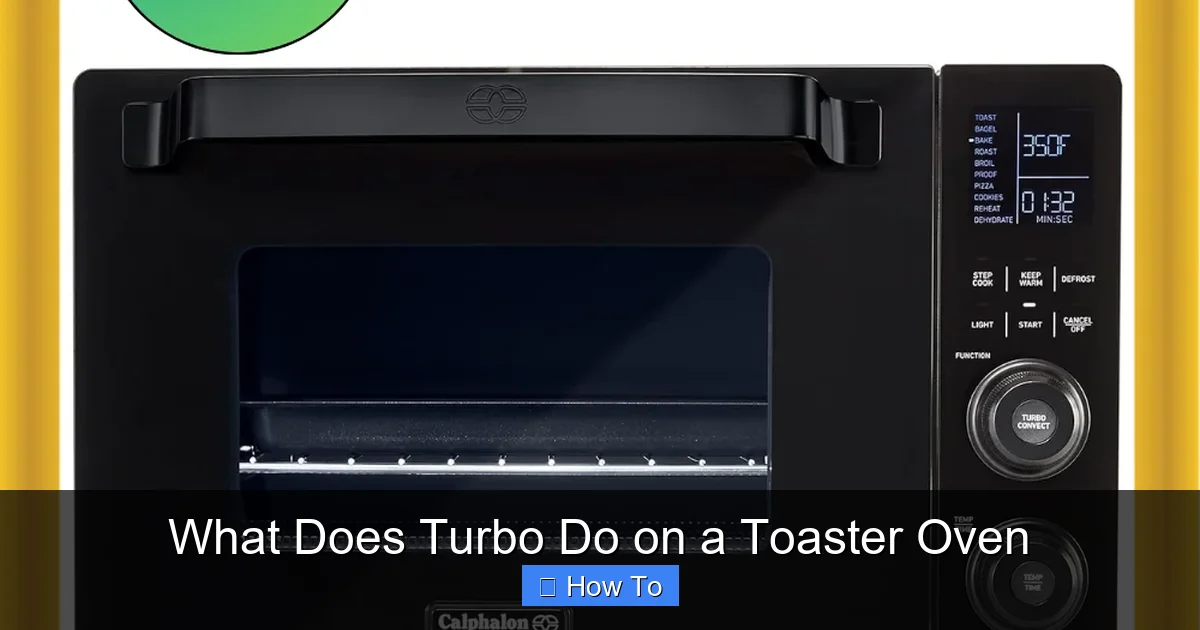
The turbo function on a toaster oven uses a powerful heating element to cook food faster and more evenly than regular bake mode. It works by circulating hot air and delivering intense heat directly to your food, reducing cooking times significantly. Understanding how turbo works helps you get the most from your appliance and achieve perfectly cooked meals every time.
Key Takeaways
- Turbo uses intense heat: The turbo setting employs a high-powered heating element that delivers much more heat than standard bake mode.
- Cooking is faster: Turbo can reduce cooking times by 25-50% compared to conventional baking settings.
- Better browning occurs: The intense heat creates superior browning and crisping on the surface of foods.
- Air circulation helps: Many turbo functions combine heat with fan-assisted air circulation for even cooking.
- Not all brands are the same: Different manufacturers may implement turbo technology differently, so check your manual.
- Watch food closely: Because turbo cooks so quickly, it’s important to check on food frequently to prevent burning.
📑 Table of Contents
Understanding the Turbo Function
So you’ve noticed that little “turbo” button on your toaster oven and wondered what all the fuss is about. You’re definitely not alone! Many people see that button and either avoid it entirely or press it without really knowing what’s happening inside. The truth is, turbo is one of the most useful features on modern toaster ovens, but it can be confusing if you don’t understand how it works.
At its core, turbo mode is designed to give you faster, more efficient cooking. When you activate the turbo function, your toaster oven switches to a much more powerful heating element. This element gets significantly hotter than the standard bake setting, which means your food cooks quicker. But that’s just the beginning of what turbo can do for you.
If you’re curious about how this compares to other settings, you might want to check out what temperature the regular bake function operates at on your specific model. Each setting serves a different purpose, and knowing when to use which one can make a big difference in your cooking results.
How Turbo Differs from Regular Bake
The main difference between turbo and regular bake comes down to heat intensity and speed. Regular bake mode typically operates at moderate temperatures, usually between 300-400°F depending on your setting. Turbo mode, on the other hand, can push temperatures much higher and deliver that heat more aggressively.
This increased heat output means that foods that would normally take 20 minutes to bake might be done in just 10-12 minutes with turbo. The key is understanding which foods benefit from this rapid cooking method and which might end up burnt or unevenly cooked.
The Science Behind Turbo Cooking
To really appreciate what turbo does, it helps to understand the basic science of how your toaster oven works. Traditional bake mode heats food primarily through radiant heat – the heating elements glow red-hot and transfer that heat directly to your food. It’s effective but relatively slow.
Visual guide about What Does Turbo Do on a Toaster Oven
Image source: cdn.appliancefactoryparts.com
Turbo mode takes things up a notch by combining several elements. First, it uses a more powerful heating element that can reach higher temperatures. Second, many turbo settings incorporate a fan that circulates the hot air around your food. This combination of intense heat and air circulation is what makes turbo so effective.
Heat Transfer and Air Circulation
When hot air moves around your food, it transfers heat more efficiently than still air. This is the same principle behind why wind makes you feel colder – moving air transfers heat away from your body faster. In reverse, moving hot air transfers heat to your food faster.
This efficient heat transfer is why turbo cooking not only saves time but often produces better results. Foods cook more evenly because the hot air reaches all sides of your food simultaneously, reducing hot spots and undercooked areas.
When to Use Turbo Mode
Now that you understand how turbo works, let’s talk about when you should actually use it. Not every food benefits from turbo cooking, and using it at the wrong time can ruin your meal.
Visual guide about What Does Turbo Do on a Toaster Oven
Image source: allrecipes.com
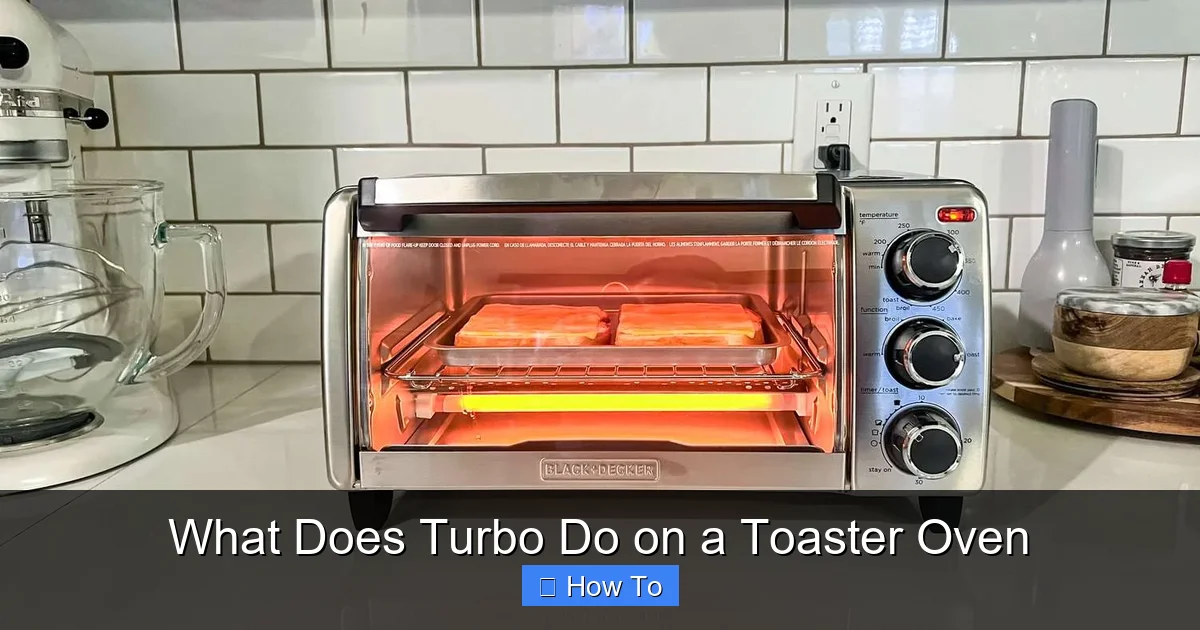
Turbo mode works best for foods that you want to cook quickly while maintaining good texture. Think about things like reheating pizza (you want it crispy, not soggy), toasting certain items, or giving breaded foods that perfect crunch. It’s also great for small portions that would take too long in regular bake mode.
Foods That Benefit from Turbo
Some excellent candidates for turbo cooking include:
- Reheating leftover pizza or calzones
- Toasting thick slices of bread or artisan breads
- Cooking small portions of chicken tenders or fish sticks
- Crisping up the tops of casseroles or gratins
- Warming up pre-cooked items like breakfast sandwiches
If you’re looking for more ideas about what you can cook in your toaster oven beyond just toast, there are plenty of resources that can help expand your culinary horizons.
Foods to Avoid with Turbo
While turbo is great for many foods, there are some situations where it’s better to stick with regular bake mode:
- Delicate items like custards or soufflés that need gentle, even heat
- Large cuts of meat that need slow, low cooking
- Items that are prone to burning on the outside while staying raw inside
- Very sugary foods that might caramelize too quickly
Tips for Using Turbo Successfully
Getting the most out of your turbo function requires a bit of practice and some smart techniques. Here are some tips that will help you avoid common mistakes and achieve great results every time.
Visual guide about What Does Turbo Do on a Toaster Oven
Image source: decorguider.com
Start with Shorter Times
Because turbo cooks so much faster, it’s tempting to set your timer based on regular cooking times. Don’t do this! Start with about half the normal cooking time and check your food. You can always add more time, but you can’t undo burning.
This is especially important the first few times you use turbo. Every toaster oven is slightly different, so you’ll need to experiment to find the sweet spot for timing with your specific model.
Check Food Frequently
Set your timer for shorter intervals and check on your food regularly. Open the door, take a quick look, and give it a gentle shake or turn if needed. Turbo cooking happens fast, so staying attentive is key to preventing disasters.
Adjust Rack Position
With turbo mode, you might need to adjust where you place your food rack. The intense heat can sometimes cause the top of your food to cook too quickly while the bottom remains underdone. Experiment with different rack positions to find what works best for your particular food.
Comparing Turbo to Other Toaster Oven Features
Your toaster oven probably has several different functions beyond just turbo and regular bake. Understanding how turbo compares to these other options can help you choose the right setting for any given task.
If you’re interested in learning more about convection cooking, which is similar to turbo but uses a fan without the intense heating element, that’s worth exploring too. And if you’ve ever wondered about the defrost function, understanding when to use it versus turbo can be really helpful.
Turbo vs. Broil vs. Bake
Broil mode uses intense top-down heat to brown and crisp the surface of foods. Turbo, while also intense, cooks more evenly throughout. Bake mode provides gentle, all-around heat perfect for delicate items. Knowing when to use each will make you a much more confident cook.
Making the Most of Your Turbo Function
Once you get comfortable with the basics of turbo cooking, there are ways to take your skills to the next level. Paying attention to these finer points will help you become the turbo master among your friends and family.
Preheating Considerations
Unlike regular baking where preheating is essential, turbo mode often doesn’t require preheating. The intense heat builds up so quickly that you can usually just turn on turbo and start cooking immediately. This saves even more time and energy.
Cleaning After Turbo Use
Food particles that get baked onto your toaster oven during turbo cooking can be tougher to clean because of the intense heat. Make sure to clean up any spills promptly, and consider lining your baking pan with parchment paper or aluminum foil to make cleanup easier.
Common Mistakes to Avoid
Even experienced cooks can make mistakes when first learning to use turbo mode. Here are some of the most common errors and how to avoid them.
Overcooking Due to Impatience
The biggest mistake people make is assuming they can walk away while using turbo. Don’t do this! Set multiple timers if you need to, but stay nearby and check on your food regularly until you get a feel for how your particular oven behaves.
Using Turbo for Everything
While turbo is fantastic for many foods, it’s not a universal solution. Using it for everything from cookies to casseroles can lead to disappointing results. Learn which foods respond well to turbo treatment and which are better served by gentler cooking methods.
Conclusion
The turbo function on your toaster oven is a powerful tool that, when used correctly, can save you significant time and improve your cooking results. By understanding how it works, when to use it, and what to avoid, you’ll be able to get the most out of this handy feature.
Remember that every toaster oven is slightly different, so don’t be afraid to experiment with timing and temperatures. Keep an eye on your food, especially during those first few turbo sessions, and soon you’ll be cooking up perfectly heated meals in a fraction of the usual time. Whether you’re reheating leftovers or cooking a quick meal, turbo mode can be your secret weapon for delicious results.
Frequently Asked Questions
What does turbo do on a toaster oven compared to bake?
Turbo uses a more powerful heating element that reaches higher temperatures much faster than regular bake mode. While bake provides moderate, even heat, turbo delivers intense heat often combined with air circulation, cutting cooking times significantly.
Can I use turbo for all types of food?
No, turbo works best for foods that benefit from quick cooking and crispy textures like reheated pizza or toasted items. Delicate foods like custards, large cuts of meat, and very sugary items should be cooked using regular bake mode instead.
Do I need to preheat my toaster oven when using turbo?
Most of the time, no. Turbo heats up so quickly that preheating isn’t necessary. You can usually just set your food in and turn on turbo, which saves valuable time compared to waiting for the oven to preheat.
How much faster is turbo cooking?
Turbo can reduce cooking times by 25-50% compared to regular bake mode. Foods that normally take 20 minutes might be ready in 10-12 minutes, though exact timing depends on your specific oven and the food you’re cooking.
Should I adjust cooking times when using turbo?
Yes, always start with about half the normal cooking time and check your food frequently. Because turbo cooks so quickly, it’s better to check early and add more time if needed rather than risk burning your food.
Is turbo the same as convection cooking?
They’re similar but not identical. Turbo typically uses a more powerful heating element with intense heat, while convection uses a fan to circulate hot air without the same level of heat intensity. Some ovens combine both features.