Is Farberware Cookware Oven Safe
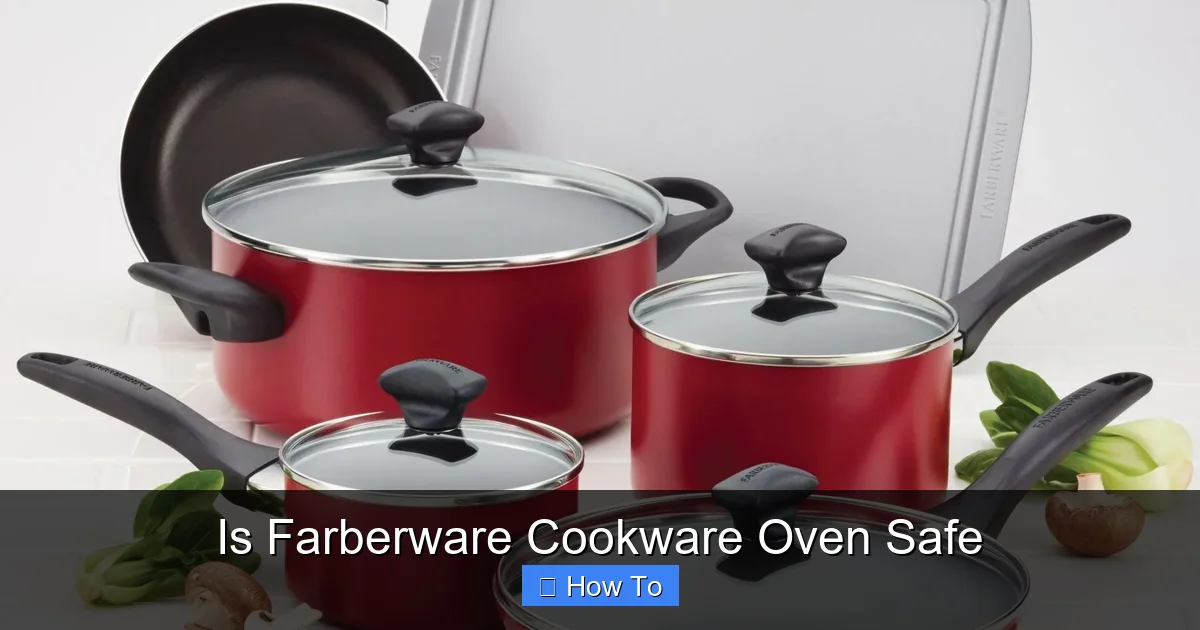
Farberware cookware is generally oven safe, though temperature limits vary by material and design. Most Farberware products can withstand high-heat baking environments, but you should always check the manufacturer’s specifications. Understanding each material’s thermal tolerance helps ensure safe and successful cooking.
Farberware has been a trusted name in the home cookware world for decades. This iconic brand offers a wide range of products designed to last generations. One question many curious homeowners ask is whether their favorite Farberware pieces can go straight into the oven. The answer isn’t simply yes or no—it requires a closer look at materials, temperature ratings, and specific product designs.
If you’ve been considering adding Farberware to your weekly meals but hesitate at the oven door, you’re not alone. We’ve seen countless customers puzzling over labels, reading warnings on packaging, and then wondering if they missed out on versatility. The good news is that most Farberware cookware is indeed oven safe, but understanding the nuances ensures you get the best results. Whether you’re making a comforting casserole or preparing a family dinner, knowing how to use your Farberware safely brings peace of mind to every kitchen moment.
In this guide, we’ll walk through everything you need to know about Farberware’s oven safety. We’ll explore the different materials that make up their products, discuss typical temperature limits, and share practical tips for getting the most out of your investment. By the end, you’ll feel confident approaching the oven with your beloved Farberware without worry.
Key Takeaways
- Most Farberware is oven safe up to 450-500°F depending on the type and coating used.
- Always verify specific product ratings since some models have lower temperature limits than others.
- Material matters stainless steel and ceramic versions handle heat better than non-stick coated varieties.
- Avoid sudden temperature changes to prevent warping or damage to delicate finishes.
- Check handles and lids for fire safety, especially on older or specialty models.
- Follow proper cooling practices to maintain durability and avoid shattering while baking.
📑 Table of Contents
What Materials Does Farberware Use?
The foundation of Farberware’s durability lies in its careful selection of materials. Many of their products feature high-quality stainless steel, which is inherently resistant to heat and corrosion. This makes stainless steel Farberware an excellent choice for frequent baking and roasting tasks. Another common material is ceramic-based cookware, often found in non-stick skillet and pan sets. These materials offer great performance for everyday cooking but require slightly more caution during high-heat use due to the protective glaze layer.
Non-stick coatings, while popular for their ease of cleaning, are also present in several Farberware collections. These coatings help protect the underlying metal surface and reduce food sticking, but they don’t conduct heat the same way raw metals do. When using non-stick Farberware in the oven, remember that extreme temperatures could degrade the protective layer over time, potentially causing scratches or flaking.
Temperature Limits and Safety Ranges
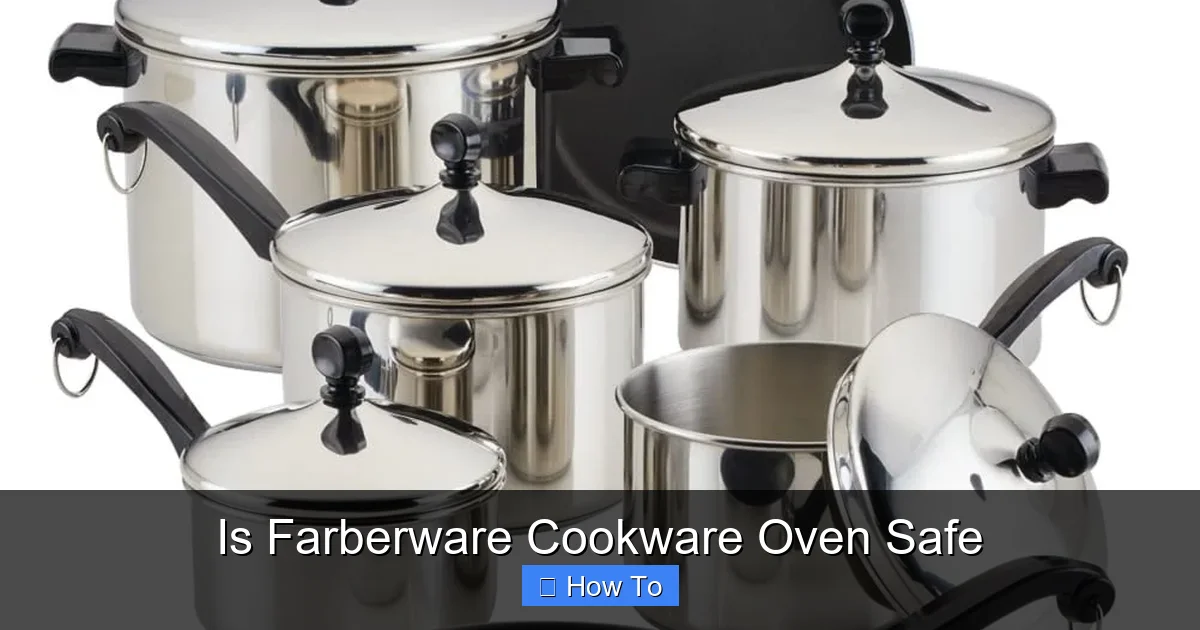
Understanding temperature limits is crucial for using Farberware safely. Most standard Farberware cookware is rated for oven use up to approximately 450 degrees Fahrenheit. This range covers everything from baking bread and casseroles to roasting vegetables and searing meats. However, this number can vary significantly based on whether you’re looking at traditional stainless steel, premium ceramic, or specialized non-stick options.
Visual guide about Is Farberware Cookware Oven Safe
Image source: m.media-amazon.com
To put this in perspective, a typical oven preheats to around 375°F, which falls comfortably within the safe zone for almost all Farberware products. Even their most advanced models are designed to handle this temperature range effectively. If you encounter a Farberware item labeled differently—perhaps marked for stovetop-only use—you’ll want to respect those specific constraints rather than pushing the limits.
Common Farberware Products and Their Oven Safety
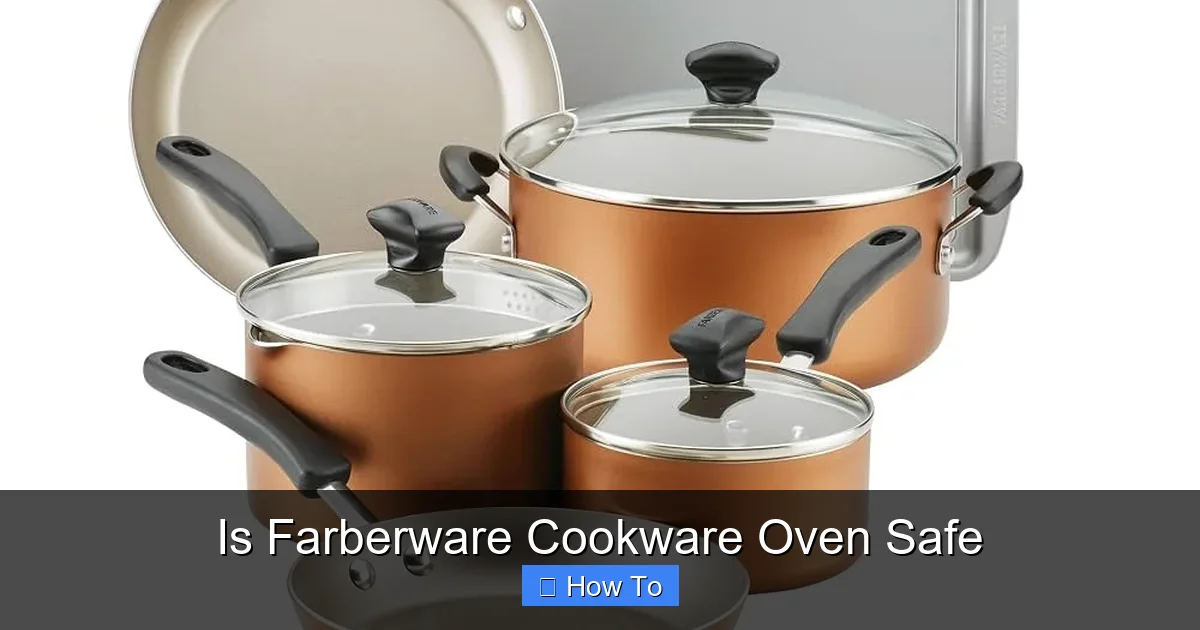
When evaluating Farberware’s oven performance, it helps to break down the common categories. Baking dishes, such as round cake pans and Dutch ovens, represent one of the most frequently used oven-safe Farberware items. These deep vessels can easily reach the top of the oven cavity without issue as long as you monitor them closely and avoid overcrowding.
Visual guide about Is Farberware Cookware Oven Safe
Image source: m.media-amazon.com
Sauce pans and skillets round out another major category. These flat-bottomed Farberware pieces are perfect for sautéing, simmering sauces, and baking small pies. Because they have larger surface areas exposed to dry heat, they benefit from having adequate ventilation around the rim—these airflow channels are integral to effective heat distribution.
Pots and large pans (like stock pots or pasta water kettles) are among Farberware’s heavier-duty offerings. While they’re primarily designed for simmering on the stovetop, many cooks appreciate their ability to transition seamlessly to the oven for baking root vegetables or heating soups. The thick walls of these pots distribute heat evenly, making them reliable choices for both stove and oven use.
Practical Tips for Using Farberware in the Oven
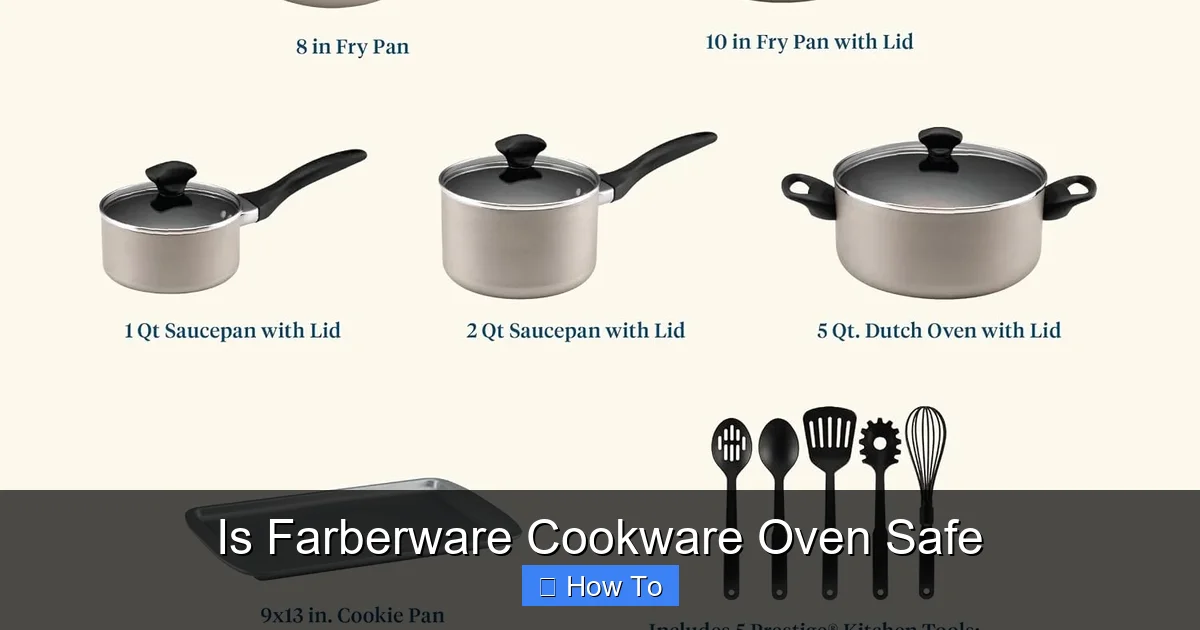
To maximize the longevity and effectiveness of your Farberware, consider these practical tips when working with it in the oven. First, allow any previously baked food to cool completely before removing it from the oven. Sudden temperature shifts can cause thermal shock, especially in thinner-bottomed or heavily glazed cookware.
Visual guide about Is Farberware Cookware Oven Safe
Image source: m.media-amazon.com
Second, keep an eye on high-gloss non-stick finishes. If you notice minor discoloration or scratching after repeated oven exposure, it might be time to replace that piece. The same goes for any decorative elements on the exterior of stainless steel Farberware—if paint chips appear near the bottom, extreme heat could exacerbate the problem.
Third, use temperature guides when needed. While the general rule applies to most Farberware, occasionally consulting the manufacturer’s documentation provides precise numbers. For example, some ceramic-coated Farberware might stop being considered fully oven-safe at higher temperatures compared to their stainless steel counterparts.
When Not to Use Farberware in the Oven
Even though Farberware is largely oven-friendly, there are situations where you should exercise caution. Dishwasher wash cycles can introduce harsh detergents and high-frequency vibrations that may dull non-stick coatings over time. Similarly, placing thin-walled Farberware directly onto hot oven racks can cause uneven heating and potential cracking.
Also consider the state of the cookware. Burnt-on food residue should always be removed before baking with Farberware to prevent cross-contamination between batches. And never attempt to overheat plastic accessories that come with certain Farberware sets—internal components that aren’t meant for full oven immersion will melt or deform.
For specialty items like engraved patterns or complex decorative details, err on the side of caution. These finishing touches may not survive prolonged exposure to peak oven temperatures. When in doubt, consult the care instructions specific to your Farberware model; manufacturers often include important notes even on products marketed as “oven safe.”
Frequently Asked Questions
Question? What is Farberware oven safe?
Farberware cookware is generally oven safe, with most stainless steel and ceramic models capable of withstanding temperatures up to 450-500°F. Always check the specific product label for exact temperature limits, as some specialty finishes may have lower tolerances.
Question? Can I bake casseroles in Farberware?
Yes, most Farberware baking dishes are perfectly suitable for oven use. They are designed specifically for baking and can safely handle typical oven temperatures without issue.
Question? What happens if I put Farberware in a cold oven?
Placing cold Farberware directly into a very hot oven won’t damage it, but let it warm up gradually for best results. Rapid temperature changes can cause stress on certain materials, so allow the cookware to acclimate slowly.
Question? Are Farberware pots microwave safe too?
Not necessarily. While some stainless steel Farberware is microwave-compatible, many non-stick versions are not recommended for microwave use. Always follow the manufacturer’s guidelines for separate cooking methods.
Question? How do I clean baked Farberware?
After baking, remove food remnants while hot for easier cleanup. Hand washing is usually sufficient; avoid abrasive scrubbers that could scratch the surface, especially on non-stick coated pieces.
Question? Is Farberware dishwasher safe?
Many Farberware products are dishwasher safe, but the cycle settings matter. Use gentle programs and avoid the hottest drying levels to preserve non-stick coatings and finish integrity.