Is Emeril Cookware Oven Safe
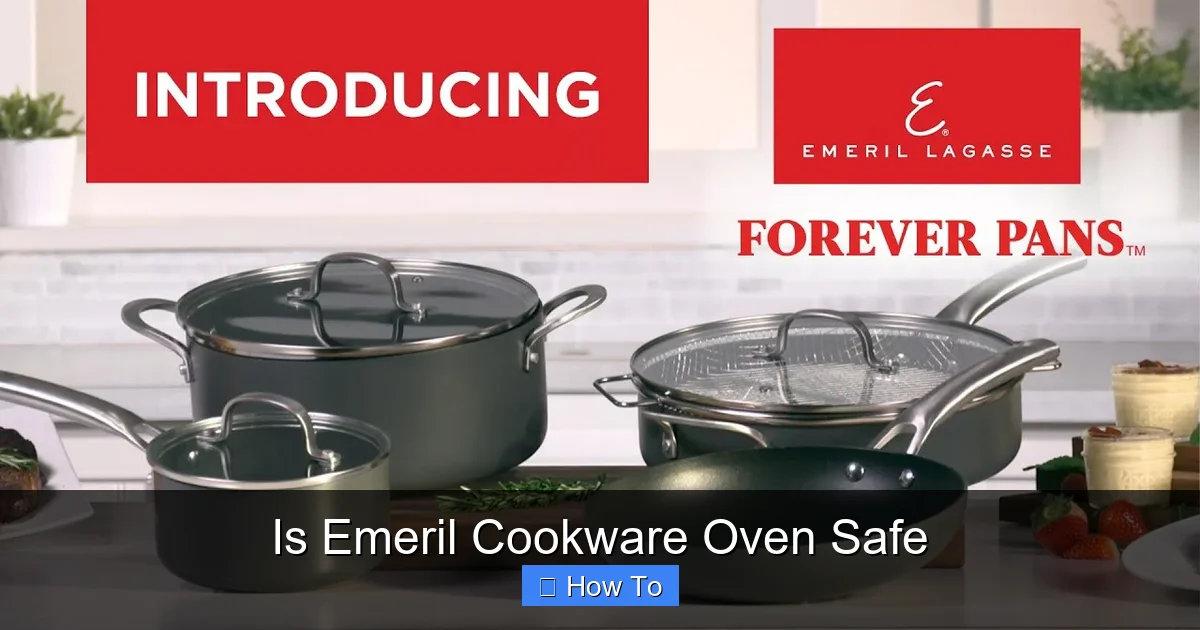
Emeril cookware is generally oven safe, but you must check the specific temperature limits for each piece. Most lines can handle standard baking temperatures, but non-stick coatings have thresholds. Always refer to the manufacturer’s guidelines to avoid damage or safety risks. With proper care, your Emeril pots and pans can enhance your oven cooking.
Key Takeaways
- Temperature Limits Matter: Emeril cookware often has maximum oven temperatures, typically between 400°F and 500°F, depending on the material and coating.
- Check for Non-Stick Coatings: Pieces with non-stick surfaces require extra caution, as high heat can degrade the coating and release harmful fumes.
- Material Influences Safety: Stainless steel and hard-anodized aluminum are more oven-resistant than coated options, but always verify each item’s specs.
- Use Proper Accessories: Avoid using plastic or silicone handles without heat protection, as they may melt in the oven.
- Handwashing Recommended: To maintain oven safety and longevity, handwash your Emeril cookware instead of using a dishwasher, especially after oven use.
- Avoid Thermal Shock: Sudden temperature changes, like placing a hot pan in cold water, can damage oven-safe cookware, so let it cool gradually.
- Read Labels Carefully: Always look for the “oven safe” symbol or instructions on the packaging or bottom of the cookware before putting it in the oven.
📑 Table of Contents
Is Emeril Cookware Oven Safe? A Complete Guide
Emeril cookware has become a staple in many kitchens, thanks to its durable design and celebrity endorsement. But one common question home cooks ask is whether these pots and pans can handle the heat of an oven. The answer isn’t always straightforward, as it depends on the specific type of cookware you own. In this guide, we’ll break down everything you need to know about using Emeril cookware in the oven, so you can cook with confidence and avoid any mishaps.
Understanding Emeril Cookware and Its Materials
Before diving into oven safety, it’s helpful to understand what Emeril cookware is made of. The brand offers several lines, each with different materials that affect how they perform in high-heat environments. Knowing your cookware’s composition is the first step in determining its oven safety.
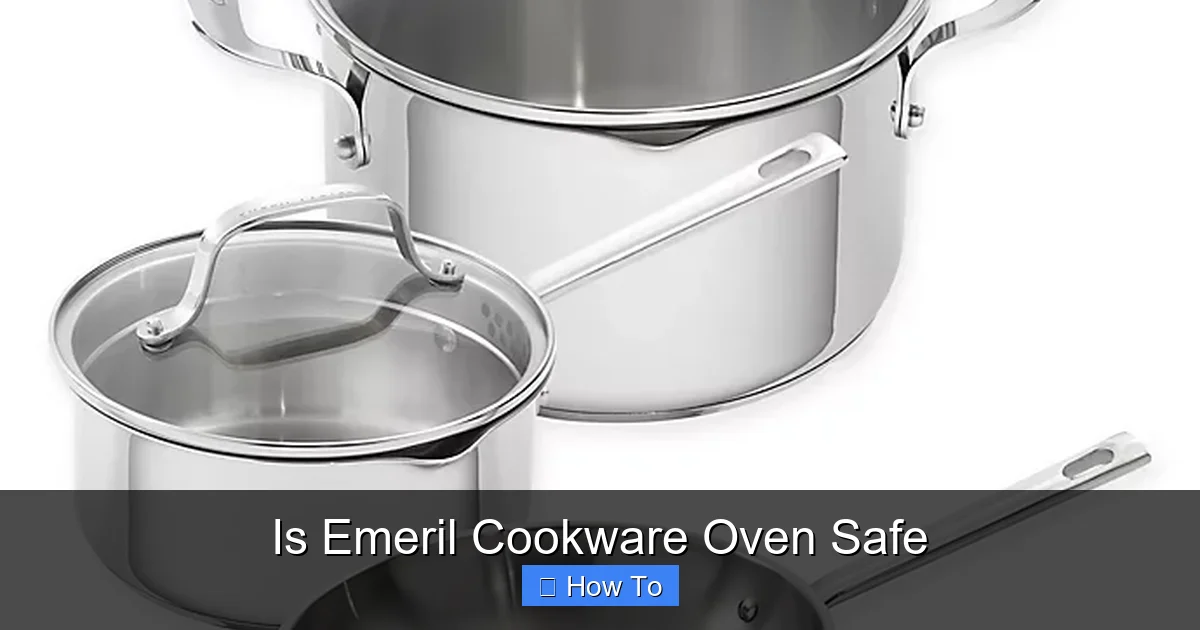
Visual guide about Is Emeril Cookware Oven Safe
Image source: b3h2.scene7.com
What Makes Emeril Cookware Special?
Emeril cookware is designed for everyday cooking, combining functionality with style. The most popular lines include hard-anodized aluminum, stainless steel, and non-stick options. Hard-anodized aluminum is known for its durability and even heat distribution, while stainless steel offers excellent heat retention. Non-stick versions make cleanup easy but come with temperature limitations. Each material has unique properties that influence how it reacts to oven heat.
Common Materials Used in Emeril Products
The hard-anodized aluminum in Emeril cookware is treated to create a hard surface that resists scratches and corrosion. This material is often oven safe up to 400°F or higher, but it’s essential to check for any non-stick coatings that might lower the threshold. Stainless steel pieces are generally more robust and can withstand temperatures up to 500°F or even more, making them ideal for oven use. However, some sets include silicone handles or lids that may not be heat-resistant, so always inspect your specific item.
General Oven Safety for Cookware
When it comes to putting any cookware in the oven, there are universal rules to follow. Oven safety isn’t just about the material; it’s also about how you use the cookware. Understanding these basics can help you avoid common pitfalls and extend the life of your kitchen tools.
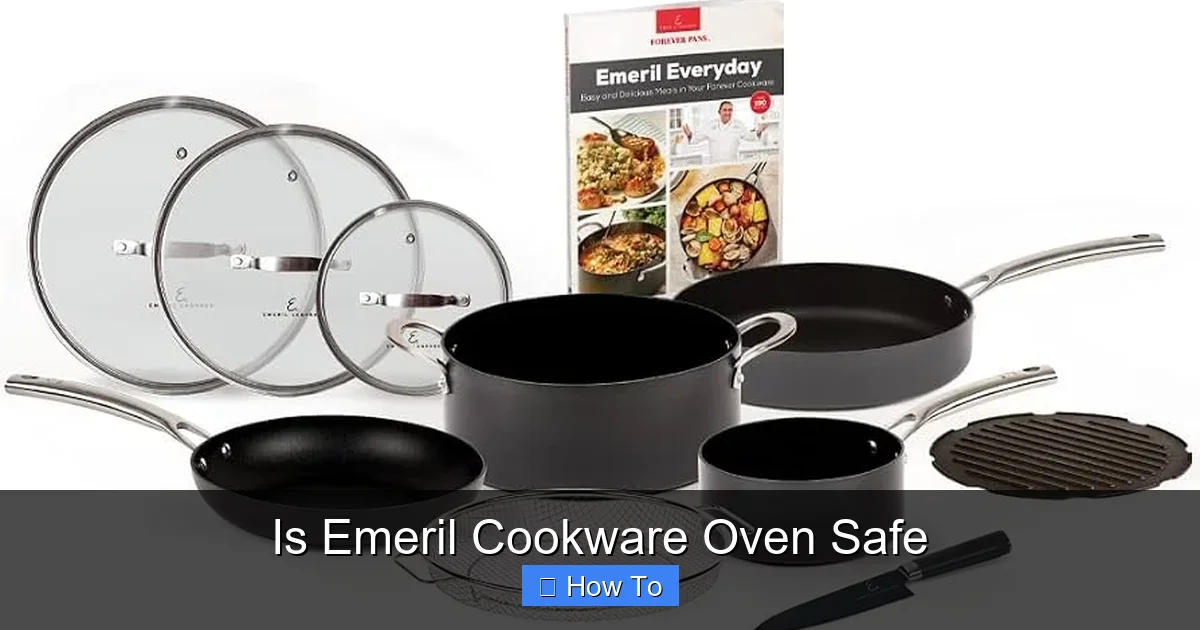
Visual guide about Is Emeril Cookware Oven Safe
Image source: m.media-amazon.com
Why Oven Safety Matters
Using cookware that isn’t oven safe can lead to several problems. For instance, non-stick coatings might break down at high temperatures, releasing toxic fumes that are harmful to your health. Additionally, materials like plastic or certain metals can warp, melt, or damage your oven. Always prioritize safety to protect both your cookware and your well-being. If you’re curious about other brands, you might find it helpful to explore resources like Is Gotham Steel Cookware Safe, which covers similar concerns for comparable non-stick options.
Key Factors to Consider
First, always look for the “oven safe” label on your cookware. This indicates that the manufacturer has tested it for oven use. Second, consider the handles and lids—materials like silicone or plastic may have lower heat limits than the pot itself. Finally, be mindful of thermal shock; rapid temperature changes can cause cracking or warping. For more general advice, check out Is Oven Safe Also Air Fryer Safe, which discusses multi-use cookware compatibility.
Specific Oven Safety for Emeril Products
Now, let’s focus on Emeril cookware specifically. While many pieces are designed for versatility, not all are created equal when it comes to oven use. The brand’s guidelines vary by product line, so it’s crucial to know which type you have.
Checking Manufacturer Guidelines
Emeril provides clear instructions for each cookware set. For example, their hard-anodized non-stick line is typically rated for oven use up to 400°F. Exceeding this temperature can damage the non-stick coating. On the other hand, their stainless steel sets often handle up to 500°F or higher. Always refer to the user manual or the product label for the most accurate information. If you’re unsure, contact customer support or visit the official website for details.
Temperature Limits by Material
- Hard-Anodized Aluminum: Usually oven safe up to 400°F, but avoid broiling or high-heat baking.
- Stainless Steel: Can often withstand 500°F or more, making it suitable for most oven recipes.
- Non-Stick Coatings: Limited to 400-450°F; higher heat can cause peeling or fumes.
Remember that lids made of glass or ceramic might have different limits—glass lids, for instance, can usually go up to 425°F, but always check for any “oven safe” markings. If your Emeril cookware has ceramic coatings, you might want to learn more about similar products, such as Is Blue Diamond Ceramic Cookware Safe, for additional insights into oven compatibility.
Tips for Safe Use in the Oven
Using Emeril cookware in the oven doesn’t have to be risky. With a few simple tips, you can ensure safe and effective cooking. These practices will help you get the best results while protecting your cookware from damage.
Preparation and Handling
Before placing your Emeril cookware in the oven, make sure it’s clean and dry. Moisture can cause steam pockets that lead to uneven cooking or damage. Use oven mitts to handle hot pans, as some surfaces can retain heat even if the exterior feels cool. When transferring from the oven, avoid sudden temperature changes—let the cookware cool on a heat-resistant surface before washing.
Recipe Adjustments
For oven recipes, consider the type of dish you’re cooking. Baking at moderate temperatures (around 350-400°F) is generally safe for most Emeril pieces. If you need higher heat, opt for stainless steel over non-stick options. Also, avoid using metal utensils inside the oven, as they can scratch surfaces. Instead, use wooden or silicone tools that are oven-safe. If you’re experimenting with new appliances, it’s worth noting how oven safety extends to devices like air fryers; for example, Is Oven Safe Air Fryer Safe offers tips for multi-functional cookware.
Common Mistakes and How to Avoid Them
Even experienced cooks can make errors when using cookware in the oven. Knowing these common mistakes can save you time, money, and frustration. Here are the most frequent pitfalls and how to steer clear of them.
Overheating the Cookware
One of the biggest mistakes is exceeding the temperature limit. For instance, putting a non-stick Emeril pan under the broiler at 500°F can ruin the coating and create health hazards. Always use a thermometer to monitor oven accuracy, as many ovens run hotter than their settings suggest. If you’re unsure about a recipe’s temperature, err on the side of caution and choose a lower setting.
Ignoring Handle and Lid Safety
Another common error is forgetting about auxiliary parts. Handles made of silicone or plastic may melt or degrade in the oven, even if the pot itself is safe. Similarly, glass lids can shatter if exposed to extreme heat or thermal shock. Before using any Emeril piece in the oven, inspect all components for oven-safe labels. When in doubt, remove lids and handles before baking, or use alternative covers like foil.
Improper Cleaning After Oven Use
After oven use, allow your Emeril cookware to cool completely before cleaning. Washing a hot pan with cold water can cause warping or cracking. Handwash with mild soap and a soft sponge to preserve the surface. Avoid abrasive cleaners that might scratch non-stick coatings. Proper maintenance not only ensures oven safety but also extends the life of your cookware.
Final Verdict on Emeril Cookware Oven Safety
In conclusion, Emeril cookware can be oven safe, but it requires careful attention to the specific type and temperature limits. Most pieces are designed for versatility, but always start by checking the manufacturer’s guidelines. With proper use, your Emeril pots and pans can become reliable tools for oven cooking, from casseroles to roasts. Remember, safety comes first—when in doubt, choose lower temperatures and monitor your dishes closely. By following these tips, you’ll enjoy delicious meals while keeping your cookware in top condition for years to come.
Frequently Asked Questions
What is the maximum oven temperature for Emeril cookware?
The maximum oven temperature for Emeril cookware varies by material, but non-stick pieces are typically safe up to 400°F, while stainless steel can handle 500°F or higher. Always check the specific product label for exact limits.
Can I use Emeril cookware in a toaster oven?
Yes, you can use Emeril cookware in a toaster oven, but ensure the toaster oven’s temperature does not exceed the cookware’s limit. Toaster ovens often have hot spots, so monitor your food closely to prevent overheating.
Are Emeril non-stick pans oven safe?
Most Emeril non-stick pans are oven safe up to 400°F, but it’s essential to verify this for your specific model. Exceeding this temperature can damage the coating and release harmful fumes, so avoid high-heat cooking methods like broiling.
How do I know if my Emeril cookware is oven safe?
You can determine if your Emeril cookware is oven safe by looking for the “oven safe” symbol on the packaging or the bottom of the piece. Additionally, refer to the user manual or contact the manufacturer for confirmation based on the material and coating.
What should I do if my Emeril cookware gets damaged in the oven?
If your Emeril cookware shows signs of damage, such as peeling coating or warping, stop using it immediately. Discontinue oven use and consider replacing the piece, as damaged cookware can pose safety risks during future cooking.
Can I put Emeril cookware with silicone handles in the oven?
It depends on the silicone’s heat resistance. Some Emeril pieces have silicone handles rated for oven use up to 400°F, but always check the manufacturer’s instructions. If unsure, remove the handles or use oven mitts for protection.