Is Farberware Nonstick Cookware Oven Safe
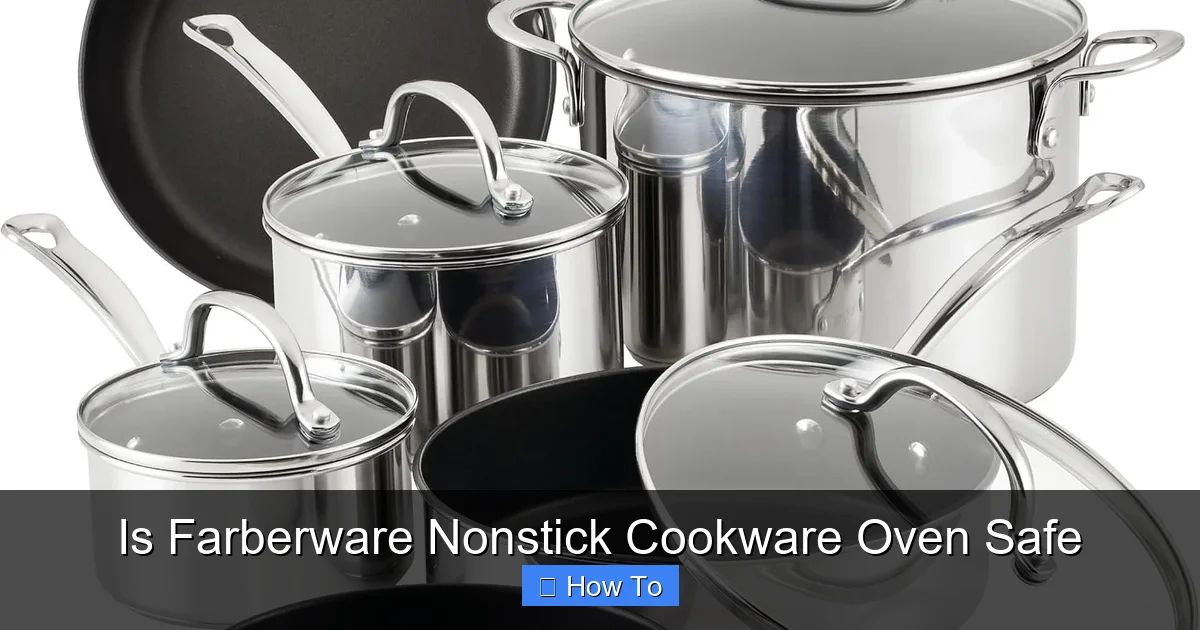
Farberware Nonstick Cookware is generally oven safe up to 500°F, but only when the pans are undamaged and used correctly. Always check the manufacturer’s label, avoid high‑heat broiling, and let the cookware cool before cleaning to preserve the nonstick coating and prevent warping.
If you’ve ever stared at a Farberware nonstick skillet and wondered, “Can I toss this in the oven?” you’re not alone. Many home cooks love the convenience of a Farberware pan because it browns meat evenly, slides food out easily, and often comes with a price that feels friendly to the wallet. Yet the question lingers: Is Farberware nonstick cookware oven safe? The short answer is yes—but only under the right conditions. In this guide we’ll dive deep into the materials, temperature limits, and real‑world tips that will help you use your Farberware pieces confidently in the oven. By the end, you’ll know exactly how to test safety, what to avoid, and how Farberware compares to other popular brands. Let’s get cooking (and learning)!
Key Takeaways
- Check the Label First: The bottom of each Farberware pan usually includes an “Oven Safe up to 500°F” stamp. Trust the label over guesswork.
- Inspect for Damage: Cracks, scratches, or a peeling nonstick surface mean the cookware should not go in the oven.
- Use Proper Heat: Stay at or below the stated max temperature. Rapid temperature swings can warp the aluminum core.
- Cool Before Cleaning: Hot pans release steam. Letting them cool for 10‑15 minutes prevents thermal shock and preserves the coating.
- Avoid Direct Flames: Farberware nonstick is not designed for direct flame or broiler elements. Use the oven’s convection or radiant heat instead.
- Compare to Other Brands: Other reputable brands like Crofton cookware, Henckels cookware, and Sensarte cookware follow similar safety guidelines—always verify each brand’s specific limits.
📑 Table of Contents
Understanding Farberware Nonstick Cookware
Materials and Construction
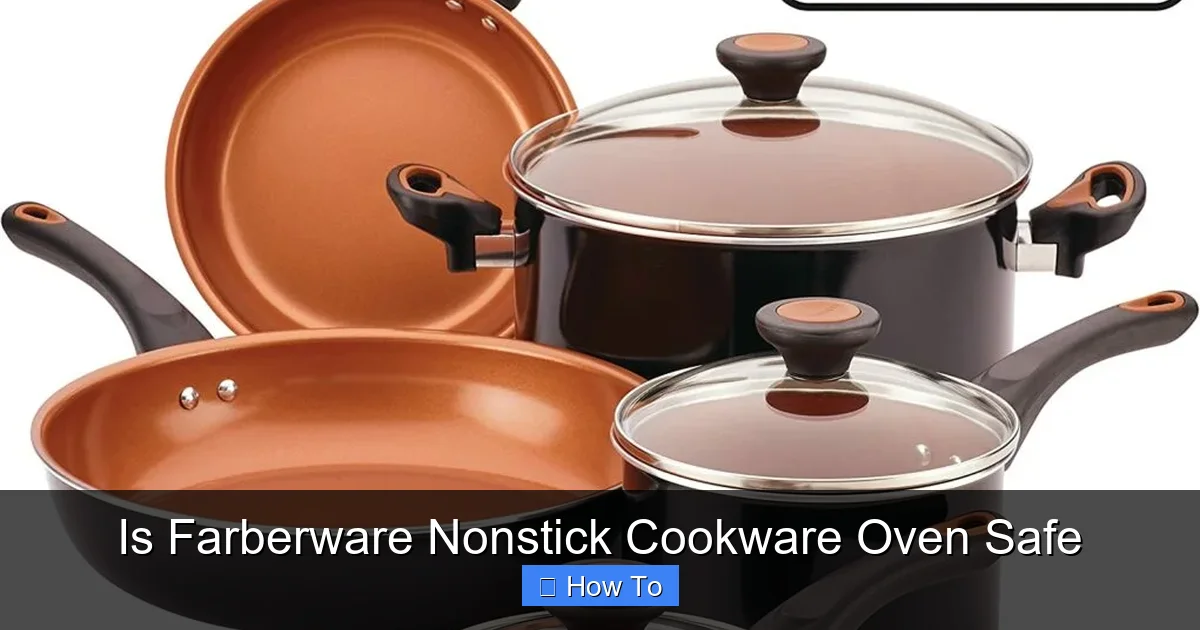
Farberware nonstick pans are built around an aluminum core that provides even heat distribution. The core is coated with a PTFE (polytetrafluoroethylene) nonstick layer, often reinforced with a ceramic additive for extra durability. This combination makes the cookware lightweight yet sturdy, perfect for everyday meals. The aluminum core can handle heat, but the coating has its limits, which is why the manufacturer stamps each pan with a maximum oven temperature—usually 500°F (260°C).
When you hold a Farberware pan, you’ll notice a smooth, glossy surface. That gloss is the nonstick coating, and it’s what protects the aluminum underneath. If the coating chips or wears away, the aluminum can start to react with food acids, potentially affecting flavor and safety. That’s why inspecting the coating before oven use is a critical step.
Common Misconceptions
One myth says that all nonstick pans are “oven safe” by default. That’s false. Even high‑quality brands like Crofton cookware or Henckels cookware have specific temperature thresholds. Another misconception is that you can toss a hot pan straight into a cold oven to “temper” it. This rapid temperature change can cause the aluminum core to expand unevenly, leading to warping. The safest method is to place the pan in a cold oven and let it heat gradually with the oven itself.
Also, many people think that because Farberware nonstick pans are affordable, they must be less durable than premium options. While price can reflect added features like reinforced handles, the core construction of Farberware is comparable to many mid‑range brands. For a deeper dive into how other brands stack up, check out our guide on Crofton cookware safety and Henckels cookware safety. Understanding these comparisons helps you make informed choices.
Oven Safety Standards
What “Oven Safe” Really Means
When a product is labeled “oven safe,” it means the materials can withstand the temperatures typical in a home oven without cracking, warping, or releasing harmful chemicals. For Farberware nonstick, this generally includes the aluminum core and the PTFE coating up to 500°F. Above that temperature, the coating can break down, potentially releasing perfluorooctanoic acid (PFOA) fumes, which are not ideal for kitchen air quality.
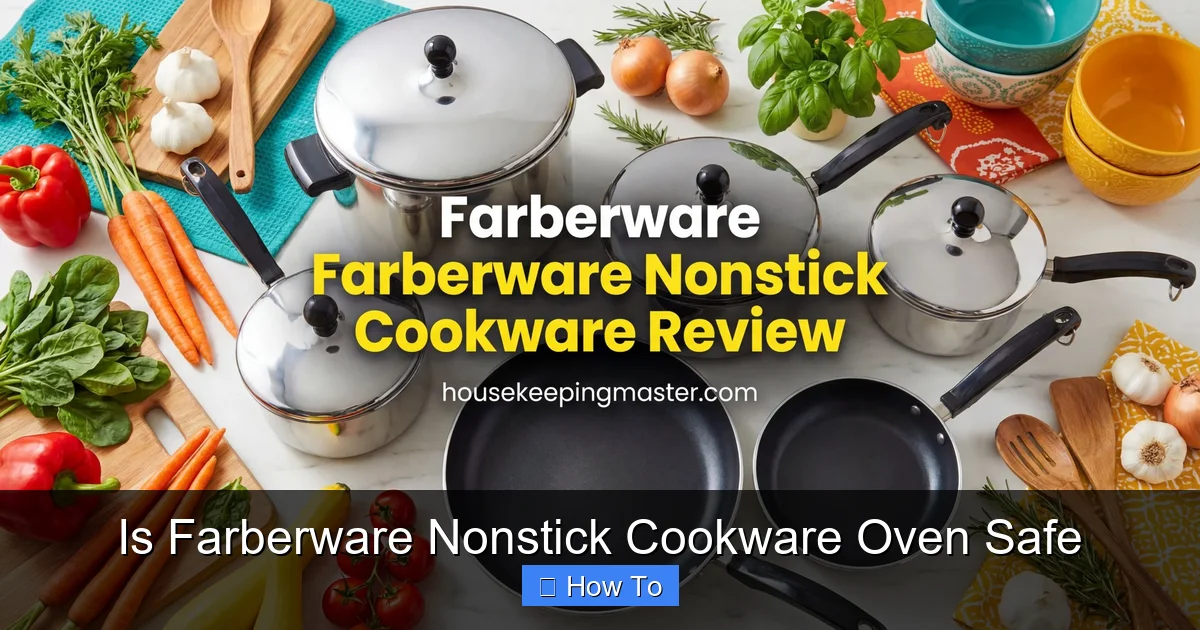
Visual guide about Is Farberware Nonstick Cookware Oven Safe
Image source: sp-ao.shortpixel.ai
Regulatory bodies like the U.S. Consumer Product Safety Commission (CPSC) set guidelines for cookware, but they often rely on manufacturer specifications. That’s why reading the label on the bottom of your Farberware pan is the first and most reliable step. If the label says “Oven Safe up to 500°F,” treat that as your absolute ceiling.
Temperature Limits and Warnings
Most Farberware nonstick pans carry a stamp that reads something like “Oven Safe to 500°F (260°C).” This is not a suggestion; it’s a hard limit. Here are the typical temperature ranges:
- Low‑heat baking (300‑350°F): Perfect for cakes, casseroles, and slow‑cooked dishes. The nonstick coating remains stable.
- Medium‑heat roasting (400‑450°F): Great for vegetables, chicken, and roasted potatoes. Stay within the 500°F limit.
- High‑heat broiling or direct flame: Not recommended. The coating can degrade quickly, and the aluminum may warp.
Always use an oven thermometer to verify actual temperature, especially if your oven runs hot or cold. If you’re unsure, start at a lower setting and increase gradually, checking doneness with visual cues rather than relying on temperature alone.
How to Test Oven Safety
Visual Inspection
Before you even think about sliding a Farberware pan into the oven, give it a thorough look. Look for:
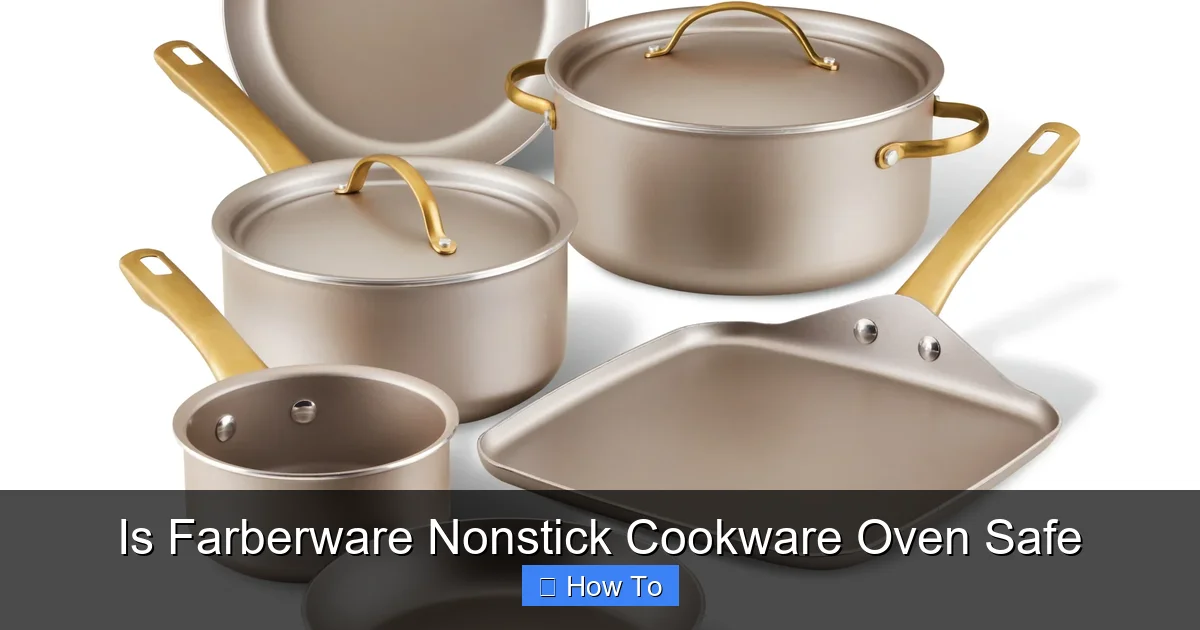
Visual guide about Is Farberware Nonstick Cookware Oven Safe
Image source: farberwarecookware.com
- Visible scratches or chips in the nonstick surface.
- Loose handles or worn‑out rivets.
- Any discoloration that suggests the coating has burned.
If any of these issues appear, set the pan aside for stovetop use only. A damaged coating not only reduces performance but can also pose health risks when heated.
Temperature Tolerance Tests
While you can trust the manufacturer’s label, a quick “sanity check” can add peace of mind. Here’s a simple method:
- Preheat your oven to the maximum temperature listed on the pan (e.g., 500°F).
- Place the empty pan on a middle rack and let it heat for 5‑10 minutes.
- Using oven‑safe gloves, gently touch the back of the pan (the side opposite the cooking surface). If it feels comfortably warm but not scorching, you’re within safe limits.
If the pan feels excessively hot or you notice any odor, remove it immediately. This test should only be done on a brand‑new, undamaged pan.
Best Practices for Using Farberware Nonstick in the Oven
Preheating Tips
Never place a cold Farberware pan into a hot oven. This thermal shock can cause the aluminum core to expand unevenly, leading to warping. Instead, follow these steps:
Visual guide about Is Farberware Nonstick Cookware Oven Safe
Image source: kitchendeets.com
- Turn the oven on first and let it reach the desired temperature.
- Place the empty pan on a rack and let it sit for 2‑3 minutes so it can “acclimate.”
- Insert your food and proceed with cooking.
Acclimating the pan helps maintain the structural integrity of both the core and the coating.
Using Oven Accessories Safely
When you need extra support, oven‑safe accessories like wire racks or Dutch ovens can be helpful. Just ensure they are rated for high temperatures. For example, a stainless‑steel rack can hold a Farberware skillet while allowing air to circulate, reducing the risk of hotspots.
If you’re using a baking stone, place the Farberware pan on top of the stone rather than directly on it. This prevents direct contact with the stone’s heat, which could scorch the nonstick coating.
When Not to Use Nonstick in the Oven
Signs of Damage
Even a small chip can become a big problem when exposed to oven heat. Look for:
- Cracks in the handle or base.
- Peeling or bubbling of the nonstick surface.
- Warped edges or a bent base.
If you notice any of these, keep the pan away from the oven. Instead, consider using a complementary brand like Sensarte cookware for dishes that require oven baking. Their ceramic-coated pans are often marketed as oven safe up to similar temperatures, giving you a reliable alternative.
High‑Heat Cooking Risks
Broiling, direct flame, and high‑temperature roasting (above 500°F) are off‑limits for Farberware nonstick. The PTFE coating can break down, releasing potentially harmful fumes. Additionally, the aluminum core may warp, causing the pan to sit unevenly and creating hot spots that can burn food.
If you need to sear meat first and then finish in the oven, use a different pan—perhaps a cast‑iron skillet—for the high‑heat step, then transfer the meat to your Farberware pan for the final oven bake.
Comparing Farberware to Other Brands
Safety Features Overview
Farberware sits comfortably in the mid‑range market, offering decent safety features at an accessible price point. Many users compare it to premium brands like Henckels and Sensarte. While Henckels often uses thicker aluminum cores and more robust handles, the core safety limits (temperature thresholds) remain similar across the board.
When you look at Sensarte cookware, you’ll notice they emphasize ceramic‑reinforced nonstick layers, which can be slightly more heat‑resistant. However, they still advise staying under 500°F. For a detailed look at how Sensarte handles oven safety, check out our article on Sensarte cookware safety.
In short, the safety principles are universal: inspect for damage, respect temperature limits, and avoid direct flame. The brand you choose often comes down to budget, weight preference, and additional features like stackable lids.
Consumer Reviews and Real‑World Feedback
Reading real user experiences can be eye‑opening. Many home cooks report successful oven baking with Farberware nonstick pans, citing consistent results with casseroles and baked goods. Others caution against using the pans for broiling, noting that the coating peeled after just a few uses.
One common theme in reviews of Crofton cookware is that users appreciate the straightforward safety labels, which make it easy to know when a pan is safe for the oven. Similarly, Henckels cookware owners often mention the solid construction but also stress the importance of staying within temperature limits.
If you’re still on the fence, consider trying a lower‑temperature recipe first—like a low‑heat baked fish or a gentle ratatouille. If the pan performs well, you can gradually expand to higher‑temperature dishes, always monitoring for any signs of coating breakdown.
In the end, Farberware nonstick cookware can be a reliable companion in the oven, provided you follow the manufacturer’s guidelines. By checking the label, inspecting for damage, and using the pan within its temperature range, you’ll enjoy delicious baked meals without compromising safety or performance.
Frequently Asked Questions
Is every Farberware nonstick pan oven safe?
Most Farberware nonstick pans are labeled “Oven Safe up to 500°F,” but always check the bottom of the specific model. If the label says otherwise, follow those instructions. Damaged or chipped pans should never go in the oven.
What happens if I exceed the temperature limit?
Exceeding 500°F can cause the PTFE nonstick coating to break down, potentially releasing fumes and damaging the pan’s aluminum core. It may also warp the pan, making it unsafe for future use.
Can I use a Farberware pan for broiling?
No. Broiling involves direct, high heat that exceeds the safe temperature range for Farberware nonstick coatings. Use a different pan designed for broiling, such as a cast‑iron skillet.
Do I need to preheat the oven before adding the pan?
It’s best to place the empty pan in a cold oven and let both heat together. This gradual heating prevents thermal shock and protects the nonstick coating.
How do I know if the nonstick coating is damaged?
Look for scratches, chips, peeling, or bubbling on the cooking surface. If you see any of these signs, stop using the pan in the oven and consider using a different cookware brand like Sensarte cookware for oven‑safe needs.
Can I use oven accessories like baking stones with Farberware pans?
Yes, but place the Farberware pan on top of the stone rather than directly on it. This prevents direct high heat contact that could scorch the nonstick coating.