How Much Energy Does an Air Fryer Use Compared to an Oven 2
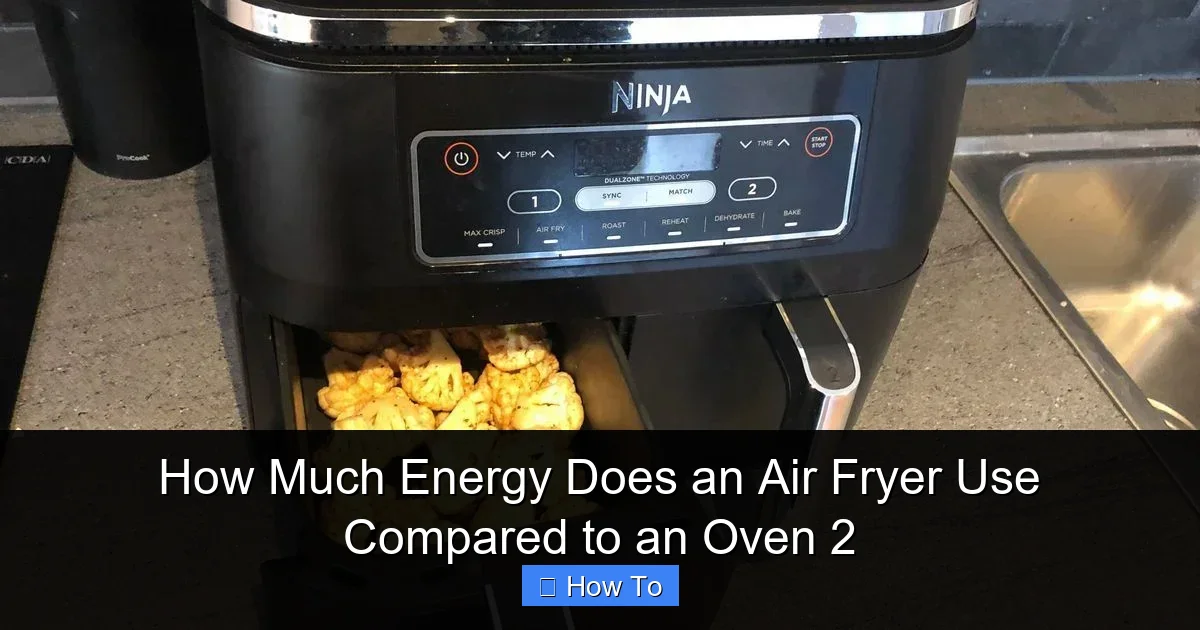
When comparing energy use, air fryers typically consume less power than conventional ovens, offering faster cooking times and lower electricity costs. Understanding the differences between these appliances can help you save money and energy. This guide breaks down power consumption, cost analysis, and practical tips for choosing the right tool for your kitchen tasks.
Key Takeaways
- Energy Consumption: Air fryers use 1000-1500 watts vs. ovens’ 3000-5000 watts, making them more energy-efficient for small portions.
- Cost Savings: Lower wattage means reduced electricity bills, especially when cooking small meals daily.
- Speed Advantage: Air fryers cook food 20-30% faster, cutting energy use during operation.
- Longevity: Frequent oven use may wear out heating elements faster than occasional air fryer use.
- Environmental Impact: Using an air fryer reduces overall energy demand, lowering your carbon footprint.
- Practical Tips: Match appliance choice to meal size—use air fryers for 1-2 servings, ovens for large batches.
- Hybrid Solutions: Some ovens now include air fryer modes, combining both technologies for efficiency.
📑 Table of Contents
- Understanding Energy Use in Kitchen Appliances
- Cost Comparison: Balancing Price and Efficiency
- Speed and Efficiency: Why Air Fryers Win for Small Meals
- Longevity and Durability: A Hidden Factor
- When to Choose Each Appliance
- Maximizing Efficiency: Tips for Both Appliances
- Hybrid Solutions: The Best of Both Worlds
- Environmental Impact: Making Eco-Friendly Choices
- Conclusion: Making an Informed Choice
Understanding Energy Use in Kitchen Appliances
When you’re deciding between an air fryer and an oven, energy efficiency is a big consideration. Both appliances use electricity to generate heat, but their designs and purposes lead to significant differences in power consumption. Ovens are built to handle large, evenly distributed heat for baking and roasting, while air fryers focus intense heat on smaller food portions to mimic deep-frying. This fundamental design difference means air fryers often use less energy per cooking session, but understanding the full picture requires digging deeper into how each appliance operates.
Power Ratings: What the Numbers Really Mean
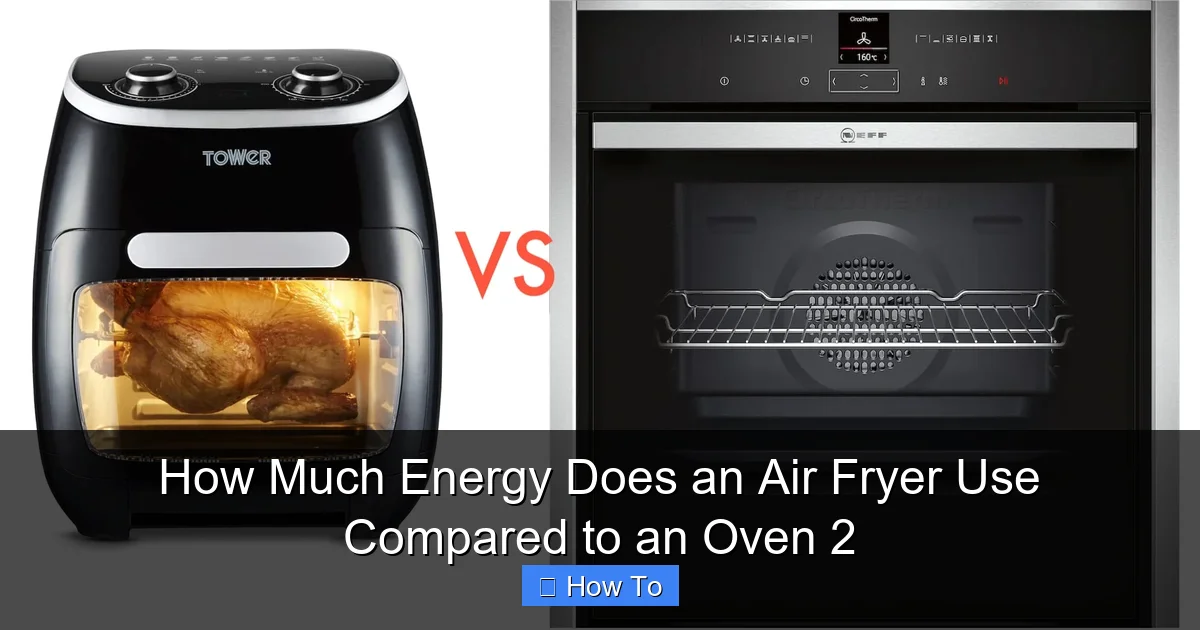
Air fryers typically range from 1000 to 1500 watts, while standard ovens consume between 3000 and 5000 watts. This means an air fryer uses roughly half the power of an oven at any given moment. However, cooking time plays a crucial role. For example, if you’re cooking chicken tenders in an air fryer for 12 minutes versus an oven for 20 minutes, the total energy used might be comparable. But for small portions like a single serving of french fries, the air fryer’s lower wattage and shorter cooking time often result in significant savings.
Cost Comparison: Balancing Price and Efficiency
Calculating the cost of using an air fryer versus an oven involves more than just wattage. Electricity rates vary by region, but the average U.S. household pays about $0.13 per kilowatt-hour (kWh). Here’s a quick breakdown:
Visual guide about How Much Energy Does an Air Fryer Use Compared to an Oven 2
Image source: circaairfryer.com
Air Fryer Costs
For a 1200-watt air fryer used for 15 minutes:
- Energy used: 0.3 kWh (1200W x 0.25 hours = 300Wh)
- Cost: ~$0.04 per session
Oven Costs
For a 4000-watt oven used for 30 minutes:
- Energy used: 2 kWh (4000W x 0.5 hours = 2000Wh)
- Cost: ~$0.26 per session
Over a year, these differences add up. If you cook small meals 5 times a week, the air fryer could save you over $50 annually compared to using an oven.
Speed and Efficiency: Why Air Fryers Win for Small Meals
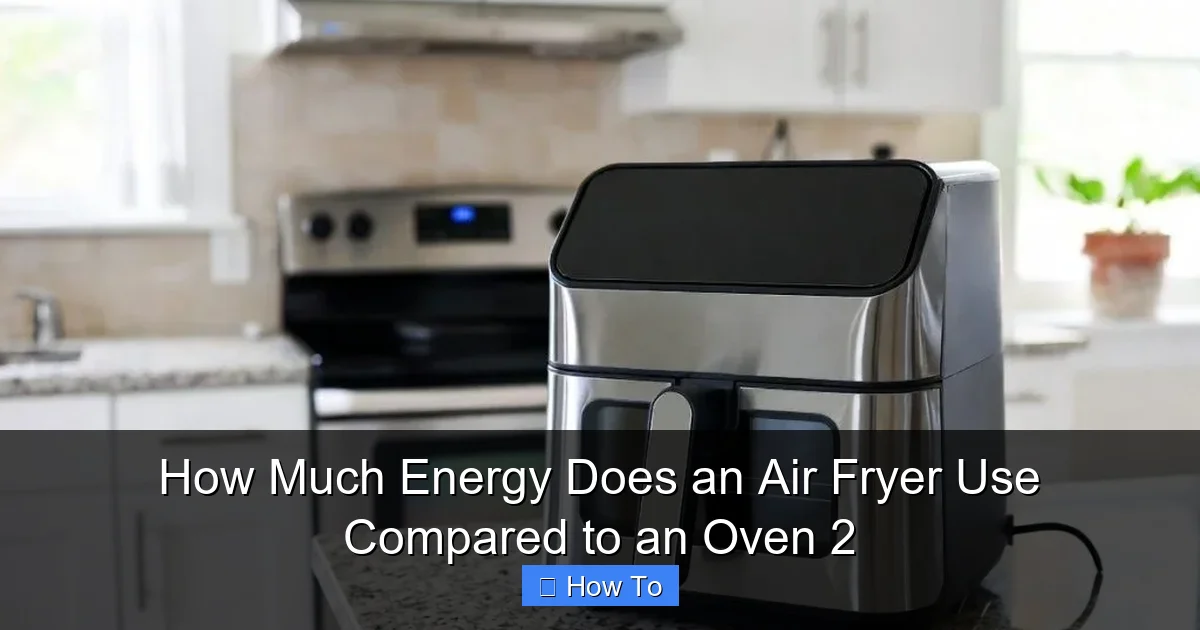
One of the biggest advantages of air fryers is their ability to cook food faster than ovens. This speed isn’t just convenient—it directly impacts energy use. For example, reheating leftover pizza in an air fryer takes 3-5 minutes, while an oven might take 10-15 minutes. During those shorter periods, the air fryer’s lower wattage means less total energy consumption. Similarly, cooking a single chicken breast in an air fryer (12-15 minutes) uses less energy than roasting it in an oven (20-25 minutes).
Visual guide about How Much Energy Does an Air Fryer Use Compared to an Oven 2
Image source: homeunderstandable.com
Real-Life Example: Cooking Chicken Tenders
Imagine you’re preparing chicken tenders for dinner:
- Air Fryer: 1200W for 12 minutes = 0.24 kWh (~$0.03)
- Oven: 4000W for 20 minutes = 1.33 kWh (~$0.17)
The air fryer uses 85% less energy for this task, making it the clear winner for small portions.
Longevity and Durability: A Hidden Factor
While energy efficiency is important, the lifespan of your appliances also affects long-term costs. Ovens face more wear and tear from daily use, especially their heating elements and fans. Air fryers, designed for shorter sessions, may last longer under similar usage. If you plan to cook daily, an air fryer might offer better value over time due to reduced maintenance and replacement needs. However, if you frequently host large gatherings, an oven’s durability for heavy use could justify its higher energy costs.
Visual guide about How Much Energy Does an Air Fryer Use Compared to an Oven 2
Image source: quickfryerrecipes.com
When to Choose Each Appliance
The right choice depends on your cooking habits. Here’s a quick guide:
Use an Air Fryer When:
- Cooking 1-2 servings of food
- Wanting crispy results without preheating
- Prioritizing speed and energy savings
- Limited counter space or storage
Use an Oven When:
- Cooking large batches (e.g., Thanksgiving turkey)
- Baking pastries, casseroles, or pizzas
- Needing precise temperature control
- Using dishes that require even heat distribution
Maximizing Efficiency: Tips for Both Appliances
Whether you choose an air fryer or an oven, these tips can help reduce energy use:
For Air Fryers:
- Don’t overcrowd the basket—leave space for air circulation
- Preheat briefly if your model requires it
- Cook similar foods together to avoid multiple sessions
For Ovens:
- Use the smallest oven setting possible
- Turn off the oven 5-10 minutes before food is done to let residual heat finish cooking
- Cook multiple dishes at once to maximize heat usage
Hybrid Solutions: The Best of Both Worlds
Modern ovens increasingly include dedicated air fryer modes that combine convection technology with rapid heating. These hybrid ovens allow you to switch between traditional baking and air frying without needing a separate appliance. For example, brands like Samsung and LG offer ovens with air fryer settings that use targeted heat and fans for faster cooking. While these ovens may still consume more power than standalone air fryers, they offer flexibility for households that need both capabilities.
Environmental Impact: Making Eco-Friendly Choices
Reducing energy use in the kitchen isn’t just about saving money—it’s also about lowering your environmental footprint. By choosing an air fryer for small meals, you reduce overall electricity demand, which often comes from fossil fuels. Additionally, air fryers reduce the need for deep frying oils, eliminating the environmental cost of producing and disposing of large quantities of cooking oil.
Conclusion: Making an Informed Choice
The decision between an air fryer and an oven isn’t one-size-fits-all. For small, quick meals, air fryers offer undeniable advantages in energy efficiency and cost savings. However, ovens remain essential for large-scale cooking and baking. By understanding your cooking habits and matching them to the right appliance, you can optimize both your energy use and your meal prep. Whether you’re reheating leftovers or hosting a holiday dinner, choosing the right tool ensures delicious results without unnecessary energy waste.
Frequently Asked Questions
Do air fryers really use less energy than ovens?
Yes, air fryers typically use 1000-1500 watts compared to ovens’ 3000-5000 watts. This lower power draw, combined with faster cooking times, often results in less energy consumption per session, especially for small portions.
Can using an air fryer save me money on electricity?
Over time, yes. For daily small meals, an air fryer can save $40-60 annually on electricity bills. However, if you frequently cook large batches, an oven may still be more cost-effective despite higher energy use.
Is it safe to use an air fryer daily?
Absolutely. Air fryers are designed for frequent use and can last years with proper cleaning. Their compact size and quick heating make them ideal for daily meal prep without the energy waste of preheating a full oven.
Why do some people prefer air fryers over ovens?
Air fryers offer convenience (no preheating), faster cooking, and healthier results by using little to no oil. They’re also more space-efficient, making them perfect for apartments or small kitchens where oven space is limited.
How do I know if my oven has an air fryer setting?
Check your oven’s control panel for options labeled “Air Fry,” “Convection,” or “Rapid Air.” Many modern ovens include this feature, which uses a fan and radiant heat for quicker cooking. Refer to your user manual for exact instructions.
Are air fryers worth the investment compared to using an oven?
It depends on your cooking needs. If you often make small portions or reheat food, an air fryer pays for itself in energy savings and convenience. For large meals, an oven remains more practical. Combining both or choosing a hybrid oven can offer the best of both worlds.
=== INTERNAL LINKS ===
Looking to explore more? Check out these related articles: How Much Energy Does an Air Fryer Use Compared to an Oven for a foundational comparison, or How To Turn Oven Into Air Fryer to learn about converting your existing oven. For broader insights, see Why Use An Air Fryer Over An Oven to understand the benefits of switching appliances.