How Air Fryer Oven Works
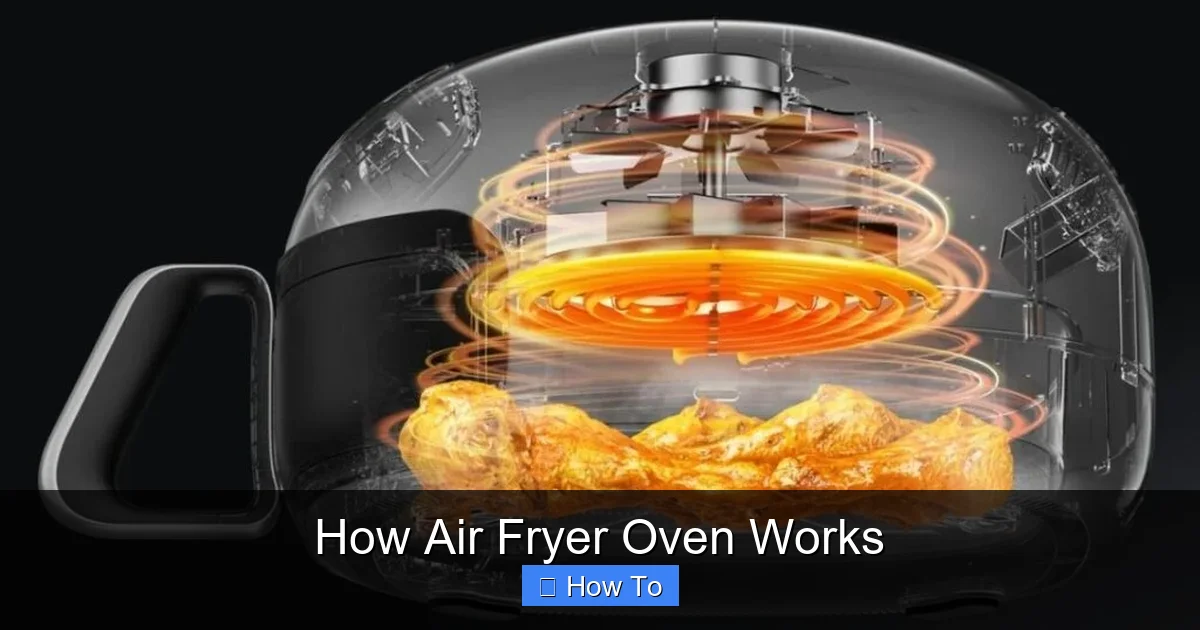
The magic of an air fryer oven lies in its use of rapid hot air circulation to cook food evenly and crisp it up with minimal oil. By combining convection heating and precise temperature control, it mimics deep-frying results while slashing fat content, making it a game-changer for health-conscious cooks.
Key Takeaways
- Rapid air circulation cooks food evenly with minimal oil.
- Heating element and fan generate convection heat for fast cooking.
- Adjustable temperature settings enable precise cooking for diverse recipes.
- Perforated basket ensures optimal airflow around food for crispiness.
- Preheating the unit enhances cooking efficiency and reduces time.
- Requires significantly less oil than deep frying for healthier results.
- Multi-function capabilities include baking, roasting, and dehydrating foods.
📑 Table of Contents
- Understanding the Basics of an Air Fryer Oven
- Key Components and How They Function
- The Science Behind the Air Frying Technology
- Different Cooking Modes and Their Applications
- Maximizing Efficiency: Tips and Best Practices
- Common Mistakes and How to Avoid Them
- Comparing Air Fryer Ovens to Traditional Ovens
- Conclusion
Understanding the Basics of an Air Fryer Oven
Have you ever wondered how an air fryer oven achieves that crispy exterior while keeping the inside tender? Unlike traditional deep fryers that submerge food in hot oil, an air fryer oven uses a combination of rapid air circulation and precise temperature control to mimic the frying process. This innovative technology not only reduces the need for oil but also offers versatility, allowing you to bake, broil, roast, and even dehydrate—all in one appliance. Let’s dive into the core mechanics that make this multitasking marvel possible.
What Makes an Air Fryer Oven Different?
At its heart, an air fryer oven is a hybrid appliance that merges the functionality of a conventional oven with the rapid air circulation of a convection system. It features a powerful fan and a heating element that work together to create a whirlwind of hot air. This hot air envelops the food, transferring heat quickly and evenly. The result? A golden, crispy texture that rivals deep-fried foods—all with minimal oil.
The Role of Heat and Air Circulation
The secret lies in the convection effect. When the heating element activates, it heats the air inside the chamber. The built-in fan then blows this hot air at high speed around the food. This rapid movement ensures that every surface of the food is exposed to heat, promoting even cooking and browning. Think of it as a mini tornado of warmth that transforms your ingredients into culinary masterpieces.
Key Components and How They Function
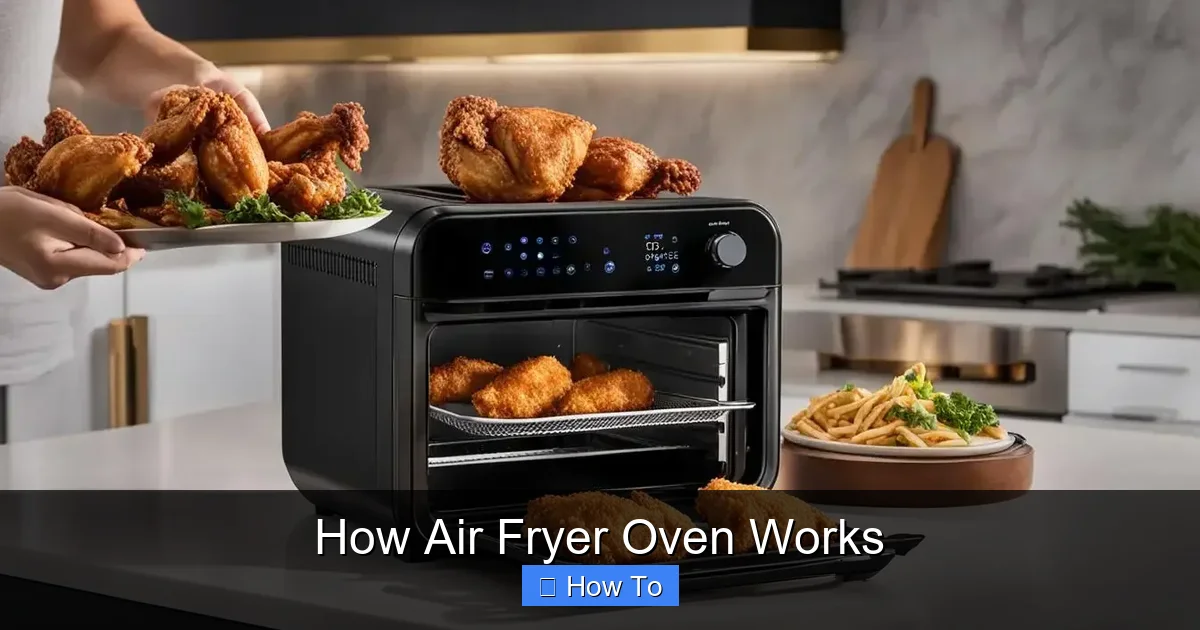
Every air fryer oven is designed with specific components that work in harmony. Understanding these parts can help you troubleshoot issues and optimize your cooking experience.
Visual guide about How Air Fryer Oven Works
Image source: airfryeraid.com
The Heating Element
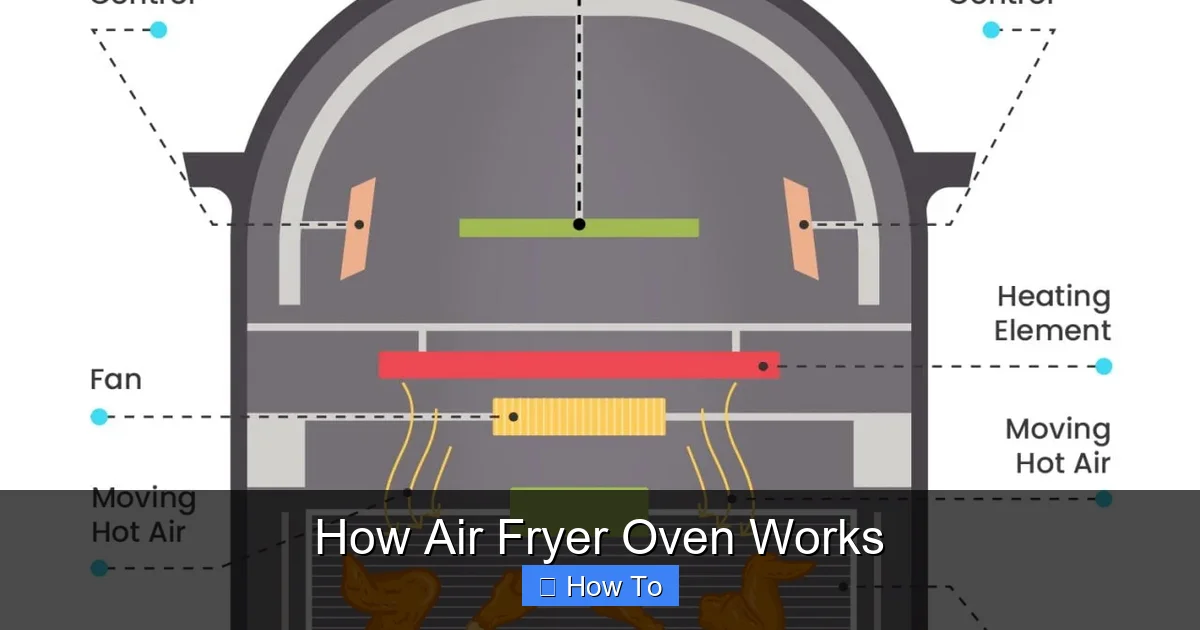
Located at the top or bottom of the unit, the heating element is responsible for generating the high temperatures needed for cooking. Unlike a traditional oven, which takes time to heat up, air fryer ovens often feature a more powerful element that reaches desired temperatures faster. This quick heat-up time is one reason why meals cook significantly faster in an air fryer oven compared to a standard oven.
The Rapid Air Circulation Fan
The fan is the unsung hero of the air fryer oven. It’s typically mounted in the upper part of the unit and blows hot air downward or sideways, depending on the model. This fan ensures that air moves swiftly and evenly, preventing hot spots and undercooked areas. The speed and direction of the airflow are carefully calibrated by the appliance’s control system to maximize efficiency.
The Cooking Chamber and Basket
The cooking chamber is usually compact, which helps concentrate the hot air for faster cooking. Inside, you’ll find a removable basket or tray—often made of non-stick material—that allows air to circulate freely around the food. The design of the basket or tray is crucial for achieving that signature crispiness. For example, the air fryer rack in some models elevates food, further enhancing air flow.
The Science Behind the Air Frying Technology
While it might seem like magic, the science behind air frying is rooted in heat transfer principles. Let’s break it down:
Visual guide about How Air Fryer Oven Works
Image source: wholeyum.com
Conduction, Convection, and Radiation
Three main methods of heat transfer are at play here:
- Conduction: Direct contact with the heated surface (e.g., the basket or tray).
- Convection: Heat from moving air, which is the primary mechanism in air fryer ovens.
- Radiation: Heat from the heating element itself, which contributes to browning.
These three methods work together to create a balanced cooking environment. The convection effect is the star here, as it’s what sets air fryer ovens apart from other cooking appliances.
Maillard Reaction and Browning
Have you noticed how air-fried foods develop a beautiful golden crust? That’s thanks to the Maillard reaction, a chemical process where proteins and sugars in food react under heat to form new compounds. This reaction not only enhances flavor but also creates that coveted crispy texture. The rapid air circulation in an air fryer oven accelerates this process, giving you restaurant-quality results at home.
Different Cooking Modes and Their Applications
Modern air fryer ovens come equipped with multiple cooking modes, each tailored for specific dishes. Let’s explore the most common ones and how they differ from traditional cooking methods.
Visual guide about How Air Fryer Oven Works
Image source: airfryeraid.com
Air Fry Mode
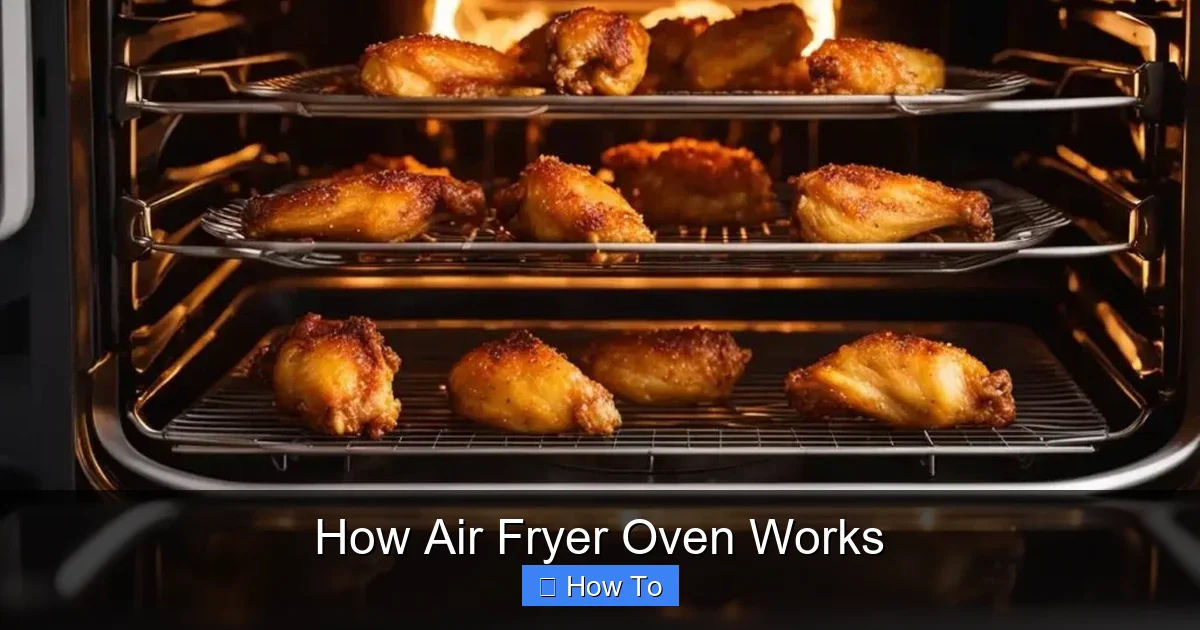
This is the star feature of an air fryer oven. As the name suggests, it uses high-speed hot air to crisp and brown foods. Whether you’re cooking chicken wings, French fries, or frozen nuggets, the air fry mode delivers a satisfying crunch without the guilt of deep frying. For tips on using this mode effectively, check out our guide on how to use the air fryer setting on your oven.
Convection Bake Mode
Similar to conventional baking but with a fan to circulate hot air, convection bake mode is perfect for items like cookies, cakes, and pizza. It reduces baking time by up to 25% compared to a standard oven. The even heat distribution ensures that your baked goods come out evenly browned and delicious.
Broil Mode
Broiling is ideal for searing the surface of steaks, chops, or vegetables. The intense radiant heat from the top element creates a charred exterior while keeping the interior juicy. This mode is a game-changer for achieving that restaurant-style finish on meats.
Rotisserie Mode
Many air fryer ovens come with a rotisserie attachment, which is perfect for cooking whole chickens or meats. The continuous rotation ensures even cooking and promotes browning on all sides. If you’re curious about this feature, our article on how to use rotisserie in an air fryer oven has step-by-step instructions.
Maximizing Efficiency: Tips and Best Practices
To get the most out of your air fryer oven, here are some pro tips and best practices:
Preheat for Optimal Results
While not all models require preheating, doing so can improve cooking consistency. Preheat your air fryer oven to the desired temperature before adding food. This ensures that the cooking process starts immediately, preventing undercooked centers.
Avoid Overcrowding
Never fill the basket or tray to the brim. Leave enough space between food pieces to allow air to circulate freely. Overcrowding can lead to uneven cooking and soggy textures. If you’re cooking a large batch, consider doing it in multiple rounds.
Use the Right Temperature
Temperature matters! While air fryer ovens can handle high heat, some delicate items like fish or delicate pastries may require lower temperatures to prevent burning. Refer to your recipe or appliance manual for guidance.
Shake or Flip Midway
For consistent results, shake the basket or flip food halfway through cooking. This ensures that all sides are exposed to the hot air, promoting even browning.
Common Mistakes and How to Avoid Them
Even experienced users can fall into these traps. Here’s how to sidestep common pitfalls:
Using Too Much Oil
One of the biggest myths about air fryer ovens is that they require a lot of oil. In reality, you only need a light mist or a tablespoon of oil for most recipes. Excess oil can make food greasy and defeat the purpose of a healthier cooking method. For a refresher on oil usage, see our guide on how to use an air fryer oven for beginners.
Ignoring Cooking Times
Because air fryer ovens cook faster than conventional ovens, it’s easy to overcook food. Always check the recommended cooking times and temperatures for your specific appliance. Start with shorter intervals and adjust as needed to avoid drying out your dishes.
Not Cleaning Properly
Regular cleaning is essential to maintain performance and prevent odors. Most parts of an air fryer oven are dishwasher-safe, but always check the manual first. For detailed cleaning instructions, read our article on how to clean the inside of a Ninja air fryer oven.
Comparing Air Fryer Ovens to Traditional Ovens
To further clarify how air fryer ovens work, let’s compare them to conventional ovens in a data table:
| Feature | Air Fryer Oven | Traditional Oven |
|---|---|---|
| Cooking Time | 20-50% faster | Longer due to slower air circulation |
| Oil Usage | Minimal (1-2 tsp) | Depends on recipe (can use cups) |
| Texture | Crispy exterior, tender interior | Varies, often less crispy |
| Energy Efficiency | More efficient due to smaller size | Less efficient for small portions |
| Multifunctionality | Bake, broil, air fry, rotisserie | Primarily bake and broil |
This table highlights the unique advantages of an air fryer oven, especially for quick, healthy meals with minimal effort.
Conclusion
Understanding how an air fryer oven works opens up a world of culinary possibilities. By leveraging rapid air circulation and precise temperature control, these appliances deliver crispy, flavorful results with less oil and less time. Whether you’re a busy parent looking to whip up a quick dinner or a health-conscious foodie exploring new cooking methods, mastering the basics of an air fryer oven can transform your kitchen routine. Remember to avoid common mistakes, use the right cooking modes, and clean your appliance regularly for optimal performance. With these insights, you’re ready to take full advantage of this versatile tool and create delicious meals every time.
Frequently Asked Questions
User Safety: safe