Is an Air Fryer a Microwave Oven

Air fryers and microwaves are both quick cooking tools, but they work very differently. An air fryer uses hot air circulation to crisp foods with little oil, while a microwave uses electromagnetic waves to heat water molecules inside food. Choosing the right appliance depends on your cooking goals, speed needs, and kitchen space.
When you walk into a modern kitchen, you’ll likely see two appliances that look somewhat similar: the microwave oven and the air fryer. Both promise speed, convenience, and a way to whip up a meal without spending hours at the stove. But are they truly interchangeable? In this article we’ll dive deep into “Is an Air Fryer a Microwave Oven?” and explore how each device works, what they can do, and when you might choose one over the other.
Key Takeaways
- Different Cooking Mechanisms: Air fryers rely on convection heat; microwaves use radiation to excite water molecules.
- Texture and Flavor: Air fryers produce a crunchy, browned exterior; microwaves often result in softer, steamed textures.
- Speed vs. Quality: Microwaves cook fastest but may compromise texture; air fryers take longer but deliver restaurant‑style crispiness.
- Energy Efficiency: Air fryers typically use less power and shorter run times, making them more energy‑friendly for many tasks.
- Versatility: Modern air fryers can bake, roast, dehydrate, and even air‑fry, expanding their role beyond simple crisping.
- Space and Cost: Microwaves are generally smaller and cheaper; air fryers occupy more counter space and often cost more.
- Health Considerations: Air fryers reduce oil usage and can lower calorie intake, while microwaves preserve nutrients but may require added fats for flavor.
📑 Table of Contents
Understanding Air Fryers and Microwaves
The first step is to recognize that these appliances serve different primary purposes. A microwave oven was invented to heat food quickly by emitting microwave radiation that excites water molecules. This makes it ideal for reheating leftovers, defrosting frozen goods, and cooking simple items like popcorn or steamed vegetables.
An air fryer, on the other hand, was designed to replicate the results of deep‑frying with far less oil. It does this by circulating hot air around the food, creating a crispy exterior while keeping the interior moist. Many people think of it as a compact convection oven.
Because their core technologies differ, the answer to “Is an Air Fryer a Microwave Oven?” is a clear no. They are distinct appliances with unique strengths, though they can sometimes be used for overlapping tasks.
Key Differences at a Glance
- Cooking Method: Microwaves use electromagnetic waves; air fryers use convection heat.
- Texture Outcome: Microwaves often produce soft, sometimes rubbery textures; air fryers create a crunchy, browned surface.
- Energy Consumption: Microwaves are powerful but short‑burst; air fryers run longer but at lower wattage.
- Versatility: Air fryers can bake, roast, dehydrate, and reheat; microwaves excel at reheating and quick cooking.
How They Work: Technology Comparison
Understanding the science helps us see why the two appliances behave the way they do. A microwave generates waves that penetrate food, causing water molecules to vibrate rapidly. This friction generates heat inside the food, cooking it from the inside out.

Visual guide about Is an Air Fryer a Microwave Oven
Image source: cdn.mos.cms.futurecdn.net
Air fryers, however, rely on a heating element and a fan to push hot air onto the food’s surface. The moving air transfers heat to the food’s exterior, cooking it from the outside in. This process is similar to what happens in a conventional oven, but the compact size and focused airflow make it perfect for smaller portions.
If you want to dig deeper into how an air fryer compares to a microwave in terms of cooking physics, check out our detailed guide Is an Air Fryer a Microwave Oven. It breaks down the thermal dynamics and practical outcomes for everyday cooking.
Energy Flow Explained
Microwave ovens draw around 1,200‑1,500 watts when running, but they only need a few minutes to finish a task. Air fryers typically run at 1,200‑1,400 watts as well, yet they often require 15‑30 minutes for a meal. The difference lies in how the energy is applied—microwaves heat internally, while air fryers heat externally.
Cooking Speed and Energy Use
Speed is one of the biggest draws for microwaves. Reheating a cup of soup can take under a minute, whereas the same soup in an air fryer would take at least 10 minutes to reach a safe temperature. However, air fryers are more energy‑efficient for tasks that require crispiness because they use less oil and shorter cooking cycles for many recipes.
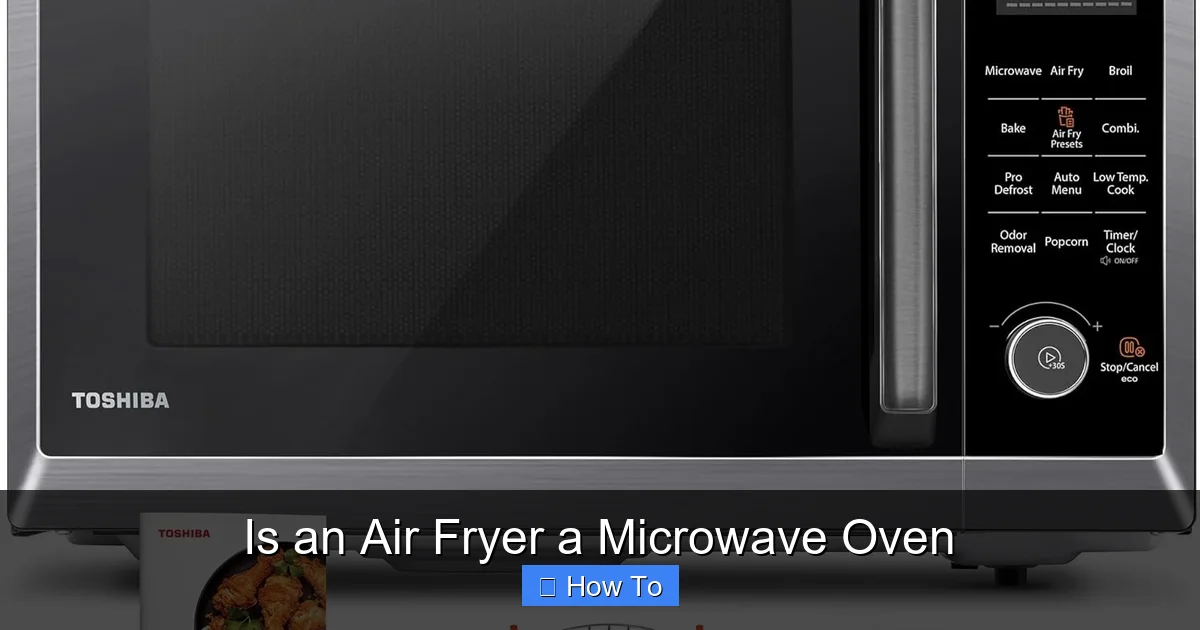
Visual guide about Is an Air Fryer a Microwave Oven
Image source: m.media-amazon.com
Energy bills can add up if you rely heavily on either appliance. A good rule of thumb: use a microwave for reheating, thawing, and quick cooking; reserve the air fryer for recipes where texture is paramount, like fried chicken or baked sweet potatoes.
Real‑World Speed Tests
- Reheating leftovers: Microwave – 1‑2 minutes; Air fryer – 5‑7 minutes (often better for breaded items).
- Cooking frozen fries: Microwave – 3‑4 minutes; Air fryer – 15‑20 minutes (crispier result).
- Baking a small cake: Microwave – limited capability; Air fryer – 20‑25 minutes (excellent crust).
Food Quality and Health Impact
When it comes to taste and nutrition, the air fryer usually has the edge for savory, crispy dishes. Because it uses a fraction of the oil needed for traditional frying, the food ends up lower in fat while still delivering that desirable crunch. The hot air also helps retain vitamins better than deep‑frying, though some nutrients can still leach out during high‑heat exposure.

Visual guide about Is an Air Fryer a Microwave Oven
Image source: airfryeraid.com
Microwaves preserve nutrients exceptionally well because cooking times are short and water isn’t required (unless you steam). However, they can struggle to create appealing textures, and foods may need added fats or sauces to be satisfying.
For health‑conscious cooks, the decision often hinges on the desired outcome. If you want a guilt‑free version of fried foods, the air fryer is the better choice. If you need a quick, nutrient‑preserving method for simple meals, the microwave shines.
Nutrient Retention Comparison
- Vitamin C: Microwave (steaming) – up to 90% retained; Air fryer – 70‑80% retained.
- Protein: Both preserve protein fully; texture differs.
- Fat: Air fryer reduces added oil by up to 90%; microwave adds none unless you include it in the recipe.
Practical Applications in the Kitchen
Knowing the strengths of each appliance helps you plan meals efficiently. For everyday meals, many households use the microwave for quick tasks like defrosting veggies or reheating soups, while the air fryer becomes the go‑to for weekday dinners that need a crunchy finish.
Consider a typical week: Monday night could be a quick microwave‑reheated pasta sauce, Tuesday might feature air‑fried chicken breasts, Wednesday a microwave‑cooked quinoa, Thursday an air‑fried vegetable medley, Friday a microwave‑heated pizza, Saturday a larger air‑fried roast, and Sunday a microwave‑defrosted frozen dessert. This balanced approach maximizes speed, flavor, and nutrition.
Many modern kitchens also benefit from having both appliances because they can share the workload. If you have limited counter space, you might look into combo units that combine a microwave with an air‑fryer function. For more on hybrid options, visit Is an Air Fryer a Oven to see how they stack up against standalone models.
Daily Routine Tips
- Use the microwave for quick reheating (under 2 minutes) and defrosting.
- Reserve the air fryer for crispy dishes, baking small items, and dehydration tasks.
- Prep ingredients in bulk and store them separately to avoid cross‑contamination.
- Clean both appliances regularly to maintain performance and safety.
Choosing Between the Two
Ultimately, the best choice depends on your cooking habits, kitchen layout, and budget. If you prioritize speed and need a compact appliance for occasional reheating, a microwave is likely the right fit. If you love the taste of crispy foods, want to reduce oil intake, and have space for a slightly larger device, an air fryer will add versatility to your culinary repertoire.
Cost is another factor. Microwaves are generally cheaper upfront and consume less electricity per use. Air fryers have a higher initial price but can replace multiple appliances (toaster, convection oven, dehydrator) over time, potentially saving space and energy.
Before making a purchase, list your top three cooking priorities. Are they speed, texture, health, or versatility? Matching those priorities to the strengths of each appliance will guide you toward the best investment.
Decision Checklist
- Speed Needs: Daily reheating? → Microwave.
- Crispy Goals: Fried chicken, roasted vegetables? → Air fryer.
- Space Constraints: Small countertop? → Microwave or combo unit.
- Budget: Lower upfront cost? → Microwave.
- Long‑Term Versatility: Want one appliance that can bake, roast, dehydrate? → Air fryer.
By weighing these factors, you’ll find the appliance that fits your lifestyle best. Whether you end up with a microwave, an air fryer, or both, the key is to use each tool where it shines.
Conclusion
So, is an air fryer a microwave oven? The straightforward answer is no. They operate on different principles, deliver different textures, and excel at different tasks. However, they can complement each other beautifully in a well‑equipped kitchen. Understanding their unique strengths lets you make smarter choices, save time, and enjoy healthier meals without sacrificing flavor.
When you choose the right appliance for each job, you’ll spend less time struggling with cooking and more time enjoying the results. Whether you’re reheating a quick soup in the microwave or savoring a perfectly crisped batch of wings from your air fryer, you’ll know exactly what each tool brings to the table.
Frequently Asked Questions
Is an air fryer the same as a microwave oven?
No. An air fryer uses convection heat to crisp food with little or no oil, while a microwave uses electromagnetic waves to heat water molecules inside food quickly. They produce different textures and are designed for different cooking tasks.
Can I replace my microwave with an air fryer?
Not entirely. An air fryer excels at creating crispy, browned results but isn’t as fast for reheating or defrosting. Many users keep both appliances for optimal convenience.
Which appliance is more energy‑efficient?
Air fryers often use less overall energy for tasks that require cooking and crisping, because they run for longer but at lower wattage. Microwaves are highly efficient for very short jobs like reheating.
Do air fryers cook food faster than microwaves?
Generally no. Microwaves can cook or reheat food in minutes, while air fryers typically need 15‑30 minutes to achieve a crispy finish.
Are there health benefits to using an air fryer over a microwave?
Air fryers reduce the need for added oil, lowering overall fat intake and producing a texture similar to fried foods. Microwaves preserve nutrients well but may require added fats or sauces for flavor.
Can I bake a cake in an air fryer?
Yes. Many air fryers have the capacity to bake small cakes or cupcakes, though you may need to adjust recipes for the compact space and airflow.