Is Air Fryer Temp the Same as Oven
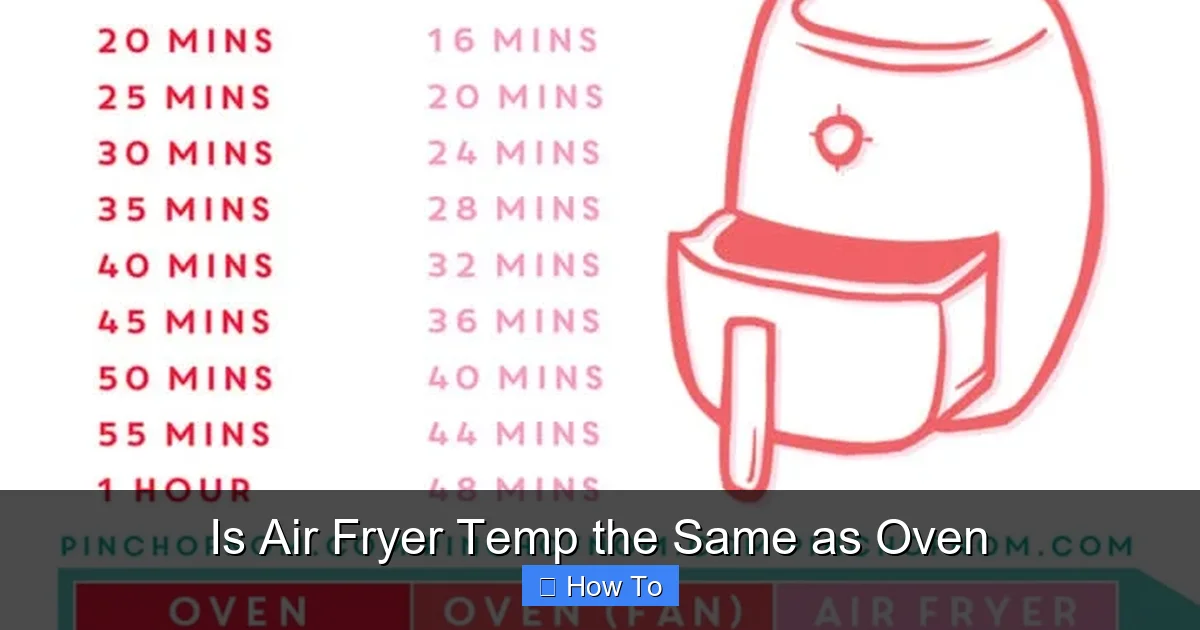
While air fryers and ovens may display similar temperature numbers, their cooking methods differ significantly. Air fryers use rapid air circulation to crisp food quickly, whereas ovens rely on radiant heat. Adjusting recipes requires understanding these differences to achieve optimal results.
Key Takeaways
- Temperature equivalence is misleading: Air fryers and ovens may use similar numbers, but cooking times and outcomes vary due to heat distribution methods.
- Air fryers use convection power: Rapid air circulation in air fryers mimics convection ovens, cooking faster and crisping better than traditional ovens.
- Preheating matters: Most air fryers don’t require preheating, unlike ovens, which can affect cooking outcomes if skipped.
- Cooking time is critical: Recipes converted from oven to air fryer often need reduced cooking times to avoid overcooking.
- Moisture control differs: Air fryers excel at removing moisture for crispiness, while ovens may retain more moisture in baked goods.
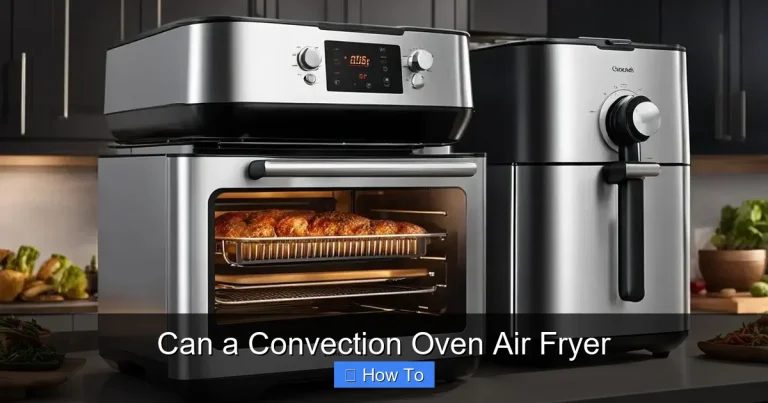
- Convection ovens share similarities: Both air fryers and convection ovens use fans for even heating, but their designs and capacities vary.
- Experimentation is key: Adjust recipes incrementally to find the perfect balance of time and temperature for your specific appliance.
📑 Table of Contents
Is Air Fryer Temp The Same As Oven
When you see a recipe calling for 375°F in an oven, you might assume the same temperature in your air fryer will yield identical results. However, this assumption can lead to disappointment—or even a charred disaster. The short answer? While the numbers might look the same, the cooking processes are fundamentally different. Let’s unravel the science behind these appliances and how to adapt your recipes effectively.
Temperature Settings: Similar Numbers, Different Outcomes
Air fryers and ovens often operate within the same temperature ranges—typically 180°F to 450°F. However, the way they deliver heat is where the magic happens. Ovens use radiant heat from coils or elements, which can create hot spots and uneven cooking. Air fryers, on the other hand, combine radiant heat with a powerful fan that circulates hot air at high speeds. This rapid circulation ensures even cooking and a crispy exterior, mimicking the effect of deep frying with little to no oil.
Preheating Considerations
Unlike traditional ovens, most air fryers don’t require preheating. This saves time and energy, but it can affect recipes designed for ovens. For example, a cake recipe relying on preheated oven walls for structure might collapse in an air fryer. Always check your appliance’s manual and adjust accordingly. If your air fryer does require preheating, follow the manufacturer’s guidelines rather than defaulting to oven preheat times.
How Air Fryers and Ovens Work Differently
The key difference lies in heat distribution. In an oven, heat radiates from the walls and bottom, gradually warming the air. This method works well for baking, roasting, and slow-cooking but can leave the edges of dishes overcooked while the centers remain underdone. Air fryers, with their compact design and powerful fans, force hot air to bounce around the food, creating a uniform cooking environment. This is why chicken wings in an air fryer often come out crispier than those roasted in an oven.
Heat Circulation vs. Radiant Heat
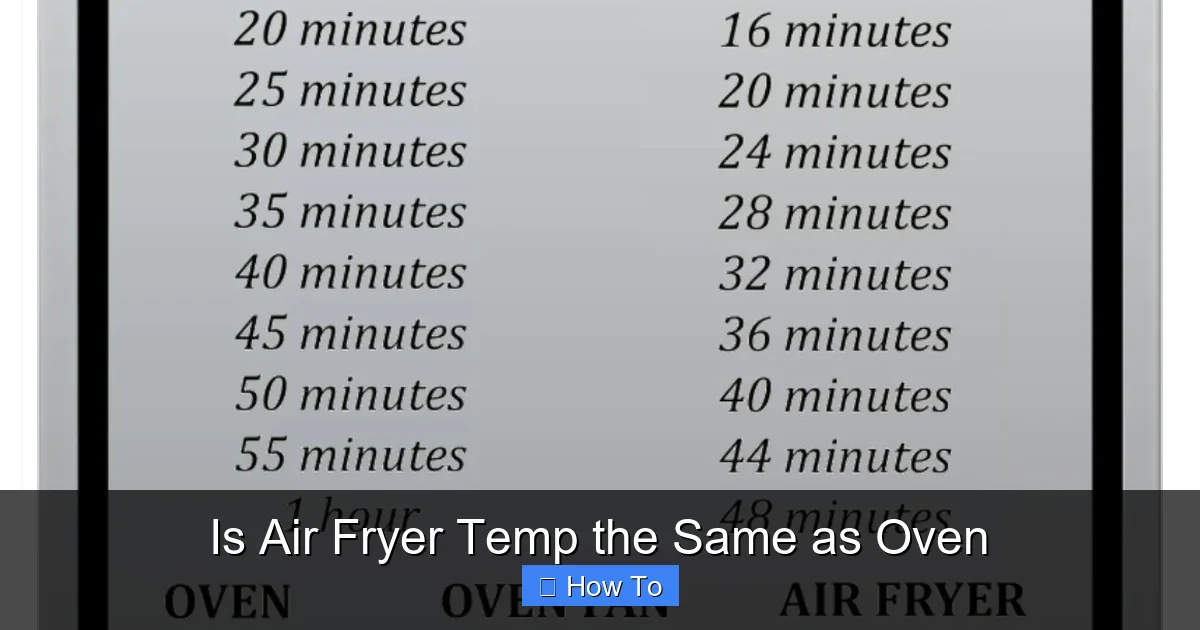
Air fryers are essentially small convection ovens. The fan accelerates heat transfer, reducing cooking times by up to 80% compared to conventional ovens. For instance, frozen french fries that take 30 minutes in an oven might cook in 15 minutes in an air fryer. However, this speed can be a double-edged sword. Foods requiring slow, steady heat—like bread or delicate pastries—may not yield the same results in an air fryer.
Practical Examples and Tips for Conversion
Converting oven recipes to air fryer settings requires a bit of trial and error, but here are some general guidelines:
1. Reduce Cooking Time by 20-30%
Start with 20% less time than the oven recipe suggests. For example, if a dish takes 20 minutes in an oven, try 15 minutes in the air fryer. Check for doneness and adjust as needed.
2. Lower the Temperature Slightly
Slightly reduce the temperature (by 25°F) to prevent burning. A recipe at 400°F in an oven might work best at 375°F in an air fryer.
3. Avoid Overcrowding
Leave space between items to allow air to circulate properly. Overcrowding can lead to soggy results instead of a golden crisp.
4. Shake or Flip Midway
Just like in an oven, turning food halfway through cooking ensures even browning. For example, chicken tenders might need a quick shake at the 8-minute mark in a 15-minute cook cycle.
Real-Life Conversion Example
Let’s say you want to make air-fried chicken thighs using an oven recipe that calls for 375°F for 45 minutes. In an air fryer, reduce the temperature to 350°F and the time to 25 minutes. Check for internal temperature (165°F) and adjust if needed. The result? Crispy, juicy thighs without the wait.
Convection Ovens vs. Air Fryers
If you’ve ever wondered whether an air fryer is just a fancy convection oven, the answer is nuanced. Both use fans to circulate hot air, but their designs differ. Convection ovens are larger and more versatile, suitable for baking multiple trays at once. Air fryers are compact and specialized for individual portions or small batches. However, the principles of heat transfer are similar, which is why some recipes can transition between the two with minor adjustments.
When to Use Each
Use a convection oven for large cuts of meat, casseroles, or baking cookies. Opt for an air fryer when you want quick, crispy results for snacks, chicken wings, or reheating leftovers. If your kitchen has space, owning both appliances can enhance your cooking versatility.
When to Use Each Appliance
Choosing between an air fryer and an oven depends on your meal’s requirements. Here’s a quick guide:
Use an Air Fryer For:
- Crispy snacks (fries, chicken wings)
- Quick reheating of leftovers
- Small portions (single servings)
- Meals requiring minimal prep
Use an Oven For:
- Baking bread or cakes
- Roasting large cuts of meat
- Cooking multiple dishes at once
- Slow-cooked stews or casseroles
Energy Efficiency and Cost
Air fryers are generally more energy-efficient for small batches, using less electricity than a full-sized oven. However, for large meals, an oven might be more cost-effective. Consider your cooking habits when deciding which appliance to prioritize.
Common Mistakes to Avoid
Even experienced cooks can stumble when transitioning between appliances. Here’s how to avoid common pitfalls:
1. Ignoring the Learning Curve
Every air fryer model is slightly different. Spend time testing your appliance’s quirks before committing to a recipe. For example, some models may need an extra minute at the end for that final crisp.
2. Skipping the Flip
Just like in an oven, flipping food halfway ensures even cooking. A stack of fish sticks might burn on one side without a midway stir.
3. Forgetting to Adjust for Size
A recipe designed for a full-size oven might need scaling down for a compact air fryer. Reduce ingredient quantities to match your appliance’s capacity.
4. Overcooking for Crispiness
Patience is key. Rushing the process can lead to burnt exteriors and raw interiors. If in doubt, check early and often.
Conclusion
Understanding whether air fryer temperature matches oven settings requires diving into the science of heat transfer and cooking methods. While the numbers may look identical, the outcomes depend on how each appliance delivers heat. By adjusting time, temperature, and technique, you can unlock the full potential of your air fryer and oven. Experiment with conversions, and soon you’ll master the art of perfectly crispy, golden-brown results every time.
Visual guide about Is Air Fryer Temp the Same as Oven
Image source: i.ebayimg.com
Frequently Asked Questions
Can I use my air fryer to bake a cake?
While possible, cakes in air fryers may bake unevenly due to the lack of a fully enclosed, even heat environment. For best results, opt for conventional baking in an oven.
Why do my air-fried foods cook faster than oven recipes?
Air fryers use rapid air circulation, which accelerates heat transfer. This efficient method reduces cooking times by up to 80% compared to traditional ovens.
Is an air fryer healthier than an oven?
Air fryers require little to no oil, making them a healthier choice for achieving crispy textures. However, both appliances can prepare nutritious meals when used appropriately.
Do I need to preheat my air fryer?
Most air fryers don’t require preheating, unlike ovens. Check your appliance’s manual to confirm, but generally, you can start cooking immediately after adding food.
How do I convert a roasted vegetable recipe to an air fryer?
Reduce the oven temperature by 25°F and cut the cooking time by 20-30%. Toss vegetables with a bit of oil and shake the basket halfway through cooking for even crispiness.
Are air fryers and convection ovens the same thing?
They share similarities in using fans for even heating, but air fryers are smaller and designed for quick, crispy results. Convection ovens are larger and more versatile for baking and roasting.