How to Cook Filet Mignon in an Oven
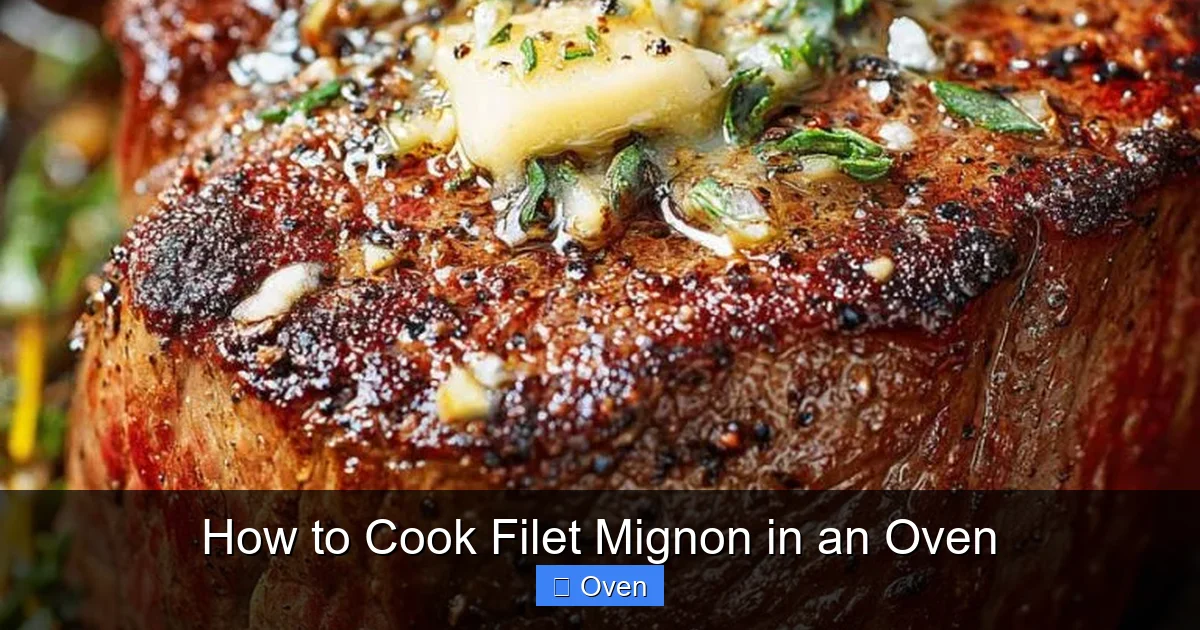
Cooking filet mignon in the oven is surprisingly simple when you know the right techniques. This guide walks you through selecting quality meat, proper seasoning, ideal oven temperatures, and cooking times for perfect doneness every time. Whether you prefer rare or well-done, these foolproof methods will help you achieve restaurant-quality results at home.
Key Takeaways
- Quality matters: Choose USDA Prime or Choice filet mignon at least 1.5 inches thick for best results.
- Temperature control: Start with a hot oven (450-500°F) for proper searing and even cooking.
- Use a meat thermometer: Internal temperature is the most reliable way to achieve perfect doneness.
- Resting is crucial: Let the meat rest for 5-10 minutes after cooking to lock in juices.
- Simple seasoning works: Salt, pepper, and olive oil are all you need for excellent flavor.
- Thickness affects timing: Adjust cooking time based on steak thickness – thicker cuts need lower heat and longer time.
📑 Table of Contents
How to Cook Filet Mignon in an Oven
There’s something undeniably special about a perfectly cooked filet mignon. This tender cut of beef, taken from the center of the sirloin, is known for its buttery texture and rich flavor. While many people think you need a fancy restaurant to enjoy a great filet mignon, the truth is you can make an incredible one right in your own oven.
Cooking filet mignon in an oven might sound intimidating, but it’s actually one of the easiest and most reliable methods. Unlike grilling, which requires constant attention and can be tricky to control, oven cooking gives you consistent heat and hands-off preparation. Plus, you get that beautiful sear without the smoke and mess of a stovetop.
In this guide, we’ll walk you through everything you need to know about cooking filet mignon in the oven. From choosing the best cut to achieving your perfect level of doneness, we’ll cover all the details so you can impress family and friends with restaurant-quality results every time.
Choosing the Best Filet Mignon
The foundation of a great oven-cooked filet mignon starts with selecting quality meat. Not all filet mignons are created equal, and taking a little extra time to choose well can make a huge difference in the final result.
Visual guide about How to Cook Filet Mignon in an Oven
Image source: cookthestory.com
Grade and Quality
When shopping for filet mignon, look for USDA Prime or Choice grades. Prime is the highest quality and has more marbling, which translates to more flavor and tenderness. Choice is still excellent and more budget-friendly. Avoid Select grades, as they tend to be leaner and less flavorful.
Thickness Matters
For oven cooking, aim for filets that are at least 1.5 inches thick. Thicker cuts (around 2 inches) work especially well because they give you more room to develop a beautiful crust while keeping the inside perfectly cooked. Thin filets can overcook quickly and become tough.
Freshness and Appearance
Look for bright red meat with even color throughout. Avoid any packages where the meat looks dull, brownish, or has excess liquid pooling in the tray. If possible, buy from a butcher counter where you can ask questions about the cut’s origin and aging process.
Preparing Your Filet Mignon
Proper preparation is key to achieving that perfect filet mignon. Taking a few simple steps before cooking can elevate your dish from good to exceptional.
Visual guide about How to Cook Filet Mignon in an Oven
Image source: garnishandglaze.com
Bringing to Room Temperature
Take your filet mignon out of the refrigerator about 30 minutes before cooking. This allows the meat to come closer to room temperature, which helps it cook more evenly. Cold meat straight from the fridge can result in an overcooked exterior and undercooked center.
Drying the Surface
Pat the filets dry with paper towels before seasoning. Moisture is the enemy of a good sear, so removing any surface moisture will help you achieve that beautiful golden-brown crust. Don’t skip this step even if the meat looks dry already.
Seasoning Techniques
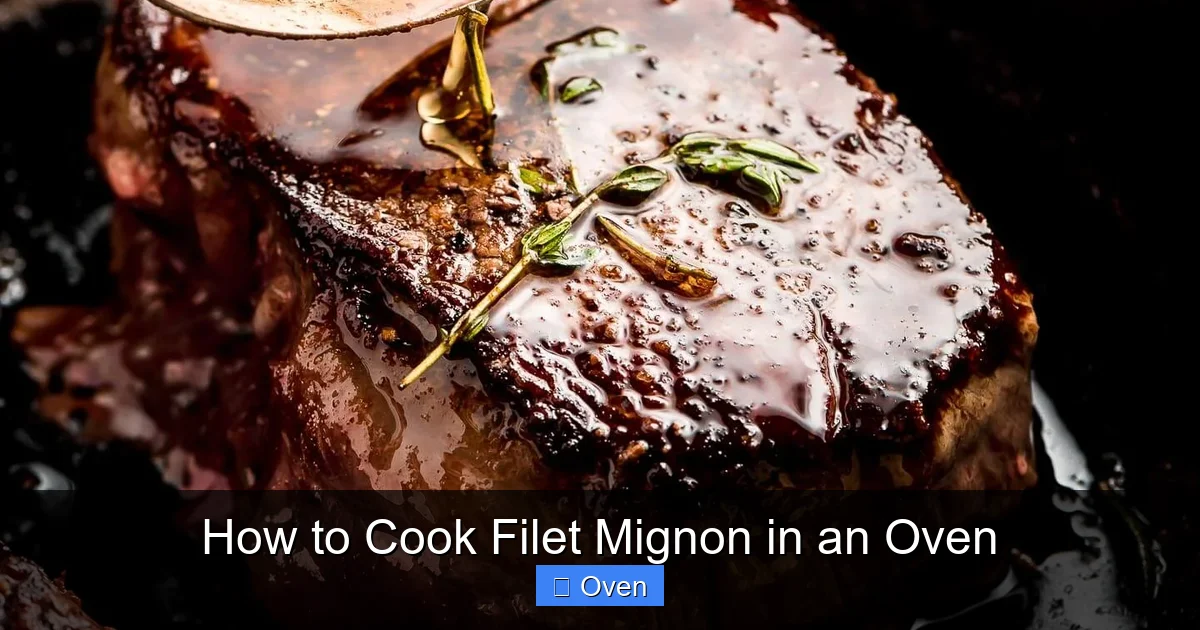
Keep your seasoning simple but effective. A generous amount of kosher salt and freshly ground black pepper is all you really need. The salt helps draw out moisture initially, then enhances the natural beef flavor as it cooks. For extra richness, you can brush the filets with a little olive oil or melted butter before seasoning.
Optional Flavor Enhancements
If you want to get creative, consider adding garlic powder, onion powder, or fresh herbs like rosemary or thyme. Some cooks like to rub the filets with a mixture of Dijon mustard and Worcestershire sauce before seasoning for added depth of flavor.
Oven Cooking Methods
There are several effective ways to cook filet mignon in the oven, each with its own advantages. The method you choose may depend on your equipment and personal preferences.
Visual guide about How to Cook Filet Mignon in an Oven
Image source: evolvingtable.com
The Sear-and-Finish Method
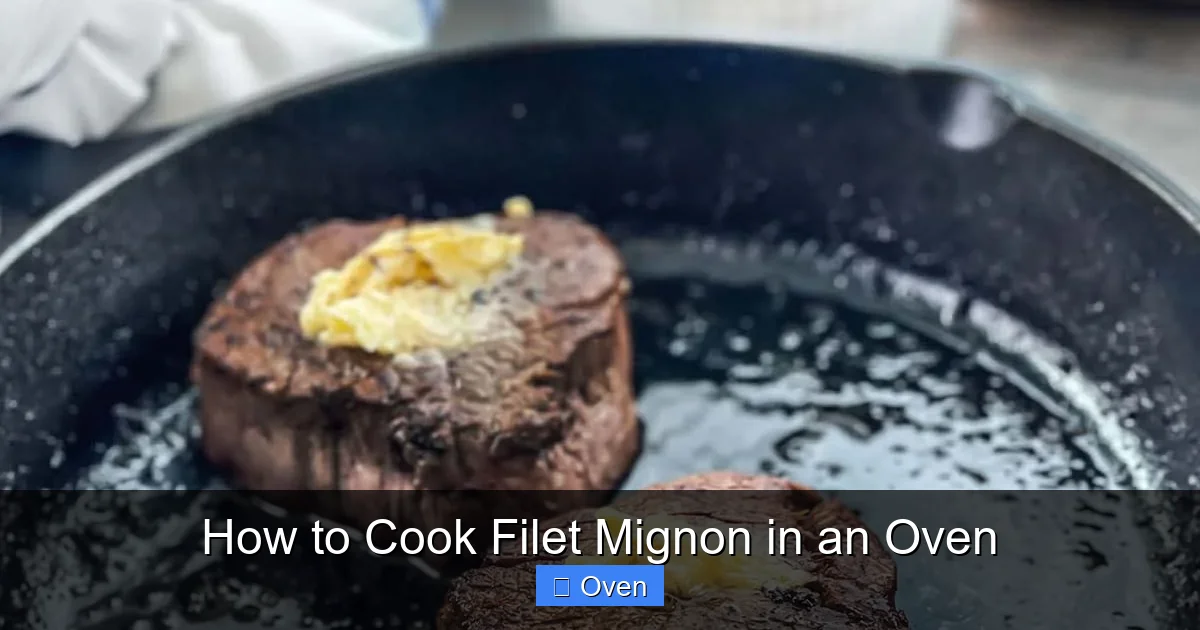
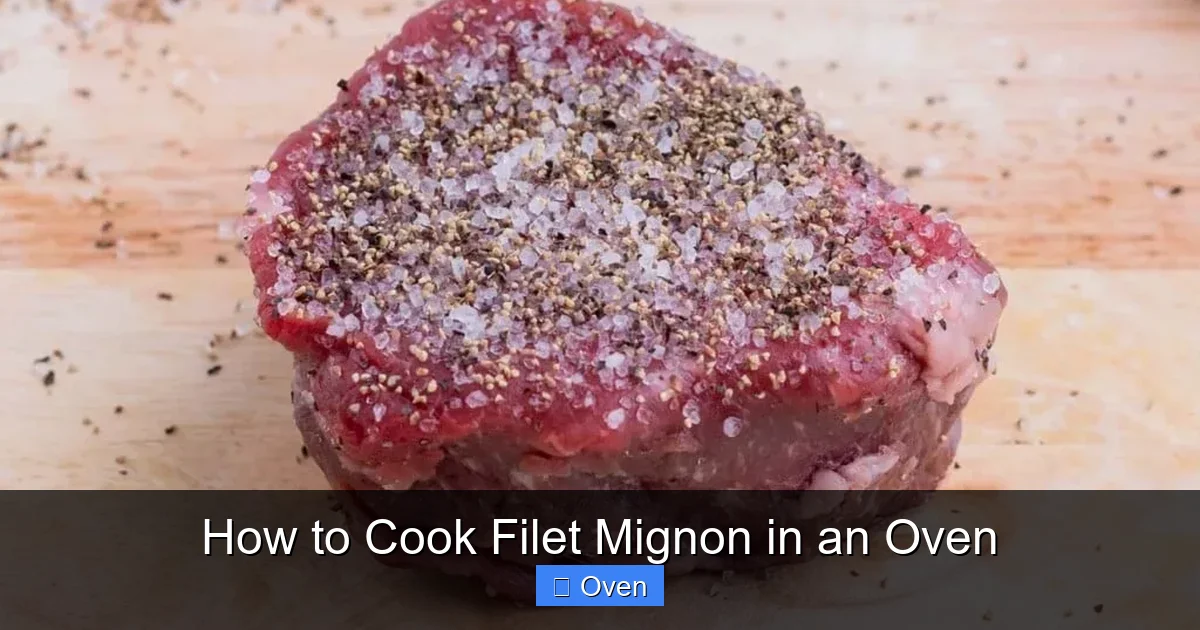
This is the most popular approach and involves searing the filets in a hot pan first, then finishing them in the oven. Start by heating an oven-safe skillet (cast iron works great) over high heat with a small amount of oil. Sear each side for 2-3 minutes until you get a deep brown crust, then transfer the entire pan to a preheated oven to finish cooking.
Reverse Sear Method
This technique involves cooking the filets low and slow in the oven first, then searing them at high heat at the end. Start with a 275°F oven and cook until the internal temperature reaches about 10-15 degrees below your target doneness. Then sear in a hot pan for 1-2 minutes per side to develop the crust.
Broiling Method
If you’re short on time, broiling is an excellent option. Position your oven rack about 6 inches from the broiler element and preheat on high. Season your filets and place them on a broiler pan or baking sheet. Broil for about 4-6 minutes per side depending on thickness and desired doneness.
Achieving Perfect Doneness
Knowing when your filet mignon is perfectly cooked is crucial to avoiding disappointment. While timing guidelines are helpful, using a meat thermometer is the most reliable way to achieve consistent results.
Temperature Guidelines
Here are the recommended internal temperatures for different levels of doneness: Rare (120-125°F), Medium-Rare (130-135°F), Medium (140-145°F), Medium-Well (150-155°F), and Well-Done (160°F and above). Remember that the temperature will continue to rise a few degrees during resting.
Timing Guidelines
For a 1.5-inch thick filet mignon using the sear-and-finish method: Rare takes about 8-10 minutes total, Medium-Rare 10-12 minutes, Medium 12-14 minutes, and Medium-Well 14-16 minutes. These times are approximate, so always check with a thermometer.
Using a Meat Thermometer
Insert the thermometer probe into the thickest part of the filet, avoiding any fat or gristle. For the most accurate reading, check the temperature in a few different spots. Digital thermometers are faster and more precise than dial thermometers.
The Importance of Resting
One step that’s often overlooked but absolutely crucial is letting your filet mignon rest after cooking. This allows the juices to redistribute throughout the meat, resulting in a more tender and flavorful final product.
Why Resting Matters
When meat cooks, the proteins contract and push the juices toward the center. If you cut into the steak immediately, all those precious juices will spill out onto your plate instead of staying in the meat. Resting allows the fibers to relax and reabsorb those juices.
How Long to Rest
As a general rule, let your filet mignon rest for about 5-10 minutes, depending on thickness. A good guideline is to rest for about 1 minute per 100 degrees of internal temperature. During this time, loosely tent the meat with aluminum foil to keep it warm.
What Happens During Resting
During the resting period, the temperature in the center of the steak will typically rise by 5-10 degrees, which is why we recommend pulling the steak from the oven about 5 degrees before your target temperature. The carryover cooking ensures perfect doneness without overcooking.
Serving Suggestions and Pairings
A perfectly cooked filet mignon deserves to be served with equally delicious accompaniments. The right side dishes can complement the rich, buttery flavor of the steak without overwhelming it.
Classic Accompaniments
Some of the most traditional pairings include creamy mashed potatoes, roasted vegetables, and a simple green salad. A pat of herb butter melting on top of the hot steak adds extra richness that’s hard to resist.
Sauce Options
Consider serving your filet mignon with a classic sauce like béarnaise, peppercorn, or a simple red wine reduction. These rich, flavorful sauces pair beautifully with the mild, buttery flavor of filet mignon.
Wine Pairings
For wine lovers, a full-bodied red wine like Cabernet Sauvignon, Malbec, or a nice Chimney Rock Stags’ Leap Napa Valley pairs wonderfully with filet mignon. The tannins in these wines help cut through the richness of the meat.
Common Mistakes to Avoid
Even experienced cooks can make mistakes when preparing filet mignon. Here are some common pitfalls and how to avoid them:
Overcooking
Filet mignon is lean and can quickly become tough and dry if overcooked. Always use a meat thermometer and err on the side of undercooking slightly, as you can always return the steak to the oven if needed.
Not Drying the Surface
Remember to pat your filets dry before seasoning. Excess moisture will prevent proper browning and can actually steam the meat instead of searing it.
Cutting Too Soon
Resist the temptation to cut into your filet mignon right away. Giving it time to rest will result in a much more tender and juicy final product.
Conclusion
Cooking filet mignon in the oven is a skill that anyone can master with a little practice and the right techniques. By starting with quality meat, preparing it properly, and using a meat thermometer to monitor doneness, you’ll be able to create restaurant-quality steaks in your own kitchen.
Remember that the key to success lies in attention to detail – from bringing the meat to room temperature to letting it rest after cooking. Don’t be discouraged if your first attempt isn’t perfect; like any cooking skill, it gets easier with practice.
Once you’ve mastered the basics, feel free to experiment with different seasonings, cooking methods, and accompaniments. The beauty of filet mignon is its versatility – it pairs well with so many flavors and can be prepared in numerous ways. Whether you’re cooking for a special occasion or just want to treat yourself to something delicious, oven-cooked filet mignon is sure to impress.
Now that you know how to cook filet mignon in an oven, why not give it a try? With this guide in hand, you have everything you need to create the perfect steak every time. Happy cooking!
Frequently Asked Questions
Can I cook frozen filet mignon in the oven?
While it’s possible to cook frozen filet mignon, it’s not recommended for best results. Frozen meat will cook unevenly and may end up overcooked on the outside while remaining undercooked inside. For the best outcome, always thaw your filet mignon in the refrigerator overnight before cooking.
What temperature should I cook filet mignon in the oven?
For the sear-and-finish method, preheat your oven to 400-450°F. If using the reverse sear method, start with a lower temperature of 275°F. The key is maintaining consistent heat throughout the cooking process for even results.
How do I know when my filet mignon is done?
The most reliable way is to use a meat thermometer inserted into the thickest part of the steak. For medium-rare doneness, look for an internal temperature of 130-135°F. Remember that the temperature will continue to rise during resting.
Should I wrap filet mignon in foil when cooking?
No, wrapping filet mignon in foil while cooking can actually steam the meat and prevent proper browning. However, you should loosely tent the steak with foil after cooking to help retain heat during the resting period.
What’s the best pan for cooking filet mignon in the oven?
A cast iron skillet is ideal because it retains heat well and can go directly from stovetop to oven. Stainless steel pans also work well. Make sure whatever pan you use is oven-safe if you’re planning to sear and then finish in the oven.
How thick should filet mignon be for oven cooking?
For best results, choose filets that are at least 1.5 inches thick. Thicker cuts (around 2 inches) are even better because they give you more margin for error and allow for a beautiful crust while maintaining a perfect interior. Thin filets tend to overcook quickly.