How to Cook Steaks in Air Fryer Oven
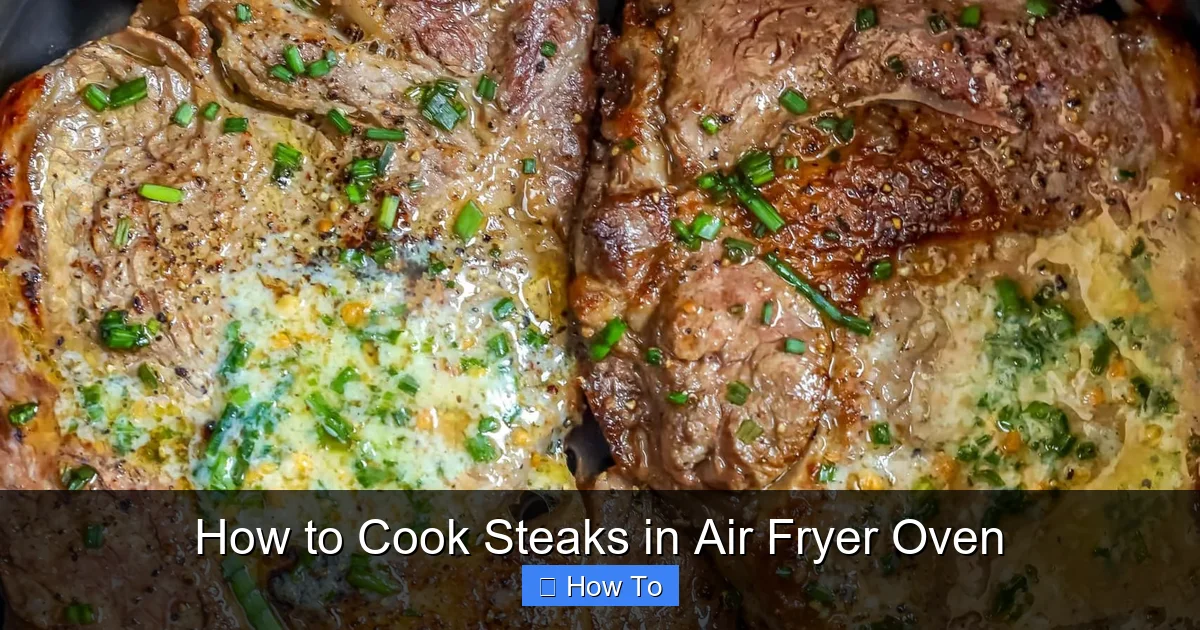
Learn how to cook steaks in an air fryer oven with a few simple steps: season, preheat, cook to your desired doneness, and rest before serving. This method delivers a juicy, flavorful steak with a crisp exterior, all without the hassle of a grill or stovetop.
Key Takeaways
- Choose the right cut: Look for well‑marbled steaks at least 1‑inch thick for the best juiciness and flavor.
- Season simply: A generous coating of salt, pepper, and optional garlic powder enhances the natural beef taste.
- Preheat the air fryer oven: Set it to 400°F (200°C) and let it heat for 5 minutes before adding the steak.
- Use the rack or tray: Elevating the steak promotes even air circulation and a uniform sear.
- Monitor doneness with a thermometer: Aim for 130°F (54°C) for medium‑rare, adjusting time based on thickness.
- Rest before slicing: Let the steak sit 5‑10 minutes to redistribute juices for maximum tenderness.
📑 Table of Contents
- Introduction: Why the Air Fryer Oven Works for Steaks
- 1. Selecting the Perfect Steak
- 2. Preparing the Steak for the Air Fryer Oven
- 3. Setting Up Your Air Fryer Oven
- 4. Cooking the Steak to Perfection
- 5. Resting, Slicing, and Serving
- 6. Troubleshooting and Pro Tips
- Conclusion: Steak Night Made Simple
Introduction: Why the Air Fryer Oven Works for Steaks
If you’ve ever wanted a steak that’s crusty on the outside, tender and pink inside, but don’t want to fire up the grill or deal with a splattering pan, the air fryer oven is your secret weapon. This compact appliance uses rapid hot‑air circulation to mimic the effects of a convection oven, giving you a beautiful sear while keeping the interior moist. The process is quick, virtually hands‑off, and produces consistent results every time.
Many home cooks assume that air fryers are only for frozen fries or chicken nuggets, but they excel at cooking proteins, especially steaks. By controlling temperature and airflow, you can achieve the same level of doneness you’d get from a broiler or grill, all within the convenience of your countertop. In this guide, we’ll walk you through every step—from picking the perfect cut to resting the meat—so you can serve steakhouse‑quality steaks any night of the week.
Whether you’re cooking a ribeye, strip, filet mignon, or a budget‑friendly sirloin, the principles remain the same. Let’s dive into the details and turn your air fryer oven into a steak‑cooking powerhouse.
1. Selecting the Perfect Steak
Marbling Matters
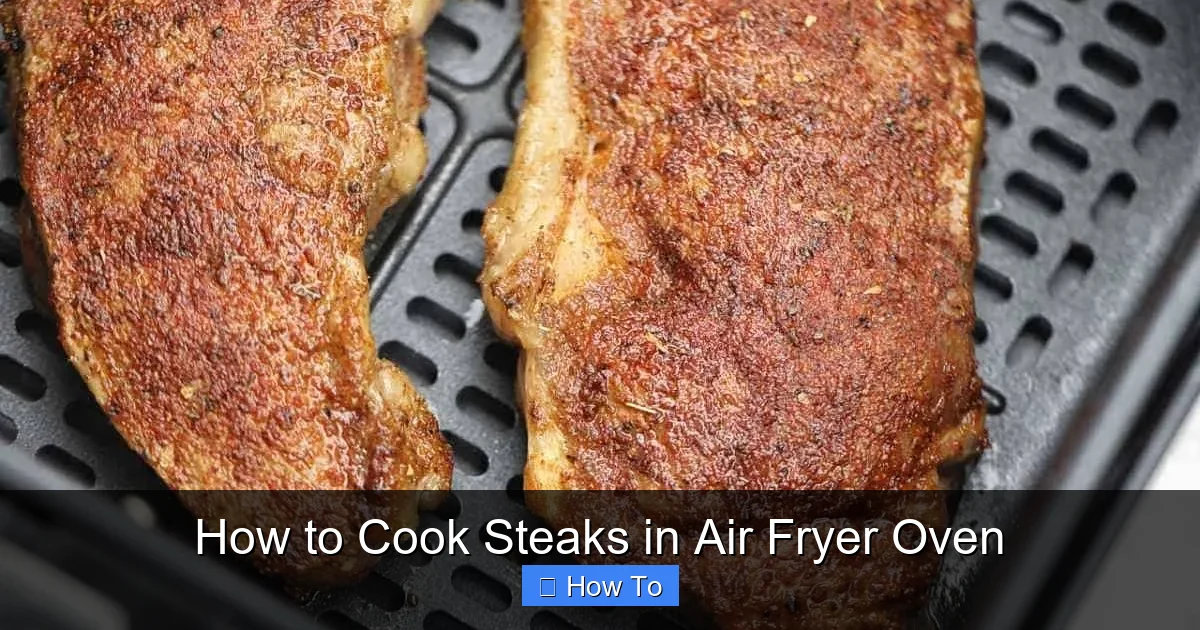
The first step to a great steak is choosing a cut with good marbling—the thin streaks of fat woven through the muscle. Fat melts during cooking, basting the meat from within and delivering that rich, buttery flavor. Look for USDA Choice or Prime grades; they typically have more marbling than Select. If you’re eyeing a ribeye, you’ll notice abundant fat caps, which is why many enthusiasts refer to our ribeye steak guide for specific tips.
Visual guide about How to Cook Steaks in Air Fryer Oven
Image source: recipevibes.com
Thickness and Shape
Aim for steaks that are at least 1 inch thick. Thinner cuts cook too fast and can easily become overdone before a crust forms. If you prefer a thinner steak for quick meals, consider using a lower temperature and a shorter cook time, but be vigilant. Uniform shape also helps the heat circulate evenly, so try to avoid pieces with large irregular bulges.
Bone‑In vs. Boneless
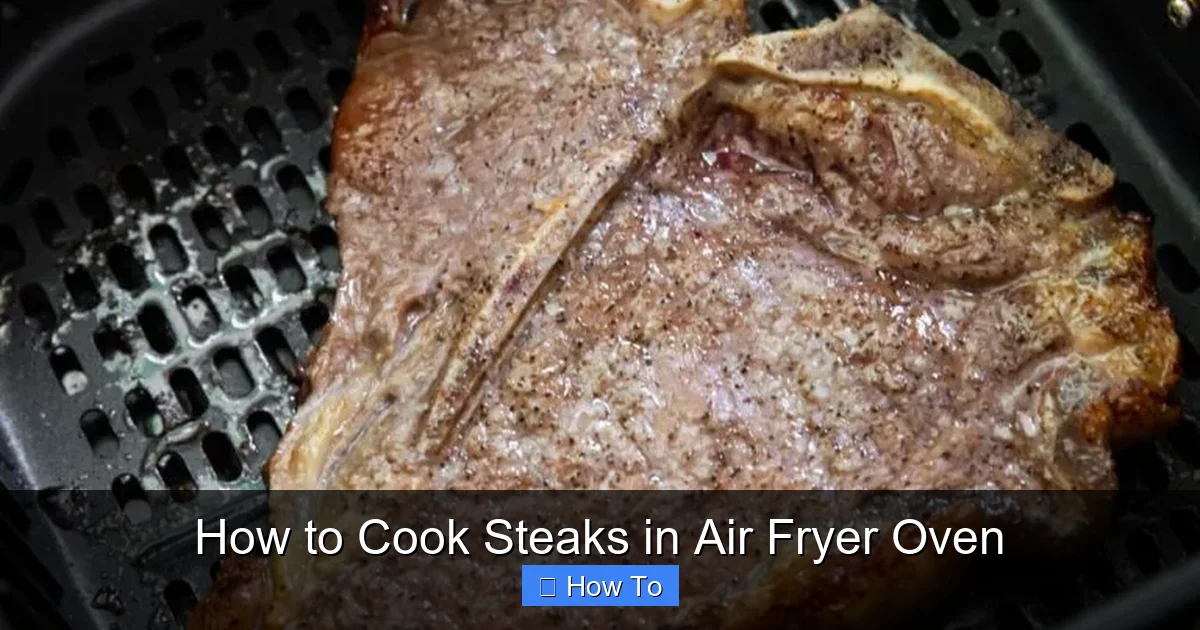
Bone‑in steaks, like a T‑bone or porterhouse, often retain more moisture because the bone conducts heat slowly, protecting the meat adjacent to it. Boneless cuts, such as a New York strip or filet mignon, cook a bit faster and are easier to slice. Both work well in the air fryer oven; just adjust the timing by a minute or two for bone‑in varieties.
2. Preparing the Steak for the Air Fryer Oven
Seasoning Basics
Keep the seasoning simple to let the beef shine. Generously sprinkle kosher salt and freshly cracked black pepper on both sides. For an extra layer of flavor, add garlic powder, smoked paprika, or a pinch of dried rosemary. If you like a bit of heat, a dash of cayenne works wonders. Remember to season the steak at least 15 minutes before cooking; this allows the salt to begin breaking down the proteins, enhancing tenderness.
Visual guide about How to Cook Steaks in Air Fryer Oven
Image source: laraclevenger.com
Bringing to Room Temperature
Take the steak out of the refrigerator about 20‑30 minutes before you plan to cook it. A steak that starts cold will have a larger temperature gradient, making it harder to achieve an even cook. Letting it sit at room temperature reduces the chill and helps the exterior sear while the interior reaches the desired doneness more uniformly.
Patting Dry
Moisture is the enemy of a good crust. Use paper towels to blot the surface of the steak until it’s completely dry. Any surface water will steam instead of sear, resulting in a grayish exterior. A dry surface promotes the Maillard reaction, which creates those delicious browned flavors.
3. Setting Up Your Air Fryer Oven
Preheating the Appliance
Set your air fryer oven to 400°F (200°C) and let it preheat for about 5 minutes. Preheating ensures that the steak hits a hot environment immediately, jump‑starting the sear. Some models have a dedicated “steak” or “meat” function; if yours does, you can use that, but a manual temperature setting works just as well.
Visual guide about How to Cook Steaks in Air Fryer Oven
Image source: laraclevenger.com
Using the Rack or Tray
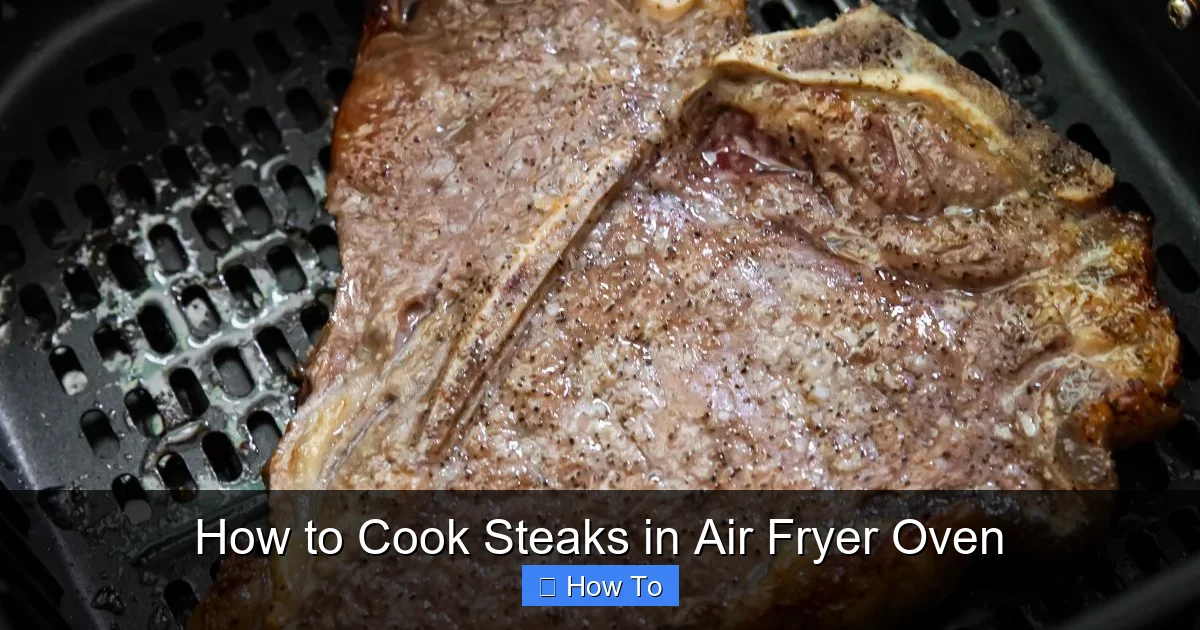
For optimal airflow, place the steak on the air fryer rack rather than directly on the tray. The rack lifts the meat, allowing hot air to circulate underneath and around it, which promotes an even crust on all sides. If your model didn’t come with a rack, you can use a perforated tray or a simple wire cooling rack that fits inside the oven. For more details on positioning, see our guide on how to use the air fryer rack.
Adding a Touch of Fat
While the steak’s own fat will render, a light drizzle of high‑smoke‑point oil—such as avocado, grapeseed, or refined olive oil—can help the seasoning stick and encourage browning. Use no more than a teaspoon per side; you don’t want to pool oil at the bottom, which could cause smoking. A small pat of butter added during the last minute of cooking adds richness without burning.
4. Cooking the Steak to Perfection
Timing for Different Doneness Levels
Cooking times vary based on thickness and desired doneness. As a general rule at 400°F (200°C):
- Rare (120°F/49°C): 6‑8 minutes total
- Medium‑rare (130°F/54°C): 8‑10 minutes total
- Medium (140°F/60°C): 10‑12 minutes total
- Medium‑well (150°F/66°C): 12‑14 minutes total
- Well done (160°F/71°C+): 14‑16 minutes total
These times assume a 1‑inch steak. For each additional half‑inch of thickness, add roughly 2 minutes per side. Always start checking a minute or two before the lower end of the range.
Flipping for Even Cooking
Halfway through the cooking time, flip the steak using tongs. This ensures both sides get equal exposure to the hot air. If you like a cross‑hatch pattern, you can rotate the steak 90 degrees after the flip, but it’s not necessary for flavor.
Using a Meat Thermometer
The most reliable way to gauge doneness is an instant‑read thermometer. Insert the probe into the thickest part of the steak, avoiding any fat or bone. When the temperature reaches your target, remove the steak immediately. Remember that the internal temperature will rise a few degrees during resting, so you may want to pull it off 2‑5°F below your final goal.
5. Resting, Slicing, and Serving
The Importance of Resting
Transfer the steak to a warm plate or a cutting board and loosely cover it with foil. Let it rest for 5‑10 minutes, depending on thickness. Resting allows the juices, which have been driven toward the center by heat, to redistribute throughout the meat. Cutting too soon will cause those flavorful liquids to spill out, leaving a drier steak.
Slicing Against the Grain
Look at the direction of the muscle fibers (the grain) and cut perpendicular to it. This shortens the fibers, making each bite more tender. For steaks like ribeye or strip, the grain runs are easy to spot. For filet mignon, the grain is less pronounced, but slicing thinly still helps.
Simple Sauce and Side Ideas
While a perfectly cooked steak needs little more than a sprinkle of flaky salt, you can elevate the meal with a quick pan sauce. Deglaze the air fryer tray (if you used one) with a splash of red wine or beef broth, add a knob of butter, and stir in minced garlic and fresh thyme. Pour over the sliced steak.
For a classic steakhouse feel, pair your meat with oven‑roasted potatoes. Our oven-roasted potatoes recipe uses the same air fryer oven, so you can cook both items simultaneously—just adjust the tray placement to avoid overcrowding.
Enjoying Your Steak
Serve the steak hot, with your chosen sides and sauce. A glass of red wine, a crisp salad, or some grilled asparagus rounds out the meal. Because the air fryer oven contains the cooking process, you’ll notice far less smoke and splatter than with a stovetop sear, making cleanup a breeze.
6. Troubleshooting and Pro Tips
Managing Smoke
If you notice smoke during cooking, it’s likely from excess fat or oil dripping onto the heating element. To reduce this, pat the steak extra dry, use a leaner cut, or place a sheet of aluminum foil on the bottom tray to catch drippings (make sure it doesn’t block airflow). Opening the kitchen vent or running the exhaust fan also helps.
Avoiding Overcrowding
Air fryer ovens rely on circulating hot air can’t move freely, the steak will steam instead of sear. Cook no more than two steaks at a time, leaving at least an inch of space between them. If you need to feed a crowd, cook in batches and keep the finished steaks warm in a low oven (around 200°F) while you finish the rest.
Cleaning Up
After cooking, let the appliance cool, then remove the rack and tray. Wash them with warm, soapy water or place them in the dishwasher if they’re dishwasher‑safe. Wipe the interior with a damp cloth; avoid abrasive scrubbers that could damage the non‑stick coating. Regular cleaning prevents buildup that could affect performance.
Experimenting with Flavors
Feel free to try dry rubs, marinades, or compound butters. A coffee‑cocoa rub adds depth, while a chimichurri sauce brings bright herbaceous notes. Just remember that sugary marinades can burn quickly, so apply them during the last couple of minutes of cooking or after the steak has rested.
Conclusion: Steak Night Made Simple
Cooking steaks in an air fryer oven transforms what can be an intimidating process into a straightforward, reliable routine. By selecting a well‑marbled cut, seasoning generously, preheating the appliance, and using a meat thermometer, you’ll achieve restaurant‑quality results with minimal effort. The rapid hot‑air circulation creates a gorgeous crust while keeping the interior juicy, and the contained environment means less mess and no flare‑ups.
Whether you’re treating yourself to a luxurious ribeye or preparing a quick weeknight sirloin, the steps outlined here will guide you to success every time. Pair your perfectly cooked steak with a simple side—perhaps those oven‑roasted potatoes we mentioned—and you have a meal that feels special without the fuss. So fire up your air fryer oven, grab your favorite cut, and enjoy a steak dinner that’s as easy as it is delicious.
Frequently Asked Questions
Do I need to flip the steak more than once?
For most steaks, a single flip halfway through the cooking time is sufficient to ensure even browning and doneness. If you’re cooking a particularly thick cut (over 1.5 inches), you can flip twice—once at the one‑third mark and again at the two‑thirds mark—but monitor the temperature closely to avoid overcooking.
Can I cook frozen steaks in the air fryer oven?
It’s best to thaw the steak first for consistent results. Cooking from frozen can lead to a gray exterior before the interior reaches the desired temperature, and it increases the risk of uneven cooking. If you must cook frozen, increase the time by roughly 50 % and check the internal temperature frequently.
What temperature should I set for a well‑done steak?
Set the air fryer oven to 400°F (200°C) and cook a 1‑inch steak for about 14‑16 minutes, flipping halfway. Use a thermometer to confirm the internal temperature reaches at least 160°F (71°C). Remember that the temperature will rise a few degrees during resting, so you can pull it off at 155‑158°F if you prefer a slightly lower final temp.
Is it necessary to use oil on the steak?
Oil isn’t strictly required, but a light coating helps the seasoning adhere and promotes a uniform crust, especially if your steak is very lean. Use a high‑smoke‑point oil sparingly—about ½ teaspoon per side—to avoid excess smoke.
How do I know when my steak is medium‑rare without a thermometer?
You can use the touch test: press the center of the steak with your fingertip. It should feel soft with a slight spring back, similar to the fleshy part of your palm below your thumb when your hand is relaxed. However, for accuracy, especially when learning, a meat thermometer is the most reliable method.
Can I cook vegetables alongside the steak?
Yes, but be mindful of cooking times. Vegetables like bell peppers, zucchini, or mushrooms cook faster than steak, so add them halfway through the steak’s cook time or use a separate tray. For denser veggies like potatoes, start them a few minutes earlier or par‑cook them before adding the steak.