How to Adjust Air Fryer Recipes for Oven
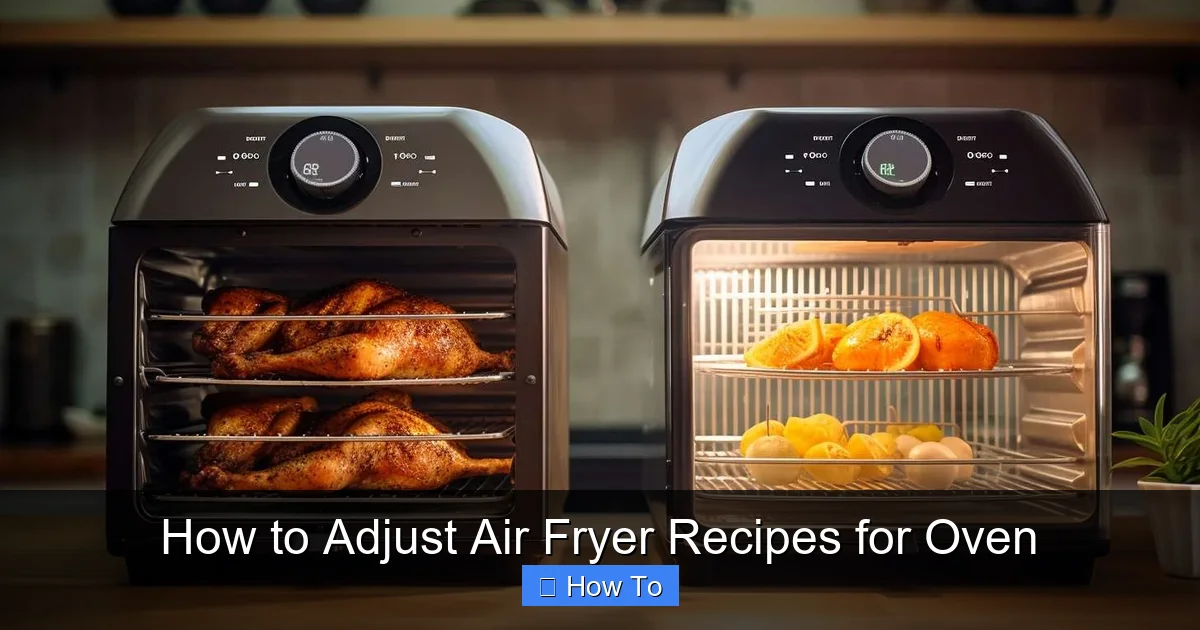
Adjusting air fryer recipes for oven cooking is easier than you think! By mastering a few key temperature and time conversions, you can recreate your favorite crispy dishes using a conventional oven. This guide walks you through practical steps, texture tips, and recipe-specific adjustments so you never have to skip a meal.
So you’ve got a delicious air fryer recipe and want to make it in your conventional oven? Maybe your air fryer is broken, you’re cooking for a crowd, or you just prefer the oven’s spacious interior. Whatever the reason, adjusting air fryer recipes for oven cooking is totally doable with a few simple tweaks. The key is understanding how heat, time, and airflow differ between the two appliances. In this guide, we’ll walk you through every step so you can enjoy crispy, flavorful results without needing an air fryer. Let’s dive in!
Key Takeaways
- Understand the heat difference: Air fryers circulate hot air rapidly in a small space, while ovens have larger volumes and different airflow, requiring temperature and time tweaks.
- Lower the temperature by 25°F: A general rule is to reduce the oven temperature by about 25 degrees Fahrenheit from the air fryer setting to prevent overcooking.
- Shorten cooking time: Expect to reduce cooking time by roughly 20%, but always check food early and adjust based on browning.
- Use the right pan and rack: Choose light-colored, low-rise pans and middle rack positions for even crisping, avoiding dark metal that speeds browning.
- Add a little extra oil:: Since ovens don’t crisp as efficiently, a light oil spray can help achieve that golden texture air fryers provide naturally.
- Monitor and adjust: Every recipe is different; use visual cues like golden color and tenderness to fine-tune your results.
📑 Table of Contents
Temperature Conversion Basics
The most important rule when adjusting air fryer recipes for oven use is the temperature shift. Air fryers cook with intense, concentrated heat, while ovens distribute heat more gently over a larger area. As a starting point, lower the air fryer temperature by 25 degrees Fahrenheit. For example, if a recipe calls for 400°F in the air fryer, set your oven to 375°F. This simple adjustment prevents the outside from burning before the inside is cooked through. If the recipe originally uses a lower temperature, like 350°F, you can keep it at 350°F or even reduce it slightly to 325°F, depending on the food. The goal is to match the air fryer’s cooking intensity without overwhelming the oven’s slower heat distribution.
The 25°F Lower Rule
This rule works because air fryers move air rapidly around the food, creating a convection effect that cooks faster. Your oven has more dead space and less aggressive airflow, so dropping the temperature by 25°F compensates for that difference. If you’re unsure, start with the lower temperature and add a few minutes to the cooking time instead. It’s easier to add time than to rescue overcooked food.
When to Adjust More
Some recipes may need a bigger temperature drop, especially if they rely heavily on rapid crisping, like breaded chicken wings or frozen fries. In those cases, reducing the temperature by 30 or even 35°F can help. You’ll likely need to add a few extra minutes of cooking time, but the result will be more evenly cooked food with better texture. Always keep an eye on the food during the first few minutes of cooking to gauge how your specific oven behaves.
Time Adjustments That Work
Time conversion is just as crucial as temperature. Air fryers typically cook food 20% to 25% faster than a conventional oven. When adjusting air fryer recipes for oven, reduce the original air fryer time by about 20%. If the air fryer recipe says 15 minutes, aim for 12 minutes in the oven, then check for doneness. If the food isn’t ready, add time in 2- to 5-minute increments. This approach gives you control without guessing.
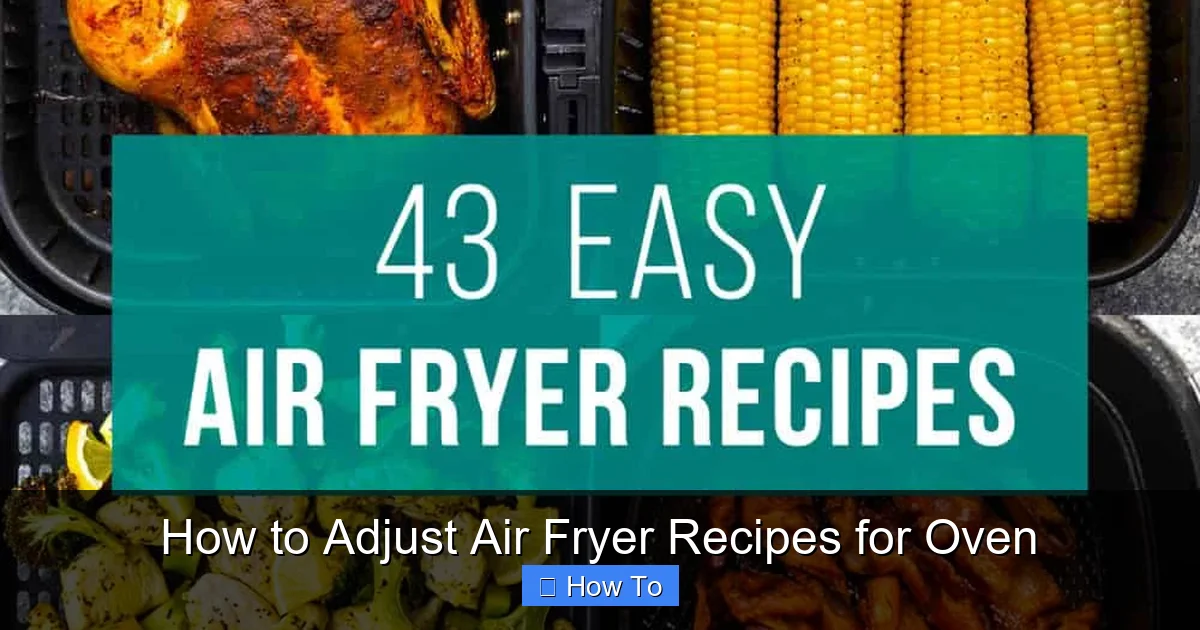
Visual guide about How to Adjust Air Fryer Recipes for Oven
Image source: sweetpeasandsaffron.com
Reducing Cooking Time
Start by calculating 20% off the air fryer time. Use a timer and check the food a minute or two before the adjusted time is up. Look for visual cues: golden-brown color, crisp edges, and tenderness when pierced with a fork. If the food needs more time, add it gradually. This method works for most proteins, vegetables, and even baked goods, though baking times may need slightly more adjustment due to the oven’s steady heat.
Checking for Doneness
Because ovens vary in hot spots and accuracy, relying on a timer alone can be risky. Use a meat thermometer for proteins, cut into vegetables to test tenderness, or shake the pan to see if food is crisping evenly. These checks help you fine-tune the timing for your specific oven. Over time, you’ll learn how your oven behaves and can adjust more confidently.
Keeping Crispiness and Texture
One of the biggest challenges when moving from air fryer to oven is maintaining that signature crispiness. Air fryers excel at crisping because of their small size and powerful fan. Ovens can achieve similar results with the right techniques. First, use a light oil spray on your food. A quick mist of olive or avocado oil helps conduct heat and promotes browning. Second, choose the right pan. Light-colored, low-rise baking sheets or pans allow heat to reach the food more effectively than deep, dark pans. Third, position the rack in the middle of the oven for even airflow, or use the top rack if you want more browning on top.
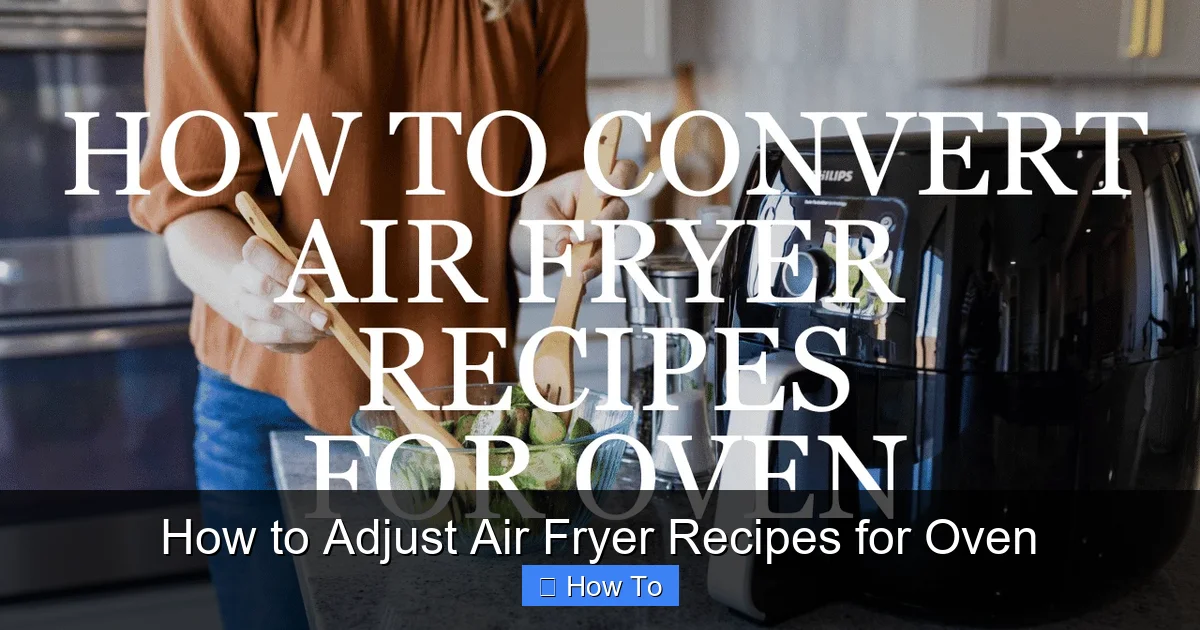
Visual guide about How to Adjust Air Fryer Recipes for Oven
Image source: everydaydishes.com
Using the Right Rack and Pan
Avoid non-stick or dark metal pans that can cause uneven browning or even burning. Instead, opt for aluminum or light-colored steel pans. If you’re cooking something like fries or nuggets, a perforated basket or a wire rack placed on a baking sheet mimics the air fryer’s airflow, allowing crisping on all sides. If you don’t have a perforated pan, flip the food halfway through cooking to ensure even exposure.
Adding Oil or Sprays
Oil isn’t always necessary in an air fryer, but in an oven, it’s a game-changer for texture. A thin, even coat of oil helps the Maillard reaction—the chemical reaction that creates golden-brown color—happen more efficiently. Use an oil spray bottle for controlled application. About 1 to 2 teaspoons of oil for a typical recipe is usually enough. Too much oil can make food greasy, so start light and add more if needed after the first check.
Recipe-Specific Adjustments for Common Foods
Different foods need slightly different tweaks when adjusting air fryer recipes for oven. Here are some practical examples to guide you.
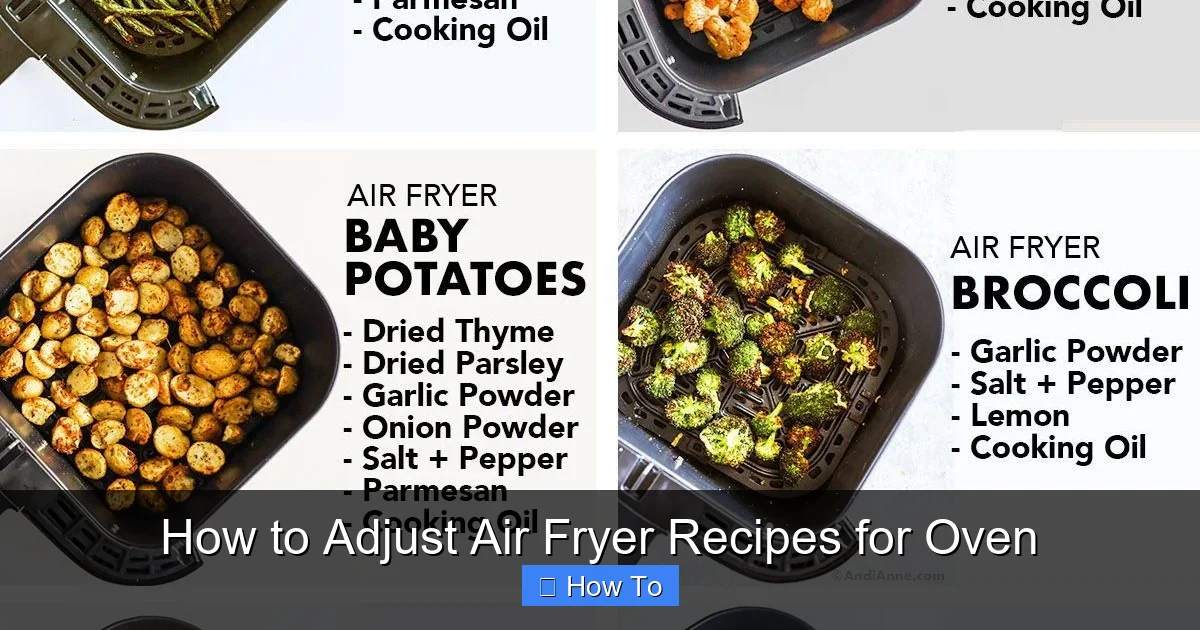
Visual guide about How to Adjust Air Fryer Recipes for Oven
Image source: i.pinimg.com
For Meats and Poultry
Chicken breasts, thighs, and whole chickens cook well in both appliances, but the oven requires a bit more time. Lower the temperature by 25°F and increase the cooking time by 20%. Use a meat thermometer to ensure the thickest part reaches the safe internal temperature: 165°F for chicken. For crispier skin, pat the meat dry, apply a thin oil layer, and finish on the top rack for the last few minutes. Always let the meat rest for 5 minutes after cooking to keep it juicy.
For Vegetables and Fries
> Vegetables like broccoli, carrots, and potatoes become tender and caramelized in the oven. Reduce the air fryer time by 20% and lower the temperature by 25°F. Toss the vegetables in a light oil spray, spread them in a single layer on a baking sheet, and roast until fork-tender and slightly charred at the edges. Stir or flip halfway through for even cooking. Frozen fries follow the same principle: 20% less time, 25°F lower heat, and a flip halfway through.
For Baked Goods and Snacks
Cookies, muffins, and quick breads can be adapted, but keep in mind that ovens provide more uniform heat, which can affect spread and rise. Lower the temperature by 25°F and keep the bake time similar, checking a minute or two early. You may notice slightly different texture, but the flavor will remain delicious. For snacks like mozzarella sticks or jalapeño poppers, use the rack method and increase cook time slightly if the coating isn’t golden brown.
Leveraging Your Oven’s Air Fryer Features
Many modern ovens come with a dedicated air fryer setting or convection fan. If your oven has this feature, you’re in luck! The air fryer setting typically uses a heating element and fan combination that mimics standalone air fryers. When using this setting, you can often stick closer to the original air fryer temperature and time, reducing the need for major adjustments. However, still lower the temperature by about 10 to 15°F as a safety buffer, and monitor the food during the first cycle.
How It Differs from Standalone
The oven’s air fryer setting may have a different basket or tray design, and the heating elements might be positioned differently. Read your oven’s manual to understand how the air fryer function works. You might find that you need less oil or a slightly shorter time than you would with a countertop air fryer. Experiment with one recipe first to see how your oven responds, then apply those lessons to other dishes.
Common Mistakes to Avoid
When adjusting air fryer recipes for oven use, a few common pitfalls can sabotage your results. Here’s how to steer clear of them.
Skipping the Temperature Drop
The most frequent mistake is using the exact air fryer temperature in the oven. This often leads to burnt exteriors and undercooked interiors. Always remember the 25°F reduction rule, even if you’re in a hurry. It’s a small change that makes a big difference.
Overcrowding the Pan
Air fryers have limited space, so recipes are written with that in mind. In an oven, you have more room, but don’t overcrowd the pan. Food needs airflow to crisp; if pieces touch or overlap, they’ll steam instead of roast. Give each piece of food some breathing room, and use multiple pans if necessary.
Ignoring Hot Spots
Every oven has hot spots—areas that run hotter than others. To avoid uneven cooking, rotate your pan halfway through the cooking time. If you notice one side browning faster, move the pan to a different rack position. An oven thermometer can help you verify if your oven’s temperature matches the setting.
Not Adjusting for Frozen Foods
Frozen recipes, like frozen fries or nuggets, often have air fryer instructions on the package. When using the oven, reduce the temperature by 25°F and increase the time by about 50%. Check the food frequently toward the end, as oven performance varies. A little patience and monitoring go a long way.
Conclusion
Adjusting air fryer recipes for oven cooking doesn’t have to be intimidating. With the temperature lowered by 25°F, the time reduced by roughly 20%, and a few texture tricks like oil spray and proper rack placement, you can recreate your favorite crispy dishes using any conventional oven. Remember to monitor your food, use visual cues, and don’t be afraid to make small adjustments as you go. Before you know it, you’ll be swapping your air fryer for the oven with confidence and delicious results every time. Happy cooking!
Frequently Asked Questions
Can I use the exact same temperature if I use my oven’s air fryer setting?
Yes, if your oven has a dedicated air fryer setting, you can often stick closer to the original air fryer temperature. However, it’s still wise to reduce the temperature by 10 to 15°F as a buffer, since oven models vary. Check the food a few minutes early to see how it’s progressing, and adjust time or temperature based on the results you see.
Do I need to flip food when cooking in the oven like I do in an air fryer?
Flipping is highly recommended when using an oven, especially if you’re not using a perforated pan or rack. Ovens don’t circulate air as aggressively as air fryers, so flipping or rotating the pan halfway through cooking ensures even browning and crisping on all sides. If you do use a wire rack, you may be able to flip less often, but a single turn is still a good habit.
How much should I reduce the cooking time when using an oven?
Reduce the air fryer time by about 20% as a starting point. For example, if a recipe takes 15 minutes in the air fryer, aim for 12 minutes in the oven, then check for doneness. Add time in small increments if needed. The exact reduction can vary based on the food type and your oven’s performance, so always keep an eye on the dish during the final minutes.
What type of pan works best for adapting air fryer recipes to the oven?
Light-colored, low-rise baking sheets or pans work best. Avoid dark or deep pans, as they retain more heat and can cause the bottom of your food to brown too quickly or even burn. Perforated pans or a wire rack placed on a baking sheet mimic the air fryer’s airflow, promoting even crisping. If you only have standard pans, spreading food in a single layer and flipping halfway helps.
Can I cook frozen foods directly from the freezer in the oven using air fryer adjustments?
Yes, but you’ll need to adjust both temperature and time. Lower the oven temperature by 25°F and increase the cooking time by about 50% compared to the air fryer instructions. Check the food frequently toward the end, as oven performance varies. A little extra monitoring ensures the food cooks through without burning.