How to Clean Samsung Air Fryer Oven
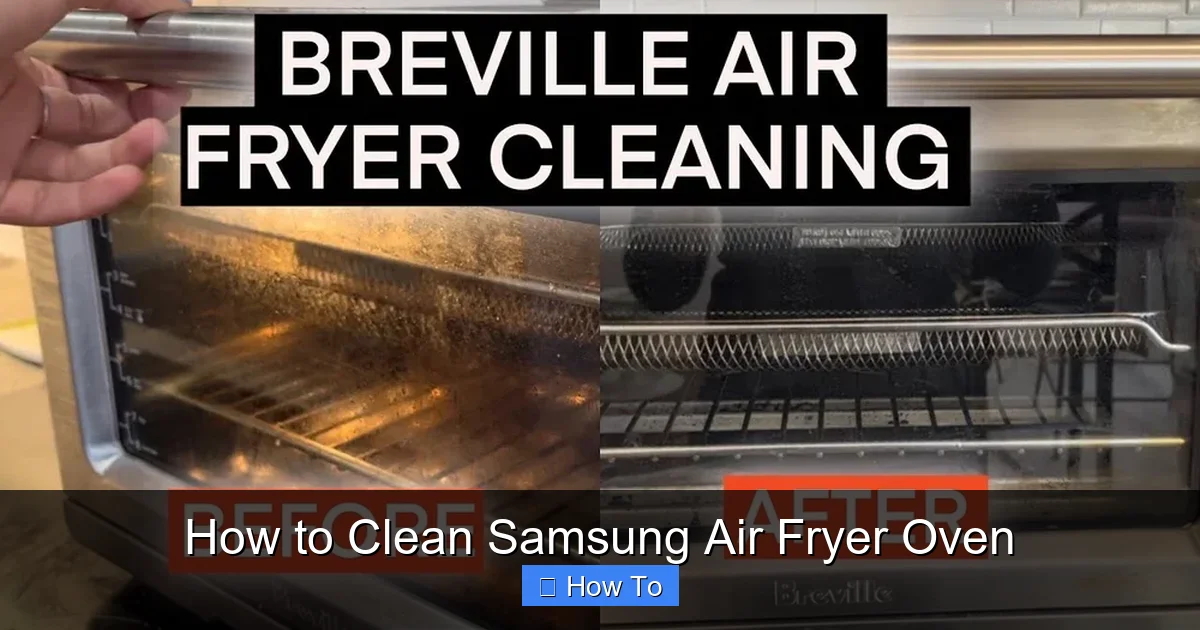
Cleaning your Samsung Air Fryer Oven doesn’t have to be a hassle—just follow these simple steps to keep it shining. In this guide we cover everything from removing crumbs to deodorizing the interior, ensuring optimal performance and longevity.
Owning a Samsung Air Fryer Oven brings a world of crispy, healthier meals to your kitchen, but with great cooking power comes the responsibility of proper upkeep. If you’ve ever wondered How To Clean Samsung Air Fryer Oven without damaging its sleek exterior or delicate heating components, you’re in the right place. This guide walks you through every step, from gathering the right supplies to storing the unit safely, ensuring your appliance stays as fresh as the dishes it creates.
Key Takeaways
- Point 1: Regular cleaning preserves the appliance’s efficiency and extends its lifespan.
- Point 2: Use gentle, non‑abrasive tools to avoid scratching the interior coating.
- Point 3: Deodorize with a vinegar‑water solution to eliminate lingering odors.
- Point 4: Clean the crumb tray and accessories after each use to prevent buildup.
- Point 5: Wipe the exterior with a damp cloth and mild detergent for a streak‑free finish.
- Point 6: Refer to cleaning the oven air fryer basket for detailed basket care.
- Point 7: For broader interior cleaning insights, see cleaning the inside of a Ninja Air Fryer Oven.
📑 Table of Contents
- Why Cleaning Your Samsung Air Fryer Oven Matters
- Gather Your Cleaning Supplies
- Step‑by‑Step Guide to Clean the Exterior
- How To Clean the Interior Cavity
- Maintaining the Heating Element and Fan
- Tips for Ongoing Care and Storage
- Final Thoughts: Mastering How To Clean Samsung Air Fryer Oven
- Related Resources
Why Cleaning Your Samsung Air Fryer Oven Matters
Before diving into the nitty‑gritty, it helps to understand why a regular cleaning routine is essential. First, food particles and grease can accumulate, leading to unpleasant odors and even affecting the taste of future meals. Second, a clean heating element and fan promote even heat distribution, which means your fries stay crispy and your chicken stays juicy. Finally, maintaining cleanliness reduces the risk of mold or bacterial growth, keeping your kitchen a healthy environment. When you approach cleaning methodically, you’ll notice that the oven continues to perform like new, and you’ll avoid costly repairs down the line.
Health and Hygiene Benefits
Think of your air fryer oven as a mini‑kitchen that circulates hot air around your food. When crumbs and oil splash onto the interior walls, they can burn and release smoke, which may irritate sensitive lungs. By removing these residues regularly, you protect both your appliance and your family’s well‑being. A simple wipe‑down after each use can prevent the buildup that leads to stubborn stains and lingering smells.
Performance and Longevity
Heating elements that are coated in grease lose efficiency, forcing the oven to work harder and consume more energy. Over time, this extra strain can shorten the lifespan of the unit. A clean fan ensures that air circulates freely, delivering consistent results every time you cook. In short, a well‑maintained oven not only saves you money on electricity but also preserves the value of your investment.
Gather Your Cleaning Supplies
Having the right tools at hand makes the cleaning process smooth and enjoyable. You’ll need a few basic items: a soft microfiber cloth, a mild dish soap, warm water, a non‑abrasive sponge, and a small brush for hard‑to‑reach spots. For tougher grease, a mixture of equal parts white vinegar and water works wonders without harming the interior coating. If you prefer natural solutions, baking soda can be used as a gentle scrubbing agent when mixed with water to form a paste.
Visual guide about How to Clean Samsung Air Fryer Oven
Image source: cleanhomeexpert.co.uk
Safe and Effective Cleaning Tools
Never use steel wool or harsh scouring pads, as they can scratch the non‑stick interior and compromise the oven’s protective layer. Instead, opt for a soft sponge or a silicone brush that can dislodge debris without scratching. A toothbrush is perfect for cleaning around the heating element and fan blades, where food particles often hide. Remember, the goal is to lift away grime, not to abrasively remove the protective coating.
Optional Natural Alternatives
If you’re eco‑conscious, consider using lemon juice as a natural degreaser. Its acidic properties break down oil, leaving a fresh scent behind. Simply mix a tablespoon of lemon juice with a cup of warm water, dampen a cloth, and wipe the interior surfaces. Rinse with a clean, damp cloth afterward to remove any residual citrus.
Step‑by‑Step Guide to Clean the Exterior
Now that you’re equipped with the right supplies, let’s tackle the exterior – the part that gets the most visible wear. Start by unplugging the oven and allowing it to cool completely. This safety step prevents any accidental burns or electrical issues. Once cooled, dampen a microfiber cloth with a solution of mild dish soap and warm water, then gently wipe the outer surface, paying special attention to the control panel and door handle.
Visual guide about How to Clean Samsung Air Fryer Oven
Image source: citizenside.com
Wiping Down the Outer Surface
Use circular motions to lift fingerprints and smudges, then follow up with a dry portion of the cloth to prevent streaks. For stubborn spots, apply a small amount of the soap‑water solution directly to the cloth – never spray directly onto the appliance. After wiping, go over the surface with a dry cloth to remove any remaining moisture, ensuring a polished finish.
Dealing with Stubborn Stains
If you encounter dried-on grease or sauce splatters, create a paste using baking soda and a few drops of water. Apply the paste to the stained area, let it sit for five minutes, then gently scrub with a soft sponge. Rinse the area with a clean, damp cloth and dry thoroughly. This method lifts the residue without scratching the finish, preserving the oven’s sleek appearance.
How To Clean the Interior Cavity
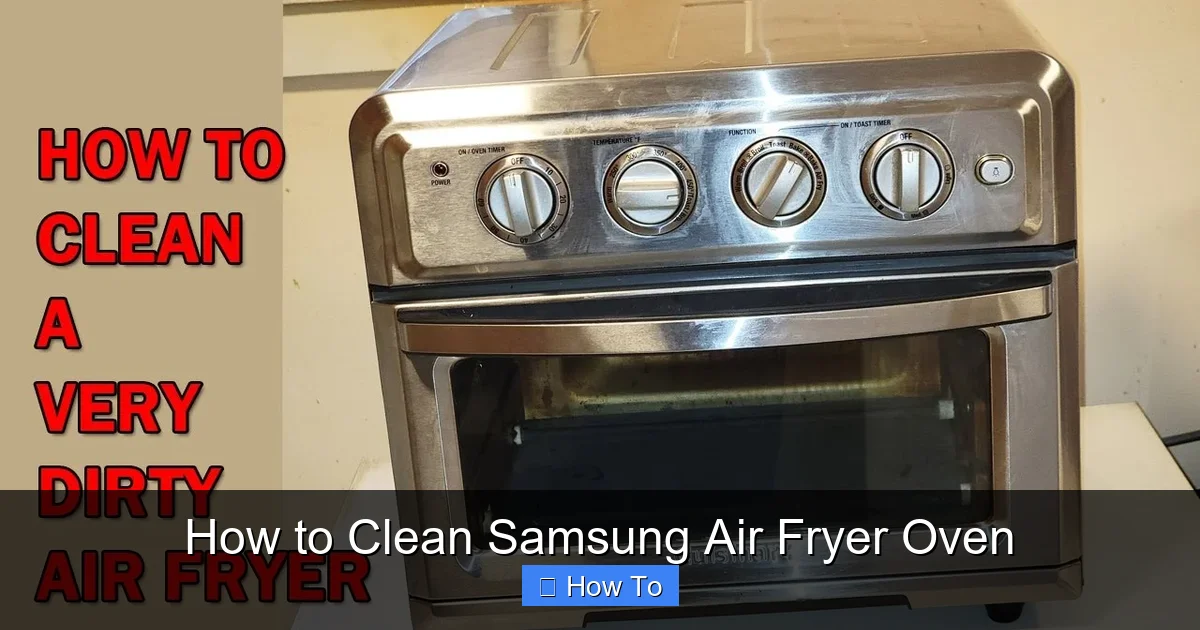
Moving inside the oven, you’ll find the crumb tray, cooking racks, and the main cavity where heat circulates. Begin by removing the crumb tray and any removable accessories, such as the air fryer basket or rotisserie kit. These components can be cleaned separately, and you can find a detailed walkthrough in our guide on cleaning the oven air fryer basket.
Visual guide about How to Clean Samsung Air Fryer Oven
Image source: i.ytimg.com
Removing the Crumb Tray and Accessories
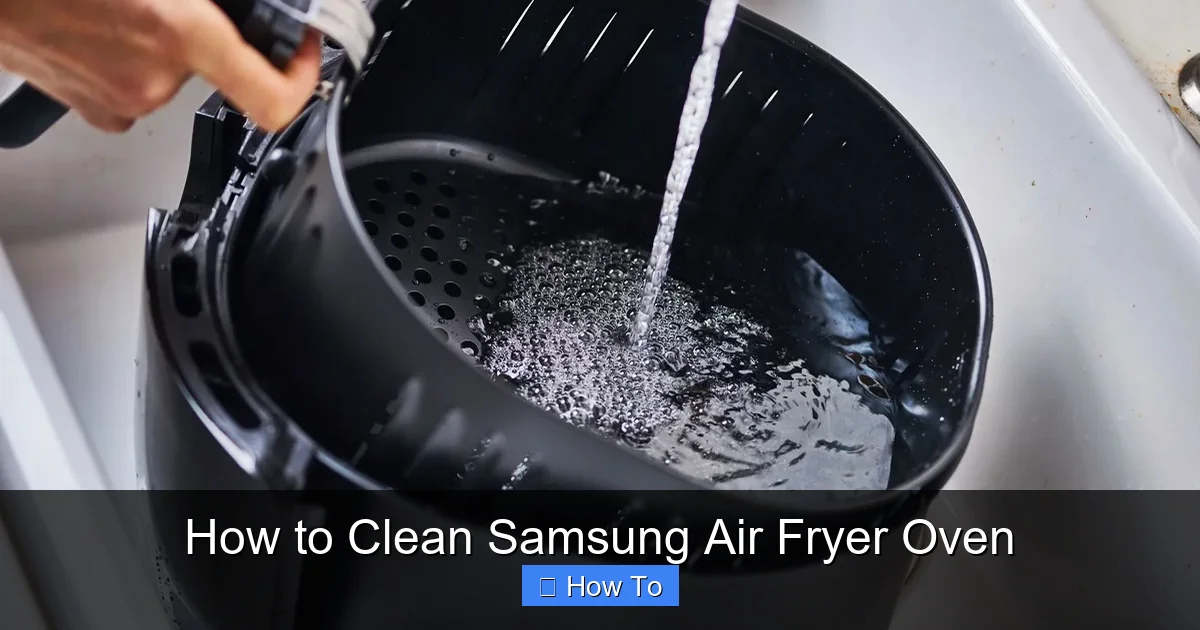
Take the tray out and dump any loose crumbs into the trash. If the tray is dishwasher‑safe, place it on the top rack; otherwise, soak it in warm, soapy water for ten minutes, then scrub with a non‑abrasive sponge. For the basket, rinse it under running water, use a soft brush to dislodge stuck particles, and dry it completely before reassembling.
Cleaning the Heating Element and Fan
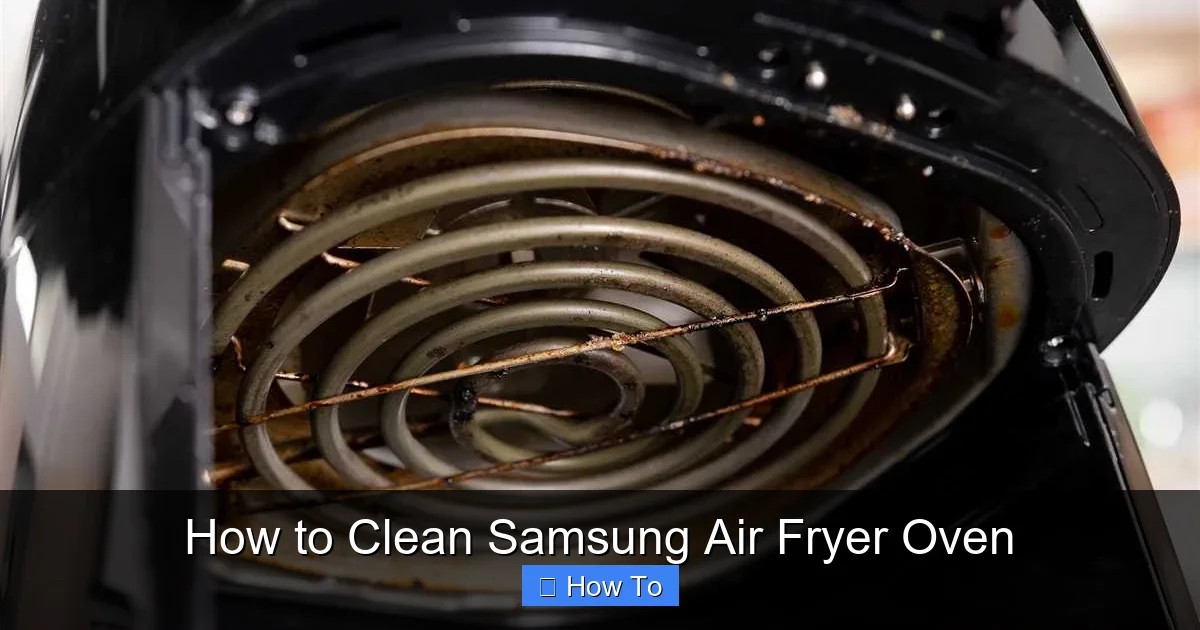
The heating element and fan are the heart of the oven, and they tend to collect fine dust over time. Using a small, soft brush – a clean toothbrush works well – gently sweep away any debris. Be careful not to apply excessive force, as the element is delicate. If you notice stubborn buildup, lightly dampen the brush with a vinegar‑water solution, then wipe the area with a dry cloth. Avoid spraying any liquid directly onto the element.
Maintaining the Heating Element and Fan
Proper maintenance of these critical components ensures consistent airflow and prevents overheating. After cleaning, inspect the fan blades for any signs of wear or damage. If the blades are bent or cracked, contact Samsung support for a replacement part. Regularly checking the element for discoloration can also alert you to potential issues before they become serious.
Dust Removal Techniques
To keep dust from accumulating, make it a habit to wipe the exterior and interior surfaces weekly, even if you haven’t cooked anything recently. A quick pass with a dry microfiber cloth removes loose particles that could otherwise settle on the heating element. This simple routine reduces the need for deep cleaning sessions and keeps the oven ready for the next use.
Preventing Overheating
Overheating can occur if the fan is obstructed or the element is coated in grease. After each cleaning cycle, run a short test cycle at a low temperature (around 150°F) to verify that airflow is smooth and that the oven heats evenly. If you notice unusual noises or uneven cooking, double‑check the fan and element for any remaining debris.
Tips for Ongoing Care and Storage
Consistent care doesn’t stop after a deep clean; it’s a lifelong habit that keeps your Samsung Air Fryer Oven performing at its best. Establish a routine: after each cooking session, allow the oven to cool, remove crumbs, and wipe the interior with a damp cloth. Store the crumb tray and accessories in a dry place to prevent rust or mildew. When the appliance is not in use for an extended period, consider covering it with a breathable cloth to protect it from dust.
Routine Maintenance Schedule
Set a calendar reminder to perform a thorough cleaning every month. During this session, repeat the steps outlined earlier, paying special attention to the heating element, fan, and crumb tray. Keeping a log of cleaning dates helps you stay on track and detect any patterns, such as increased grease buildup, that may require additional attention.
Proper Storage Practices
If you need to store the oven for seasonal reasons, unplug it, clean it thoroughly, and let it dry completely. Place a small packet of silica gel inside the cavity to absorb any residual moisture, then cover the unit with a breathable cloth. Avoid storing it in a damp basement or a humid bathroom, as prolonged exposure to moisture can affect electronic components.
Final Thoughts: Mastering How To Clean Samsung Air Fryer Oven
Cleaning your Samsung Air Fryer Oven may seem like a chore, but with the right approach it becomes a quick, satisfying ritual that protects your investment and enhances your cooking experience. By understanding the importance of regular maintenance, gathering the proper supplies, and following a systematic cleaning routine, you’ll keep your oven looking pristine and performing optimally for years to come. Remember, a clean oven not only produces better‑tasting meals but also contributes to a healthier kitchen environment. So the next time you wonder How To Clean Samsung Air Fryer Oven, refer back to this guide and enjoy the fresh, crisp results of a well‑maintained appliance.
Related Resources
For those who love experimenting with different cooking techniques, check out our article on using an oven air fryer Samsung to explore new recipes and functions. If you’re curious about other brands, our guide on cleaning the inside of a Ninja Air Fryer Oven offers comparative tips that can broaden your appliance knowledge.
Frequently Asked Questions
How often should I clean my Samsung Air Fryer Oven?
It’s best to wipe the interior and exterior after each use, and perform a deep clean monthly to prevent buildup and maintain performance.
Can I use abrasive cleaners on the interior?
No, abrasive cleaners can damage the non‑stick coating; stick to mild soap, vinegar, or baking soda solutions with soft sponges.
Is it safe to submerge the crumb tray in water?
Only if the manufacturer states it’s dishwasher‑safe; otherwise, soak it briefly in warm, soapy water and rinse thoroughly.
What’s the best way to remove stubborn odors?
Run a cycle with a mixture of water and white vinegar, then wipe the interior with a damp cloth to eliminate lingering smells.
Do I need to clean the fan and heating element regularly?
Yes, dust on these components can reduce efficiency; gently brush them every few weeks to keep airflow optimal.
Can I use the same cleaning method for other air fryer brands?
Many principles apply, but always check the specific brand’s manual for guidance on materials and access points.