Can I Use Air Fryer Liners in Oven
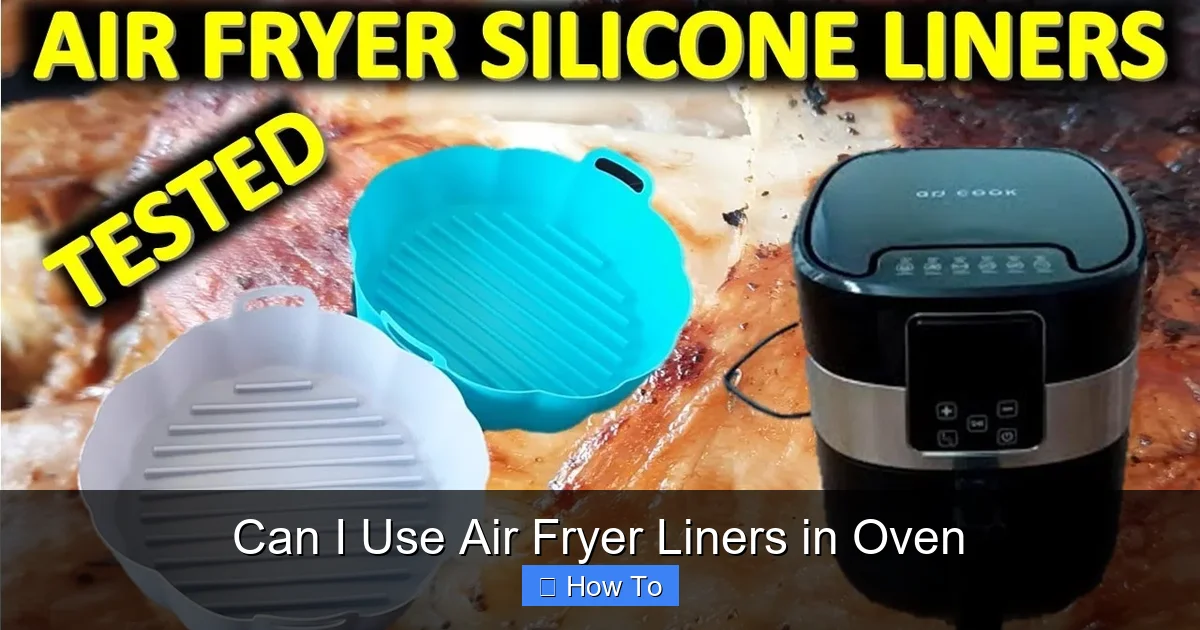
Yes, you can use air fryer liners in oven settings, but you need to choose the right type and follow safety guidelines to avoid melting or fire hazards. This guide explains when liners work, how to use them properly, and what alternatives exist for hassle‑free baking and roasting.
If you love the convenience of air fryer liners for quick cleanup, you might wonder whether the same trick works when you switch to a conventional oven. The question Can I Use Air Fryer Liners In Oven pops up frequently among home cooks who want to keep their baking sheets spotless without sacrificing cooking performance. In this article we’ll break down the facts, safety considerations, and practical tips so you can decide if liners belong in your oven routine.
Key Takeaways
- Material matters: Only parchment or silicone liners rated for high heat are safe for oven use.
- Temperature limits: Most air fryer liners tolerate up to 425 °F (220 °C); exceeding this can cause melting or smoke.
- Proper placement: Keep liners away from heating elements and ensure they lie flat to promote airflow.
- Benefits: Liners reduce sticking, simplify cleanup, and can help achieve even browning when used correctly.
- Risks: Using unsuitable liners (e.g., wax‑coated or low‑grade plastic) can release fumes or catch fire.
- Alternatives: Lightly greasing pans, using silicone baking mats, or opting for disposable aluminum foil are viable substitutes.
- Check your manual: Always consult your oven’s user guide for any accessory restrictions.
📑 Table of Contents
Understanding Air Fryer Liners
Before answering Can I Use Air Fryer Liners In Oven, it helps to know what these liners are made of and how they function in an air fryer. Most liners fall into two categories:
- Parchment paper liners – perforated sheets designed to withstand temperatures up to about 425 °F (220 °C). They allow hot air to circulate while preventing food from sticking.
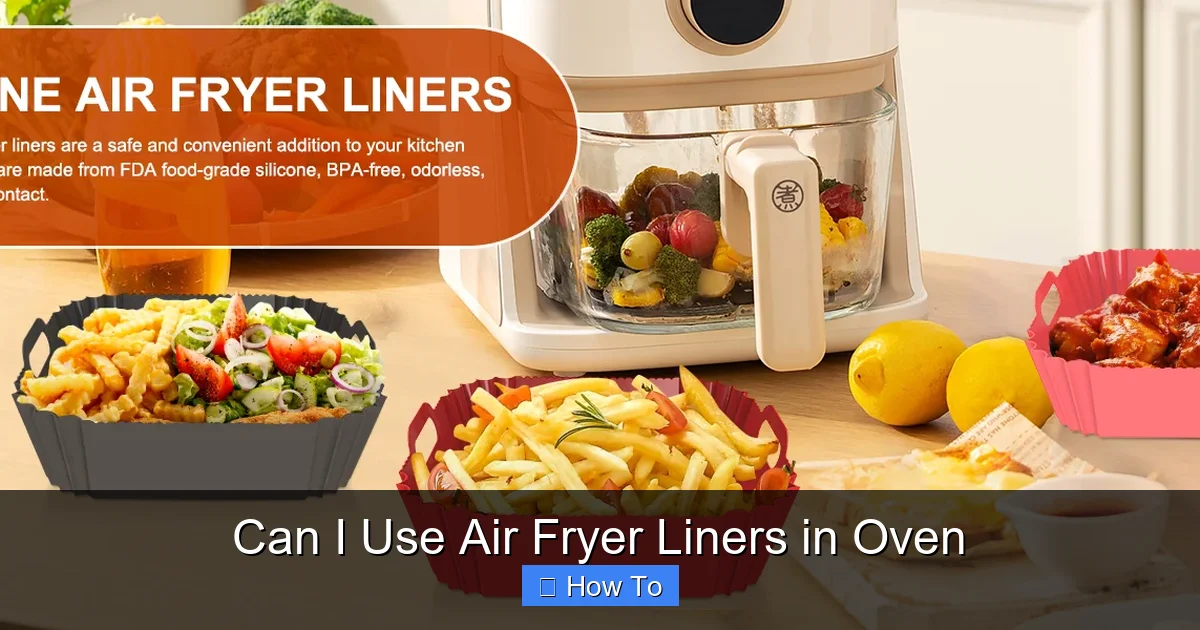
- Silicone liners – reusable, flexible mats that can handle similar heat ranges and are often dishwasher safe.
Both types rely on the rapid, circulating hot air of an air fryer to cook food evenly. When you move them to a static oven environment, the airflow changes, which affects how the liner performs.
Can You Use Air Fryer Liners in a Regular Oven?
The short answer to Can I Use Air Fryer Liners In Oven is yes, provided you respect the material’s temperature limits and follow a few safety rules. Many parchment liners sold for air fryers are rated for oven use up to 425 °F, which covers most baking, roasting, and reheating tasks. Silicone liners often share the same rating, making them suitable for oven trays as well.
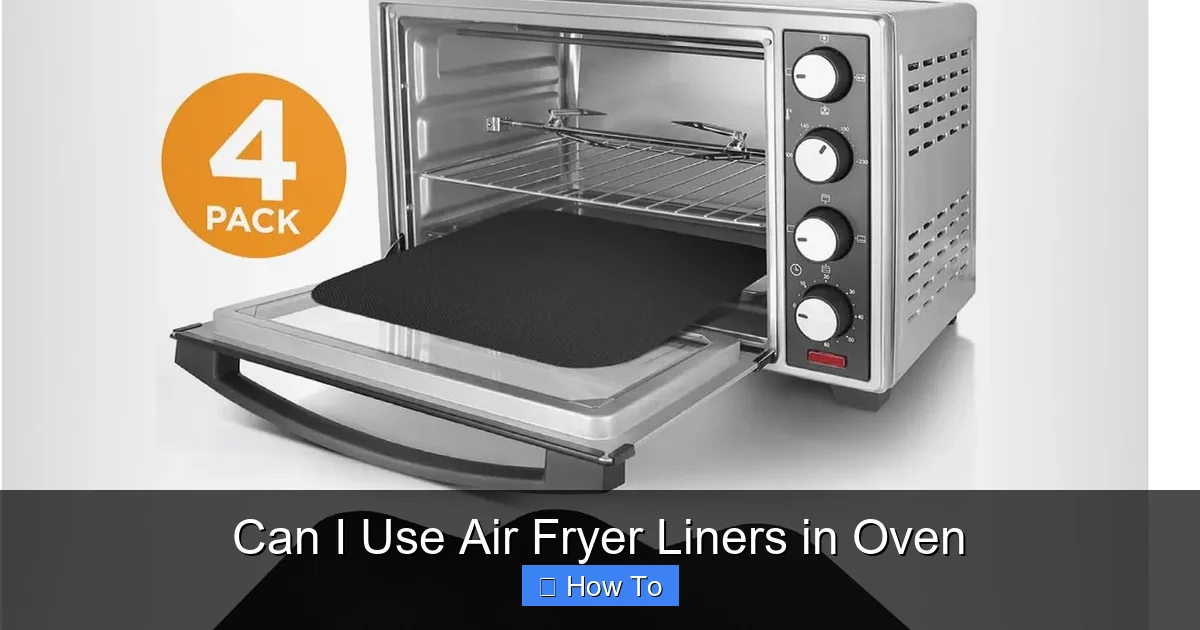
Visual guide about Can I Use Air Fryer Liners in Oven
Image source: m.media-amazon.com
However, not all liners are created equal. Some inexpensive options feature a wax coating or low‑grade plastic that can melt at lower temperatures, releasing unpleasant odors or even posing a fire risk. Always check the packaging for an explicit oven‑safe temperature before proceeding.
If you’re using a liner that is explicitly marked as oven‑safe, you can place it on a baking sheet or directly on the oven rack (if the liner is sturdy enough) and proceed with your recipe. For best results, treat the liner like you would a piece of parchment paper: keep it flat, avoid overhanging edges that could touch heating elements, and never leave it unattended at high broil settings.
When Liners Work Best in the Oven
Liners shine in scenarios where you want minimal sticking and easy cleanup, such as:
- Baking cookies, scones, or pastries on a sheet pan.
- Roasting vegetables or potatoes where you’d like a light crisp without scrubbing the pan.
- Reheating frozen foods like pizza rolls or chicken nuggets.
- Cooking delicate items such as fish fillets that might stick to bare metal.
In each case, answering Can I Use Air Fryer Liners In Oven with a yes can save you time after the meal.
When to Avoid Liners in the Oven
There are situations where liners are not advisable:
- Broiling at temperatures above the liner’s rated limit (often 500 °F+).
- Using the liner as a shield for direct flame or intense radiant heat from the oven’s top element.
- Cooking foods that release a lot of moisture or fat, which can pool under the liner and cause steaming instead of browning.
- When the liner is too large and overlaps the oven walls, risking contact with the heating element.
If any of these conditions apply, it’s safer to skip the liner and opt for a greased pan or a silicone baking mat.
Benefits of Using Liners in the Oven
Using liners correctly can bring several advantages that make answering Can I Use Air Fryer Liners In Oven a positive experience:
Visual guide about Can I Use Air Fryer Liners in Oven
Image source: m.media-amazon.com
Easier Cleanup
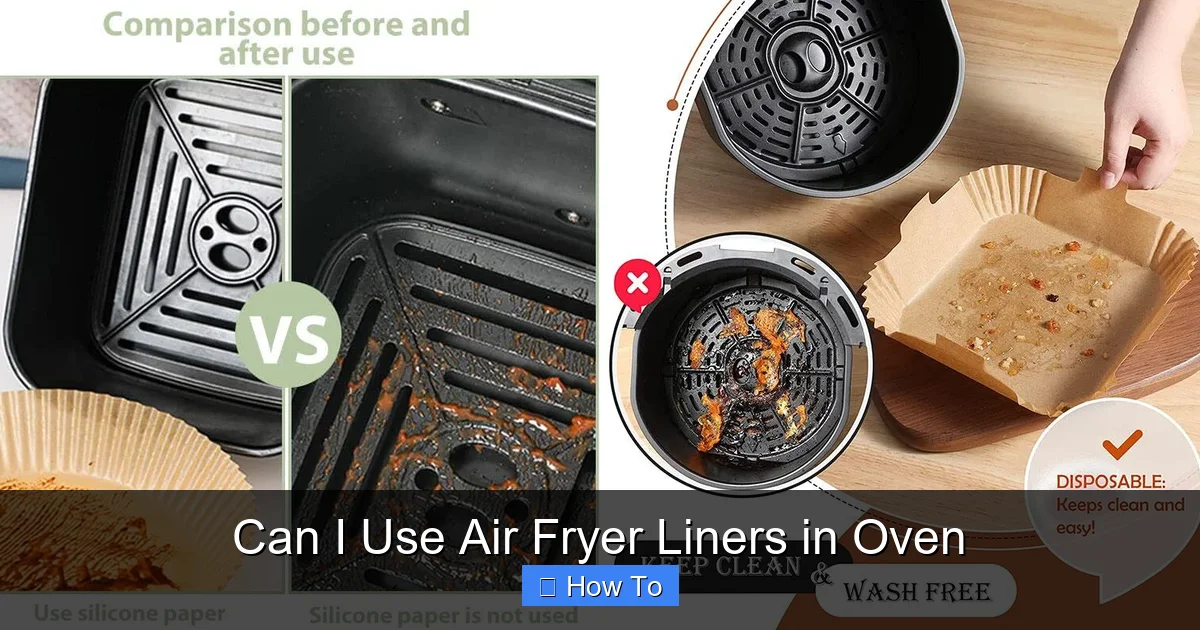
The most obvious benefit is that food residue stays on the liner rather than baking onto the pan. After cooking, you simply lift the liner and discard or wash it, leaving the pan virtually spotless.
Reduced Sticking
Parchment and silicone surfaces are naturally non‑stick, which helps delicate foods release cleanly. This is especially useful for low‑fat recipes where you don’t want to add extra oil just to prevent sticking.
Even Heat Distribution (When Used Properly)
When a liner lies flat and does not obstruct airflow, it can act like a thin barrier that still allows hot air to reach the food. In many oven recipes, this results in uniform browning without hot spots.
Reusability (Silicone)
Silicone liners can be washed and reused dozens of times, offering an eco‑friendly alternative to disposable parchment.
Potential Risks and Safety Tips
While the answer to Can I Use Air Fryer Liners In Oven is often yes, safety must come first. Below are key risks and how to mitigate them.
Visual guide about Can I Use Air Fryer Liners in Oven
Image source: holidaypac.com
Melting and Fire Hazard
Exceeding the liner’s temperature rating can cause the material to melt, smoke, or ignite. To avoid this:
- Always verify the maximum oven temperature printed on the liner packaging.
- Stay at least 25 °F below that limit when using the oven’s convection or bake setting.
- Never use liners under the broiler unless the manufacturer explicitly states they are broiler‑safe.
Chemical Release
Low‑quality liners may contain additives that break down at high heat, releasing fumes. Choose liners labeled “food‑grade,” “BPA‑free,” and “PFAS‑free” for peace of mind.
Airflow Obstruction
In a conventional oven, hot air rises and circulates less vigorously than in an air fryer. A liner that curls up or overlaps the pan edges can block heat, leading to uneven cooking. To prevent this:
- Cut the liner to match the pan size exactly.
- Press it gently onto the surface so it lies flat.
- If using a perforated parchment liner, ensure the holes face upward to allow steam to escape.
Placement Relative to Heating Elements
Oven heating elements are usually located at the top and bottom. Keep liners at least 1‑inch away from any element to avoid direct contact.
Best Practices and Alternatives
If you decide that Can I Use Air Fryer Liners In Oven works for your kitchen, follow these best practices to get the most out of them.
Choose the Right Liner
Look for products that specifically state “oven safe up to 425 °F” or higher. Silicone mats often provide the widest temperature range and are reusable.
Pre‑heat the Oven with the Liner Inside
Placing the liner in a cold oven and then heating it gradually helps prevent sudden thermal shock that could cause warping (especially with thin parchment).
Monitor the First Use
When trying a new liner brand, bake a simple test batch (like a few cookies) and watch for any signs of melting, discoloration, or odor.
Use a Baking Sheet as a Base
Even if the liner is sturdy enough to sit on the rack, placing it on a lightweight baking sheet adds stability and makes removal easier.
Consider Alternatives When Needed
If you’re unsure about a liner’s limits, these substitutes work well:
- Lightly greasing the pan with oil or butter.
- Using a reusable silicone baking mat (many are rated to 500 °F).
- Opting for disposable aluminum foil—just be aware that foil can reflect heat and may affect browning.
- Investing in a non‑stick bakeware set designed for high‑heat oven use.
For more guidance on pan selection, see our article on what pan to use in air fryer oven, which also covers oven‑safe options.
Can I Use Air Fryer Liners In Oven: Real‑World Examples
To make the advice concrete, here are a few everyday scenarios where answering Can I Use Air Fryer Liners In Oven with a yes has proven useful.
Example 1: Baking Chocolate Chip Cookies
Preheat the oven to 375 °F. Place a perforated parchment liner on a flat baking sheet, scoop cookie dough onto the liner, and bake for 10‑12 minutes. The liner prevents the cookies from sticking, and cleanup is a simple lift‑and‑toss.
Example 2: Roasting Brussels Sprouts
Toss halved sprouts with olive oil, salt, and pepper. Spread them on a silicone liner set on a baking sheet. Roast at 400 °F for 20‑25 minutes, shaking halfway through. The liner keeps the sprouts from sticking while allowing edges to caramelize.
Example 3: Reheating Frozen Pizza Rolls
Set the oven to 425 °F. Arrange pizza rolls on a parchment liner on a tray. Heat for 8‑10 minutes until crispy. The liner catches any cheese melt, making the pan ready for the next batch.
In each case, the key to a successful outcome was verifying that the liner’s temperature rating exceeded the oven setting and keeping the liner flat and away from the heating elements.
Conclusion
So, Can I Use Air Fryer Liners In Oven? The answer is a qualified yes—provided you choose oven‑safe, high‑heat‑rated liners, respect temperature limits, and use them with proper placement. When used correctly, liners deliver the same convenience they offer in an air fryer: easier cleanup, reduced sticking, and decent heat distribution. However, always stay vigilant about the risks of melting, chemical release, and airflow obstruction. If you’re ever in doubt, fallback to a silicone baking mat, lightly greased pan, or disposable foil.
By following the tips and examples outlined above, you can confidently decide whether to bring your favorite air fryer liner into the oven arena. Happy cooking, and may your pans stay spotless!
Frequently Asked Questions
Can I use any air fryer liner in the oven?
No. Only liners that are explicitly labeled as oven safe and rated for the temperature you plan to use should be placed in a conventional oven. Always check the manufacturer’s specifications before use.
What temperature is safe for air fryer liners in the oven?
Most parchment and silicone liners designed for air fryers are safe up to about 425 °F (220 °C). Exceeding this limit can cause melting, smoke, or fire, so stay below the rated maximum.
Do air fryer liners affect cooking time or results in the oven?
When used correctly—flat, unobstructed, and away from heating elements—liners have minimal impact on cooking time. They may slightly insulate the food, so you might need to add a minute or two for browning, but results are generally comparable to using parchment paper.
Can I reuse silicone air fryer liners in the oven?
Yes. Silicone liners are reusable and can withstand many oven cycles as long as they remain intact and are cleaned properly after each use.
Are there any foods I should avoid cooking with liners in the oven?
Avoid foods that release large amounts of liquid or fat that could pool under the liner, such as very fatty meats or watery vegetables, as this can lead to steaming instead of browning. Also, skip liners when broiling unless the liner is specifically broiler‑safe.
What should I do if a liner starts to melt or smoke in the oven?
Turn off the oven immediately, open the door to let smoke dissipate, and carefully remove the liner using oven mitts. Discard the liner and inspect the oven for any residue before continuing to cook.