How to Bake Cookies Using Oven Toaster

Baking cookies with an oven toaster is simpler than you think. This guide walks you through selecting recipes, preparing batter, and baking to golden perfection. Learn pro tips to avoid common mistakes and customize your treats. Perfect for busy bakers who want reliable results without a full oven.
Key Takeaways
- Choose the right recipe: Opt for dense or flat cookies that set quickly in small batches.
- Prepare your pan well: Non-stick surfaces prevent sticking and make cleanup easy.
- Your oven toaster can reduce bake times by up to 15% thanks to its concentrated heat.
- Avoid opening the door frequently to maintain even temperature throughout baking.
- Use precise measurements for consistency in dough thickness and rise.
- Add mix-ins just before filling the pan to keep cookies evenly coated.
- An internal thermometer helps you achieve perfect doneness without cutting into cookies.
📑 Table of Contents
Introduction to Cookie Baking with an Oven Toaster
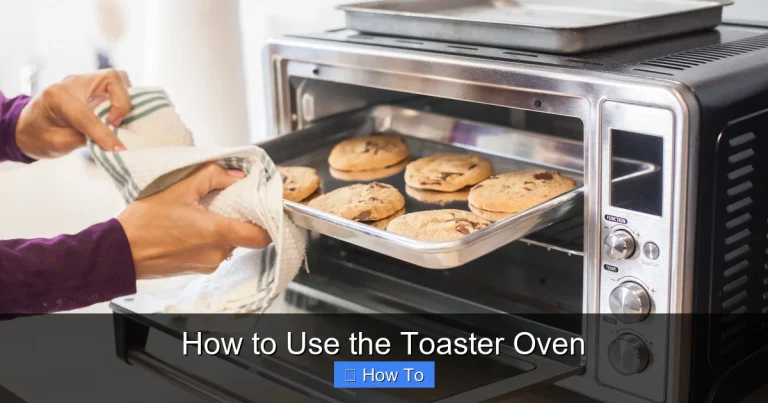
There’s something incredibly satisfying about pulling perfectly golden cookies out of the oven. You’ve waited patiently while your family gathers around, and now those warm, chewy treats are ready to shine. But what if you only have access to a compact oven toaster instead of a full-sized conventional oven? Don’t worry—you absolutely can still bake delicious cookies. An oven toaster combines the convenience of a countertop appliance with enough power to handle batch baking. It heats food quickly and evenly, making it ideal for smaller kitchens, apartment living, or those late-night cravings when you’re too tired to move a massive oven.
Using your oven toaster for cookies means you get multiple rounds of baking in short intervals. While a standard oven might take up valuable space, your toaster works efficiently on smaller portions. You can prepare one type of cookie at a time, reducing the cleanup after each batch. Plus, you save energy compared to running a large conventional oven on high heat for extended periods. Whether you’re a seasoned baker or just getting started, mastering cookie baking in this compact appliance will expand your pantry possibilities without requiring major kitchen renovations. Let’s dive into how to do it right.
Understanding Your Oven Toaster Basics
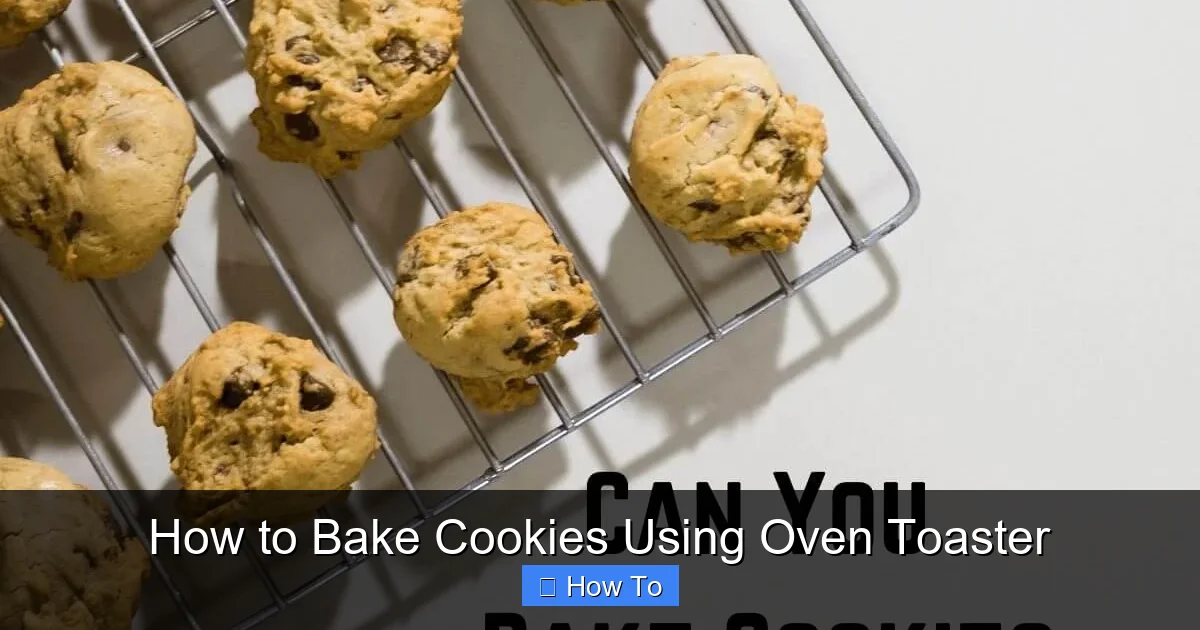
Visual guide about How to Bake Cookies Using Oven Toaster
Image source: mykitchenescapades.com
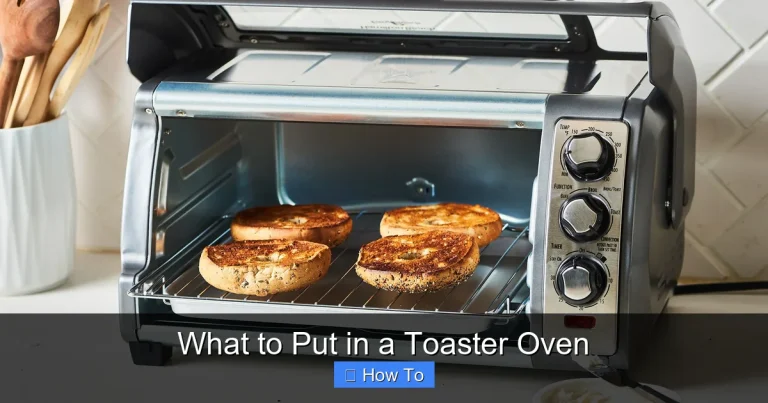
Before you start mixing anything, it’s important to know what you’re working with. An oven toaster isn’t a mini-conventional oven—it’s designed primarily for toasting bread, warming items, and occasionally baking small quantities. Most models feature a single heating element that circulates hot air around racks or trays where your cookies will rest.
Most modern oven toasters operate between 300°F and 400°F, though some higher-end models can reach up to 500°F. This range is perfect for cookies because they typically need temperatures between 350°F and 375°F to cook through without becoming dry or burnt. The toaster’s design concentrates heat upward rather than spreading it wide, creating a more intense cooking environment in a much smaller footprint. Think of it as a focused hot spot rather than a broad oven cavity.
When choosing your cookie recipe, consider whether the oven toaster’s limited capacity suits your needs. If you’re planning to make standard butter cookies, sugar cookies, or shortbread varieties, you’ll likely bake them one tray at a time. For larger batches like oatmeal raisin or peanut butter cookies, divide your batch across two trays to prevent overcrowding. Overcrowding is the enemy of good cookies—when cookies touch each other too closely, they spread unevenly and develop pale bottoms instead of beautiful golden tops.
Cleaning your oven toaster regularly keeps it performing at its best. Wipe down the racks after each use with a damp cloth. Avoid abrasive scrubbers that might scratch the surface and affect airflow. A clean appliance maintains consistent temperature distribution and extends the life of your investment. These small habits add up over time and help you achieve bakery-quality results while keeping maintenance minimal.
Selecting the Right Cookie Recipes for Oven Toaster Success
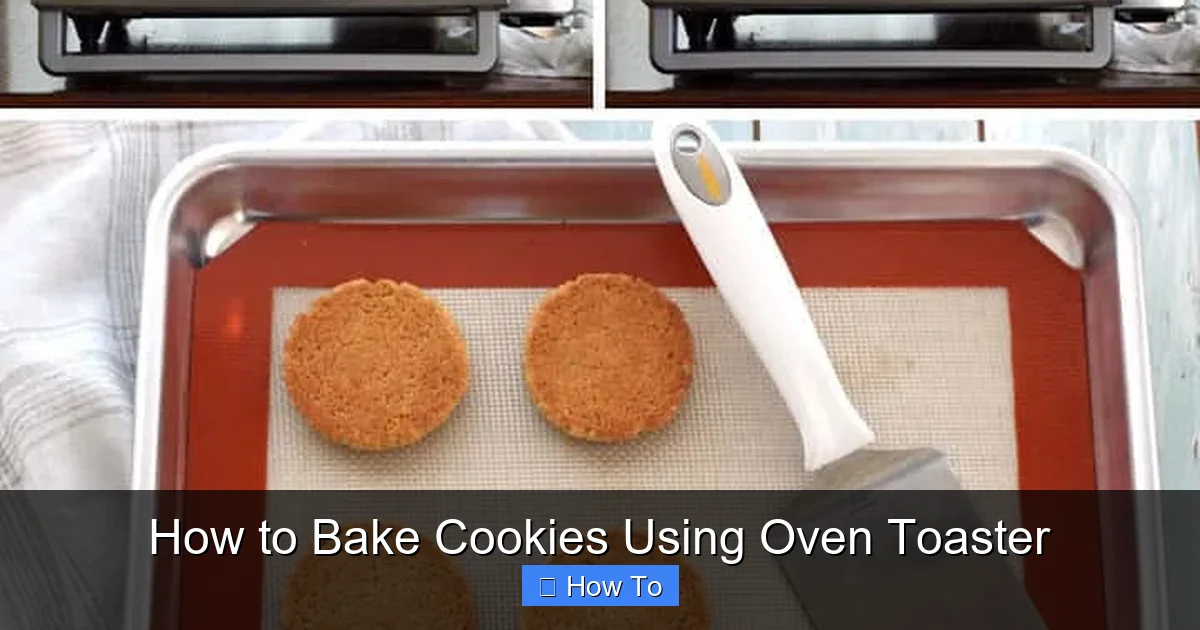
Visual guide about How to Bake Cookies Using Oven Toaster
Image source: toasterovenlove.com
Not all cookies are created equal when it comes to the humble oven toaster. Some recipes require extensive room for expansion, while others set quickly and evenly. The goal is to find cookies that respect your compact baking space while delivering the classic taste and texture everyone expects.
Flourless chocolate chip cookies are excellent choices for oven toaster users. Their rich, fudgy nature doesn’t need lengthy baking times, and their density holds up well on a small rack. Since there’s less air pockets in flourless cookies, they won’t spread excessively and won’t leave you with giant spreads. Add your favorite chocolate chunks or chopped nuts, then scoop generous portions onto parchment paper. Bake for 8-12 minutes until edges turn golden.
Classic vanilla cookies also work beautifully. They have moderate spread characteristics and develop a pleasing caramelized top. Try adding cinnamon or nutmeg for extra depth—these flavors complement the toasted sweetness perfectly. Keep an eye on timing because vanilla cookies can brown faster than more delicate recipes on intense heat. The key is watching them closely once they start turning golden.
Savory biscotti or shortbread cookies pair wonderfully with the oven toaster’s quick-cooking environment. These textures hold up exceptionally well under high heat, developing crisp edges and tender centers. Simply roll your dough into bars, cut them, and bake according to package directions adjusted for the toaster’s higher heat output. You’ll end up with crunchy exterior and soft interior—exactly what makes them special.
Avoid overly light or airy cookies like soufflé-style treats unless you’ve practiced with your toaster first. The structural integrity of lighter recipes may collapse before reaching the center. Stick to denser formats that set quickly at lower risk of failure. As you gain confidence, experiment with new combinations, but always prioritize recipes that demonstrate straightforward preparation and reliable outcomes.
Step-by-Step Baking Process
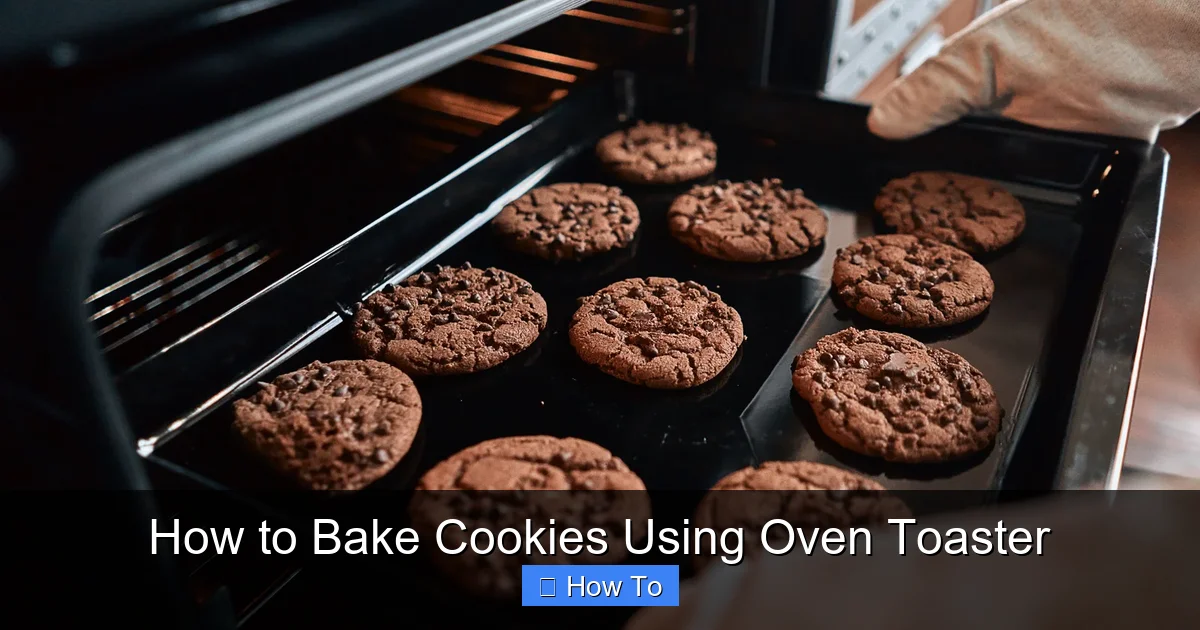
Visual guide about How to Bake Cookies Using Oven Toaster
Image source: tastingtable.com
Getting from raw ingredients to golden-perfect cookies involves several deliberate steps. Follow this sequence carefully to maximize success with your oven toaster.
First, gather all your tools. You’ll need mixing bowls, measuring cups and spoons, parchment paper, a spatula, and your oven toaster. Having everything pre-measured prevents last-minute chaos and ensures accurate proportions. Set up your workspace so you can move between tasks smoothly.
Next comes the mixing phase. Cream together your butter and sugars until smooth and fluffy. This aeration step incorporates air that helps cookies rise properly during baking. Then beat in your dry ingredients—flour, baking powder, salt—gradually to avoid overmixing. Overworked dough leads to tough cookies, so stop mixing as soon as the wet and dry components combine.
While the dry ingredients blend, prepare your cookie dough. Roll it out to about 1-inch thickness on a lightly floured surface. This uniform thickness guarantees even cooking. Place the rolled dough onto parchment-lined trays, spacing pieces generously apart. Too many cookies too close together will steam instead of brown, resulting in soggish bottoms.
Place the tray in your oven toaster and preheat to 325°F if your model requires it, though most simply need to be brought to room temperature in the device itself. Once heated, slide the tray in and start timing based on cookie type. Begin checking at the lower end of recommended ranges—most cookies finish in 8-14 minutes depending on size and ingredient weight.
Rotate the tray halfway through baking for even browning. The oven toaster’s circular motion distributes heat consistently, but rotation compensates for any slight temperature variations near different walls. When cookies develop a deep golden edge and a set center, remove them immediately. Let them cool on the tray for 5 minutes before transferring to a wire rack. This resting period allows residual heat to finish setting the structure without further cooking.
Pro Tips and Troubleshooting Common Issues
Even experienced bakers encounter hiccups when adapting traditional recipes for an oven toaster. Here are some practical solutions to keep your cookie session successful.
If your cookies come out pale and underdone, check your oven temperature. Many people assume toaster ovens run cooler than conventional ovens at face value. Verify the actual temperature reading inside your appliance. If it seems low, increase the heat setting or try finishing the last few minutes under the broiler mode—a gentle blast can give you that final golden boost without burning anything.
Gaps between cookies cause uneven spreading and weak structures. To fix this, flatten your rolled dough slightly before placing it on the tray. Even ¼ inch fewer thickness prevents neighbors from merging together. Also, resist the urge to overfill the spaces—if your recipe calls for thick drops, use a spoon to control portion size rather than dumping dough freely.
Burnt edges on the bottom suggest your cookie starts too early. Reduce baking time by 2-3 minutes next attempt. Conversely, if centers remain cakey despite long baking, your oven toaster might need adjustment. Lower the temperature by 25 degrees and extend time incrementally. Small tweaks go a long way.
Sticking occurs more often in oven toasters due to their metal racks. Ensure your parchment paper is fully covering the tray before sliding the cookie up. If the cookie does stick, let it sit undisturbed for another minute—sometimes thermal shock releases adhesion. Alternatively, try a silicone mat or coat the rack with a thin layer of oil during prep.
Finally, don’t skip cooling on the tray. Moving cookies immediately risks breaking the delicate structure. Wait until they feel firm to the touch, then transfer to a wire rack. This preserves the nice contrast between crisp edges and soft interiors that defines great homemade cookies.
Creative Customizations and Experimentation
Once you’ve mastered the basics, the real fun begins with personalization. The oven toaster’s speed cooks allow you to experiment with flavors and mix-ins safely within tight timeframes.
Try adding unexpected elements like espresso powder to chocolate cookies for a mocha twist, or zest from orange and lemon peel for bright citrus shortbreads. These additions don’t require additional baking time—they simply enhance flavor profiles already developed in your base recipe. Prepare your mix-ins separately and fold them in gently during the final stage of mixing.
Different shapes suit different oven toaster layouts. Round cookies distribute heat evenly and fill the space nicely. Square or rectangular cookies create interesting patterns when viewed from above. Consider creating a wave pattern by starting wider at the edge and tapering inward—simple visual appeal that impresses guests.
For seasonal treats, swap traditional ingredients. Pumpkin spice cookies become cozy fall favorites with applesauce instead of butter. Citrus zest elevates winter baking. The versatility of the oven toaster means you can adapt holiday traditions year-round without sacrificing quality or efficiency.
Remember to update recipes proportionally when scaling. If you double the batch, you’ll need twice the dough and adjust baking times accordingly. Small changes in quantity shouldn’t throw off chemistry significantly, but precision matters more than intuition. When in doubt, test one variation at a time to understand how adjustments affect outcome.
Frequently Asked Questions
Question?
Can I bake whole loaves of cookies in my oven toaster?
A typical oven toaster is designed for individual trays rather than large sheet pans. Attempting to place entire loaf-style cookie sheets can lead to uneven baking and potential damage to the appliance. Instead, cut your cookies into manageable sizes that fit comfortably on a single rack. For batches larger than one tray, divide them across multiple trays to ensure even heat distribution and thorough cooking.
Question?
Does my oven toaster work better than a regular oven for cookies?
In many ways, yes. The oven toaster delivers high, direct heat that cooks food quickly and evenly in a confined space. This makes it particularly effective for dense, fudgy cookies that benefit from consistent temperature. However, its smaller capacity means you’ll need to bake in smaller batches than with a full-sized conventional oven. The tradeoff is usually worth it for home kitchens with limited space or for frequent, smaller baking sessions.
Question?
How do I clean my oven toaster regularly?
Regular maintenance extends both appliance life and cookie performance. After each baking session, wipe down the racks with a damp cloth to remove residue. Pay special attention to the heating element area where crumbs accumulate. Periodically vacuum the floor of the toaster compartment to eliminate hidden debris. Avoid harsh chemicals that could discolor the metal surfaces. Consistent cleaning maintains optimal airflow and temperature stability.
Question?
What kind of cookies bake best in an oven toaster?
Dense, moderately sized cookies perform best in this appliance. Classic chocolate chip, peanut butter, and snickerdoodle varieties excel because their structure holds up under rapid, concentrated heat. Soft, fluffy cookies like bear biscuits may spread too much and become odd-shaped. Always watch your cookies during the final 3-4 minutes of baking since small adjustments go a long way toward perfect results.
Question?
Can I substitute ingredients in my favorite cookie recipe for the oven toaster?
Yes, you can adapt traditional recipes for the oven toaster’s constraints. Reduced fat content often yields crispier results when baking fast, while increased flour can compensate for thinner cookie layers. Thinner batters work well for thin-dredged designs like scones or drop cookies. The principle remains the same—balance moisture, fat, and leavening agents to achieve desired texture within the compact baking environment.
Question?
Is my oven toaster compatible with convection settings?
Most modern oven toasters either lack built-in convection or offer manual fan controls. If your model has convection capability, enabling it can improve evenness of browning, especially for rectangular or bar-shaped cookies. Without active convection, rotate trays more frequently to compensate for localized heat spots. Regardless of setting choice, monitor baking progress closely since ambient differences vary.
—
[END OF ARTICLE]