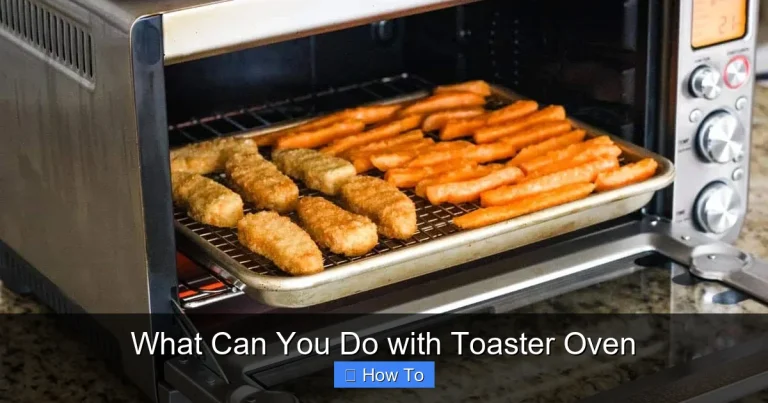
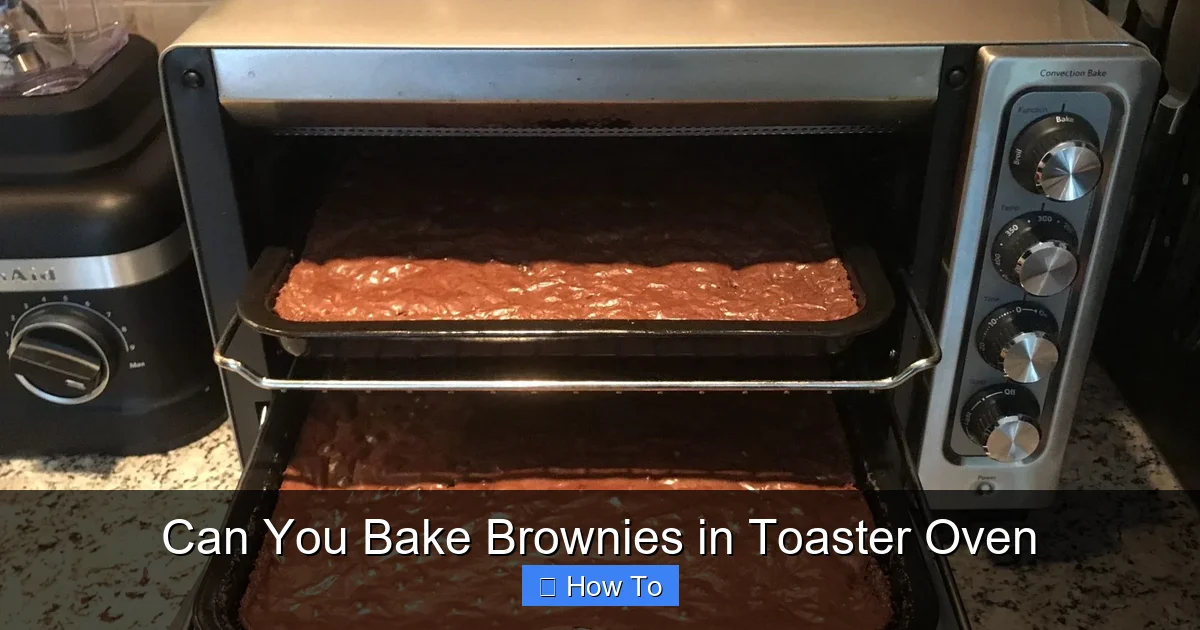
Can You Bake Brownies in Toaster Oven
With a toaster oven, you can bake perfect brownies using minimal space and energy. Follow simple steps—preheat correctly, choose the right recipe pan, and monitor baking time closely. This guide covers everything from equipment preparation to troubleshooting common issues so your next batch of brownies turns out amazing every time.
Many people assume that baking brownies requires a massive, full-size oven with ample space to circulate hot air evenly. While traditional ovens are built for volume, modern toaster ovens have transformed into multi-functional kitchen powerhouses. These compact appliances combine features of toasters, ovens, and convection cookers, making them ideal for everyday baking adventures. If you’ve been looking for a convenient way to whip up a batch of fudgy brownies without heating up your entire kitchen, you’ve come to the right place. A toaster oven delivers remarkable results in a fraction of the time, often finishing in half the traditional baking duration. The secret lies in understanding how to adjust your technique—these units cook much faster due to concentrated heat and smaller cavity sizes. By mastering the basics, you can enjoy bakery-quality treats with minimal effort and zero wait time.
Yet there are valid concerns about whether a tiny appliance can handle the delicate chemistry of brownies. The answer is definitely yes. With the right preparation and attention to temperature, a toaster oven produces thick, rich, and perfectly baked brownies that rival those from commercial ovens. The compact design actually concentrates heat, which can help achieve a dense center while still setting the edges. This makes it an excellent choice for beginners or anyone looking to streamline their baking routine. Whether you own a dedicated countertop model or use a standard oven with toaster functionality, you can experiment confidently knowing that success is within reach. The convenience factor alone makes toaster oven baking worth trying—plus, leftover brownies freeze beautifully for future cravings.
Before diving into the baking process itself, it’s essential to acquaint yourself with the specific characteristics of your toaster oven. These machines are engineered differently from conventional ovens, which significantly impacts how foods cook inside. One of the primary differences is the heating element arrangement, typically located beneath the rack where bread gets crispy. This setup allows for rapid heat distribution but also means temperature gradients can develop quickly during baking. Additionally, most toaster ovens operate on variable power modes rather than having fixed dial settings, offering more precise temperature control options.
Most models feature two distinct cooking functions: toast and bake. The toast function uses higher wattage and shorter cycles specifically designed to crisp bread, whereas the bake function provides moderate heat for slower, more even cooking like brownies. However, newer models offer thermal sensors that automatically adjust warming elements, resulting in consistent baking performance. Regardless of the technical specifications, the core principle remains the same across brands and price points: concentrate your heat, watch your timer closely, and trust the visual cues. Understanding your appliance’s behavior will empower you to adapt any recipe without guesswork.
Getting your toaster oven ready takes patience and precision. Unlike a conventional oven that may require 15-30 minutes to reach steady temperature, toaster ovens usually preheat rapidly—often within 10 minutes—but always verify the actual temperature once the display indicates readiness. Setting the wrong temperature is one of the most common pitfalls, leading to either underbaked brownies or a burnt exterior while the center remains raw. For brownies, stick to the sweet spot of 325°F to 350°F (163°C to 177°C), with 325°F being ideal for a classic chewy texture and 350°F producing a denser, fudgier result.
If your toaster oven has a thermostat with multiple levels, begin with the medium-high setting, then monitor closely. Some models include an internal thermometer that displays real-time temperature readings, allowing you to fine-tune the heat during the first few minutes of baking. It’s wise to place a small pan of water inside the appliance while preheating; rising steam helps calibrate accuracy. Once you’re comfortable with your oven’s behavior, you’ll find that brownies bake beautifully on the first try. Remember to leave your door open slightly for airflow during the initial heating phase—it ensures even moisture distribution and prevents a dry crust.
Selecting the appropriate pan and recipe formulation makes a significant difference in your final brownie outcome. The surface area of the pan directly influences how heat transfers to the batter, affecting both flavor development and texture consistency. Dark non-stick aluminum pans absorb more heat and produce brownes with a deeper caramelized edge, while lighter colored or glass dishes yield a softer, more uniform finish. For maximum caramelization and an appealing golden-brown top, a dark matte black cast iron skillet works exceptionally well. Conversely, silicone molds or parchment-lined aluminum trays keep the bottom less crispy but produce tender interiors—perfect for those who prefer meltable centers.
When choosing a brownie recipe, look for versions that call for minimal fat and a generous amount of cocoa powder relative to flour. These formulations resist spreading excessively and maintain structural integrity despite the high heat of the toaster oven. Avoid overly wet recipes or those containing excessive sugar, as the confined baking environment can cause them to spread thinly and collapse. Simple, classic formulas with melted butter, dark chocolate chips, and vanilla extract tend to perform admirably, allowing you to focus on baking technique rather than complex ingredient balancing. Always line your chosen pan with parchment paper to prevent sticking—a small investment that pays dividends in clean, easy removal.
Once your oven is preheated and your pan is prepared, the actual baking process follows a straightforward sequence. First, prepare your mixing bowl by greasing it lightly with cooking spray or a thin layer of melted butter to prevent sticking. Cracking eggs and measuring dry and wet ingredients separately ensures accuracy, though the exact measurements depend entirely on the specific recipe you’re following. Whisk the eggs until frothy, then gradually incorporate dry ingredients like flour, cocoa powder, baking powder, and salt. Finally, fold in the wet components—cocoa-rich oil, melted butter, sugar, and vanilla—to create a smooth, lump-free batter.
Pour the batter into your prepared pan, spreading it evenly without overfilling since overflow can spill during baking. Position the pan in the center of the toaster oven, ensuring it has adequate clearance below the racks. Place a cooling rack on top to catch any potential drips, though most brownie recipes are contained enough to minimize mess. Set your timer according to the recipe guidelines—typically 20-25 minutes for standard batches—and resist the urge to peek too early. This is where many bakers go wrong; opening the door too frequently causes temperature fluctuations that disrupt the entire bake. After the approximate time elapses, insert a toothpick or cake tester into the center of several random spots. If it comes out with moist crumbs rather than clean fingers, the brownies are done. Remove them immediately and let them rest on the pan for five to ten minutes before attempting to slice.
While the default temperature works for most brownie recipes, subtle modifications can elevate your results. If your toaster oven tends to run hotter than indicated, reducing the temperature by 25 degrees Fahrenheit can compensate and prevent overbaking. Conversely, if the edges brown too quickly while the middle stays pale, bump the temperature up slightly. The key is monitoring progress rather than relying solely on timers. Visual cues are invaluable: brownies are done when they’ve achieved a deep mahogany hue on top and feel firm to the touch after a brief press. The edges should pull away slightly from the pan, indicating sufficient moisture retention. Avoid removing brownies prematurely because residual heat continues baking them afterward, potentially leading to a raw center later. When in doubt, remove them a minute early and assess—they’ll continue cooking as they cool.
For those preferring extra care, consider baking in two portions if your appliance struggles with larger batches. This prevents uneven cooking and ensures each piece achieves the intended texture. Additionally, rotating the pan halfway through baking redistributes heat more evenly, especially in older models with less uniform heating elements. No rotation isn’t a mistake; simply letting the brownies sit undisturbed creates localized hotspots that can burn certain areas while leaving others underdone. Patience during the final stages yields the best outcomes.
Even seasoned toaster oven users encounter occasional hiccups. Underbaked brownies often result from insufficient baking time or a recipe formulated for conventional ovens. To diagnose, examine the batter’s appearance—underbaked brownies appear undercooked, pale, and lack the characteristic hard shell on top. Salvage attempt involves briefly reheating in a conventional oven at 375°F for 8-10 minutes, though texture won’t match perfectly. Overbaked brownies present a different challenge: they turn tough, dry, and crack at the edges. The solution is simple—cool them longer on a wire rack and slice more carefully to avoid breaking the fragile layers. Another frequent issue is curling edges, which happen when the oven temperature fluctuates or the pan isn’t level. Ensure your brownies are fully cooled on a flat surface before addressing this problem, as a hot base promotes lifting.
A particularly frustrating scenario occurs when the top looks perfectly baked but the interior remains gummy. This happens often with dark chocolate brownies that contain high fat content. The remedy is extended resting time—allow the brownies to cool completely, then transfer to the refrigerator for 30-45 minutes. Cold temperatures slow internal carryover cooking, giving the center the needed firmness. If you accidentally mix the batter and notice lumps forming near the edges, gently stir them back in with a spatula before continuing. No brownie deserves to end up rubbery or crumbly; a bit of extra vigilance goes a long way toward perfect results.
Baking brownies in a toaster oven is not only possible but remarkably accessible to home cooks of all skill levels. By preparing your appliance properly, selecting the right pan, and respecting the unique temperature dynamics of compact baking environments, you can consistently produce delicious, professional-grade treats. The flexibility these devices offer extends beyond brownies—think cookies, cakes, and even pizza—as demonstrated by countless culinary experiments in the kitchen community. Remember that brownies thrive on a balance of ingredients and careful timing, and your toaster oven responds well to thoughtful adjustments. So grab your favorite recipe, gather your tools, and embrace the joy of baking in your next toaster oven session. The reward is a warm, melty center surrounded by a satisfying crust, ready to impress friends and family alike. Happy baking!
Key Takeaways
- Preheating matters: Ensure your toaster oven reaches the correct temperature before adding ingredients to get even baking throughout.
- Pan selection is crucial: Use a light-colored or dark metal pan based on your preferred brownie texture and color shade.
- Temperature control: Most recipes work best between 325°F and 350°F in a toaster oven, adjusting up or down as needed.
- Avoid overbaking: Test cookies early; brownies benefit from a slightly soft center that sets as they cool.
- Serving tip: Cool completely before slicing to allow the interior to set properly and prevent crumbling.
Frequently Asked Questions
Question?
Is my toaster oven safe for baking brownies? Yes, most modern toaster ovens are designed to handle baking tasks safely. Just ensure your recipe doesn’t involve direct contact with metal surfaces that might warp, and always follow the manufacturer’s temperature guidelines. If you have concerns, check that your appliance has a reliable thermometer sensor for accurate heat control.
Question?
What temperature should I set my toaster oven to for brownies? The ideal range is between 325°F and 350°F (163°C to 177°C). For a chewy, fudgy brownie with a soft center, lean toward 325°F. If you prefer a denser, more cake-like texture, 350°F works well.
Question?
How do I know if my brownies are done? Insert a toothpick or cake tester into the center of a few brownies. They should come out with moist crumbs, not clean dough. The edges should also be pulled slightly from the pan, indicating proper baking.
Question?
Should I open the toaster oven door while baking? Yes, but sparingly and strategically. Opening the door too often lets heat escape, causing inconsistent baking. For initial preheating, a quick peek is fine, but thereafter keep the door closed except when checking the timer.
Question?
Can I substitute regular foil for lining my brownie pan? While not recommended, using lightweight parchment paper or a silicone mat instead of heavy foil can work. Foil can conduct more heat and may make the bottom of the brownies excessively crispy or burn easily.
Question?
Do brownies freeze well in a toaster oven? Absolutely. Leftover brownies retain their quality for up to a month when stored in an airtight container in the freezer. Thaw them overnight in the refrigerator before serving to restore maximum freshness.