Can U Put Aluminum Foil in Toaster Oven
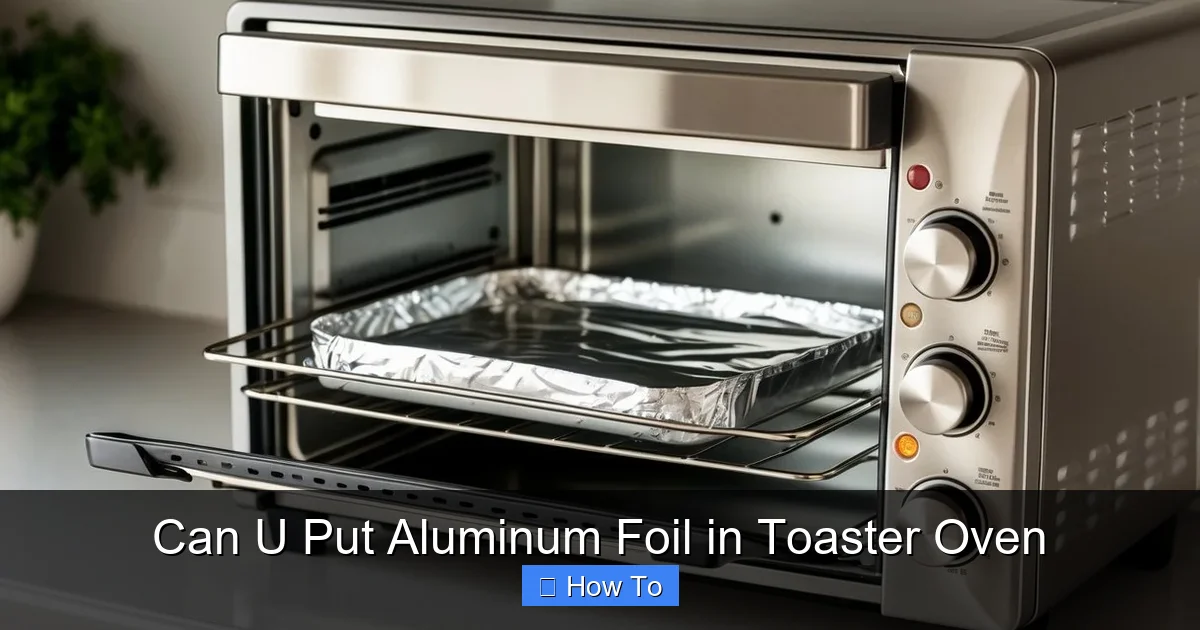
Putting aluminum foil in a toaster oven can be safe if done correctly, but improper use can damage your appliance or cause safety hazards. This article explores the risks, proper techniques, and smart alternatives to help you decide when—and when not—to use foil.
Can u put aluminum foil in toaster oven without causing a kitchen catastrophe? It’s a question that pops up more often than you might think, especially when you’re rushing to reheat leftovers or bake a quick snack. The short answer is: yes, you can, but only if you follow some important safety guidelines. In this article, we’ll dive deep into the do’s and don’ts, explore the science behind toaster oven heat distribution, and show you exactly when foil is your friend and when it’s better to reach for a different tool. By the end, you’ll feel confident deciding whether to slide that shiny sheet into your appliance or keep it far away from the heating elements.
Toaster ovens are wonderful compact appliances, but they operate quite differently from the full-size ovens most of us are used to. Their small interior, proximity of heating elements to the food, and often limited airflow mean that what works in a standard oven might not work—or even be dangerous—in a toaster oven. Understanding these differences is the first step to using aluminum foil safely and effectively.
Key Takeaways
- Point 1: Never line the bottom of your toaster oven with foil, as it can block heat flow and cause overheating.
- Point 2: Small, loose pieces of foil are more dangerous than neatly wrapped or shaped pieces.
- Point 3: Always keep foil at least a few inches away from the heating elements to prevent melting.
- Point 4: Use foil only for wrapping small foods or lining the crumb tray, if your model allows it.
- Point 5: Consider silicone mats or parchment paper designed for toaster ovens as safer non-stick alternatives.
- Point 6: If you notice foil melting or discoloring, stop using it immediately and clean the appliance.
📑 Table of Contents
Understanding the Basics of Aluminum Foil in Toaster Ovens
Aluminum foil is a kitchen staple because it’s versatile, inexpensive, and great for reflecting heat. However, its conductivity and the way it interacts with intense, direct heat make it a potential hazard if mishandled. In a toaster oven, the heating elements are often just inches above or below your food, leaving little room for error. When foil is placed incorrectly, it can melt, warp, or even cause electrical issues. The key is knowing exactly where and how to place it.
How Toaster Ovens Work Differently from Full-Size Ovens
Full-size ovens have spacious interiors and elements that are typically farther from the food. This means foil can be used more liberally, such as lining the bottom rack to catch drips. Toaster ovens, by contrast, have a much smaller cavity. The close proximity of the top and bottom elements to the cooking surface means that any foil placed carelessly can quickly come into contact with direct heat. This contact is where problems start— melted foil can stick to elements, produce smoke, or in worst-case scenarios, trigger a short circuit.
The Physics of Heat Distribution
Heat in a toaster oven moves in concentrated bursts. When you put aluminum foil in the path of those bursts, the foil reflects the heat back into the oven, which can actually increase the temperature in certain spots unevenly. This hot-spotting can cause food to cook faster in some areas and slower in others, leading to uneven results. Additionally, if foil crinkles or folds, it can create tiny bridges that concentrate heat even more, increasing the risk of melting or sparking.
When It’s Okay to Use Foil (and When It Isn’t)
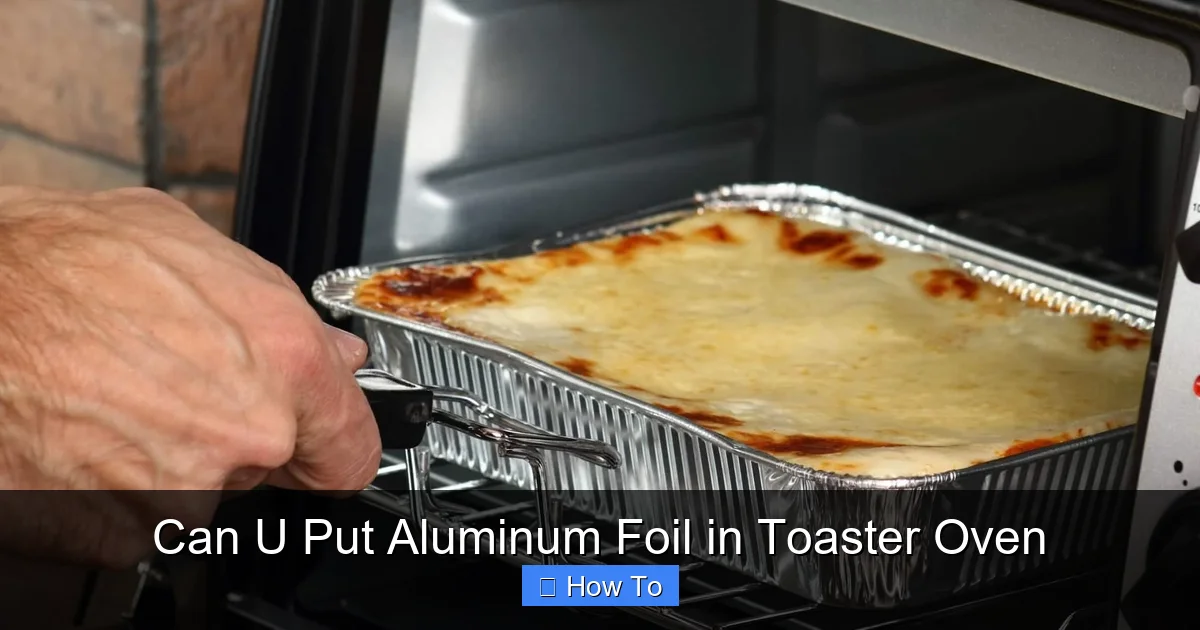
Many people wonder, can u put aluminum foil in toaster oven without risking damage? Not all foil use in a toaster oven is created equal. There are specific, safe ways to incorporate it, and equally specific scenarios where you should absolutely avoid it. The golden rule: keep foil away from the heating elements at all costs. If you can’t see the elements when the oven is closed, you’re generally in safer territory, but always double-check your manufacturer’s guidelines.
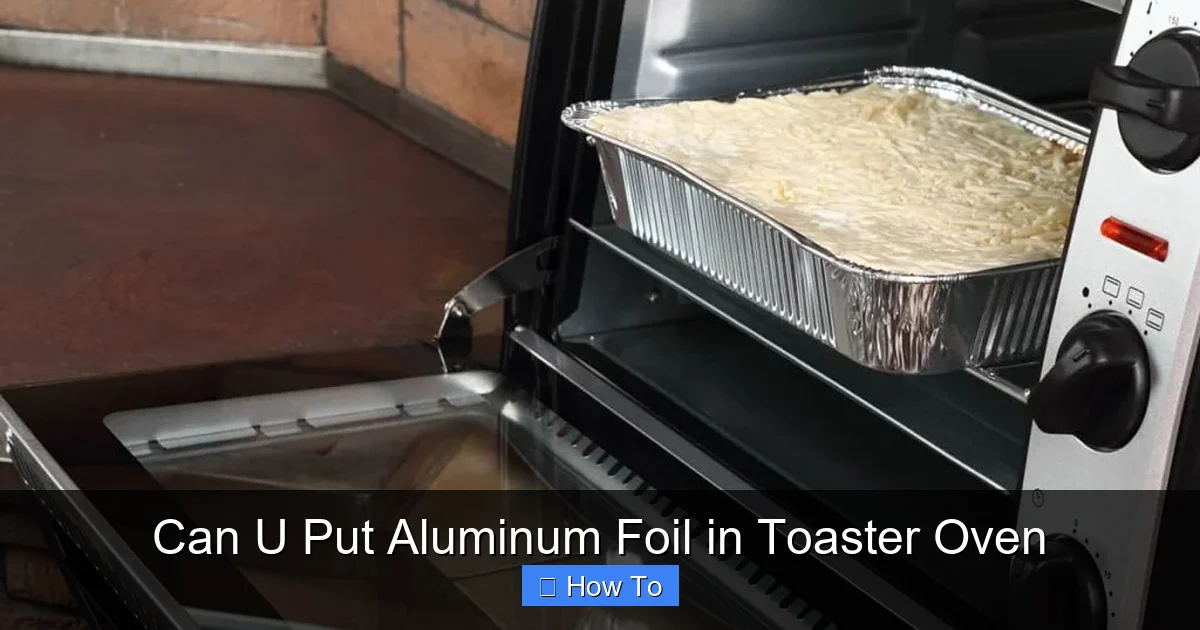
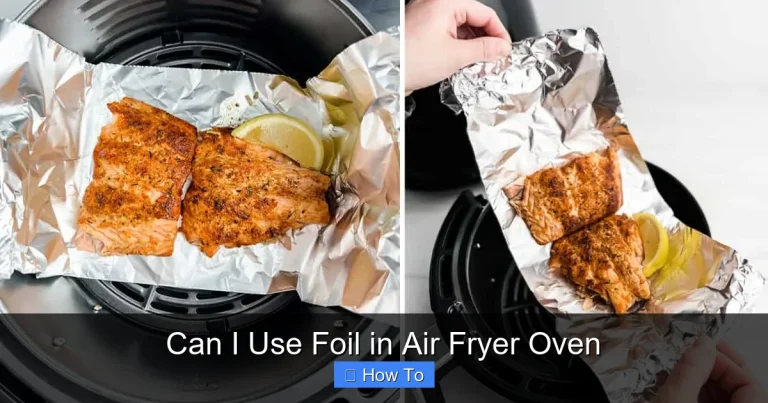
Visual guide about Can U Put Aluminum Foil in Toaster Oven
Image source: howdykitchen.com
Wrapping Foods for Moisture Retention
One of the most common and safest uses of foil in a toaster oven is wrapping small items like baked potatoes, fish fillets, or mini meatloaves. When you wrap food snugly in foil, you create a sealed packet that traps steam and keeps the interior moist. This method is especially handy for reheating leftovers without drying them out. Just make sure the foil is wrapped tightly around the food, with no loose flaps hanging into the oven cavity, and that the packet isn’t placed directly against or near the top or bottom heating elements.
Lining the Crumb Tray Safely
Many toaster ovens come with a removable crumb tray at the bottom, designed to catch drips and food particles. Some users like to line this tray with aluminum foil for easier cleanup. If your toaster oven’s manual explicitly allows it, you can cut a piece of foil to fit the tray snugly, leaving no overhang that could creep up into the oven interior. However, if the manual warns against it, don’t risk it. The tray is usually designed to be removed and washed separately, which is the safest route anyway. If you’re also curious about other heat-safe materials used in toaster ovens, you might want to read our article on is pyrex safe in toaster oven.
Common Mistakes That Lead to Trouble
Even well-meaning home cooks can make errors when it comes to foil and toaster ovens. Being aware of these common pitfalls can save you from a smoky, stressful cleanup—or worse, a damaged appliance.
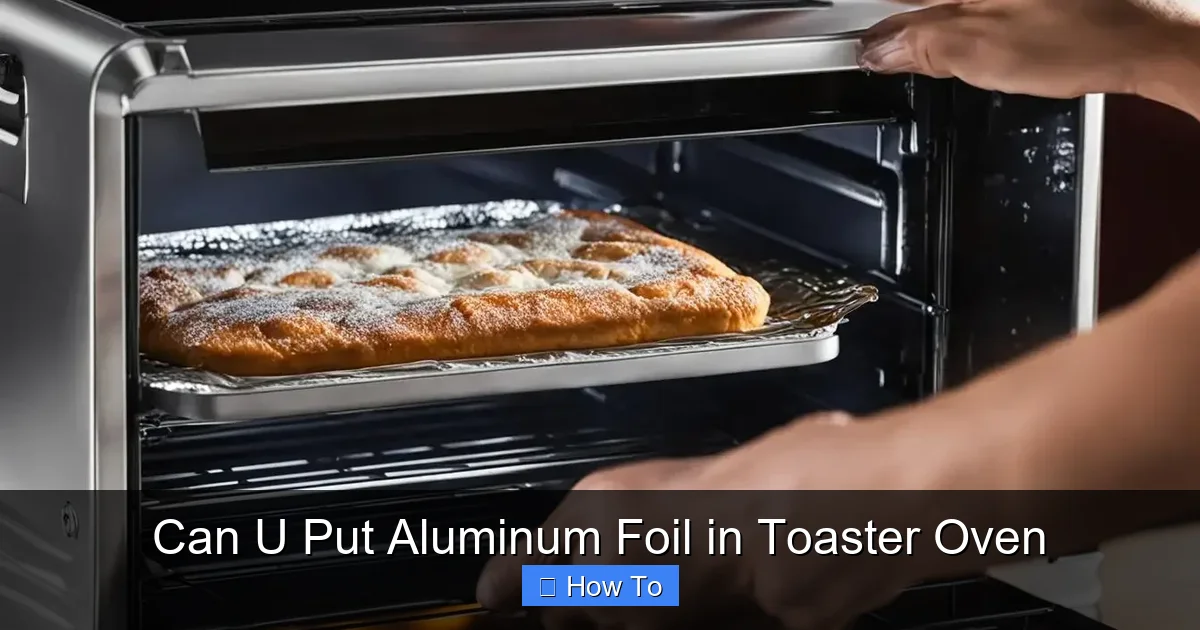
Visual guide about Can U Put Aluminum Foil in Toaster Oven
Image source: airfryeraid.com
Full-Sheet Foil Mistakes
A frequent error is trying to line the entire bottom of the toaster oven with a large sheet of foil, thinking it will catch all the mess. This is perhaps the most dangerous practice you can adopt. A full-size sheet can block airflow entirely, causing the oven to overheat. In extreme cases, the foil can melt onto the heating elements, creating a difficult-to-remove residue and potentially damaging the oven’s internal wiring. Always use small, purpose-specific pieces instead.
Foolish Foil Placement Near Elements
Another common mistake is draping foil over or under food in a way that brings it into direct contact with the heating elements. Because toaster ovens have such compact interiors, it’s easy for a foil edge to sag or shift during cooking, exposing it to intense heat. Once foil starts to melt, it can release unpleasant fumes, stick to the elements, and even create a fire hazard. If you notice the foil changing shape or color, stop the oven immediately and carefully remove it once it’s cool.
Smart Alternatives for Easy Cleanup
If the risks of using foil feel too high, or if you simply want more peace of mind, there are several excellent alternatives designed specifically for toaster ovens. These options can give you similar benefits— easy cleanup, non-stick surfaces— without the heat-related worries.
Visual guide about Can U Put Aluminum Foil in Toaster Oven
Image source: dwellhack.com
Silicone Baking Mats
Silicone mats are a fantastic foil alternative. They’re heat-resistant, reusable, and fit many toaster oven sizes perfectly. Unlike foil, silicone doesn’t melt at typical toaster oven temperatures, and it provides a consistent, non-stick surface that makes releasing food a breeze. Plus, you can wash and reuse them hundreds of times, making them an eco-friendly choice. Look for mats labeled as safe for toaster ovens, and always check that they don’t cover the entire bottom if your model has a exposed heating element underneath.
Perforated Parchment Paper
Parchment paper made for toaster ovens is another smart pick. Some brands offer pre-cut, perforated sheets that allow airflow while still providing a non-stick surface. The perforations (tiny holes) let heat circulate properly, reducing the risk of hot spots and uneven cooking. This is ideal for baking cookies, roasting vegetables, or reheating slices of pizza. Just make sure the parchment paper is slightly smaller than your crumb tray or cooking surface, and never use standard parchment not designed for high-heat toaster oven use.
What to Do If Foil Melts
Accidents happen, and if you discover that foil has melted inside your toaster oven, here’s how to handle it safely. First, turn off and unplug the appliance. Allow it to cool completely— attempting to clean hot foil can lead to burns or further damage. Once cool, gently scrape away the melted residue with a wooden or plastic spatula, avoiding metal tools that could scratch the heating elements. For stubborn bits, a damp cloth with a little mild soap can help, but avoid harsh abrasive scrubbers that might damage the interior coating. If the melting was extensive or you smell lingering burnt odors, it may be worth contacting the manufacturer or a professional technician to ensure the oven is still safe to use.
Now that you’re equipped with the knowledge of when and how to use aluminum foil in your toaster oven, you can make safer, more confident choices in the kitchen. Remember, the compact nature of toaster ovens demands a bit more caution than their larger counterparts, but with these guidelines, foil can be a helpful tool rather than a hazard. If you’re curious about the many versatile ways a toaster oven can be used in your daily cooking routine, check out what can i use a toaster oven for.
And if you’re looking for specific recipe ideas to make the most of your appliance, what can a toaster oven cook can spark some great inspiration.
Strong Conclusion
In summary, aluminum foil can be used in a toaster oven safely as long as you keep it away from the heating elements, use small pieces, and always consult your appliance’s manual. The key is to weigh the convenience of easy cleanup against the potential risks of blocked airflow and melted residue. By following the tips and alternatives outlined in this guide, you can enjoy the benefits of foil without compromising your toaster oven’s performance or your safety. Next time you’re tempted to line the bottom with a big sheet of foil, remember the simple rules: keep it small, keep it away from heat, and when in doubt, reach for a silicone mat or parchment paper instead. Happy cooking!
Frequently Asked Questions
Can u put aluminum foil in toaster oven if I fold it into a small shape?
Yes, folding foil into a small, neat shape can make it safer, as long as the foil stays well away from the heating elements. Small, compact pieces are less likely to sag or shift during cooking, reducing the risk of melting. However, always double-check that no part of the foil is positioned directly under or above the elements, and keep a close eye on the oven during the first few uses with foil to ensure everything stays put.
Will aluminum foil damage my toaster oven’s heating elements?
Foil can damage heating elements if it comes into direct contact with them, especially when it melts or drips. Melted foil can fuse to the element surfaces, altering their performance and potentially creating permanent damage. To prevent this, never use large sheets that could sag, and always position foil-wrapped foods on racks or trays that keep the foil clear of the elements.
Is it safe to use aluminum foil to catch drips in a toaster oven?
Using foil to catch drips can be safe, but only if you line the removable crumb tray and never the oven floor. Lining the floor with foil blocks airflow and can cause the oven to overheat, which may damage the heating elements or create a fire risk. Always refer to your toaster oven’s manual to see if this practice is recommended for your specific model.
Can I use heavy-duty aluminum foil instead of regular foil?
Heavy-duty foil is thicker and more resistant to tearing, which can be helpful for wrapping heavier foods, but it’s not immune to melting. The thickness doesn’t change the fundamental rule: keep foil away from heating elements regardless of weight. If you choose heavy-duty foil, use it the same way you would regular foil— small, neat packets and well clear of any hot surfaces.
What are the best alternatives to foil for keeping food moist in a toaster oven?
Silicone baking mats and perforated parchment paper designed for toaster ovens are your top alternatives. Both allow some steam to escape while preventing food from drying out, and neither carries the melting risk associated with foil. Additionally, covering food with a toaster oven-safe lid or another heat-safe dish can trap moisture safely without the hazards of aluminum.
Do all toaster ovens have the same safety rules for foil?
No, safety rules can vary significantly between models and brands. Some toaster ovens are designed with foil-friendly features, while others explicitly warn against any foil use. Always consult your appliance’s owner’s manual first, and when in doubt, err on the side of caution by using foil-free alternatives.