Is Pyrex Safe in Toaster Oven
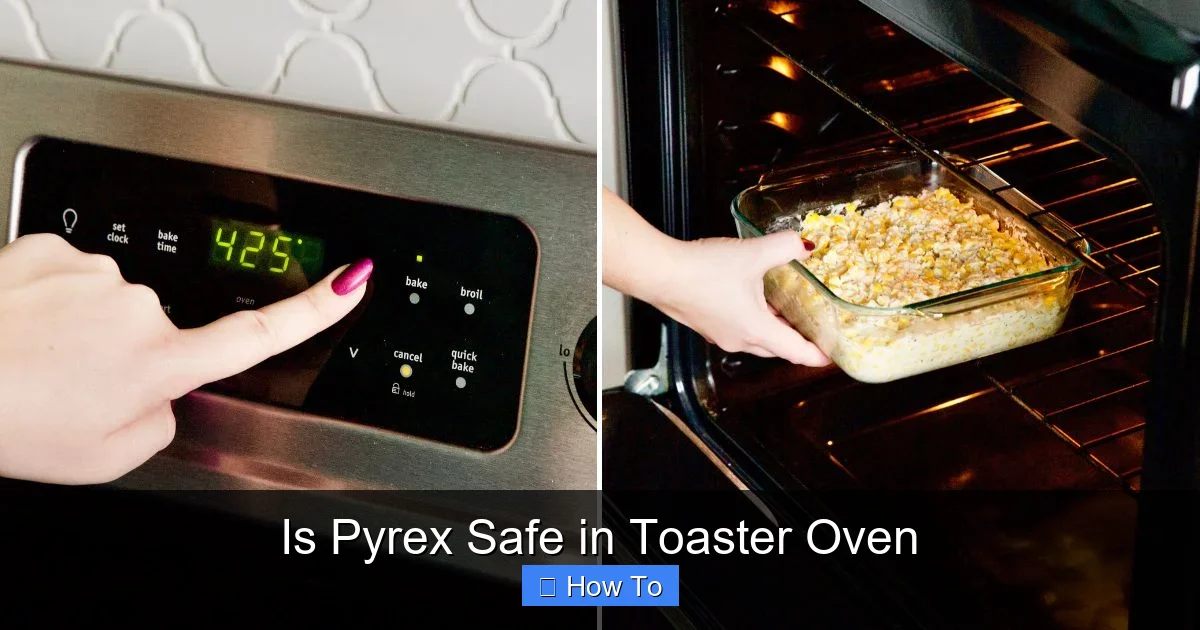
Is Pyrex safe in toaster oven use? The short answer is: it depends. While Pyrex glassware is designed for oven use, toaster ovens present unique risks due to rapid temperature changes and heating element proximity. Using Pyrex in a toaster oven is generally not recommended because the direct heat source can cause thermal shock, leading to breakage or shattering. For safe cooking, consider using toaster-oven-safe dishes or metal cookware specifically rated for this appliance.
Key Takeaways
- Thermal shock risk: Pyrex can crack or shatter when exposed to rapid temperature changes, which toaster ovens often create.
- Direct heat exposure: Unlike conventional ovens, toaster ovens have heating elements positioned close to the cookware surface.
- Check the label: Always verify that your Pyrex is marked as “oven-safe” before any oven use.
- Preheating matters: If you must use Pyrex, always place it in a cold oven and let it heat up gradually.
- Better alternatives exist: Metal baking sheets, ceramic dishes, and specially labeled toaster oven pans are safer choices.
- Size matters: Ensure adequate airflow around your cookware in the compact toaster oven space.
- When in doubt: Contact the manufacturer or choose alternative cookware designed specifically for toaster oven use.
📑 Table of Contents
Understanding Pyrex and Why People Love It
If you have spent any time in a kitchen, you probably own at least one piece of Pyrex. This iconic glass cookware has been a staple in American homes since the early 1900s. People love it because you can bake, store, and serve all in the same dish. The clear glass lets you watch your food cook without opening the door. It cleans up easily and does not hold onto odors like some other materials can.
Pyrex became famous for its durability and versatility. The borosilicate glass used in older Pyrex products could handle temperature swings pretty well. That made it perfect for moving dishes straight from the refrigerator to the oven. But here is the thing: that legendary durability applies mostly to conventional ovens, not toaster ovens.
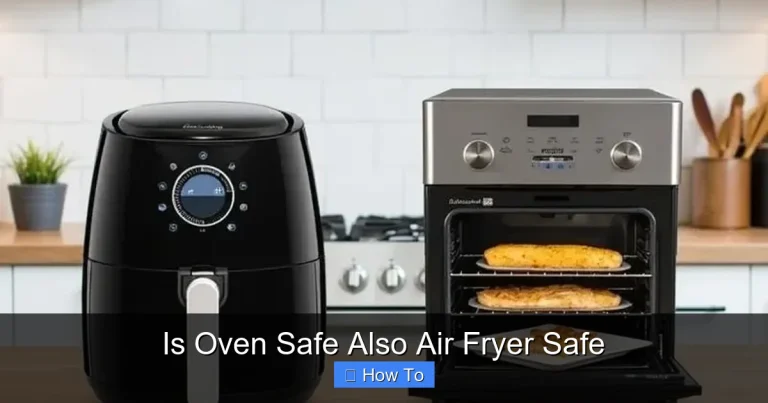
When you ask yourself “is Pyrex safe in toaster oven,” you need to understand how these two appliances differ. A conventional oven heats food slowly and evenly through air circulation. A toaster oven works much faster with heating elements positioned very close to your food. That direct heat application creates challenges that standard oven-safe glass was never designed to handle.
How Toaster Ovens Differ From Conventional Ovens
Toaster ovens might look like small ovens, but they work quite differently. In a regular oven, the heat source sits below and often above your food, but the air circulates freely. That circulation spreads heat evenly throughout the interior. Your Pyrex dish warms up gradually along with all the surrounding air.
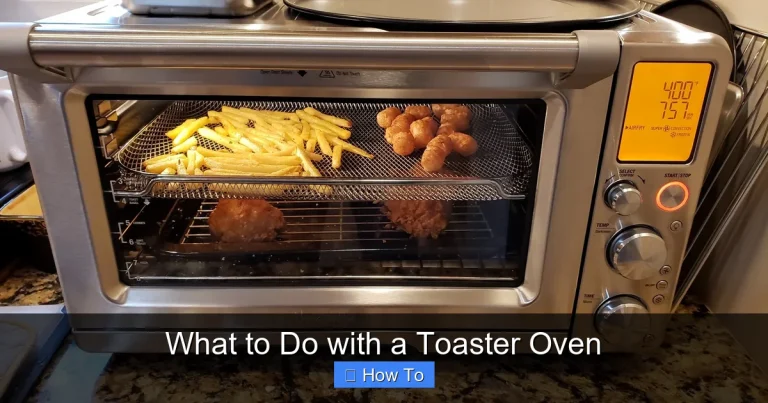
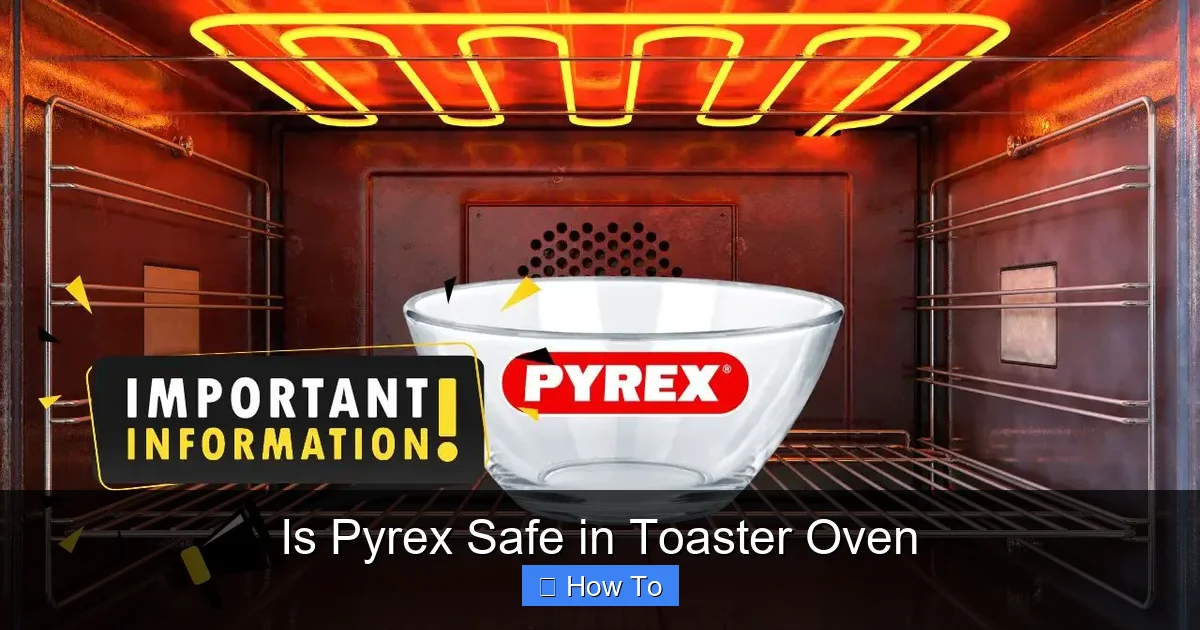
Toaster ovens pack everything into a much smaller space. The heating elements sit just inches from your cookware. When you turn one on, those elements glow red-hot almost instantly. That intense, direct heat hits the bottom of your dish first, creating uneven temperature distribution across the glass surface.
Most toaster ovens also lack the precise temperature controls found in full-size ovens. The temperature can spike higher than your setting, especially as the appliance ages. That inconsistency makes predicting how your Pyrex will behave nearly impossible.
If you are looking for guidance on safe toaster oven operation, our article on is a toaster safe to use covers general safety practices that apply to any cookware choice.
The Science Behind Thermal Shock in Glass Cookware
Visual guide about Is Pyrex Safe in Toaster Oven
Image source: foodhow.com
Thermal shock sounds like something from a science fiction movie, but it is a real phenomenon that affects glass every day. When one part of a glass object heats up faster than another part, the different expansion rates create stress within the material. That stress can crack or shatter even the strongest glass.
Your Pyrex dish is particularly vulnerable in a toaster oven because of how heat reaches it. The bottom of your dish sits directly above the heating element in most toaster oven designs. That means the bottom heats up much faster than the sides or rim. In a conventional oven, all sides heat more evenly because hot air surrounds the dish from every direction.
Rapid temperature changes make thermal shock worse. Imagine taking a room-temperature Pyrex dish and placing it directly into a preheated toaster oven. The sudden jump from cool to hot creates maximum stress across the glass surface. The same danger exists in reverse: placing hot Pyrex on a cold countertop or into cold water.
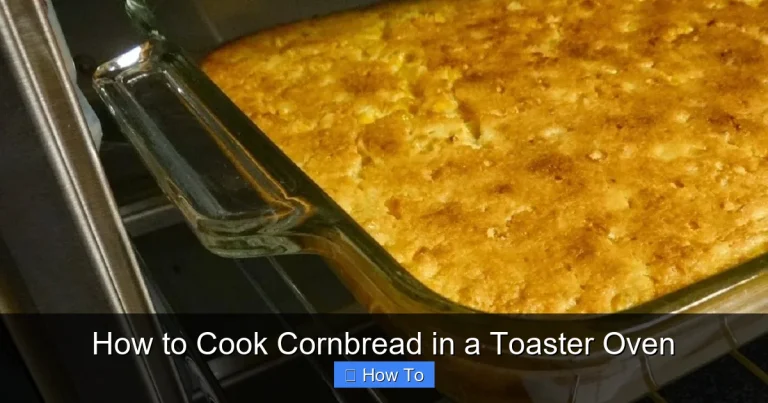
Even though modern Pyrex uses tempered soda-lime glass instead of the original borosilicate formula, it still cannot handle the extreme temperature gradients that toaster ovens create. The label “oven-safe” means tested and approved for conventional oven use. It does not account for the harsher conditions inside a toaster oven.
Real Stories of Pyrex Breakage in Toaster Ovens
You do not have to search hard to find horror stories about Pyrex breaking in toaster ovens. Home cooks across the internet share tales of dishes shattering mid-cooking, scattering glass shrapnel and ruining their food. While not every piece of Pyrex will break in a toaster oven, the risk is simply too high for many people.
One common scenario involves reheating leftovers. You remember that Pyrex dish of leftover casserole from yesterday. Instead of using the regular oven, you pop it in the toaster oven to save time. Twenty minutes later, you have a mess of broken glass and ruined food. The money you saved on electricity just got spent on cleanup and replacement cookware.
Another frequent situation involves cooking frozen foods directly in Pyrex within a toaster oven. The combination of starting cold and facing direct heat creates perfect conditions for thermal stress. Manufacturers explicitly warn against this type of use, yet many people attempt it without realizing the danger.
When Pyrex Might Work in Your Toaster Oven
Visual guide about Is Pyrex Safe in Toaster Oven
Image source: bakingbakewaresets.com
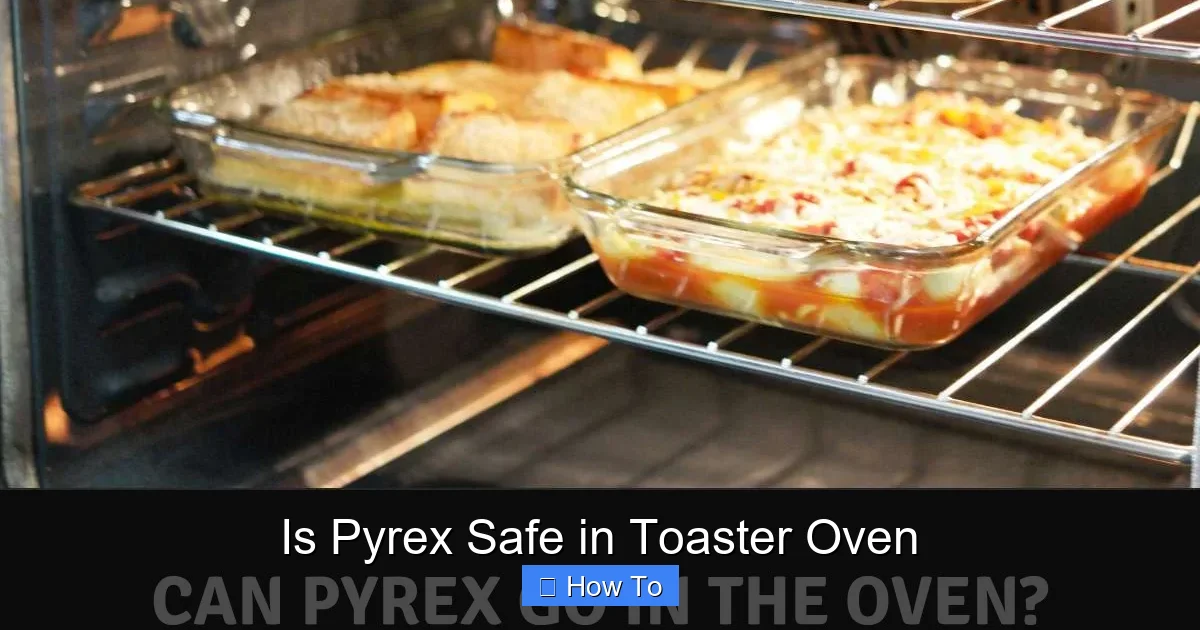
I want to be fair here. There are some circumstances where Pyrex might survive toaster oven use, though I still do not recommend it. Understanding these edge cases helps you make informed decisions about your cookware.
If your toaster oven has convection heating, the air circulation mimics conventional oven conditions more closely. The moving hot air helps distribute heat more evenly around your dish. That reduces the temperature gradient that causes thermal shock. Still, convection toaster ovens have heating elements closer to food than full-size ovens do.
Very small Pyrex pieces might fare better because they have less surface area for temperature differences to develop. A tiny ramekin heats more uniformly than a large casserole dish. But even small dishes can crack if the toaster oven runs hot or if you make mistakes in preparation.
The biggest factor is following proper cold-start procedures. If you absolutely must use Pyrex in a toaster oven, always place the dish inside before turning the appliance on. Let the whole unit warm up together. Never preheat with the Pyrex already inside, and never add a cold dish to a hot toaster oven.
For specific recipes that work well in toaster ovens, our guide on how to roast potatoes in toaster oven offers safe cooking techniques and appropriate cookware recommendations.
Signs Your Pyrex Is Under Stress
Before catastrophic failure, your Pyrex often shows warning signs. Learning to recognize these can prevent injury and mess.
Watch for popping or pinging sounds during heating. These noises indicate areas of stress within the glass. A faint crack might be forming, which could grow with continued heating.
Look for any visible changes in the glass surface. Scrutinize your dish before each use for scratches, chips, or cloudiness. These imperfections weaken the glass structure and create failure points.
Notice any wobbling or instability in your dish. If the bottom seems uneven or the rim appears warped, the stress on that glass during heating could cause problems.
If you see or hear anything concerning, stop the cooking process immediately. Let the dish cool completely before handling. Examine it carefully before deciding whether to continue using it.
Safer Alternatives to Pyrex for Toaster Oven Cooking
The good news is that many excellent alternatives to Pyrex work beautifully in toaster ovens. These options give you similar functionality without the breakage risk.
Metal baking sheets and pans are the gold standard for toaster oven use. Aluminum and steel conduct heat evenly and handle rapid temperature changes without complaint. They cool down faster than glass, which means less waiting time before eating. Look for heavy-gauge metal that will not warp with repeated use.
Ceramic dishes made specifically for toaster oven use offer another safe option. These are designed from the ground up to handle toaster oven conditions. They often feature thicker walls and better heat distribution than standard ceramic bakeware. Check packaging carefully for toaster oven compatibility.
Silicone bakeware has become popular precisely because it handles temperature extremes so well. It flexes instead of cracking and never causes thermal shock. Just make sure your silicone is rated for the temperatures your cooking requires.
Stoneware designed for toaster ovens works similarly to Pyrex in function but with much better heat tolerance. These products are engineered for the unique demands of small-appliance cooking.
If you need to replace your Pyrex, our review of best small broiler pan for toaster oven highlights quality options that will keep you safe.
Making the Switch: Tips for Transitioning Away From Pyrex
Moving away from Pyrex does not mean sacrificing your favorite recipes. With minor adjustments, you can adapt almost any Pyrex recipe to safer toaster oven cookware.
Adjust cooking times when switching materials. Metal and stone conduct heat differently than glass, so your food might cook faster or slower. Start checking a few minutes early until you learn your new cookware’s quirks.
Watch your portions. Toaster oven cookware tends to be smaller than standard Pyrex dishes. You might need to cook in batches or divide recipes between multiple pieces.
Consider investing in a small set of toaster oven accessories. A quality baking sheet, a small casserole dish, and a few ramekins will cover most of what you used to do with Pyrex. Look for products specifically designed and marketed for toaster oven use.
Best Practices for Safe Toaster Oven Cooking
Whether you use Pyrex or alternative materials, certain practices keep you safe when cooking in a toaster oven.
Always read your toaster oven manual for manufacturer recommendations about safe cookware. Some units specifically prohibit glass dishes due to the heating element placement. Following those guidelines protects you and may also keep your warranty valid.
Give your cookware space. Toaster ovens have limited airflow compared to full-size ovens. Crowding your dishes too close to heating elements creates hot spots that damage glass and create uneven cooking. Leave at least an inch of space around all sides of your cookware.
Use the lowest effective temperature for your recipe. Higher temperatures increase stress on all materials, not just glass. If your recipe says 375 degrees but you can achieve similar results at 350 degrees, go with the lower setting.
Keep your toaster oven clean. Built-up grease and food debris can create hot spots that affect how heat distributes throughout the interior. A clean toaster oven cooks more evenly and safely.
For more comprehensive toaster oven guidance, our article on how to heat up tamales in toaster oven demonstrates safe reheating practices you can apply to many different foods.
Emergency Response: What to Do If Pyrex Breaks
Despite all precautions, accidents can happen. Knowing how to respond safely if your Pyrex shatters matters.
First, turn off and unplug your toaster oven immediately. Do not touch any pieces of glass until the appliance has cooled completely. Hot glass is dangerous, and you might accidentally brush against a heating element.
Allow everything to cool for at least an hour before attempting cleanup. Glass shards can be invisible against countertops, so work slowly and carefully.
Use a damp paper towel or cloth to pick up small fragments. Never use your bare hands, even if you think all the pieces are cool. A thick pair of rubber gloves provides better protection.
Sweep the area thoroughly, then use a flashlight to check for tiny fragments you might have missed. Lingering glass shards pose a cutting hazard long after the initial break.
Check your toaster oven interior for any remaining glass. Use tongs or pliers wrapped in cloth to remove pieces from heating elements or corners. Any glass remaining inside could shatter again during future use.
Conclusion: Prioritizing Safety Over Convenience
So, is Pyrex safe in toaster oven cooking? The evidence points clearly toward no. The unique heating characteristics of toaster ovens create risks that Pyrex was never designed to handle. Thermal shock, direct heat exposure, and temperature inconsistency make glass breakage a real possibility whenever you combine these two.
That said, you do not have to give up on cooking your favorite meals in your toaster oven. Simply choose cookware designed for the task. Metal, ceramic, and silicone alternatives offer safety and excellent cooking results. Yes, it might mean an extra dish to wash or a small investment in new equipment. But that minor inconvenience far outweighs the cost of broken glass, ruined food, and potential injury.
Your kitchen should be a place of creativity and enjoyment, not unnecessary risk. When you have questions about safe cooking practices, take time to research before you experiment. A few minutes of preparation prevents hours of后悔. Cook smart, stay safe, and enjoy every meal you make.
Frequently Asked Questions
Can I use Pyrex in a toaster oven at low temperatures?
Even at low temperatures, using Pyrex in a toaster oven carries risk. The direct heat from heating elements can create uneven temperatures across the glass surface, potentially causing thermal stress and breakage regardless of the target temperature setting.
What temperature does Pyrex become unsafe in toaster ovens?
Pyrex can become unsafe at any temperature above room temperature in a toaster oven due to the heating method. The issue is not the absolute temperature but the rapid, uneven heating that toaster ovens create. All temperature ranges present some level of risk.
How can I tell if my Pyrex is oven-safe?
Check the bottom or side of your Pyrex dish for an “oven-safe” marking. However, remember that oven-safe ratings typically refer to conventional ovens, not toaster ovens. When in doubt, contact the manufacturer or play it safe by using alternative cookware.
Will letting Pyrex come to room temperature first help?
Bringing Pyrex to room temperature before cooking helps somewhat, but the main danger comes from the uneven heat distribution in toaster ovens, not the starting temperature. Gradual heating from a cold start is the safest approach if you must use Pyrex.
What should I use instead of Pyrex in my toaster oven?
Metal baking sheets, toaster-oven-safe ceramic dishes, silicone bakeware, and stoneware designed for small appliances all work well. These materials handle direct heat and temperature changes without the risk of shattering that glass faces.
Does convection toaster oven make Pyrex safer to use?
Convection toaster ovens improve heat circulation compared to standard models, making them somewhat safer for glass use. However, heating elements are still closer to dishes than in conventional ovens, so the risk remains higher than using cookware specifically designed for toaster oven applications.