Is Deane and White Cookware Oven Safe
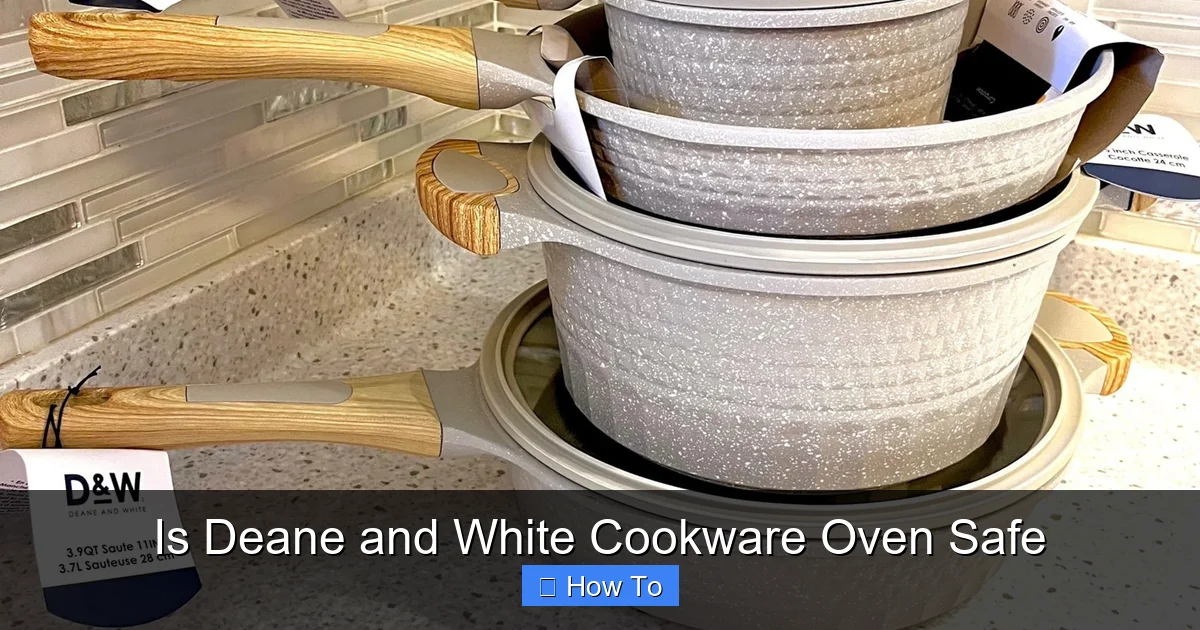
Deane and White cookware is generally oven safe, but it depends on the specific material, construction, and manufacturer guidelines. Always check the bottom of each piece for oven safe symbols and temperature limits before placing it in a hot oven.
When you invest in quality kitchenware, you want pieces that can handle heat. Many home cooks ask, “Is Deane and White cookware oven safe?” The answer is not always a simple yes or no. It depends on the specific line, the materials used, and the construction of each piece. Deane and White offers a range of cookware, from stainless steel sets to ceramic-coated pans. Each product has different oven safe capabilities that homeowners must understand.
Understanding oven safety helps you protect your investment and keep your kitchen safe. A pot that looks sturdy might have a handle that melts at high temperatures. A beautiful ceramic pan might crack under sudden heat changes. This guide breaks down everything you need to know about using Deane and White cookware in the oven. You will learn how to read symbols, check temperature limits, and avoid common mistakes that ruin good cookware.
Before you preheat your oven, take a moment to inspect your cookware. Not every piece in a set behaves the same way. Some pots go in the oven safely while their lids stay on the stovetop. Knowing the rules keeps your food cooking perfectly and prevents costly damage. Whether you are roasting vegetables or baking a casserole, understanding your cookware limits makes every meal better. Let us explore what makes Deane and White cookware oven safe and how to use it correctly in your kitchen.
Key Takeaways
- Check the bottom: Look for oven safe symbols and temperature ratings on each piece before use.
- Material matters: Stainless steel, cast iron, and some ceramics are typically oven safe, but non-stick coatings have limits.
- Watch the handles: Bakelite and stainless steel handles tolerate heat better than plastic or wooden ones.
- Avoid thermal shock: Never plunge hot cookware into cold water to prevent cracking or warping.
- Follow max temps: Most Deane and White pieces handle up to 350-500°F, but verify per item.
- Lids and grips count: Oven safe pots may have non-oven safe lids or knobs.
📑 Table of Contents
What Makes Deane and White Cookware Oven Safe
The oven safety of any cookware comes down to three main factors working together. Materials determine how much heat the core can handle without warping. Coatings decide whether the surface degrades under high temperatures or releases harmful fumes. Handles and lids often become the weak link in otherwise oven safe pots and pans. When you ask, “Is Deane and White cookware oven safe?” you are really asking about all three parts functioning safely at temperature.
Understanding the Materials Used
Deane and White uses several base materials in their cookware lines, and each behaves differently in the oven. Stainless steel is the most common material across their collections. It handles high heat well and resists warping under normal cooking conditions. Most stainless steel Deane and White pots tolerate temperatures up to 500 degrees Fahrenheit comfortably. This makes them versatile for roasting, baking, and even light broiling tasks.
Cast iron versions offer even higher heat tolerance, often beyond 500 degrees. These pieces work well for searing in the oven or finishing steaks under the broiler. The dense material holds heat evenly and recovers temperature quickly when you open the oven door. However, cast iron requires seasoning maintenance that stainless steel does not.
Aluminum cores heat quickly but may have lower safe limits depending on the finish. Hard-anodized aluminum often handles up to 450 degrees. Standard aluminum without coating degrades faster under high heat. The core material matters, but the exterior finish determines the actual oven safe limit more than the base metal alone.
Ceramic coated pieces need more attention from cooks. The ceramic layer provides a natural non-stick surface without PTFE chemicals. However, extreme heat can damage the coating over time and reduce its effectiveness. Most ceramic Deane and White cookware stays safe up to 450 degrees. Beyond that temperature, the coating may break down and release particles into food. Always check the specific line because formulations vary between collections and production years.
Non-stick coatings present the biggest caution for oven use. Traditional PTFE non-stick surfaces often max out around 350 to 400 degrees. Higher heat releases fumes that are unsafe for breathing and harmful to pets. If your Deane and White pan has a standard non-stick coating, treat it as low-temp oven safe only. Some newer ceramic non-stick versions handle slightly higher temperatures, but you must verify per product rather than assuming.
The Role of Coatings and Finishes
Coatings change everything about oven safety and performance. A bare stainless steel pot is straightforward and predictable. It goes in the oven unless the handle says otherwise. A coated pan needs closer inspection before every oven use. Deane and White uses various exterior finishes that affect heat tolerance and durability.
Some lines feature marble-style coatings that look elegant on the stovetop. These decorative finishes may have lower heat thresholds than plain stainless steel. The coating can peel if exposed to broiler temperatures or prolonged high heat. Other lines use polished metals that reflect heat evenly across the cooking surface. These tend to be more forgiving in the oven and easier to clean.
The key is matching the coating type to your cooking task. If you are roasting at 400 degrees, most Deane and White lines work well. If you are baking at 450 degrees, check for ceramic or polished metal finishes. Darker finishes absorb more heat and can get hotter than lighter ones under the same oven setting. If you place a dark Deane and White pan under a broiler, it may exceed safe temperatures quickly. Stick to moderate oven settings for colored or coated pieces. This preserves the finish and extends the life of your cookware significantly.
Exterior color also affects visibility. Dark pans show stains more easily after oven use. Light colors hide seasoning marks but may show water spots. Choose finishes that match your cooking style and cleaning preferences. The oven safe rating remains the same regardless of color, but the practical experience differs between matte and polished surfaces.
Oven Safe Temperature Guidelines
Temperature limits define whether your cookware survives oven use or fails prematurely. Every piece of Deane and White cookware carries a maximum safe temperature printed or etched on the bottom. Exceeding this limit risks warping the base, cracking ceramic coatings, or releasing harmful chemicals. Understanding these limits keeps your cooking safe and your pots in good condition for years of use.
Visual guide about Is Deane and White Cookware Oven Safe
Image source: recipesalive.com
Maximum Heat Limits by Material
Stainless steel Deane and White cookware generally handles up to 500 degrees Fahrenheit. This makes it versatile for roasting vegetables, baking casseroles, and finishing steaks in the oven. The material distributes heat evenly and resists warping when you follow proper preheating practices. Cast iron versions often tolerate even higher temperatures, sometimes up to 600 degrees. These pieces work well for searing in the oven or finishing dishes under the broiler.
Aluminum-based pieces usually max out around 400 to 450 degrees. The exact limit depends on the anodization process or protective coating applied. Ceramic coated aluminum often sits at 450 degrees as a safe maximum. Going beyond this temperature can degrade the ceramic layer over time. You might notice chipping, peeling, or discoloration after repeated high-heat use. When this happens, the cookware loses its non-stick performance and may expose underlying metal.
Non-stick Deane and White pans need the most caution regarding temperature. Most standard non-stick coatings handle 350 to 400 degrees safely. Some premium lines claim higher limits, but staying under 400 degrees is the safest practice for longevity. If you need to cook at 450 degrees or higher, choose stainless steel or cast iron instead. Your non-stick pans will last longer at moderate temperatures and remain safe for daily use.
Glass lids on Deane and White pots usually tolerate 350 to 400 degrees. Never place glass lids under the broiler or directly on a hot burner. The rim of the pot may be metal safe for higher heat while the glass lid has lower limits. Always check lid symbols separately from the pot markings. This prevents cracking glass and damaging the lid seal.
Recognizing Oven Safe Symbols
Every oven safe pot or pan carries a symbol on the bottom that tells you its limits. Look for an oven icon with temperature numbers nearby. A little oven drawing with dots or waves means the piece is oven safe. Numbers indicate the maximum temperature in Fahrenheit or Celsius depending on your region.
Some pieces show a symbol with a small lid icon inside the oven drawing. This means both the pot and lid are oven safe together. If you see a pot symbol without a lid icon, remove the lid before oven use. The lid may have a different heat tolerance or contain materials that cannot handle oven temperatures. Deane and White uses clear symbols, but you must look carefully at each piece individually.
Wavy lines under an oven icon often mean the piece is dishwasher safe too. Do not confuse these symbols with oven safety ratings. Dishwasher safe does not always mean oven safe. Always find the specific oven temperature marking before placing cookware in a hot oven. When in doubt, call Deane and White customer service with your model number. They can confirm oven safety for older or discontinued lines that may not have clear markings.
How to Verify Your Specific Cookware
Not all Deane and White cookware is identical across different collections and production years. Different lines use different materials and construction methods that affect oven safety. Verifying your specific piece prevents accidents and ensures optimal cooking performance. Take two minutes to check before every oven use, especially when trying a new recipe.
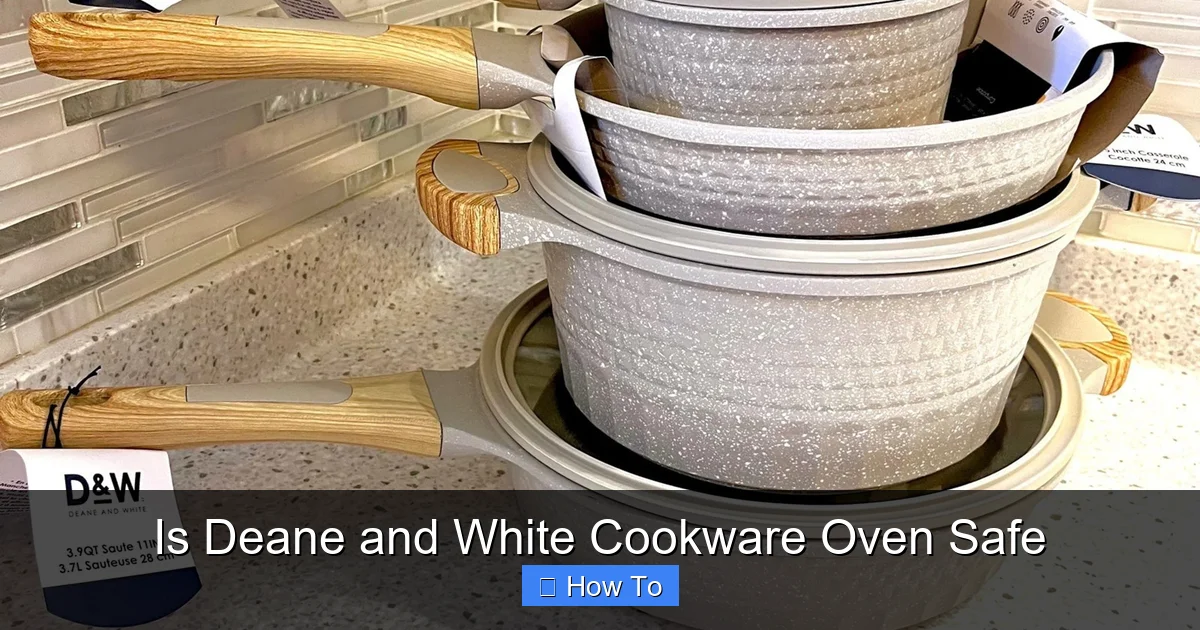
Visual guide about Is Deane and White Cookware Oven Safe
Image source: deaneandwhite.com
Checking the Bottom Markings
Flip each pot or pan over and examine the bottom thoroughly under good light. Look for laser-etched markings or stamped text that identifies the product. You should see the brand name, model number, and basic care instructions. Oven safe symbols appear here alongside temperature ratings that tell you the maximum limit.
If the markings are faint or hard to read, use a damp cloth to clean the bottom thoroughly. Sometimes food residue or oil buildup hides the symbols from view. A flashlight helps illuminate small text on dark-colored cookware. For older pieces that have seen years of service, markings may wear away completely. In this case, treat the cookware as not oven safe unless you have the original documentation or can verify through other means.
Take a photo of the bottom markings with your phone. This creates a quick reference for future use when you forget which pieces are oven safe. If you buy secondhand Deane and White cookware at a garage sale or resale shop, check the bottom first. Missing markings mean you cannot confirm oven safety. Play it safe and use these pieces on the stovetop only until you can verify their history. Better to be cautious than ruin a good pan or create a safety hazard in your kitchen.
Consulting the Manufacturer Manual
The original box or printed manual contains detailed oven safe information for your specific model. Look for the product name and model number on the packaging or bottom of the piece. Cross-reference this information with the markings to ensure you have the correct guide. The manual lists exact temperature limits, usage guidelines, and care instructions that apply to your cookware.
If you lost the manual, visit the Deane and White website or contact customer service. Most brands offer downloadable PDFs for their product lines. Enter your model number in the search bar on their website. You will find oven safe specifications, warranty details, and care tips specific to your purchase.
Customer service representatives can also help verify oven safety for older collections. Call or chat with the brand using your model number and serial if available. They confirm whether your specific piece is oven safe and at what temperature. This is especially important for older collections that may have changed materials or construction over time. Always verify rather than guess when using expensive cookware in the oven. The few minutes spent checking save you from costly damage or kitchen accidents.
Safe Oven Practices for Deane and White
Knowing your cookware is oven safe is only half the battle. How you use it matters equally for longevity and safety. Proper techniques prevent damage, ensure even cooking, and keep your kitchen accident-free. Follow these practices every time you transfer Deane and White cookware into a hot oven.
Preheating Do’s and Don’ts
Never place empty Deane and White cookware into a preheated oven. The sudden intense heat can warp the base or damage sensitive coatings. Always add food or liquid before oven use whenever possible. This distributes heat evenly across the cooking surface and protects the material from thermal stress.
If you are roasting vegetables, toss them with oil first before placing them in the pan. Place the coated cookware in the oven as it preheats, or add room-temperature food to a warm pan. Avoid sliding cold cookware onto a hot pan or griddle that has been preheating on the stove. The temperature shock between the cold oven-safe pot and the hot surface causes warping over time.
For baking tasks, room-temperature cookware works best and heats more evenly. Let refrigerated dough sit for ten minutes on the counter before placing it in an oven-safe Deane and White pan. This reduces thermal stress on the metal and prevents cracking in ceramic coatings. Gradual temperature changes extend the life of your cookware significantly and improve cooking results.
Avoiding Thermal Shock
Thermal shock happens when hot cookware meets cold surfaces or liquids suddenly. This causes cracking, warping, or coating separation that ruins the pan. Never run a hot Deane and White pot under cold water to cool it quickly. The rapid temperature change stresses the metal and any coatings bonded to the surface.
Place hot cookware on a wooden board or silicone mat after removing it from the oven. Direct contact with cold granite counters or metal sinks creates stress points that weaken the structure over time. Allow pots to cool for fifteen minutes before washing them. This simple habit prevents damage and keeps your cookware oven safe for many years of regular use.
If you need to deglaze a hot pan to make a sauce, add warm liquid slowly. Cold wine or stock splashed onto a hot surface causes instant thermal shock and potential warping. Let the pan cool slightly on a trivet, then add room-temperature liquid gradually. This protects the pan and makes cleaning easier too because the food releases without sticking.
Comparing Deane and White with Other Brands
Cookware safety standards vary across brands and price points. Understanding how Deane and White compares with competitors helps you make informed purchasing decisions. Other popular brands offer similar oven safe features with different limitations and construction methods. Let us look at how Deane and White stacks up against well-known alternatives in the market.
How Crofton Cookware Stacks Up
Crofton cookware shares some similarities with Deane and White lines in terms of materials and design. Both brands offer stainless steel and non-stick options for everyday cooking. However, Crofton pieces often have lower oven safe limits on coated items compared to Deane and White premium lines. Checking is Crofton cookware safe reveals that many Crofton non-stick pans max out at 350 degrees in the oven. Deane and White often tolerates slightly higher temperatures on comparable stainless steel and ceramic coated pieces.
The construction quality differs between brands in noticeable ways. Deane and White typically uses thicker bases that resist warping under high oven temperatures. Crofton cookware works well for everyday cooking and stovetop use but may not handle extreme oven temperatures as consistently. Always verify each piece individually, even within the same brand collection. Oven safe ratings change between product lines and manufacturing batches.
Henckels and Competitor Standards
Henckels represents a premium tier in cookware safety and construction standards. Their oven safe guidelines are rigorous and well-documented for consumers. Checking is Henckels cookware safe shows that many Henckels stainless steel pieces handle 500 degrees or more in the oven. Deane and White matches these limits on similar stainless steel lines while offering competitive pricing.
The difference often lies in handle construction and material choices. Henckels uses specialized oven safe handles that tolerate higher heat without melting or loosening. Deane and White offers comparable options in higher-end lines but may use different handle materials on budget collections. Plastic handles limit oven use to 350 degrees or less regardless of the pot material. Always inspect the handle material before assuming oven safety on any brand.
When comparing brands, focus on your actual cooking needs rather than brand reputation alone. If you roast frequently at high temperatures, choose stainless steel or cast iron from any trusted brand. If you bake at moderate temperatures around 350 to 400 degrees, ceramic coated options work well. The brand name matters less than the specific oven safe rating stamped on each piece. Read the bottom markings carefully and match them to your cooking tasks for best results.
Common Mistakes to Avoid
Even oven safe cookware fails when used incorrectly or without proper care. Home cooks make predictable errors that damage pots and create safety hazards in the kitchen. Avoid these common mistakes to keep your Deane and White cookware in excellent condition and performing well.
The Broiler Trap
The broiler reaches temperatures of 500 to 550 degrees at the top element. Many Deane and White pieces cannot handle this extreme direct heat safely. Placing oven safe cookware under the broiler risks melting handles, cracking ceramics, and ruining the pan. Only use broiler-safe pieces marked explicitly for this purpose with clear symbols on the bottom.
Even stainless steel pots may have limits under direct broiler heat exposure. The top of the pot exceeds the oven air temperature because the broiler element radiates directly downward. This concentrates heat on the upper walls and rim of the cookware. Check your manual for broiler-specific guidelines for each piece. When in doubt, keep Deane and White cookware in the main oven cavity away from the top heating element.
Some Deane and White lines advertise broiler safety explicitly. These use specialized handles and thicker materials designed for direct high heat. Do not assume your entire collection shares this feature just because one piece does. Verify each item separately before placing it under the broiler. One wrong move under intense broiler heat ruins a perfectly good pan and potentially creates smoke or fumes in your kitchen.
Dishwasher and Storage Errors
Dishwasher heat degrades oven safe coatings over time with repeated exposure. The high water temperature and harsh detergents attack non-stick surfaces and ceramic finishes. Hand wash your Deane and White cookware to preserve oven safety and cooking performance. This simple step extends the life of every piece in your collection and maintains the manufacturer’s warranty.
Stacking hot cookware causes scratches and warping that weaken the structure. Always cool pieces completely before storing them in cabinets or on hooks. Use pan protectors or cloth separators between stacked items. Metal-on-metal contact damages oven safe surfaces and creates hot spots during future cooking that lead to uneven results.
Store lids separately or use paper towels between them to prevent scratching. Trapped moisture between lids and pots causes rust on stainless steel edges and handles. Rust spots weaken the structural integrity and affect food safety during cooking. Proper storage keeps your Deane and White cookware ready for oven use whenever you need it and prevents unnecessary replacement costs.
Conclusion
So, is Deane and White cookware oven safe? The answer depends on the specific piece, its materials, and its construction quality. Most Deane and White stainless steel and cast iron lines handle oven temperatures up to 500 degrees safely and effectively. Ceramic coated and non-stick pieces require more caution, usually staying under 450 degrees for best performance. Always check the bottom markings and manufacturer guidelines before oven use to confirm safety for each item.
If you want more details about oven use, check can Deane and White cookware go in the oven for additional guidance. Practice safe oven habits to protect your investment and keep your kitchen safe. Avoid thermal shock by letting pans cool before washing. Preheat with food inside rather than placing empty cookware in a hot oven. Keep temperatures within rated limits and never assume every piece in a set behaves identically. Hand wash and store properly to maintain oven safe performance across your entire collection.
Remember that oven safety involves the entire piece, not just the cooking surface. Handles, lids, and coatings all factor into whether a piece goes in the oven safely. Take two minutes to verify each item before every oven use. This small habit prevents damage, extends cookware life, and keeps your kitchen safe for cooking. Enjoy preparing meals with confidence knowing your Deane and White cookware is up to the task when used correctly.
Frequently Asked Questions
Can all Deane and White cookware go in the oven?
No, not all pieces are oven safe. Check the bottom markings for oven symbols and temperature ratings. Some lines have plastic handles or glass lids that limit oven use.
What is the maximum oven temperature for Deane and White cookware?
Most stainless steel and cast iron pieces handle up to 500 degrees Fahrenheit. Ceramic coated items usually max out at 450 degrees. Non-stick coatings often stay under 400 degrees.
How do I know if my Deane and White pan is oven safe?
Look for an oven icon with temperature numbers on the bottom. Consult the manufacturer manual or contact customer service with your model number if markings are unclear.
Can I put Deane and White cookware in the broiler?
Only if the piece is explicitly marked broiler safe. Most Deane and White cookware is not designed for direct broiler heat, which exceeds 500 degrees.
Is it safe to wash hot Deane and White cookware in the dishwasher?
Hand washing is best to preserve oven safe coatings. Dishwasher heat and harsh detergents degrade non-stick and ceramic surfaces over time.
What should I do if my Deane and White cookware warps in the oven?
Stop using the warped piece immediately. Warping creates hot spots and uneven cooking. Contact the manufacturer for warranty options if the warping occurred under rated temperatures.