Will a Toaster Oven Work for Sublimation
Will a Toaster Oven Work For Sublimation? This guide explains the heat needs of sublimation, evaluates toaster oven capabilities, offers a step‑by‑step process, and highlights safety considerations. Learn whether your kitchen appliance is up to the task.
Key Takeaways
- Temperature requirement: Sublimation needs 350‑400°F (175‑205°C) for proper curing.
- Uniform heat: Even heat distribution is critical; toaster ovens may have hot spots.
- Material compatibility: Use sublimation paper and ink designed for the temperature range.
- Preparation matters: Proper design setup and oven rack placement improve results.
- Safety first: Monitor the oven, ensure ventilation, and avoid flammable items.
- Alternative options: Convection ovens or dedicated sublimation presses may be more reliable.
- Cost‑benefit: A toaster oven can work for small projects but may limit size and quality.
When you’re looking at a new craft project, the question Will a Toaster Oven Work For Sublimation often pops up. Maybe you’ve seen a DIY video, or a friend swears by using their kitchen appliance for vibrant mugs and shirts. In this article we’ll break down the science, the specs of a typical toaster oven, and give you a clear roadmap to decide if it’s the right tool for your sublimation needs.
First, let’s talk about what sublimation actually requires. The process turns solid dye into gas, which then bonds with a polymer coating on your substrate. That transformation happens best at a steady temperature between 350°F and 400°F (175°C‑205°C) for a specific amount of time. If the heat is too low, the ink won’t fully sublimate; if it’s too high, the material can scorch or the colors may bleed. Understanding these temperature windows is the first step toward answering the Will a Toaster Oven Work For Sublimation question.
Key Takeaways
- Understanding Will A Toaster Oven Work For Sublimation: Provides essential knowledge
📑 Table of Contents
How Sublimation Works – The Heat Requirements
What temperature does sublimation need?
Most sublimation inks are formulated to activate around 350°F. Below that, the dye remains solid and won’t transfer. Above 400°F, you risk damaging the substrate or causing the ink to degrade, leading to faded colors. The sweet spot is a steady 375°F for 45‑60 seconds on most polyester‑coated items.
Why uniform heat matters
Uniform heat ensures the entire surface of the substrate reaches the required temperature at the same time. Uneven heating can cause partial curing, resulting in ghost images or uneven color saturation. This is why many professional sublimation printers use convection ovens that circulate hot air evenly.
What a Toaster Oven Can (and Can’t) Do
Typical temperature range of toaster ovens
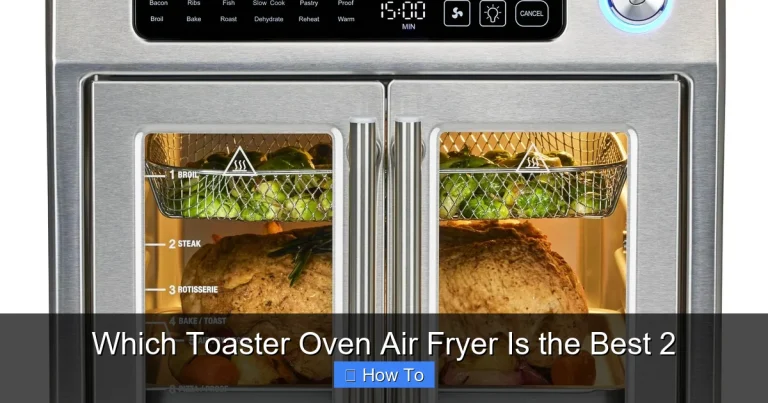
Standard toaster ovens usually reach up to 450°F, with many models offering a dial that goes from 150°F to 500°F. Some higher‑end units, especially convection models, can maintain a more consistent temperature across the cavity.

Visual guide about Will a Toaster Oven Work for Sublimation
Image source: i.ytimg.com
Convection vs. conventional toaster ovens
Convection toaster ovens have a fan that circulates air, helping to reduce hot spots. Conventional (non‑convection) ovens rely on radiant heat, which can create cooler corners. If you’re considering a toaster oven for sublimation, a convection model is a better bet because it offers more even heat distribution, which is essential for reliable results.
For more details on what a toaster oven is good for, see our article on what a toaster oven is good for.
Matching Sublimation Materials to Toaster Oven Limits
Sublimation paper and transfer sheets
Sublimation paper is designed to release dye when heated. It typically tolerates temperatures up to 400°F. Using a paper rated for higher temperatures can be wasteful, while a lower‑rated paper may burn before the ink fully sublimates. Always check the manufacturer’s temperature rating before you start.
Visual guide about Will a Toaster Oven Work for Sublimation
Image source: i.ytimg.com
Ink types and curing requirements
Sublimation inks are dye‑based and require the specific temperature range to turn into gas. Some inks are formulated for “low‑temp” applications (around 300°F), which can be useful if your toaster oven struggles to stay steady. However, most standard inks need the 350‑400°F window, so you’ll want to verify that your chosen ink matches the oven’s capability.
Step‑by‑Step Guide to Using a Toaster Oven for Sublimation
Preparing your design
Start by creating or selecting a mirrored image. Print it on sublimation paper using a printer that supports sublimation ink. Cut the paper to the exact size of your substrate, leaving a small margin to avoid edge‑to‑edge color loss.
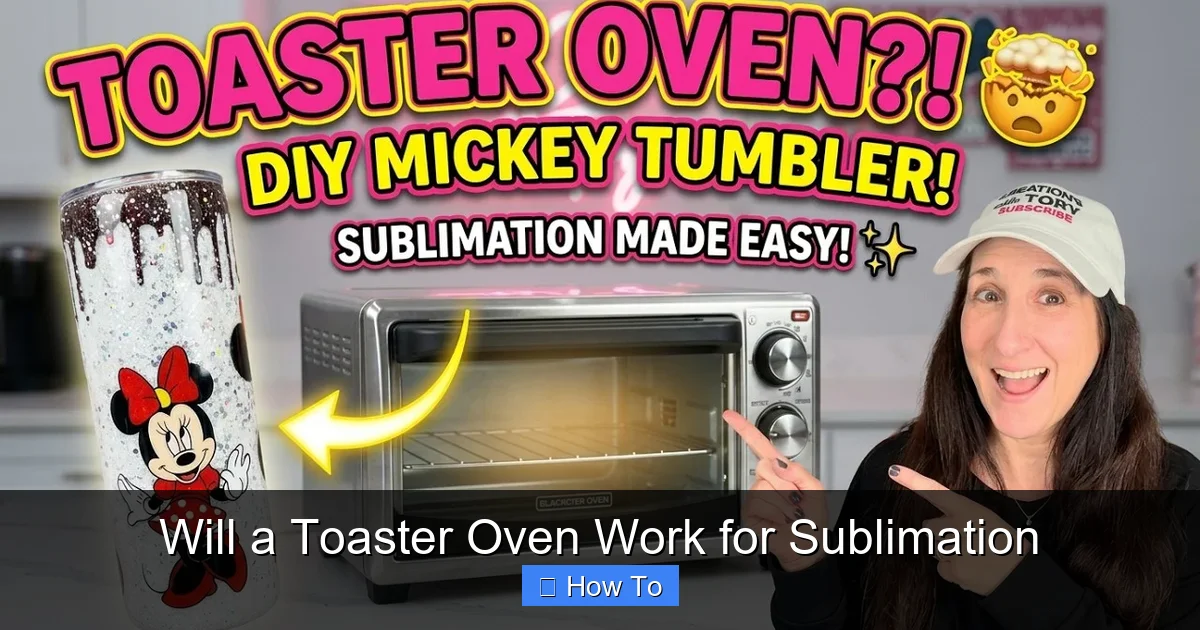
Visual guide about Will a Toaster Oven Work for Sublimation
Image source: i.ytimg.com
Setting up the toaster oven
Place the toaster oven on a stable, heat‑resistant surface, preferably on a countertop away from walls. Preheat the oven to 375°F and let it stabilize for at least 5 minutes. If you have a convection model, turn the fan on to promote even airflow.
Monitoring temperature and timing
Use an oven thermometer to verify the actual temperature inside the cavity; many toaster ovens run a few degrees cooler or hotter than the dial indicates. Once the temperature is stable, place the substrate (e.g., a mug or shirt) on the middle rack, cover with the printed paper, and set a timer for 45‑60 seconds. Keep a close eye on the process; the oven door should stay closed to maintain heat.
For tips on operating an airfryer toaster oven, check out how to use an airfryer toaster oven.
Common Pitfalls and Safety Concerns
Hot spots and uneven heating
Even with a convection fan, toaster ovens can develop hot spots near the heating element. To mitigate this, rotate the substrate halfway through the timer if you notice uneven curing. Using a dark, heat‑resistant tray can also help distribute heat more evenly.
Fire risk and ventilation
Because the oven reaches high temperatures, keep flammable items (like paper towels or cloth) far away. Ensure the oven’s vent is not blocked, and never leave the appliance unattended while it’s heating. A small fire extinguisher rated for kitchen use is a wise addition to your workspace.
If you’re curious how a toaster oven compares to a regular oven, read is a toaster oven like a regular oven for a deeper look at the differences.
When to Choose a Different Equipment
Convection ovens and dedicated sublimation presses
For larger items or higher volume production, a convection oven or a dedicated sublimation press provides more consistent temperature control and larger workspaces. These tools often include built‑in timers and uniform heat distribution, reducing the guesswork.
Cost‑benefit analysis
Using a toaster oven can save money upfront and fit small spaces, but it may limit the size of your projects and require more careful monitoring. If you’re producing custom mugs, phone cases, or small apparel items, a toaster oven can be a viable, budget‑friendly option. For high‑volume or large‑format work, investing in a specialized press may be more efficient.
Conclusion
So, Will a Toaster Oven Work For Sublimation? The answer is yes, with caveats. If you have a convection toaster oven that reliably reaches 350‑400°F and you’re comfortable monitoring temperature and timing, you can achieve good results on small‑to‑medium items. However, be aware of potential hot spots, limited space, and the need for proper sublimation materials. For larger or more demanding projects, consider upgrading to a convection oven or a dedicated sublimation press. Ultimately, the best choice depends on your project size, budget, and how much hands‑on attention you can give the process.
Ready to give it a try? Gather your sublimation paper, set your oven to the right temperature, and follow the step‑by‑step guide above. With careful preparation, your toaster oven can become a handy tool in your sublimation toolbox.
FAQs
Can I use a regular (non‑convection) toaster oven for sublimation?
It’s possible, but a non‑convection oven may have hot spots that lead to uneven curing. If you use one, rotate the item halfway through the heating cycle and monitor the temperature closely.
Do I need a special sublimation paper for a toaster oven?
Yes. Choose paper that is rated for the temperature range of your oven (typically 350‑400°F). Using the wrong paper can result in poor color transfer or burnt edges.
How long should I leave the toaster oven on for a mug?
Most mugs require 45‑60 seconds at 375°F. Always refer to the ink manufacturer’s recommendations and use a timer to avoid under‑ or over‑curing.
Is it safe to run a toaster oven unattended while sublimating?
No. You should stay nearby to monitor temperature and watch for any signs of smoke or overheating. Keep flammable materials away from the oven.
Can I sublimate on dark-colored substrates with a toaster oven?
Yes, but you’ll need a white or light‑colored polymer coating on the substrate. Dark colors absorb more heat and may require higher temperatures or longer times.
What’s the difference between a toaster oven and an air fryer for sublimation?
An air fryer typically circulates hot air more aggressively and can reach higher temperatures quickly, which may be useful for faster curing. However, the temperature control can be less precise, so you’ll need to monitor the process carefully.
Frequently Asked Questions
What is Will A Toaster Oven Work For Sublimation?
Will A Toaster Oven Work For Sublimation is an important topic with many practical applications.