Which Toaster Oven Is Best
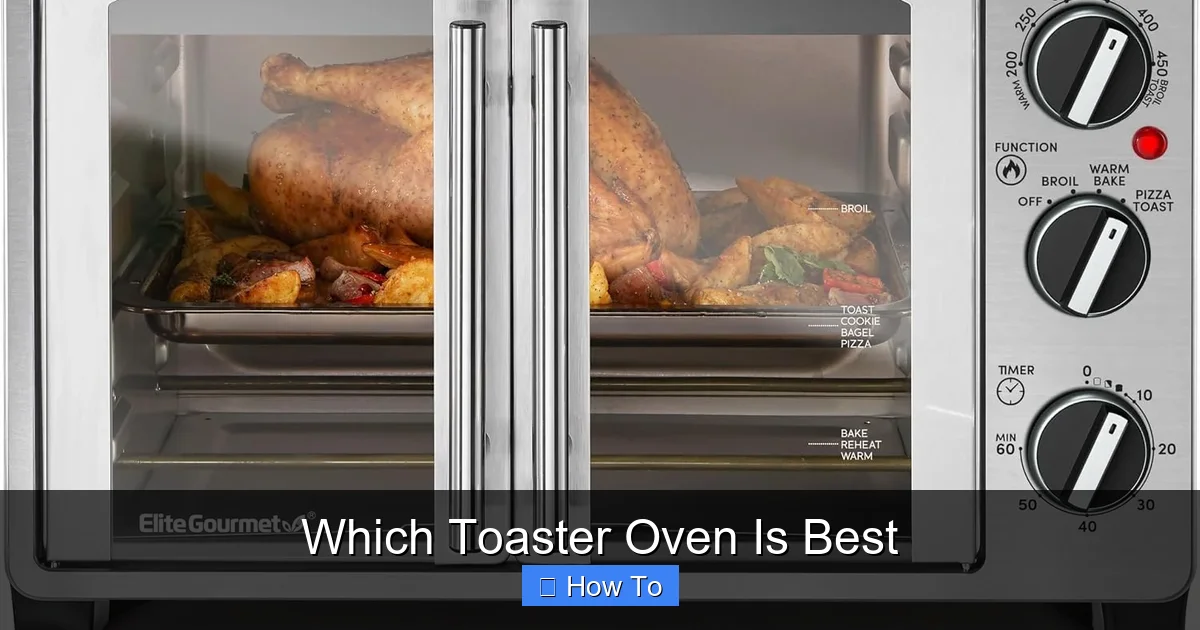
Finding Which Toaster Oven Is Best depends on your cooking habits, kitchen space, and desired features like convection, air‑fry capability, and easy‑clean interiors. This guide breaks down the top models, compares essential specs, and offers practical tips to help you choose a toaster oven that delivers consistent results without wasting counter space.
Key Takeaways
- Identify your primary use: Determine whether you’ll mainly toast, bake, broil, or air‑fry, as this drives the needed features and size.
- Prioritize convection and temperature control: Models with true convection and precise thermostats cook food more evenly and reduce cooking time.
- Consider interior dimensions: Measure your countertop and think about the largest dish you plan to cook (e.g., a 9‑inch pizza or a 6‑cup casserole).
- Look for useful accessories: A baking rack, broiling pan, and crumb tray add versatility and simplify cleanup.
- Check ease of cleaning: Non‑stick interiors, removable parts, and dishwasher‑safe accessories save time and effort.
- Balance price and warranty: A solid warranty (at least 1 year) often indicates better build quality and protects your investment.
- Read recent user reviews: Look for consistent feedback on reliability, heating performance, and noise levels.
📑 Table of Contents
Understanding Toaster Oven Basics
When you start asking Which Toaster Oven Is Best, the first step is to grasp what a toaster oven actually does. Unlike a traditional microwave, a toaster oven uses heating elements—usually at the top and bottom—to generate radiant heat that can toast, bake, broil, and even roast food. Many modern units also incorporate a fan for convection cooking, which circulates hot air for faster, more even results.
Knowing the core functions helps you match the appliance to your cooking style. If you primarily need to toast bread or reheat leftovers, a basic model with simple dial controls may suffice. However, if you enjoy baking cookies, roasting vegetables, or experimenting with air‑fry recipes, you’ll want a unit with precise temperature settings, multiple rack positions, and possibly a convection fan.
Another fundamental aspect is size. Toaster ovens are measured by interior capacity, typically expressed in quarts or liters, and by the external footprint that determines how much counter space they occupy. A compact unit might be perfect for a dorm room or small apartment, while a larger family‑sized model can handle a 12‑inch pizza or a whole chicken.
What Is a Toaster Oven?
A toaster oven is essentially a small, countertop convection oven. It combines the quick heating of a toaster with the versatility of a full‑size oven. The heating elements are usually made of nichrome wire, which glows red when powered, producing infrared heat that cooks food from the outside in. Some models add a quartz or halogen element for faster preheat.
Because the cooking chamber is relatively small, preheat times are short—often under five minutes. This efficiency makes toaster ovens ideal for quick meals, snack preparation, and energy‑saving cooking compared to heating a large oven for a small batch of food.
Key Features to Consider
When evaluating Which Toaster Oven Is Best for your needs, focus on these features:
- Temperature range: Look for a minimum of 150°F (for warming) and a maximum of at least 450°F (for broiling and baking).
- Convection fan: A fan that circulates hot air reduces hot spots and can cut cooking time by up to 25%.
- Control type: Digital touchpads offer presets and precise settings; analog dials are simpler but less precise.
- Interior lighting: An interior light lets you monitor food without opening the door and losing heat.
- Easy‑clean surfaces: Non‑stick or porcelain‑coated interiors wipe clean quickly.
Understanding these basics sets the stage for comparing specific models and deciding which one truly answers the question Which Toaster Oven Is Best for you.
Types of Toaster Ovens
The market offers several categories of toaster ovens, each suited to different cooking preferences. Knowing the distinctions helps you narrow down the options when you ask Which Toaster Oven Is Best for a particular task.
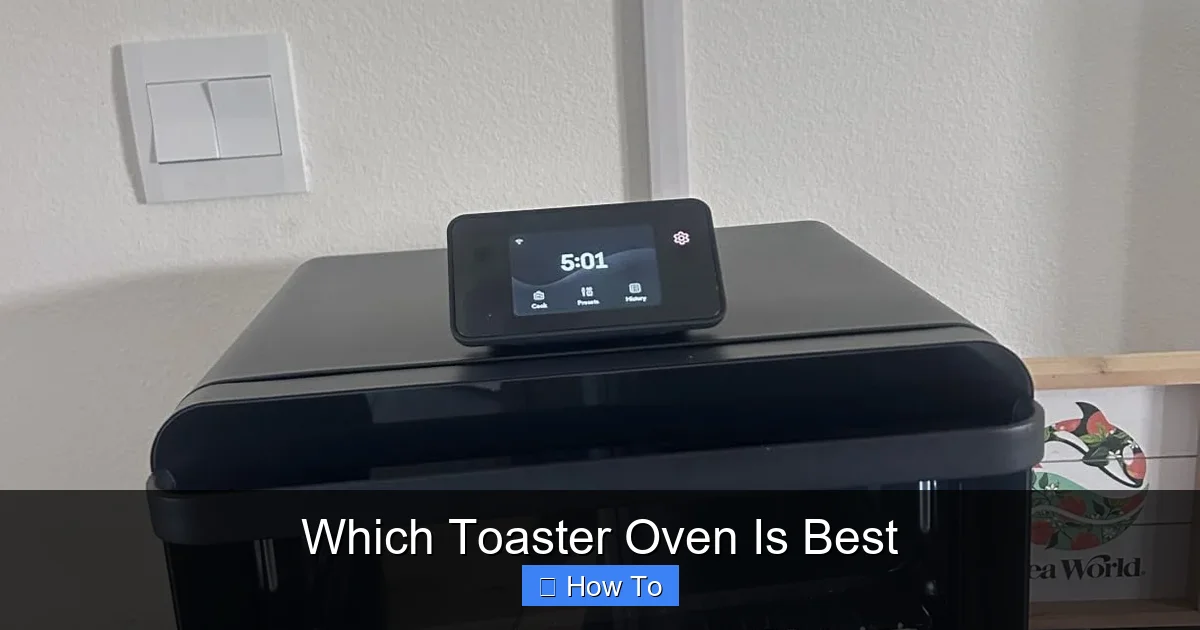
Visual guide about Which Toaster Oven Is Best
Image source: caribreeze.com
Convection vs. Non‑Convection
Convection models include a fan that moves hot air around the food. This results in more uniform browning and faster cooking, especially for baked goods and roasted meats. Non‑convection units rely solely on radiant heat from the elements, which can create hot spots but are often less expensive and quieter.
If you frequently bake cookies, pastries, or roast a whole chicken, a convection fan is a worthwhile upgrade. For simple toast and reheating, a non‑convection model may be adequate and save you a few dollars.
Air Fryer Toaster Ovens
Many consumers now look for a combination appliance that can air‑fry as well as toast and bake. An air fryer toaster oven uses a high‑speed fan and a perforated basket to circulate super‑hot air, mimicking the crispness of deep‑frying with little or no oil. When researching Which Toaster Oven Is Best, you’ll often encounter models marketed as “air fryer toaster ovens.”
These hybrids are great for making french fries, chicken wings, or vegetable chips without a separate deep‑fat fryer. However, the air‑frying function usually requires a specific accessory (the basket or tray) and may reduce the available interior space for other tasks.
Compact vs. Full‑Size
Compact toaster ovens typically offer 0.5 to 0.8 cubic feet of interior volume, enough for four slices of toast or a small 8‑inch pizza. Full‑size models range from 0.8 to 1.2 cubic feet, accommodating a 9‑inch pizza, a 6‑cup casserole, or a small roast.
Your kitchen layout and storage habits will dictate the best size. If you have limited countertop real estate, a compact unit that can be stored in a cabinet when not in use might be ideal. Conversely, if you often entertain or cook for a family, investing in a full‑size model provides the flexibility you need.
Top Picks for Different Needs
To answer the question Which Toaster Oven Is Best, we’ve grouped recommendations by common user scenarios. Each pick balances performance, features, and price.
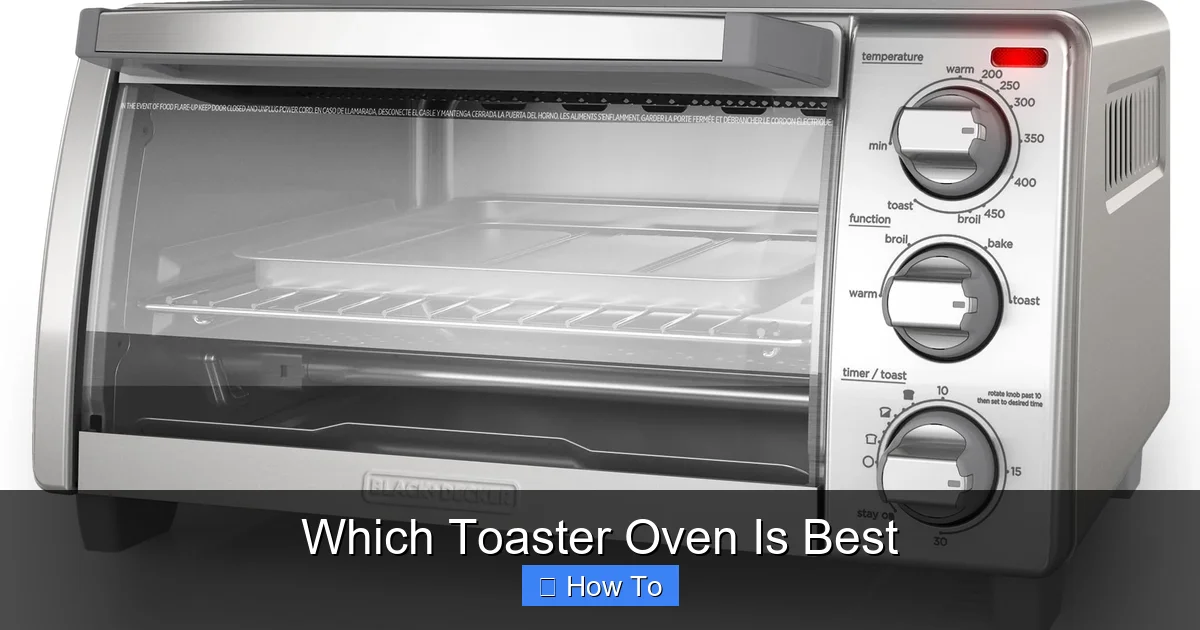
Visual guide about Which Toaster Oven Is Best
Image source: m.media-amazon.com
Best Overall
The Breville Smart Oven Air Fryer Pro frequently tops lists when consumers ask Which Toaster Oven Is Best. It combines true convection, an air‑fry basket, dehydrate function, and Element IQ technology that adjusts power to the heating elements for precise cooking. With a 1‑cubic‑foot interior, it fits a 9‑inch pizza or a 6‑cup casserole, and the LCD display offers presets for toast, bagel, bake, roast, air fry, and more.
Users praise its even browning, quick preheat (under 4 minutes), and sturdy build. The price sits in the premium range, but the versatility often justifies the cost for avid home cooks.
Best Budget
If you need a reliable performer without breaking the bank, the Hamilton Beach 31103D is a solid choice. It offers 0.9 cubic feet of space, convection heating, and simple dial controls for temperature and timer. While it lacks digital presets, it delivers consistent toast and baking results for everyday tasks.
Many reviewers highlight its easy‑clean interior and the fact that it fits a 9‑inch pizza comfortably. At under $80, it answers Which Toaster Oven Is Best for those seeking value.
Best for Families
Families often need extra capacity and multiple rack positions. The Cuisinart TOB-260N1 Chef’s Convection Toaster Oven provides 0.95 cubic feet, dual‑rack cooking, and a wide temperature range (150°F–450°F). Its convection fan ensures even baking for batches of cookies or a sheet‑pan dinner.
The stainless‑steel exterior and easy‑to‑read LCD make it a kitchen centerpiece. Parents appreciate the large interior that can handle a 12‑inch pizza or a 5‑lb roast, making it a strong contender when asking Which Toaster Oven Is Best for household meals.
Best for Small Kitchens
When counter space is at a premium, the Panasonic FlashXpress NB-G110P shines. Despite its compact footprint (just over 11 inches wide), it uses double infrared heating elements for rapid preheat and even cooking. The 0.6‑cubic‑foot interior fits four slices of toast or a small 8‑inch pizza.
Reviewers love its speed—often ready to toast in under 90 seconds—and its quiet operation. It’s a top answer to Which Toaster Oven Is Best for studio apartments, dorm rooms, or tiny kitchens.
How to Choose the Right Size and Capacity
Size is one of the most practical factors when determining Which Toaster Oven Is Best for your home. A unit that’s too large wastes energy and crowds your countertop; one that’s too small limits what you can cook.
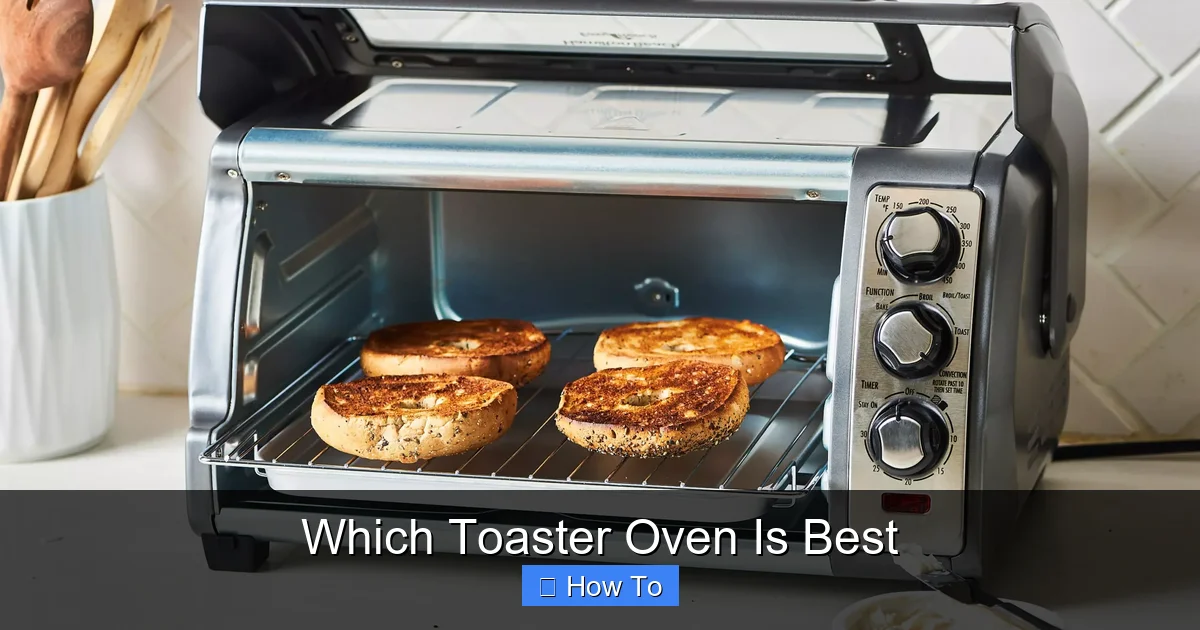
Visual guide about Which Toaster Oven Is Best
Image source: besttoasterovens2020.com
Measuring Your Counter Space
Before you buy, measure the width, depth, and height of the spot where the toaster oven will live. Remember to leave at least a few inches of clearance on each side for ventilation and for the door to open fully. Most manufacturers list external dimensions in the product specifications; compare those to your measurements.
If you plan to store the appliance when not in use, consider a model with a removable cord wrap or a compact design that fits easily in a cabinet.
Considering Food Types
Think about the largest dish you intend to prepare. For toast and reheating, a 0.5‑cubic‑foot unit may suffice. If you want to bake a 9‑inch pizza, roast a chicken, or prepare a lasagna, aim for at least 0.8 cubic feet. Some manufacturers also provide the maximum pan size that fits inside (e.g., “fits a 9‑inch x 13‑inch baking pan”).
Additionally, consider rack positions. Multiple rack levels allow you to toast on the top rack while baking a casserole on the lower rack, increasing versatility.
Essential Features and Accessories
Beyond size and convection, certain features and included accessories can make a big difference in daily use. When you ask Which Toaster Oven Is Best, check for these conveniences.
Temperature Controls and Presets
Digital models often come with preset functions like “Toast,” “Bagel,” “Bake,” “Roast,” “Air Fry,” and “Dehydrate.” These presets automatically set the optimal temperature, time, and fan speed, reducing guesswork. Look for a model that lets you adjust the presets if you prefer a darker toast or a crispier air‑fry result.
Interior Light and Easy‑Clean Coatings
An interior light is a small but valuable feature—it lets you monitor food without opening the door, which preserves heat and prevents temperature drops. Look for a bulb that’s easy to replace.
Non‑stick or porcelain‑enamel interiors wipe clean with a damp cloth. Some models feature a removable crumb tray that slides out for quick disposal of toast crumbs and food particles.
Included Accessories
Standard accessories usually include a baking rack, a broiling pan, and a crumb tray. Higher‑end models may add an air‑fry basket, a pizza stone, or a rotisserie spit. When evaluating Which Toaster Oven Is Best, consider whether the included accessories match your cooking habits; buying them separately can add to the overall cost.
Maintenance and Longevity Tips
Even the best toaster oven will lose performance if not cared for properly. Proper maintenance extends the life of the appliance and ensures consistent results.
Cleaning Routine
After each use, let the unit cool, then remove the crumb tray and wipe it out. For the interior, use a soft sponge or cloth with mild dish soap—avoid abrasive pads that can damage non‑stick coatings. If food is stuck, a paste of baking soda and water can help loosen it without scratching.
Periodically check the heating elements for any buildup; a soft brush can remove debris. Never spray water directly onto the elements or controls.
Avoiding Common Mistakes
Never use aluminum foil to line the bottom of the oven unless the manufacturer explicitly allows it, as it can reflect heat and damage the elements. Avoid overcrowding the rack; proper air circulation is essential for even cooking, especially in convection models.
Also, refrain from using the toaster oven as a storage space for pots, pans, or other items when it’s not in use—this can block vents and cause overheating.
When to Replace
Signs that it’s time to consider a new unit include uneven heating (one side of food burns while the other stays cold), strange noises from the fan, or a door that no longer seals properly. If repair costs approach the price of a new model, upgrading is usually the more economical choice.
Conclusion
Answering the question Which Toaster Oven Is Best ultimately depends on your personal cooking habits, kitchen space, and budget. By understanding the basics—such as convection versus non‑convection, interior capacity, and essential features—you can narrow down the field to models that truly match your needs.
If you want an all‑rounder that excels at toast, bake, roast, and air fry, the Breville Smart Oven Air Fryer Pro stands out. For those watching their spending, the Hamilton Beach 31103D delivers reliable performance without frills. Families will appreciate the extra capacity and dual‑rack flexibility of the Cuisinart TOB-260N1, while compact kitchens benefit from the speedy Panasonic FlashXpress.
Remember to measure your countertop, consider the largest dishes you plan to cook, and look for useful accessories like a baking rack, air‑fry basket, and easy‑clean interior. Regular maintenance—cleaning the crumb tray, wiping the interior, and checking the vents—will keep your chosen toaster oven running efficiently for years.
Armed with this information, you can confidently select a toaster oven that not only answers Which Toaster Oven Is Best for you but also becomes a trusted workhorse in your kitchen, helping you prepare everything from quick breakfasts to gourmet dinners with ease.
Frequently Asked Questions
What size toaster oven should I buy for a small apartment?
For a small apartment, a compact model with 0.5 to 0.8 cubic feet of interior space is ideal. It will fit on a modest countertop, toast up to four slices of bread, and handle an 8‑inch pizza or a small casserole without taking up too much room.
Is convection really worth the extra cost?
Convection circulates hot air, which reduces hot spots and can cut cooking time by up to 25%. If you bake cookies, roast vegetables, or prepare meals that benefit from even browning, the investment in a convection model usually pays off in better results and energy savings.
Can I use aluminum foil in my toaster oven?
Only use aluminum foil if the manufacturer’s manual explicitly permits it. In many toaster ovens, foil can reflect heat onto the heating elements, causing damage or uneven cooking. When in doubt, opt for a silicone baking mat or parchment paper instead.
How often should I clean the crumb tray?
Empty and wipe the crumb tray after every use to prevent buildup that could smoke or cause odors. A quick rinse with warm, soapy water once a week keeps it fresh and reduces the risk of fire hazards.
Are air fryer toaster ovens healthier than traditional deep fryers?
Yes, air fryer toaster ovens use little to no oil while achieving a crispy texture through rapid hot‑air circulation. This significantly reduces fat and calorie content compared to deep‑frying, making them a healthier alternative for foods like fries, chicken wings, and vegetables.
What is the typical lifespan of a good toaster oven?
With proper care, a quality toaster oven can last 5 to 10 years. Regular cleaning, avoiding overloading, and following the manufacturer’s guidelines help maximize longevity. If you notice persistent heating issues or excessive noise, it may be time to consider a replacement.