Which Is Better Microwave or Toaster Oven
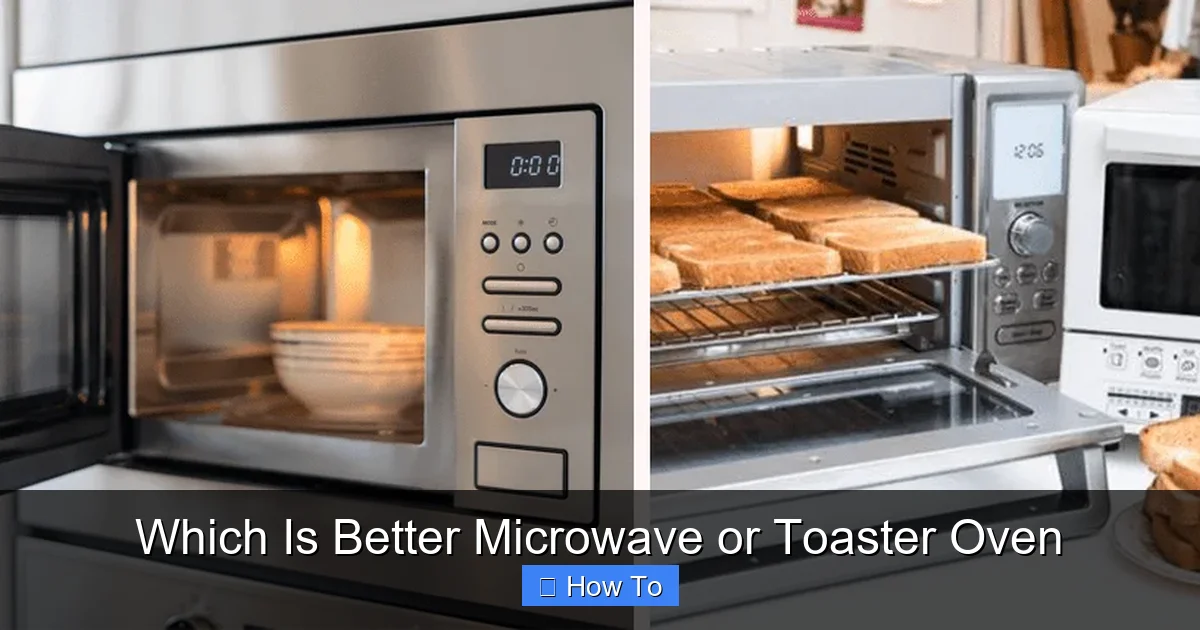
Choosing between a microwave and a toaster oven depends on your cooking needs. A microwave excels at quick reheating, while a toaster oven offers better browning and crisping. Both appliances have unique strengths that make them essential in different kitchen scenarios.
Key Takeaways
- Speed vs. Quality: Microwaves heat food faster, but toaster ovens provide superior texture and browning.
- Energy Efficiency: Toaster ovens generally use less energy than traditional ovens, making them a cost-effective choice.
- Versatility: Toaster ovens can bake, broil, and roast, offering more cooking options than a standard microwave.
- Reheating Best Practices: Microwaves are unbeatable for everyday reheating, while toaster ovens prevent soggy leftovers.
- Space and Price: Microwaves are often cheaper, but compact toaster ovens save counter space while delivering better results.
📑 Table of Contents
Which Is Better Microwave or Toaster Oven?
When you stand in the kitchen facing a hungry family or a quick snack craving, the choice between a microwave or toaster oven can feel surprisingly complicated. Both appliances promise to deliver hot food quickly, but they operate on completely different principles that drastically affect the final result. The microwave uses electromagnetic waves to vibrate water molecules, generating heat from the inside out. On the other hand, the toaster oven relies on traditional heating elements that radiate heat from the outside in, much like a conventional oven but in a smaller package. Choosing the right one depends entirely on what you are cooking, how fast you need it, and what kind of texture you expect. Understanding the core differences between a microwave or toaster oven will empower you to make the best decision for your culinary needs.
Today, the modern kitchen is a battlefield of efficiency. We want meals prepared faster, healthier, and with less cleanup. The debate over a microwave or toaster oven has intensified as people realize they do not need a full-sized oven to cook a perfect meal. While the microwave has been a staple in American homes for decades, the toaster oven has made a massive comeback. People are realizing that they can achieve better tasting food without spending hours in a hot kitchen. By examining the unique traits of each appliance, you can figure out which one truly belongs on your countertop.
The history of these appliances is fascinating. The microwave was originally designed for fast food warming, but it quickly became the go-to for everyday reheating. The toaster oven started as a simple bread warmer but evolved into a full-fledged mini oven. Today, asking which is better, a microwave or toaster oven, is like asking whether a sports car is better than a pickup truck. It depends entirely on what you are hauling and where you are going. Both have their place, and both have distinct advantages that make them indispensable in different scenarios.
How a Microwave Works and Its Best Uses
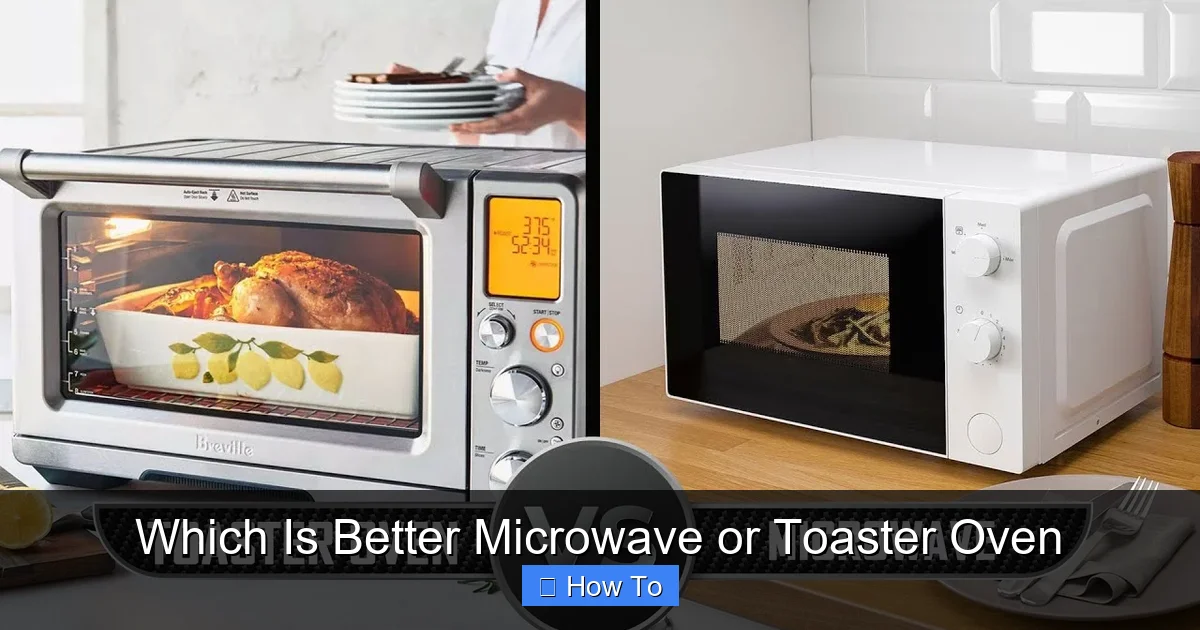
The microwave oven is the undisputed champion of speed. It works by emitting electromagnetic waves that directly interact with the water molecules in your food. This causes the molecules to vibrate rapidly, which produces heat almost instantly. Because of this mechanism, a microwave can heat a bowl of soup from cold to piping hot in just a few minutes. This makes it an indispensable tool for busy mornings and late-night snacks. If you are looking for pure, unadulterated speed, a microwave or toaster oven comparison always favors the microwave for reheating tasks.
Visual guide about Which Is Better Microwave or Toaster Oven
Image source: i.ytimg.com
The technology inside a microwave relies on a component called a magnetron, which generates the electromagnetic waves. These waves bounce around the metal interior of the appliance, penetrating the food and causing the water molecules to spin. This friction creates heat throughout the food simultaneously. It is a highly efficient process, but it does not allow for the chemical reactions needed to brown or crisp food surfaces. This is the fundamental limitation of the microwave.
The Speed of Reheating
When you are short on time, nothing beats the reheating power of a microwave. Leftover rice, steamed vegetables, and pasta all benefit from the rapid heating process. You simply place your dish inside, set the timer, and walk away. There is no preheating required, which saves even more precious minutes. If your primary goal is to transform a cold meal into a hot one in under two minutes, the microwave is the clear winner. It is the ultimate tool for the “I am too tired to cook” nights.
When to Choose a Microwave
You should choose a microwave if your cooking habits revolve around convenience. Defrosting frozen meats, warming up baby bottles, and melting butter are tasks where a microwave shines. It is also the go-to appliance for steaming vegetables quickly by adding a splash of water. However, it is important to remember that a microwave does not brown or crisp food. If you are looking for a crispy pizza crust or a golden brown chicken skin, you will need to look elsewhere. The microwave is a tool for heating, not for cooking from scratch.
How a Toaster Oven Works and Its Best Uses
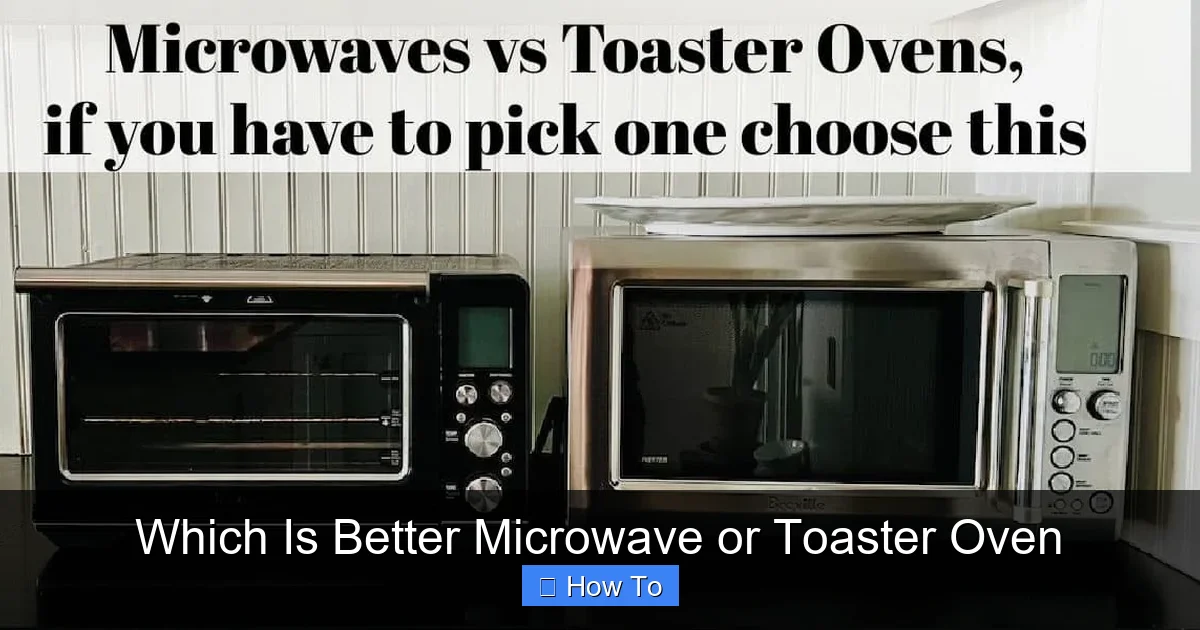
A toaster oven operates much like a traditional oven but in a compact, energy-saving package. It uses heating elements, usually located at the top and bottom, to radiate heat around the food. This allows for baking, roasting, and broiling with excellent results. If you want to understand what is a toaster oven good for, you simply need to look at its ability to mimic a full oven without the hefty energy bill. It is a versatile powerhouse that can handle almost any small-batch cooking task.
Visual guide about Which Is Better Microwave or Toaster Oven
Image source: designmorsels.com
The toaster oven uses either conventional heating elements or a convection fan to circulate hot air. Convection toaster ovens are particularly popular because the fan ensures that the hot air flows evenly around the food. This eliminates hot spots and ensures that your dish cooks uniformly. The dry heat generated by these elements is what makes the toaster oven so effective at creating delicious, textured meals.
The Versatility of Baking and Broiling
One of the greatest strengths of a toaster oven is its versatility. You can bake cookies, roast a small chicken, or broil a piece of fish with impressive results. The convection feature found in many modern models circulates hot air evenly, ensuring that your food cooks uniformly. Whether you are preparing a single-serving casserole or toasting a bagel, the toaster oven handles it all with grace. When you consider what is a toaster oven good for, the list is nearly endless. It can replace your full oven for small meals, keeping your kitchen cool in the summer.
When to Choose a Toaster Oven
You should choose a toaster oven if you value the taste and texture of your food over absolute speed. If you are tired of soggy leftovers and want a crispy finish, a toaster oven is the answer. Many people ask if a toaster oven is worth it, and the answer is a resounding yes if you enjoy cooking even small meals. It also excels at reheating pizza, keeping the crust crunchy while melting the cheese perfectly. For anyone who wants to elevate their leftovers from sad to spectacular, the toaster oven is the ultimate solution.
Energy Efficiency and Cost Comparison
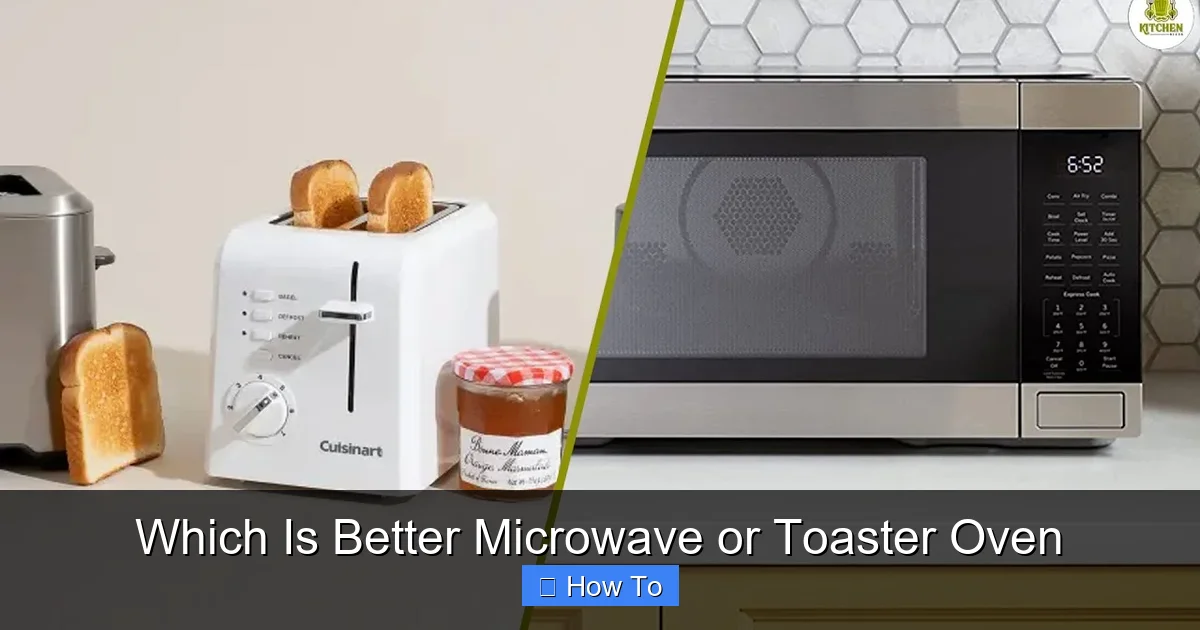
When it comes to utility bills, the difference between a microwave or toaster oven is noticeable. Both appliances are more efficient than a full-sized conventional oven, but they differ in how they consume power. A microwave uses a high amount of power but only for a very short duration. A toaster oven uses less power overall but runs for a longer period to achieve the desired cooking temperature. Understanding this dynamic is crucial for anyone looking to save on their electricity bill.
Visual guide about Which Is Better Microwave or Toaster Oven
Image source: i.ytimg.com
Power Consumption
Typically, a microwave draws around 1,000 to 1,500 watts of power during operation. However, because you only run it for a few minutes, the total energy consumed is relatively low. A toaster oven usually draws between 1,200 and 1,800 watts. Because it takes longer to preheat and cook, the total watt-hours used can be higher than a microwave for simple reheating tasks. However, when you are baking or roasting, the toaster oven is far more efficient than firing up a full-sized oven, which can draw 2,000 to 5,000 watts.
Long-Term Savings
Many people wonder if a toaster oven is more efficient when looking at long-term savings. The answer depends entirely on what you are cooking. If you are reheating a cup of coffee, the microwave wins. If you are baking a frozen dinner, the toaster oven might actually be cheaper than running a full oven, but the microwave will still beat it in raw energy usage. The key is to match the appliance to the task to maximize your savings. For everyday reheating, stick with the microwave. For cooking tasks that require an oven, use the toaster oven.
Cooking Results: Texture and Taste
The most significant difference between a microwave and a toaster oven is the final texture of the food. Microwaves heat food by exciting water molecules, which often leads to steam forming inside the food. This steam can make bread soggy, pizza limp, and fries soggy. A toaster oven, by contrast, uses dry heat that evaporates moisture from the surface of the food, creating a beautifully crispy exterior. This difference in texture is often the deciding factor when choosing a microwave or toaster oven for your daily meals.
Why Browning Matters
Browning is a chemical reaction known as the Maillard reaction, which occurs when amino acids and sugars in food are exposed to high, dry heat. This reaction is responsible for the delicious flavors and golden colors we associate with baked goods and roasted meats. A microwave cannot trigger this reaction because it heats from the inside and retains moisture. A toaster oven, with its top heating element, can easily brown the top of a casserole or toast the crust of a pastry. The flavor difference is night and day, making the toaster oven the preferred choice for any dish where taste is paramount.
The Soggy Microwave Problem
We have all experienced the disappointment of a soggy microwave reheated meal. The trapped steam has nowhere to go, so it saturates the food, leaving it wet and unappetizing. Using a toaster oven avoids this problem entirely. The circulating hot air allows moisture to escape, leaving your food tasting freshly cooked. This is why many home cooks prefer the toaster oven for any dish where texture is important. If you want your food to taste like it was just made, avoid the microwave and reach for the toaster oven instead.
Counter Space and Design Considerations
Kitchen real estate is precious, and the physical size of your appliance matters. Microwaves are typically designed to be stacked or placed on a counter, and they often come with a built-in turntable. Toaster ovens are broader and sit flat on the counter, taking up a rectangular footprint. When deciding between a microwave or toaster oven, you must consider the available space on your kitchen counter and how you plan to use the appliance.
Size Matters
Standard microwaves usually stand about 12 to 14 inches tall and are quite deep. Toaster ovens vary widely, from compact four-slot models that are barely wider than a toaster to larger models that can fit a whole chicken. If you have a tiny kitchen, a slim toaster oven might fit better than a bulky microwave. However, if you have a designated microwave shelf, the space requirement is already met. Consider the footprint of the appliance and whether it will obstruct other areas of your counter when in use.
Ventilation and Installation
Proper ventilation is critical for any heating appliance. Microwaves generally vent through a charcoal filter or exhaust fan, and they do not get very hot on the outside. Toaster ovens, however, generate significant heat and require clearance on all sides to prevent overheating. If you are considering an under-cabinet installation, make sure to check the manufacturer’s guidelines for proper airflow. Good ventilation ensures the longevity of your appliance and keeps your kitchen safe.
Making the Final Decision
Ultimately, the debate between a microwave or toaster oven does not have a single universal answer. It is a matter of personal preference and cooking habits. If you live a fast-paced life and prioritize speed above all else, a microwave is an essential tool. However, if you care about the quality, texture, and taste of your food, a toaster oven is the better investment. Many kitchens successfully house both appliances, using the microwave for quick reheating and the toaster oven for cooking and crisping.
By understanding the strengths of each, you can ensure that you are always serving the best possible meal. The microwave is your ally when time is of the essence, while the toaster oven is your partner when quality matters. You do not have to choose just one; you can enjoy the benefits of both. Whether you are defrosting a steak or baking a batch of cookies, knowing which appliance to use will transform your cooking experience. Embrace the best of both worlds and elevate your kitchen game today.
Frequently Asked Questions
Can you bake in a microwave or toaster oven?
You can bake in a toaster oven, but you cannot bake in a standard microwave. A toaster oven uses dry, radiant heat to bake goods like cookies, cakes, and casseroles. A microwave heats food using moisture and cannot create the dry environment needed for baking to succeed.
Does a toaster oven use more electricity than a microwave?
A toaster oven typically uses more electricity per hour than a microwave because it runs longer at a similar wattage. However, a microwave draws more power in a very short burst. For quick reheating, the microwave uses less total energy, but for longer cooking tasks, the toaster oven is more efficient than a full oven.
Is it better to use a microwave or toaster oven for pizza?
It is always better to use a toaster oven for pizza. A toaster oven uses convection heat to melt the cheese while keeping the crust crispy. A microwave will make the crust soggy and the cheese greasy because it traps steam inside the food rather than evaporating moisture.
Can you put metal in a toaster oven?
Yes, you can put metal in a toaster oven, but only if it is oven-safe and compatible with the appliance’s size. Metal pans, trays, and even some aluminum foil are safe to use in a toaster oven. However, you should never put metal in a microwave, as it can cause sparking and fires.
Are microwaves safe to use daily?
Yes, microwaves are safe to use daily when operated correctly. Modern microwaves have safety interlocks that prevent radiation from escaping when the door is closed. As long as you use microwave-safe containers and avoid standing too close to the appliance, there are no health risks associated with daily use.
Which appliance takes up less counter space?
A microwave generally takes up less counter space than a toaster oven because it is taller but narrower. However, toaster ovens come in a wide variety of sizes, including very compact models. If space is a major concern, measure your available counter area and compare the dimensions of both appliances before purchasing.