Where to Put Toaster Oven
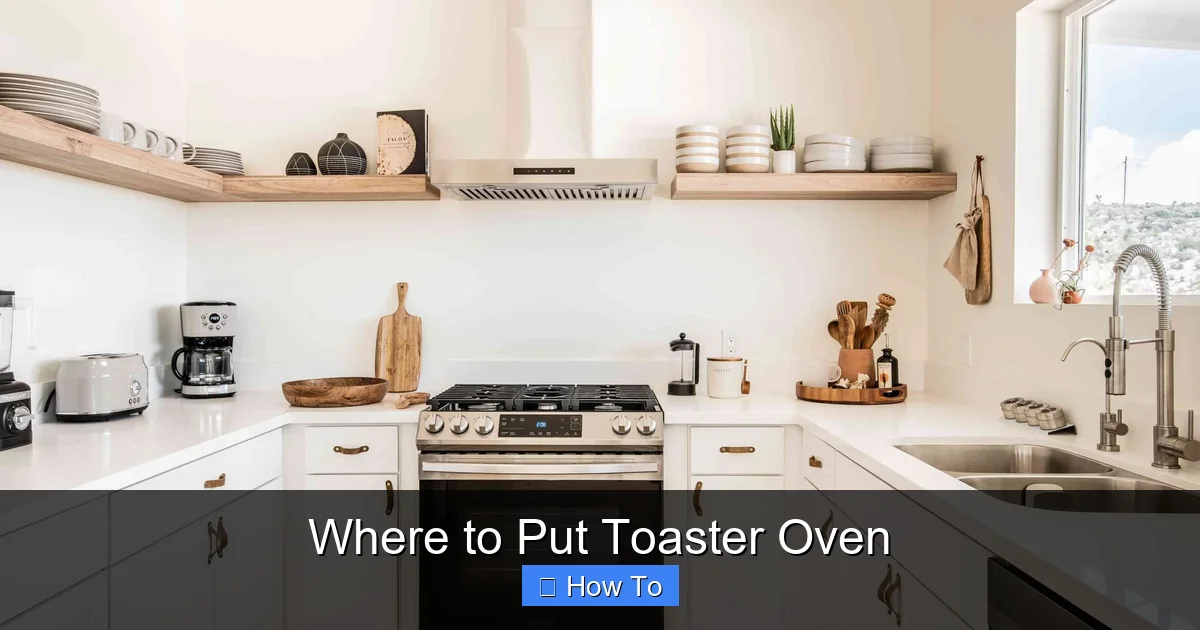
When deciding where to put toaster oven, think about counter space, safety, and convenience. This guide walks you through the best spots, layout tips, and easy‑to‑clean options so you can enjoy faster meals without clutter.
Key Takeaways
- Choose a stable, level surface. Ensure the countertop is sturdy and can support the weight of the appliance.
- Maintain clear pathways. Keep traffic flow open to avoid accidents and allow easy access.
- Place near the stove or sink. Proximity saves prep time and simplifies cleanup.
- Consider height for accessibility. Ideal height is countertop level, especially for families with elderly members.
- Ensure proper ventilation. Allow space above and around for air to circulate and keep heat‑resistant surfaces nearby.
- Use a nearby power outlet. Avoid extension cords by positioning close to an electrical source.
- Use a dedicated circuit. Prevent overloads and keep your kitchen electrical system safe.
📑 Table of Contents
Introduction
When you start cooking with a toaster oven, the first real decision is often “where to put toaster oven.” The right spot can turn a cramped kitchen into a smooth workflow, while a poor choice can cause clutter, safety hazards, and extra cleaning time. In this article, we will explore practical tips for finding the perfect location. We’ll look at counter space, safety, kitchen layout, accessibility, and even how cleaning influences placement. By the end, you’ll have a clear checklist to decide where to put toaster oven in your home.
First, think about the daily routine. If you often toast bagels in the morning or bake a quick pizza at night, you want the appliance within arm’s reach. A spot that is too far can interrupt your cooking rhythm. Next, consider the physical constraints of your kitchen—counter depth, ventilation, and nearby appliances. Balancing these factors will help you enjoy a tidy kitchen and efficient meal prep.
Finally, we’ll touch on a few popular models that make placement easier. For seniors or anyone with mobility concerns, choosing a model that fits your chosen spot is essential. We’ll also link to our guides on the best easy‑to‑use toaster ovens for elderly users and the best easy‑to‑clean air fryer toaster ovens, so you can pair the right appliance with the right location.
Choosing the Right Spot
Counter Space and Stability
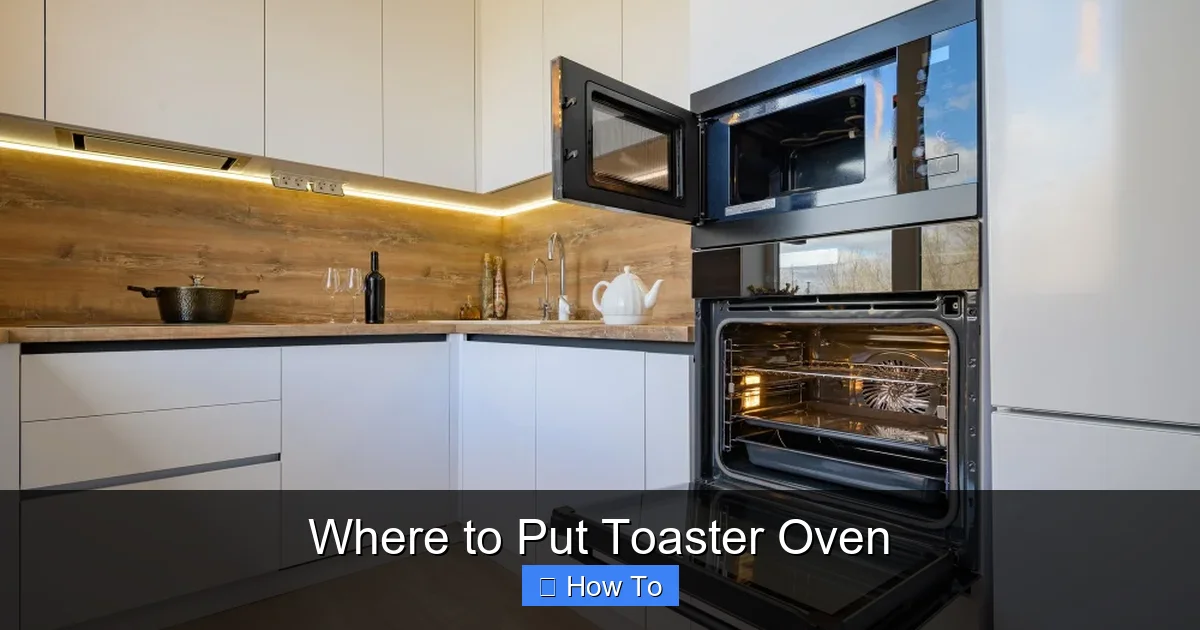
When you put toaster oven, start with the surface. The countertop must be level, sturdy, and large enough to support the unit plus any surrounding bowls or utensils. A wobbly surface can cause the oven to tip, which is a serious safety risk. Measure the depth of your counter; many toaster ovens are about 18‑20 inches deep. If your countertop is narrow, consider a wall‑mounted or under‑counter model to free up valuable space.
Visual guide about Where to Put Toaster Oven
Image source: i.ytimg.com
Ventilation and Heat Management
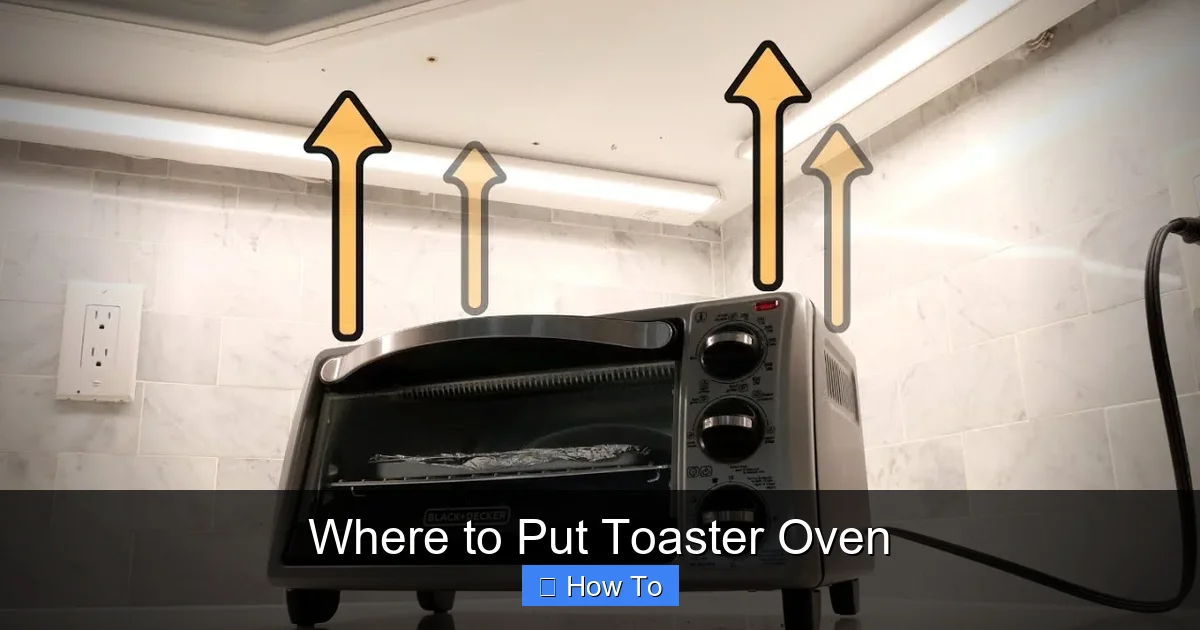
Proper airflow is essential for a toaster oven to perform well and to stay cool on the outside. Leave at least two inches of clearance on the sides and back of the unit. If your kitchen has limited space, you can still place the oven near a window or over a range hood. Make sure the area is made of heat‑resistant material, such as granite or laminate, to protect the surface from hot coils or steam.
Traffic Flow and Accessibility
Think about how people move around the kitchen. A high‑traffic path can cause accidental bumps or spills. Position the toaster oven where it is easy to reach without blocking the main walkway. If you have a small kitchen, a corner spot can work well, as long as the door to the oven opens fully and you have enough room to pull out trays.
Safety Considerations
Clear Counter Space
Before you decide where to put toaster oven, clear the surrounding area of flammable items like paper towels, wooden spoons, or curtains. Keep a small tray or mat nearby to catch drips. This simple step reduces fire risk and makes cleanup faster.
Visual guide about Where to Put Toaster Oven
Image source: industrystandarddesign.com
Child Safety
If you have young children, placement matters. Choose a spot that is out of their reach—ideally above waist height or on a higher counter. Some families also use child‑proof locks on the oven door. Consider a model with a cool‑touch exterior to minimize burns.
Heat‑Resistant Surface
Place the toaster oven on a surface that can handle heat. A silicone mat or a dedicated heat‑resistant cutting board works well under the unit. This protects your countertop from hot coils and condensation, extending the life of both the oven and the kitchen surface.
Kitchen Layout Tips
Near the Stove
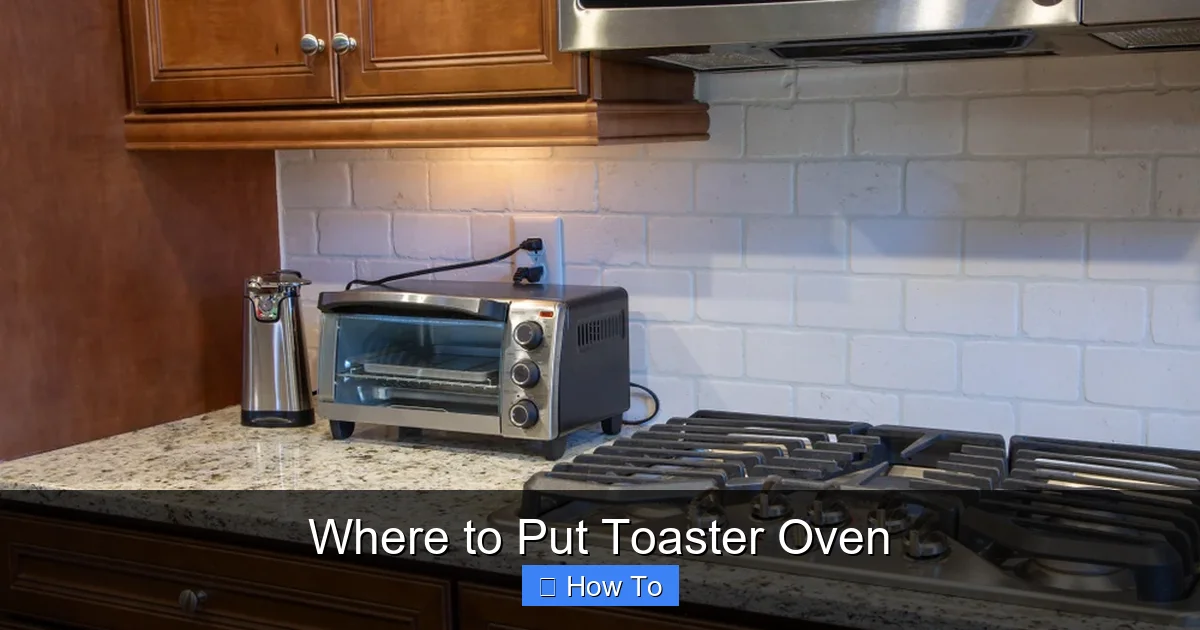
When you plan where to put toaster oven, think about the workflow from your main cooking area. Placing it next to the stove lets you quickly move ingredients from the burner to the oven. This is especially helpful for recipes that require searing on the stovetop and finishing in the oven, like a steak or roasted vegetables.
Visual guide about Where to Put Toaster Oven
Image source: wowitsveggie.com
Near the Sink
Proximity to the sink makes cleaning effortless. If you put toaster oven near the sink, you can rinse trays, soak greasy parts, and wipe spills without hauling water across the kitchen. This also helps with ventilation, as steam from cooking can be directed toward the sink or range hood.
Island Placement
For open‑plan kitchens, an island can be an ideal spot. An island gives you freedom to place the toaster oven in the center, keeping counters clear. Just ensure the island is sturdy enough to support the weight and that there is enough clearance on all sides for safe operation.
Accessibility and Reach
Height Considerations
The ideal height for a toaster oven is countertop level. This means the door opens without straining your back or shoulders. If your countertop is too low, consider a wall‑mounted unit. If it is too high, a lower‑profile model can reduce the need to lift heavy trays.
Easy Reach for Elderly Users
When you put toaster oven for an older family member, accessibility is key. Look for models with larger handles and simple controls. Our Best Easy To Use Toaster Oven For Elderly guide can help you choose a unit that fits comfortably within reach and offers clear digital displays.
Mobility and Floor Space
Ensure there is enough floor space around the oven for easy movement, especially if you use a rolling stool or a walker. A minimum of 24 inches of clearance on the sides and back allows you to open the door fully and retrieve trays without hitting cabinets or walls.
Cleaning and Maintenance Proximity
Near the Sink
One of the biggest reasons to put toaster oven near the sink is for quick cleanup. Grease and food residue can be washed away with minimal effort. This placement also reduces the chance of drips drying on your countertop.
Easy Access to Cleaning Supplies
When you put toaster oven close to where you store your cleaning sprays and sponges, you are more likely to maintain the appliance regularly. A simple habit of wiping the interior after each use keeps buildup at bay and extends the life of the heating elements.
Ventilation for Smoke
If you ever have a small fire or excess smoke from cooking, good ventilation is vital. Positioning the toaster oven near an exhaust fan or a window helps clear the air quickly. This also prevents smoke from spreading to other parts of the kitchen.
Final Placement Checklist
Quick Checklist
Before you finalize where to put toaster oven, run through this list:
- Is the countertop level and sturdy?
- Do you have at least two inches of clearance on all sides?
- Is the spot near the stove, sink, or both?
- Is the height comfortable for all users?
- Is there a nearby power outlet without the need for extension cords?
- Is the surface heat‑resistant?
- Do you have easy access to cleaning supplies?
Common Mistakes to Avoid
Many homeowners place the toaster oven too close to heat sources, which can cause the cabinet to warp. Others ignore ventilation, leading to steam buildup and rust. Finally, forgetting to keep the area clear of flammable items is a frequent safety oversight.
Final Thoughts
Deciding where to put toaster oven is more than just finding a flat surface; it’s about creating a safe, convenient, and efficient cooking space. By considering counter stability, ventilation, traffic flow, safety, and accessibility, you can choose a spot that enhances your kitchen workflow. Remember to pair the right location with a model that matches your needs—whether that’s an easy‑to‑clean air fryer toaster oven or a user‑friendly option for seniors. With the tips above, you’ll enjoy quick meals, minimal cleanup, and a tidy kitchen for years to come.
Frequently Asked Questions
What is the best height for a toaster oven?
The ideal height is countertop level, which allows the door to open without straining your back. This height also keeps the oven within easy reach for most users and reduces the need to lift heavy trays.
Should a toaster oven be placed near a sink?
Yes, placing the oven near the sink simplifies cleaning and helps manage steam. It also reduces the distance you need to carry dishes or cleaning supplies, making maintenance quicker and more convenient.
How much counter space do I need for a toaster oven?
Most toaster ovens require about 18‑20 inches of counter depth and a clear area of at least two inches on each side for ventilation. Measure your countertop to ensure there is enough space for the unit plus any surrounding items.
Are there any safety concerns when placing a toaster oven?
Yes, keep flammable items away from the oven, ensure proper ventilation, and use a heat‑resistant surface underneath. Also, avoid using extension cords and always plug the unit directly into a wall outlet.
What is the ideal ventilation for a toaster oven?
Leave at least two inches of clearance on the sides and back, and position the oven near an exhaust fan or window. This helps disperse heat and any smoke, keeping your kitchen air fresh.
How do I choose the right spot based on my kitchen layout?
Consider your workflow: place the oven near the stove for seamless transfers, near the sink for easy cleanup, and ensure it is at a comfortable height for all users. Check for stable countertops, clear pathways, and nearby power outlets before finalizing the location.