Is Tin Foil Safe in Toaster Oven
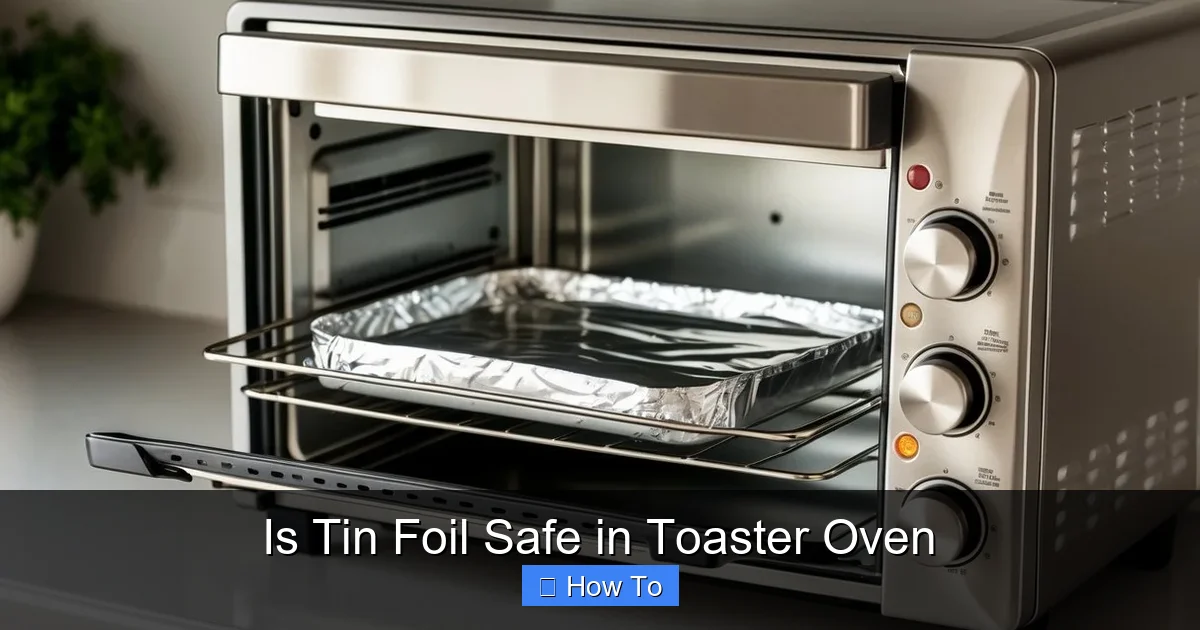
Using tin foil in a toaster oven can be safe if you follow a few simple rules. The main risks involve fire hazards from foil touching heating elements and chemical leaching from acidic foods. Always use heavy-duty foil, avoid covering vents, and keep foil away from the heating elements. With these precautions, you can safely use foil for lining pans, wrapping foods, and more.
Picture this: you’re making a quick dinner in your toaster oven, and you want to line the pan for easy cleanup. You reach for the aluminum foil, but then you pause. Is this actually safe? You’re not alone in this dilemma. Many home cooks wonder about using tin foil in their toaster ovens, and the answer isn’t as straightforward as you might think.
The good news is that with the right precautions, you can use tin foil safely in most toaster ovens. However, there are important risks to understand before you start wrapping everything in shiny metal. Let’s dive into the details so you can use your toaster oven with confidence and safety.
Key Takeaways
- Fire Hazard: Foil touching heating elements can cause sparks or fires.
- Proper Placement: Always keep foil at least 1-2 inches away from heating elements.
- Heavy-Duty Foil: Use thick, heavy-duty aluminum foil instead of thin, cheap varieties.
- Avoid Acidic Foods: Don’t use foil with tomatoes, citrus, or other acidic items to prevent leaching.
- Check Your Manual: Some toaster oven brands explicitly prohibit foil use.
- Alternative Options: Consider parchment paper or oven-safe liners for safer alternatives.
- Monitor Closely: Never leave foil in a toaster oven unattended during use.
📑 Table of Contents
Understanding the Risks of Tin Foil in Toaster Ovens
Before we talk about how to use foil safely, it’s crucial to understand why it can be problematic in the first place. Toaster ovens work differently than regular full-sized ovens, and this affects how foil behaves during cooking.
The Heating Element Problem
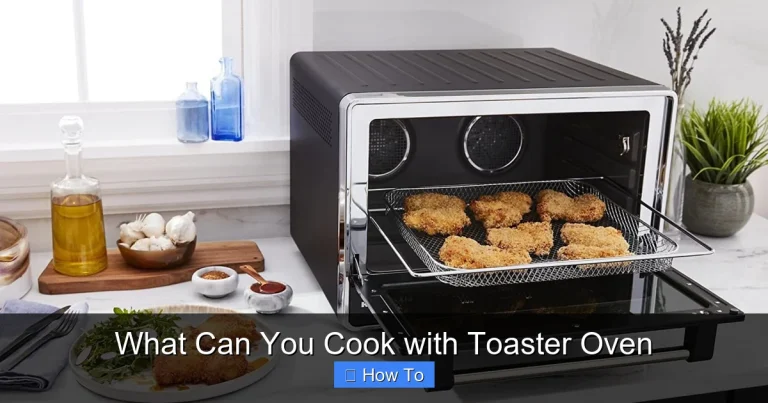
The biggest safety concern with tin foil in a toaster oven is its proximity to the heating elements. Unlike conventional ovens where heating elements are hidden at the top and bottom, toaster ovens have exposed heating coils that get very close to the cooking chamber. If foil touches these elements, it can cause sparks, smoke, or even start a fire. This is especially true in smaller toaster ovens where space is limited.
Chemical Leaching Concerns
Another risk involves chemical leaching. When aluminum foil comes into contact with acidic foods like tomatoes, citrus fruits, or vinegar-based marinades, small amounts of aluminum can transfer into your food. While the amounts are generally considered safe for most people, some individuals prefer to avoid aluminum exposure, particularly those with kidney issues or certain health conditions.
When It’s Safe to Use Tin Foil
Despite these risks, there are many situations where using tin foil in your toaster oven is perfectly safe. The key is knowing when and how to use it properly.
Visual guide about Is Tin Foil Safe in Toaster Oven
Image source: tastylicious.com
Safe Uses for Tin Foil
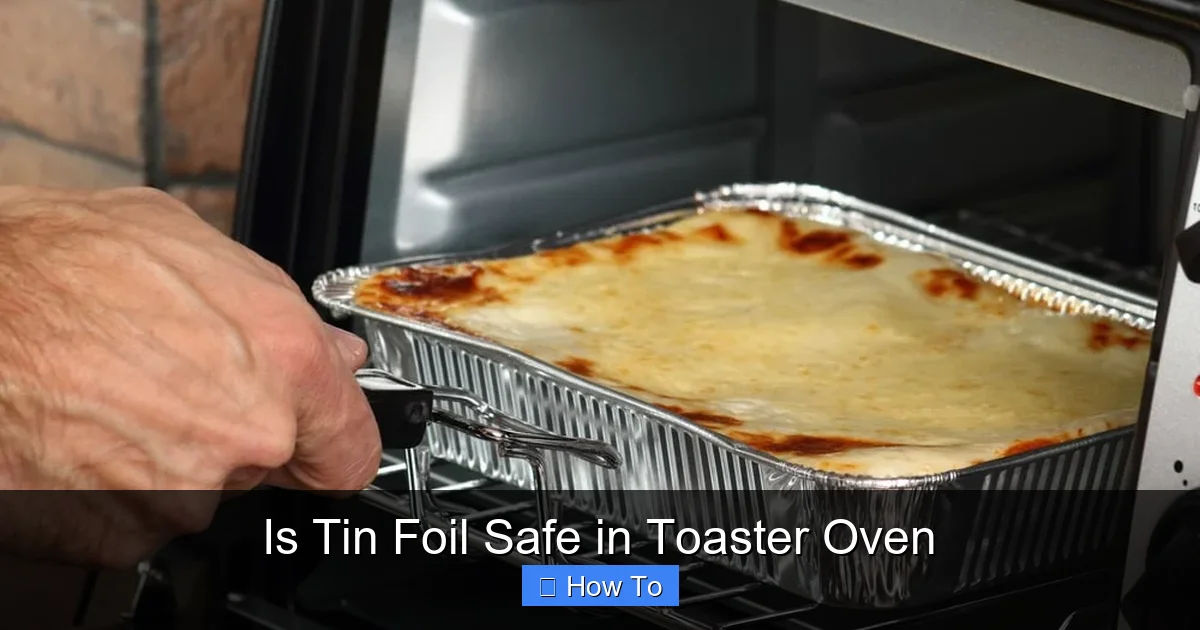
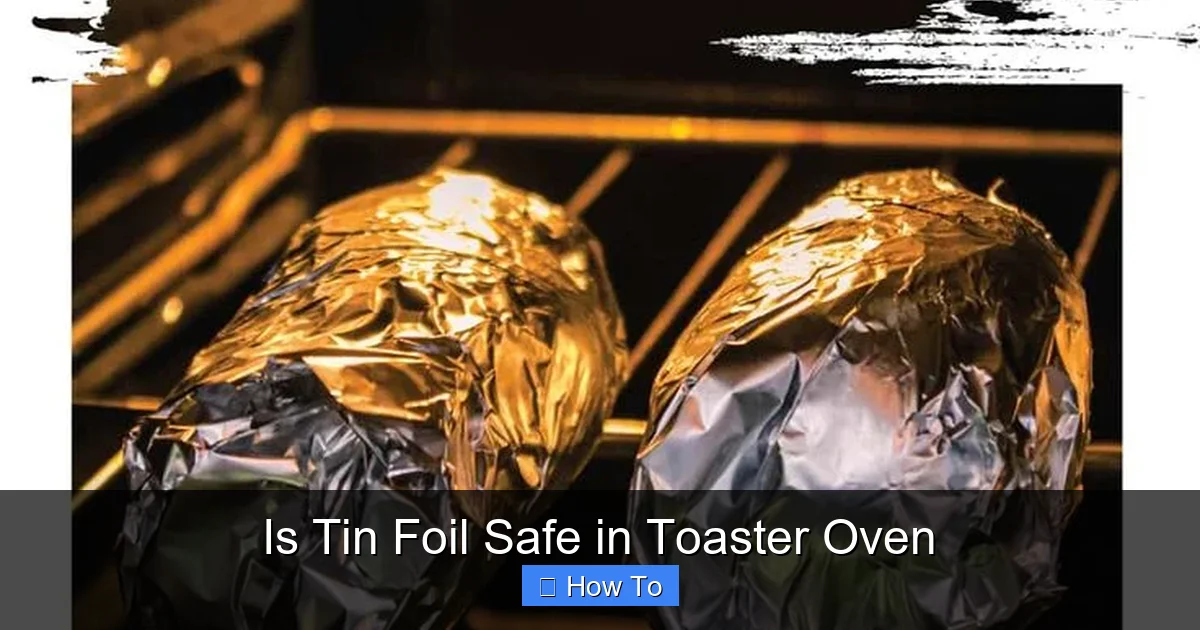
You can safely use tin foil for lining baking sheets when cooking foods that aren’t acidic. This includes most meats, vegetables, and starches. Foil is excellent for creating packets for fish or chicken, helping to lock in moisture and flavor. It’s also great for catching drips and spills, making cleanup much easier.
When wrapping foods, make sure the foil is properly sealed to prevent any contact with heating elements. For delicate foods like fish or vegetables, create a pouch by folding the foil tightly on all sides. This not only protects the food but also creates a barrier between the foil and your toaster oven’s interior.
Choosing the Right Type of Foil
Not all aluminum foil is created equal. For toaster oven use, always choose heavy-duty foil rather than standard or thin varieties. Heavy-duty foil is less likely to tear or warp, providing better protection and more consistent results. If you’re using foil for lining pans, make sure it extends slightly up the sides to catch any splatters without blocking vents or air circulation.
When to Avoid Tin Foil Entirely
There are certain situations where it’s best to avoid tin foil altogether in your toaster oven. Knowing these scenarios will help you make safer choices in the kitchen.
Visual guide about Is Tin Foil Safe in Toaster Oven
Image source: i.pinimg.com
High-Temperature Cooking
If you’re planning to cook at very high temperatures, it’s best to skip the foil. At temperatures above 400°F (204°C), aluminum foil becomes more reactive and may break down faster, increasing the risk of contamination or damage to your appliance. For high-heat cooking, consider using parchment paper or a properly seasoned baking sheet instead.
Acidic Foods and Marinades
As mentioned earlier, acidic foods should never come into direct contact with aluminum foil. This includes tomatoes, citrus fruits, vinegar, wine, and yogurt-based marinades. If you need to cook these items, transfer them to an oven-safe dish first, then place the dish in your toaster oven. You can still use foil underneath the dish to catch any drips, just ensure the foil doesn’t touch the food directly.
Brands That Prohibit Foil Use
Some toaster oven manufacturers explicitly advise against using aluminum foil. Always check your user manual before using foil. Brands like certain Breville and Cuisinart models may have specific guidelines or warnings. If your manual doesn’t mention foil, it’s generally safe to use with proper precautions, but when in doubt, err on the side of caution.
Best Practices for Safe Foil Use
Now that we’ve covered the risks and safe scenarios, let’s look at specific best practices to ensure you use tin foil safely and effectively in your toaster oven.
Visual guide about Is Tin Foil Safe in Toaster Oven
Image source: howdykitchen.com
Proper Placement Techniques
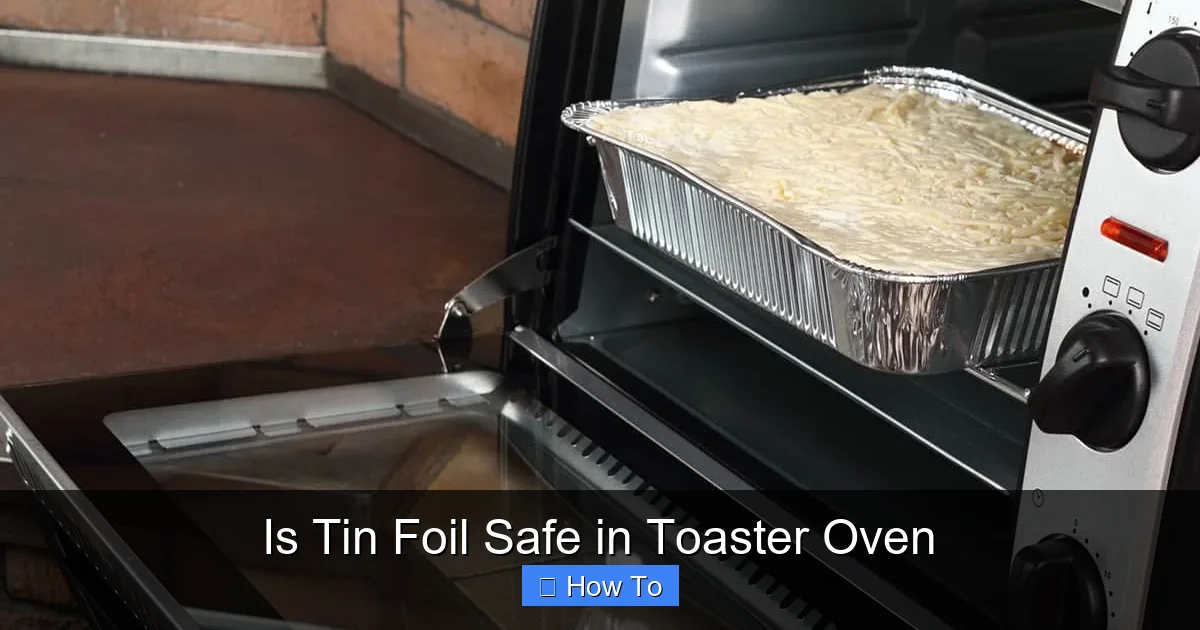
The golden rule for using foil is to keep it away from heating elements. Always position foil-lined pans or packets so they don’t touch the top or bottom heating coils. In most toaster ovens, this means using the middle rack position and ensuring your foil-lined items are at least 1-2 inches away from the elements. If your toaster oven has convection fans, make sure foil doesn’t block the air vents.
Creating Effective Foil Liners
When lining pans with foil, don’t just lay it flat. Mold the foil to fit the pan’s contours, leaving slight overhangs on the sides for easy removal. This prevents foil from shifting during cooking and reduces the risk of touching heating elements. For pans with raised edges, crimp the foil over the edges to create a secure fit that won’t slip around.
Monitoring and Supervision
Never leave foil in a toaster oven unattended, especially during the first few uses. Keep an eye on the cooking process to catch any issues early. If you notice smoke, sparks, or unusual odors, immediately turn off the appliance and remove the foil. This is particularly important when you’re trying foil for the first time or using a new recipe.
Alternatives to Tin Foil
Sometimes the safest option is to avoid foil altogether. Fortunately, there are several excellent alternatives that can help you achieve similar results without the risks.
Parchment Paper
Parchment paper is one of the best substitutes for tin foil. It’s heat-resistant, creates a non-stick surface, and makes cleanup a breeze. You can buy pre-cut parchment rounds that fit perfectly in toaster oven pans, or cut sheets to size. Unlike foil, parchment won’t react with acidic foods and poses no risk of chemical leaching.
Silicone Baking Mats
Silicone baking mats offer another reusable, safe alternative. These mats are oven-safe up to typically 450°F (232°C) and provide excellent non-stick properties. While they don’t create the same “wrapped” effect as foil, they’re perfect for lining baking sheets and preventing sticking. Plus, they’re environmentally friendly since they can be washed and reused many times.
Properly Seasoned Baking Sheets
For many cooking tasks, you don’t need any liner at all. A well-seasoned baking sheet provides excellent non-stick properties naturally. If you regularly cook sticky foods like roasted vegetables or cookies, consider investing in a good-quality aluminum or steel baking sheet that you season properly. This eliminates the need for any liners while providing reliable performance.
Conclusion: Making Informed Choices
So, is tin foil safe in a toaster oven? The answer is yes, with important caveats. By understanding the risks and following the best practices we’ve discussed, you can safely use aluminum foil for many cooking tasks. Remember to keep foil away from heating elements, avoid acidic foods, and always monitor your toaster oven when using foil.
The key is to make informed choices based on what you’re cooking and your specific toaster oven model. When in doubt, opt for safer alternatives like parchment paper or silicone mats. Your safety and the longevity of your appliance are worth the extra effort.
With these guidelines in mind, you can confidently use your toaster oven for quick, convenient meals while minimizing risks. Happy cooking!
Frequently Asked Questions
Can I use regular aluminum foil in my toaster oven?
Yes, but it’s best to use heavy-duty foil for better durability and safety. Regular foil may tear more easily and increase the risk of touching heating elements.
What should I do if my foil starts smoking in the toaster oven?
Immediately turn off the toaster oven and unplug it if possible. Remove the foil carefully using oven mitts, and let the appliance cool down before investigating what caused the issue.
Is it safe to wrap food directly in foil for toaster oven cooking?
Can I use foil to line the bottom of my toaster oven for easy cleanup?
It’s generally not recommended to line the bottom of a toaster oven with foil, as this can block vents and increase fire risk. Instead, use foil-lined pans or place a foil-lined baking sheet on the middle rack.
How far should foil be from the heating elements?
Aim to keep foil at least 1-2 inches away from the top and bottom heating elements. This buffer zone prevents sparks and ensures even cooking without overheating the foil.
Are there any toaster oven brands where foil is completely prohibited?
Some models, particularly certain Breville and Cuisinart toaster ovens, may explicitly advise against foil use. Always check your user manual for manufacturer guidelines before using foil in your specific appliance.