What to Put Under Toaster Oven
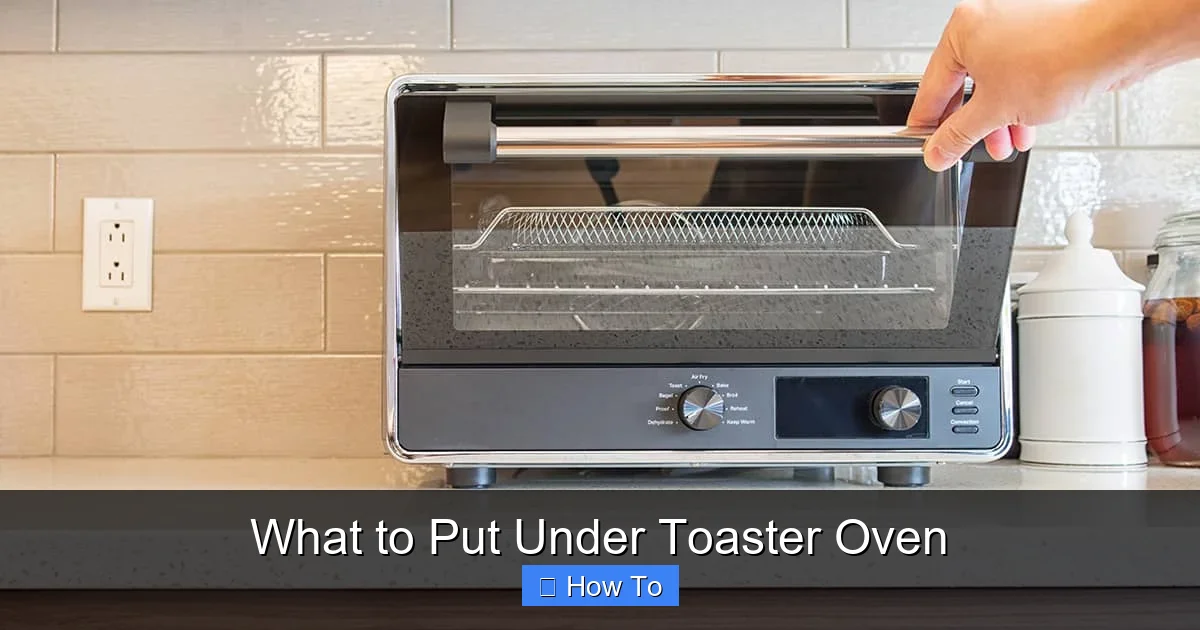
Choosing the right surface under your toaster oven protects countertops from heat, spills, and scratches while ensuring safe operation. This guide explains what to put under toaster oven appliances, from silicone mats to DIY solutions, so you can cook with confidence.
When you bring a new toaster oven into your kitchen, the excitement of quick meals and crispy snacks can overshadow one important detail: what to put under toaster oven units. The surface beneath the appliance does more than just look tidy; it shields your countertop from heat, prevents scratches, and catches crumbs or spills that could become a fire hazard. Choosing the wrong material can lead to warped countertops, melted plastics, or even a kitchen accident.
In this article we’ll walk you through everything you need to know about what to put under toaster oven setups. We’ll explain why the right base matters, list the safest and most effective materials, share DIY alternatives you probably already have at home, highlight what to avoid, and give you maintenance tips to keep both your toaster oven and countertop in top shape. By the end, you’ll feel confident selecting the perfect foundation for your countertop cooking companion.
Key Takeaways
- Heat resistance is essential: The material must withstand temperatures up to 450°F without warping or melting.
- Silicone mats offer the best all‑round protection: They are non‑slip, easy to clean, and safe for most toaster ovens.
- Heat‑resistant trivets and ceramic tiles work well: Provide a sturdy base and add a touch of style to your kitchen.
- Avoid plastics, paper, and cloth: These can melt, catch fire, or trap moisture under the appliance.
- Regular cleaning extends lifespan: Wipe the surface after each use and deep‑clean weekly to prevent buildup.
📑 Table of Contents
Why the Surface Under Your Toaster Oven Matters
Understanding the role of the base is the first step in deciding what to put under toaster oven appliances. Heat generated during baking, broiling, or air‑frying radiates downward, and even the best insulated toaster ovens can raise the temperature of the surface they sit on. A proper barrier prevents that heat from damaging laminate, wood, or stone countertops.
Heat Resistance and Safety
The primary function of what to put under toaster oven units is to resist heat. Most toaster ovens operate between 200°F and 450°F, with broil settings pushing the top elements even hotter. A heat‑resistant mat or trivet keeps the temperature at the countertop level well below the damage threshold, reducing the risk of discoloration, cracking, or fire.
Protecting Your Countertop
Beyond heat, crumbs, grease, and liquid spills can accumulate beneath the appliance. If left unchecked, these residues can stain surfaces, attract pests, or create unpleasant odors. A washable barrier makes cleanup simple and helps maintain a hygienic cooking area. Additionally, a non‑slip base prevents the toaster oven from shifting during use, which is especially important when you’re handling hot trays.
Best Materials to Use Under a Toaster Oven
Now that we’ve established why the base is important, let’s explore the top options for what to put under toaster oven setups. Each material offers a balance of heat resistance, durability, ease of cleaning, and aesthetics.
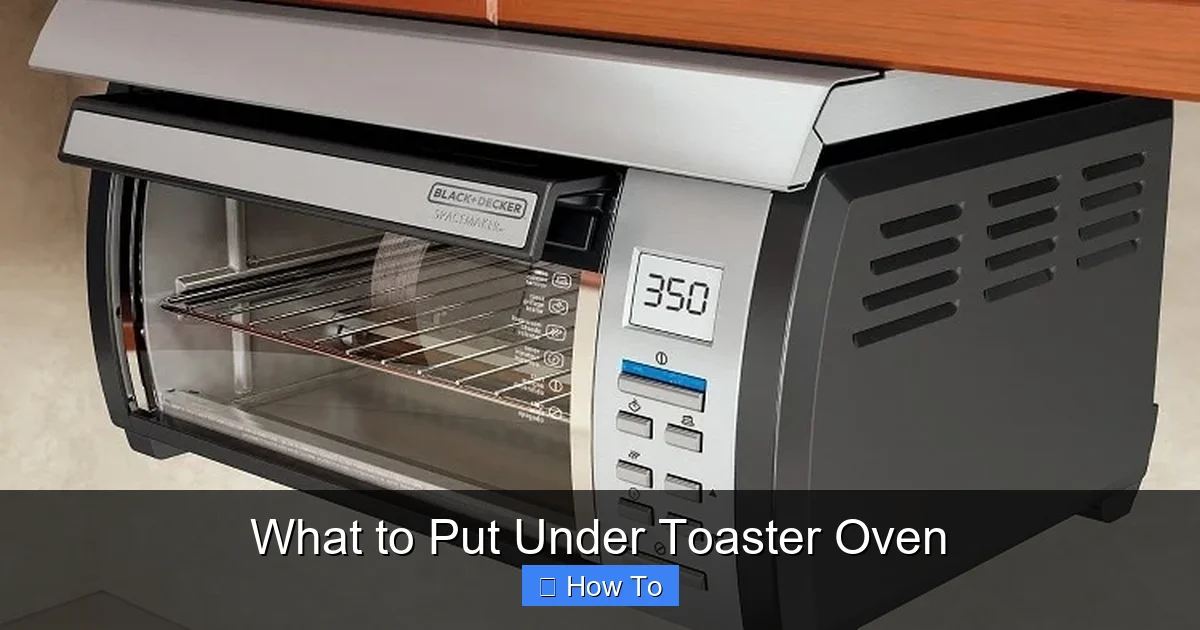
Visual guide about What to Put Under Toaster Oven
Image source: easykitchenappliances.com
Silicone Mats
Silicone mats are arguably the most popular choice for what to put under toaster oven appliances. They can tolerate temperatures up to 500°F, are flexible enough to fit any shape, and provide a non‑slip surface that keeps the oven steady. Cleaning is a breeze—just wipe with a damp cloth or toss them in the dishwasher. Many silicone mats also feature raised edges that catch crumbs, making them a practical all‑in‑one solution.
When selecting a silicone mat, look for food‑grade, BPA‑free options. Some brands even offer extra‑thick versions for added insulation. If you frequently use the air‑fryer function, a silicone mat helps prevent hot oil from splattering onto your countertop.
Heat‑Resistant Trivets
Trivets made from stainless steel, cast iron, or tempered glass are another excellent answer to what to put under toaster oven needs. Metal trivets distribute heat evenly and are virtually indestructible. Glass trivets, while stylish, should be tempered to withstand sudden temperature changes. Place a trivet directly under the oven’s feet or use a larger one that extends beyond the appliance for extra coverage.
One advantage of trivets is their aesthetic appeal. A brushed stainless steel trivet can complement modern kitchen décor, while a vintage cast‑iron piece adds a rustic charm. Just ensure the trivet’s feet are smooth to avoid scratching delicate countertops.
Ceramic Tiles
If you enjoy a custom look, ceramic tiles serve as a sturdy and attractive base for what to put under toaster oven units. Choose tiles rated for high heat (often used behind stoves) and set them in a simple grid or a single large slab. Ceramic does not conduct heat as quickly as metal, so it stays cooler to the touch, adding an extra layer of safety.
Installation is straightforward: clean the countertop, apply a thin layer of heat‑resistant adhesive if desired, and lay the tiles. Grout lines can be sealed to prevent moisture buildup. The downside is that ceramic can crack if subjected to heavy impact, so handle with care.
Metal Baking Sheets
A heavy‑gauge aluminum or stainless steel baking sheet can double as a practical base for what to put under toaster oven appliances. These sheets are already designed to withstand oven temperatures, making them a reliable, low‑cost option. Place the sheet directly under the oven, ensuring it sits flat and does not wobble.
Baking sheets are especially useful if you already own several for cooking; you can dedicate one solely as a protective base. They are easy to slide out for cleaning, and any spills are contained within the sheet’s edges. Just avoid thin, warped sheets that could tip the oven.
DIY Solutions and Household Items
If you’re looking for a quick fix or want to save money, several everyday items can work as what to put under toaster oven bases—provided they meet heat‑resistance criteria.
Cutting Boards
A thick wooden or bamboo cutting board can serve as a temporary base, but caution is required. Wood can scorch or crack if exposed to prolonged high heat, so only use it for low‑temperature tasks like warming bread or reheating leftovers. Always check the manufacturer’s guidelines for your toaster oven’s maximum temperature and keep an eye on the board for any signs of damage.
Old Baking Sheets
Repurposing an old, heavy‑duty baking sheet is a smart way to answer what to put under toaster oven needs without buying anything new. As long as the sheet is flat and free of rust, it provides the same heat resistance as a purpose‑made mat. This approach is both eco‑friendly and budget‑conscious.
Wooden Boards with Metal Inserts
For a hybrid solution, attach a thin stainless‑steel or aluminum sheet to the underside of a wooden board. The metal layer handles the heat, while the wood provides a pleasing aesthetic and extra stability. Ensure the metal is securely fastened and does not overhang the wood, which could create a fire risk.
What NOT to Put Under a Toaster Oven
Knowing what to avoid is just as important as knowing what to put under toaster oven appliances. Certain materials can melt, ignite, or release harmful fumes when exposed to the oven’s heat.
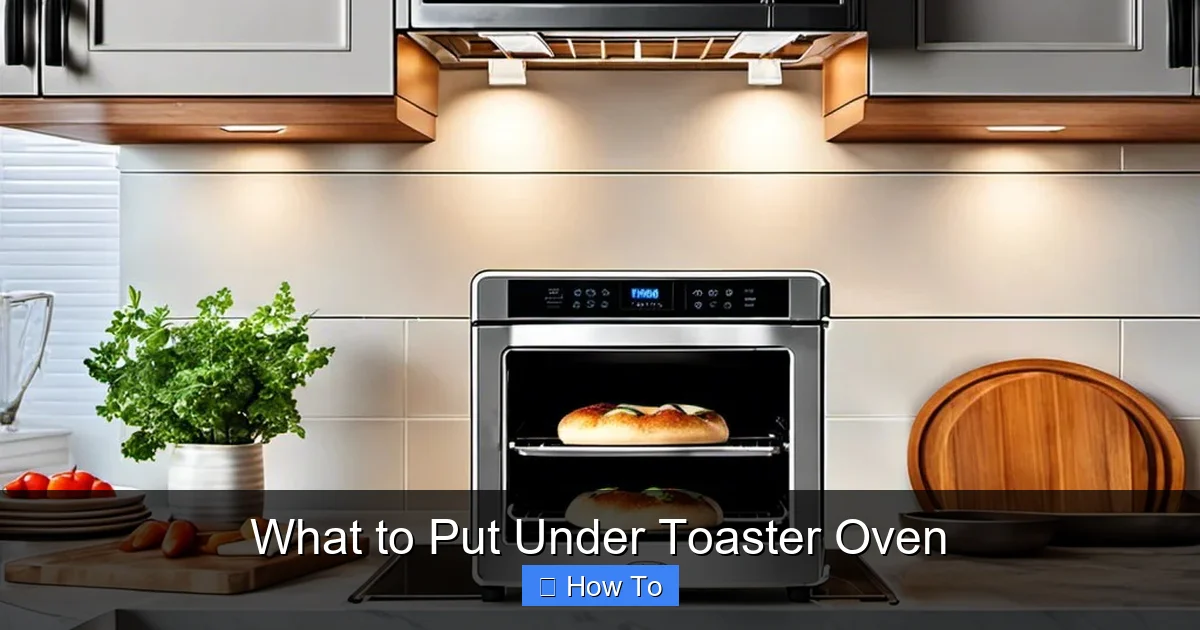
Visual guide about What to Put Under Toaster Oven
Image source: industrystandarddesign.com
Plastics and Polyethylene
Plastic cutting boards, storage containers, or disposable trays should never be used as a base. Most plastics begin to soften around 200°F and can melt or release toxic chemicals at higher temperatures. Even “microwave‑safe” plastics are not designed for direct oven heat.
Paper Towels and Parchment Paper
While parchment paper is great inside the oven for lining trays, it is unsuitable as a base beneath the appliance. Paper can ignite if it comes into contact with a hot element or if grease accumulates and reaches its ignition temperature. The same goes for paper towels, napkins, or any disposable paper product.
Cloth Towels and Fabric Mats
Fabric may seem like a soft, absorbent option, but it poses a serious fire hazard. Cotton, linen, or synthetic fibers can catch fire at temperatures as low as 400°F, especially if oil or grease soaks into the fibers. Always keep cloth away from the heat zone of your toaster oven.
Maintenance and Cleaning Tips
Even the best base for what to put under toaster oven setups needs regular care to stay effective and hygienic.
Regular Wipe Down
After each use, allow the toaster oven to cool slightly, then wipe the base with a damp cloth to remove crumbs and grease. For silicone mats, a quick rinse under warm water usually suffices. Metal trivets and baking sheets can be cleaned with mild dish soap and a non‑abrasive sponge.
Deep Cleaning the Base
Once a week, give the base a more thorough cleaning. Soak silicone mats in warm, soapy water for 10‑15 minutes, then scrub gently. For metal trivets, use a paste of baking soda and water to tackle stubborn stains, then rinse and dry. Ceramic tiles can be cleaned with a tile‑safe cleaner; avoid abrasive pads that could scratch the glaze.
If you notice any warping, discoloration, or lingering odors, replace the base immediately. A compromised barrier can no longer protect your countertop effectively.
Final Recommendations and Product Picks
Choosing the right base for what to put under toaster oven appliances ultimately depends on your cooking habits, kitchen style, and budget. Below are some top picks that consistently receive high marks for safety and performance.
Top Silicone Mats
Look for mats that are at least 0.8 inches thick, feature a non‑slip texture, and have raised edges. Brands such as OXO Good Grips and Silpat offer oven‑safe silicone mats that fit most standard toaster ovens. They are dishwasher safe and retain flexibility even after repeated use.
Best Trivets
For a sleek, modern look, consider a brushed stainless‑steel trivet from SimpleHouseware. If you prefer a rustic vibe, a Lodge cast‑iron trivet provides excellent heat distribution and lasts a lifetime. Both options are easy to clean and provide a stable platform.
Budget‑Friendly Options
If you’re watching your wallet, a heavy‑gauge aluminum baking sheet from Nordic Ware works well as a base. Pair it with a silicone mat underneath for extra slip resistance. Alternatively, repurpose an old ceramic tile from a home‑improvement project—just ensure it’s rated for high heat.
Before making a purchase, measure the footprint of your toaster oven and add a couple of inches on each side for overhang. This extra coverage catches any stray crumbs and gives you room to maneuver trays without hitting the edge of the base.
By now you should have a clear answer to the question of what to put under toaster oven setups. Whether you opt for a silicone mat, a metal trivet, a ceramic tile, or a clever DIY solution, the key is to prioritize heat resistance, stability, and ease of cleaning. With the right base in place, you can enjoy all the convenience of your toaster oven while keeping your countertop looking pristine.
Happy cooking!
Frequently Asked Questions
Can I use a glass cutting board under my toaster oven?
A tempered glass cutting board can work as a base if it is rated for high heat and placed securely. However, regular glass may crack under rapid temperature changes, so always check the manufacturer’s specifications before using it as what to put under toaster oven appliances.
How often should I replace the base under my toaster oven?
Replace the base whenever you notice warping, discoloration, melting, or persistent odors that cleaning cannot remove. For silicone mats, this is typically every 6‑12 months with regular use; metal trivets and ceramic tiles can last several years if cared for properly.
Is it safe to put a silicone mat directly on a granite countertop?
Yes, a food‑grade silicone mat is safe on granite because it does not scratch the surface and provides heat protection. Ensure the mat lies flat and does not trap moisture underneath, which could lead to staining over time.
Can I use a wooden cutting board if I only toast bread at low temperatures?
Using a wooden cutting board for low‑temperature tasks like warming bread is generally acceptable, but monitor the board for any signs of drying or cracking. For higher heat settings, switch to a silicone mat or metal trivet to avoid fire risk.
What size should the base be compared to my toaster oven?
The base should be at least as large as the toaster oven’s footprint, preferably extending 1‑2 inches beyond each side. This overhang catches crumbs, provides stability, and ensures the oven does not hang over the edge of the protective surface.
Does the base affect the performance of my toaster oven?
A proper base does not negatively impact performance; it simply protects the countertop. Avoid using overly thick or insulating materials that could block ventilation vents located on the bottom of the oven, as this could cause overheating.