What Does Turbo Mean on Toaster Oven
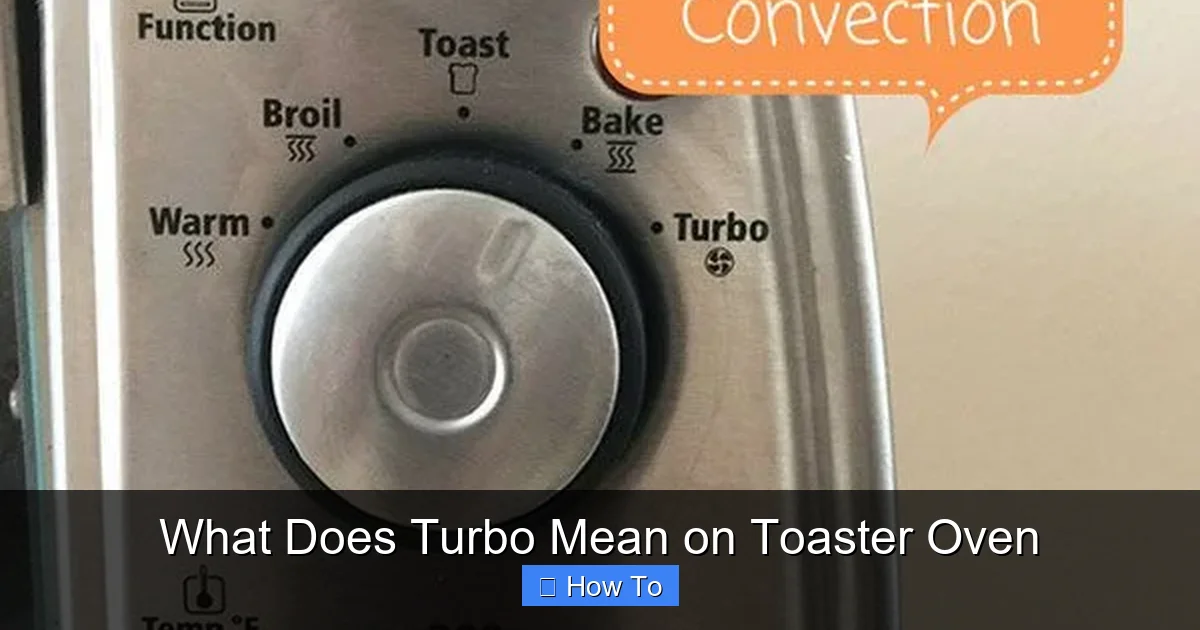
Turbo on a toaster oven activates a high‑speed convection fan that circulates hot air, cutting cooking time and delivering evenly browned, crispy results. Understanding this feature helps you choose the right settings for baking, roasting, or reheating while saving energy.
Turbo is a term you’ll see on many modern toaster ovens, but what does it actually do? If you’ve ever pressed the turbo button and wondered why your food finished faster—or why the manual mentions it only briefly—you’re not alone. This article breaks down the turbo function in plain language, explains how it works, and shows you how to get the most out of it without ruining your meals.
Key Takeaways
- Turbo means enhanced convection: a powerful fan moves hot air rapidly around the food for faster, more uniform cooking.
- It reduces cook time by up to 30%: ideal for frozen snacks, pizza, and roasted vegetables when you need speed.
- Best for foods that benefit from crisp exteriors: fries, chicken wings, and pastries turn out golden without soggy spots.
- Avoid turbo for delicate items: custards, soufflés, or thin cookies may over‑cook or dry out.
- Adjust temperature and time: lower the set temperature by 25°F and check food early to prevent overcooking.
- Keep the fan clean: regular maintenance ensures the turbo function works efficiently and safely.
- Turbo differs from standard convection: it uses a higher fan speed, giving a noticeable boost in heat transfer.
📑 Table of Contents
How Turbo Works in a Toaster Oven
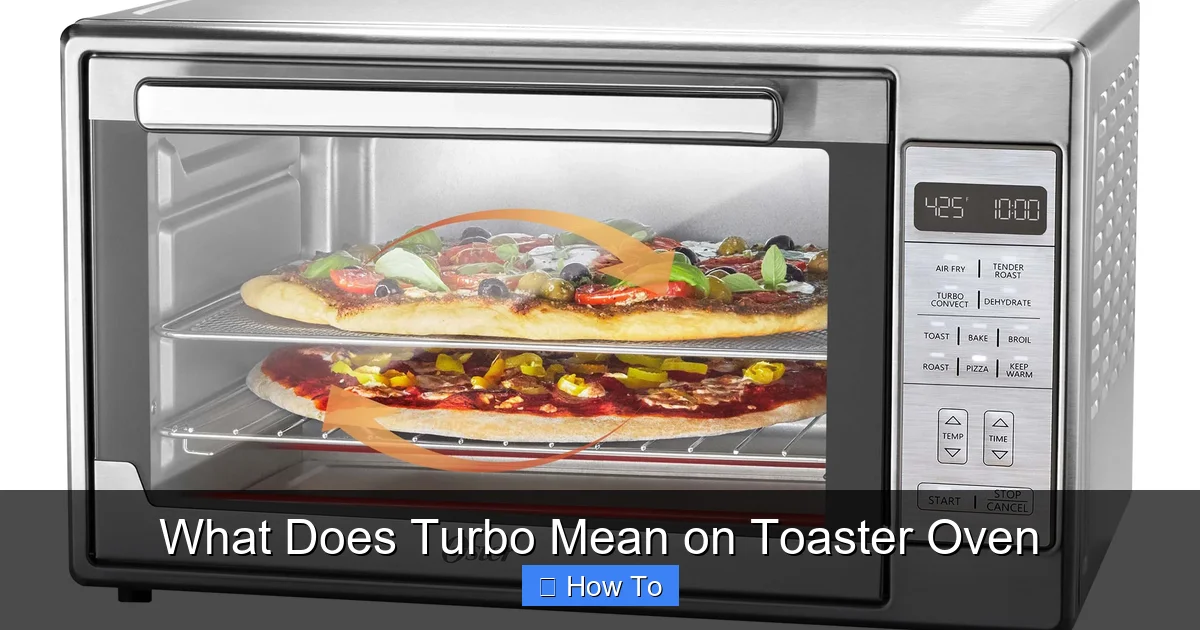
When you select turbo, the oven engages its convection fan at a higher speed than the regular bake or convection setting. The fan pulls hot air from the heating elements and forces it to circulate rapidly around the cooking chamber. This constant movement of air transfers heat to the food more efficiently than still air, which is why cooking times drop and browning improves.
The Role of the Convection Fan
The fan is the heart of turbo mode. In a standard toaster oven, heat rises and creates hot spots near the top element. The turbo fan disrupts that stratification, pushing heated air downwards and sideways. As a result, every part of the food receives a similar amount of heat, reducing the need to rotate pans or flip items halfway through.
Heat Distribution and Speed
Because the air is moving faster, the surface of the food loses moisture more quickly, leading to quicker Maillard reactions—the chemical process that gives browned, flavorful crusts. Internally, the food still cooks through conduction from the hot air, but the exterior reaches the desired temperature sooner. This dual effect is why turbo is prized for items that benefit from a crisp exterior and a moist interior, like roasted chicken thighs or frozen french fries.
Benefits of Using Turbo Mode
Visual guide about What Does Turbo Mean on Toaster Oven
Image source: cdn.cs.1worldsync.com
Using turbo isn’t just about speed; it brings several practical advantages that can improve everyday cooking.
Faster Cooking Times
Most manufacturers claim turbo can cut cooking time by 20‑30% compared to standard bake. For busy households, this means you can pull a tray of nachos out of the oven in 8 minutes instead of 12, or bake a small batch of cookies in 9 minutes rather than 13. If you often reheat leftovers, turbo gets them hot and crisp without the soggy microwave texture.
Even Browning and Crispiness
The constant airflow eliminates the typical “hot spot” problem where one side of a tray browns faster than the other. Foods like pizza rolls, egg rolls, or breaded fish sticks emerge uniformly golden. This is especially helpful when you’re cooking multiple items on a single rack, as the fan ensures each piece gets similar exposure.
Energy Efficiency
Because turbo finishes food faster, the oven runs for a shorter period, which can lower overall energy consumption. Even though the fan uses a small amount of electricity, the reduction in heating time usually outweighs that cost, making turbo a greener choice for quick meals.
When to Use Turbo (and When Not To)
Visual guide about What Does Turbo Mean on Toaster Oven
Image source: m.media-amazon.com
Knowing the right moments to engage turbo helps you avoid common pitfalls like dried‑out cakes or burnt edges.
Ideal Foods for Turbo
– Frozen convenience foods: pizza rolls, mozzarella sticks, fish nuggets.
– Fresh vegetables: Brussels sprouts, sweet potato cubes, zucchini slices (tossed in oil).
– Proteins that benefit from a crust: chicken wings, drumsticks, pork chops, salmon fillets.
– Baked goods that need a crisp top: biscuits, scones, granola bars.
– Reheating leftovers: fried rice, stir‑fried noodles, roasted meats.
Foods to Avoid
– Delicate batters: soufflés, custards, flan, or cheesecakes can collapse or over‑set.
– Thin cookies or pastries: they may spread too much and burn before the interior sets.
– Foods covered with foil or a lid: the fan can’t circulate air effectively, negating turbo’s benefit.
– Large roasts that need slow, low heat: a whole turkey or a big beef roast is better suited to a low‑and‑slow bake setting.
Adjusting Recipes
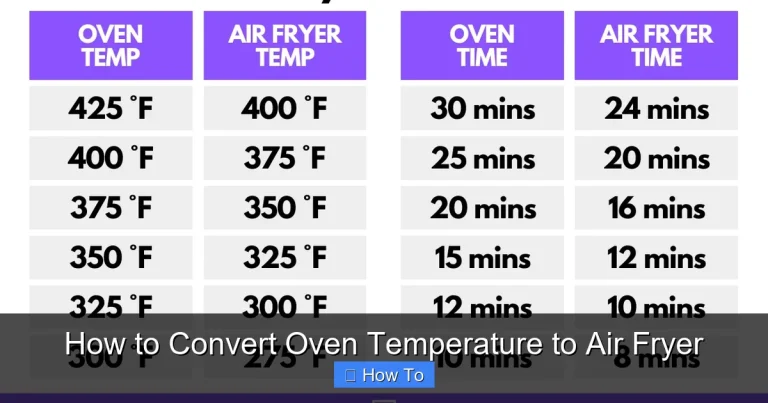
When adapting a conventional oven recipe for turbo, lower the temperature by about 25°F (≈15°C) and begin checking for doneness 5‑10 minutes earlier than the original time suggests. For example, if a recipe calls for baking at 400°F for 20 minutes, try 375°F with turbo and start checking at 12 minutes. Keep a notebook of adjustments for your favorite dishes; over time you’ll develop a personal turbo cheat sheet.
Turbo vs. Other Settings (Bake, Broil, Convection)
Visual guide about What Does Turbo Mean on Toaster Oven
Image source: id-test-11.slatic.net
Understanding how turbo compares to the other modes on your toaster oven helps you pick the best tool for each job.
Turbo vs. Bake
Bake relies on stationary heat from the top and bottom elements. It’s gentle and ideal for cakes, breads, and casseroles where you want a slow, even rise. Turbo adds a high‑speed fan, which speeds up heat transfer and creates a crisper exterior. Use bake when you need tenderness; choose turbo when you want speed and crunch.
Turbo vs. Broil
Broil directs intense heat from the top element only, perfect for melting cheese or giving a quick sear. Turbo, by contrast, heats from all sides while moving air, giving a more balanced cook. If you need to brown the top of a dish without overcooking the interior, broil is still the go‑to; turbo excels when you want all‑around browning and faster overall cook time.
Turbo vs. Standard Convection
Many toaster ovens label a middle setting as “convection,” which runs the fan at a moderate speed. Turbo pushes that fan to its maximum RPM, delivering a noticeable boost in airflow. Think of convection as a comfortable cruise and turbo as a sport mode—both use the same fan, but turbo gives you that extra push when you’re in a hurry.
Practical Tips for Getting the Best Results
A few simple habits can make turbo work even better for you.
Preheating and Placement
Preheat the oven with turbo engaged for 3‑5 minutes before loading food. This ensures the fan is already at speed when the heat starts to build. Place items on the middle rack unless the manual specifies otherwise; this gives the fan room to circulate air above and below the tray. Avoid overcrowding the oven—leave at least an inch between pieces so air can flow freely.
Using the Right Bakeware
Light‑colored, shiny pans reflect heat and can slow browning, which is useful when you want to prevent over‑crisping. Dark or nonstick pans absorb heat faster and work well with turbo for extra crispness. If you’re using a silicone mat or parchment, make sure it’s rated for the oven’s maximum temperature (usually 450°F) to avoid melting or smoke.
Monitoring and Adjusting Time/Temperature
Because turbo cooks faster, set a timer for the minimum suggested time and check early. Use an instant‑read thermometer for meats—aim for the usual internal temperature (165°F for poultry, 145°F for pork) and adjust if needed. If the exterior is browning too quickly while the interior is still raw, loosely cover the food with foil and continue cooking; the foil shields the surface while the fan still circulates heat underneath.
Maintenance and Care for Turbo Function
Keeping the turbo system in top shape ensures consistent performance and longevity.
Keeping the Fan Clean
Food particles and grease can accumulate on the fan blades and housing, reducing airflow. Once a month, unplug the oven, remove the tray and rack, and wipe the fan area with a damp cloth. Avoid abrasive cleaners that could scratch the blades; a mild dish soap solution works fine.
Checking Ventilation
Make sure the vents on the back or sides of the oven aren’t blocked by cabinets or other appliances. Restricted airflow forces the motor to work harder, which can lead to overheating or premature wear. A clear vent path lets the turbo fan move air efficiently.
Troubleshooting Common Issues
If you notice that turbo no longer speeds up cooking, first check for a blocked fan or a dirty vent. Next, listen for unusual noises—a rattling fan may indicate a loose blade that needs tightening. If the oven displays an error code related to the fan, consult the user manual or contact customer support. In most cases, a simple cleaning restores full turbo power.
Conclusion
Turbo on a toaster oven is more than a fancy button; it’s a practical feature that leverages high‑speed convection to deliver faster, crispier, and more evenly cooked meals. By understanding how the fan works, knowing which foods benefit most, and adjusting your recipes accordingly, you can turn turbo into a reliable shortcut for weeknight dinners, snack prep, and even baking experiments. Keep the fan clean, respect the vents, and don’t be afraid to experiment with temperature tweaks—your toaster oven will thank you with consistently delicious results. Now that you know what turbo means on a toaster oven, go ahead and give it a spin on your next batch of frozen pizza rolls or homemade sweet potato fries, and enjoy the extra crunch and speed that only turbo can provide.
Frequently Asked Questions
What is What Does Turbo Mean On Toaster Oven?
What Does Turbo Mean On Toaster Oven is an important topic with many practical applications.