How to Cook Lobster Tail in Toaster Oven
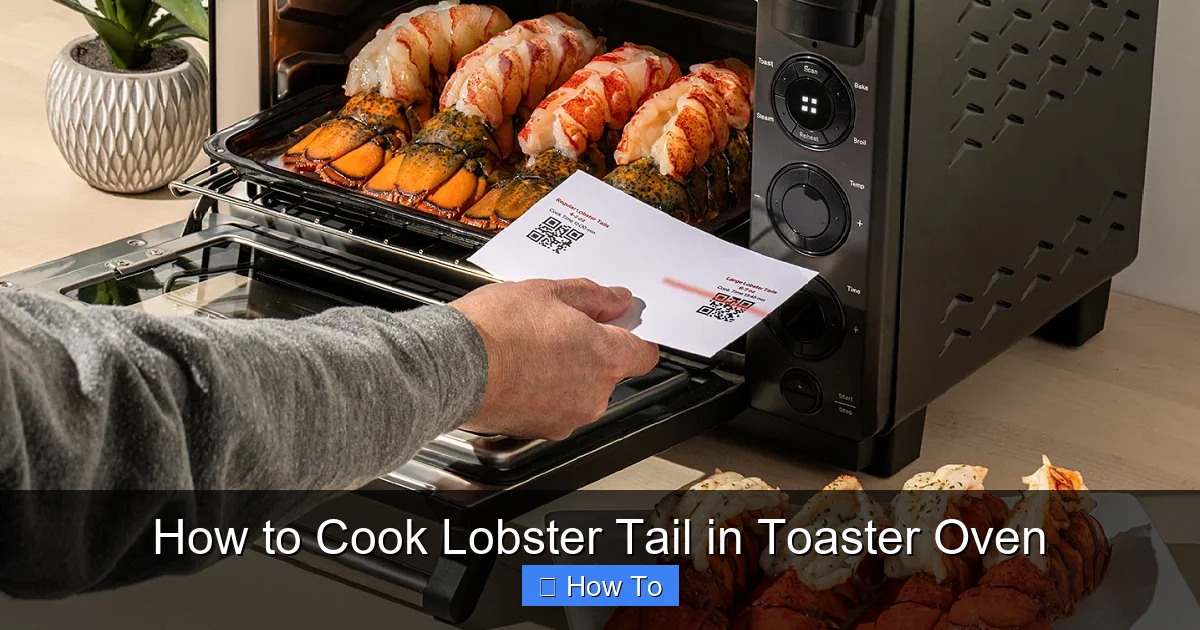
Cooking lobster tails in a toaster oven is easier than you think. This method gives you restaurant-quality seafood without needing a fancy kitchen appliance. Follow these simple steps and you’ll have buttery, succulent lobster ready in under an hour.
There is something incredibly satisfying about enjoying a perfectly cooked lobster tail right from your own kitchen counter. While many people assume that such a luxurious dish requires a high-end restaurant setting or expensive equipment, you can actually achieve restaurant-quality seafood using just a basic toaster oven. The compact size of a toaster oven makes it ideal for smaller cuts of seafood that would otherwise take up too much space in a conventional oven. In this guide, we will walk through every step needed to transform raw lobster tails into a gourmet centerpiece that will impress guests and feel truly special.
Before we dive into the cooking process, it helps to understand why the toaster oven works well for this particular delicacy. Unlike traditional ovens, toaster ovens offer precise temperature control and rapid heat circulation, which means you can cook lobster quickly without overworking the meat. Additionally, the enclosed environment traps steam, helping to keep the shell moist and the flesh tender. With careful preparation and timing, you can get golden-brown exteriors and melt-in-your-mouth interiors in no time. So grab that lobster tail, heat your oven, and let’s make some magic happen.
Key Takeaways
- Point 1: Use pre-prepared lobster tails for the best results and avoid any risk of spoilage.
- Point 2: Pat the lobster dry and season generously before baking to ensure proper browning.
- Point 3: Cook on medium-high heat to prevent the shell from becoming rubbery while keeping the meat tender.
- Point 4: Baste the lobster with melted butter or herb oil during the last few minutes of cooking.
- Point 5: Check for doneness using a reliable thermometer—lobster is done at 140°F internally.
- Point 6: Rest the lobster briefly after cooking to allow juices to redistribute before serving.
- Point 7: Pair with fresh lemon wedges and crusty bread for a complete restaurant-style meal.
📑 Table of Contents
Why Choose a Toaster Oven for Lobster?
A toaster oven might seem like a gadget for toasting bread or warming up sandwiches, but it has become a versatile tool for home chefs everywhere. When it comes to cooking lobster, this appliance offers several advantages that regular ovens simply cannot match. First, the compact footprint saves counter space—perfect if you only have one small appliance slot. Second, the adjustable temperature settings let you precisely control the heat, preventing the common problem of dried-out shells and overcooked meat. Third, toaster ovens typically operate efficiently, heating up faster than full-size ovens and freeing up more time for other tasks.
Speed and Convenience
The biggest drawback of traditional roasting lobster is time. A full-sized oven takes at least 20-30 minutes just to preheat, and then another 15-20 minutes to cook the lobster through. That adds up to nearly an hour before you’re ready to plate. A toaster oven eliminates most of this waiting period. Preheating takes only 3-5 minutes, and once the oven is hot, you can slide the lobster inside and be done within 12-15 minutes total. This efficiency means you spend less time in the kitchen and more time enjoying your meal—or entertaining friends who arrive early.
Gentle Heat Distribution
One of the secrets to cooking lobster perfectly in a toaster oven is the way heat circulates inside. Because the chamber is enclosed and the heating elements are positioned strategically, the lambost receives even warmth throughout. This uniformity is crucial because lobster is a delicate protein—it loses its signature sweetness when exposed to extreme temperatures or uneven heat distribution. Using a toaster oven allows you to maintain a consistent medium-high temperature (around 375°F) that gently cooks the meat while the exterior caramelizes beautifully. If you were to try this on a conventional countertop oven, you’d likely notice hot spots and cold corners where the lobster could either fall apart or remain undercooked.
Preparing Your Lobster Tails for the Oven
Getting your ingredients right is just as important as the cooking technique itself. There are two main approaches to preparing lobster tails for the toaster oven: using live lobsters and buying pre-killed ones from the market. Both work well, but each has its own set of considerations regarding timing and handling.

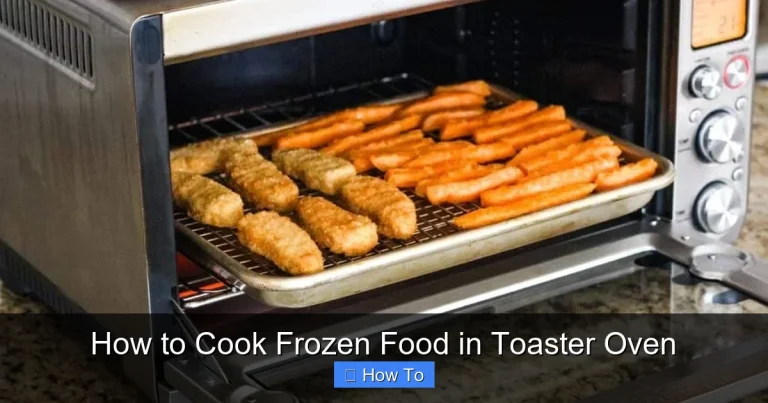
Visual guide about How to Cook Lobster Tail in Toaster Oven
Image source: vihaad.com
Choosing Fresh Lobster
If you can source fresh lobster from your local seafood market, go ahead and do it. Look for shells that are firm and bright red, with no visible signs of bleeding or discoloration. The body should feel heavy for its size, indicating high moisture content. When purchasing whole lobster tails, make sure the shell hasn’t been cracked or chipped. Live lobsters are typically sold head-on, making them easy to remove the shell later. However, if you opt for pre-packed tails, choose those labeled “fresh” or “just caught” and confirm the expiration date matches today’s date.
Cleaning and Prepping
Proper cleaning is essential before cooking. For live lobster tails, rinse them under cold running water to remove any sand or debris clinging to the shell. Avoid scrubbing too aggressively, as this can damage the delicate meat underneath. Once cleaned, pat the tails completely dry with paper towels—this step is critical because excess moisture interferes with browning. You can also trim off any remaining bits of skin near the tail base. For convenience, consider freezing the tails overnight; this firms up the texture slightly, making them easier to handle when inserting into the toaster rack.
Cooking Technique: Step-by-Step Guide
Now for the fun part—actually cooking! We’ll cover everything from initial setup to finishing touches, ensuring your lobster comes out perfectly every time.

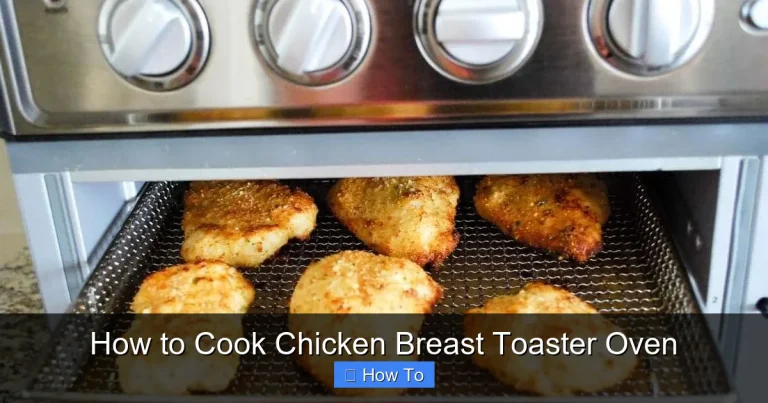
Visual guide about How to Cook Lobster Tail in Toaster Oven
Image source: blogchef.net
Preheating Your Oven
Start by preheating your toaster oven to 375°F (190°C). This temperature strikes the perfect balance between cooking speed and meat tenderness. Place a rack in the middle position to ensure even heat distribution around the lobster. Allow the oven to fully preheat for at least 3-5 minutes—these extra minutes guarantee accuracy. While the oven heats, prepare your seasoning mixture. A classic combination works wonders: salt, black pepper, a pinch of paprika, and a touch of garlic powder. Mix these into melted butter or olive oil for a flavorful coating that will enhance the final taste.
Seasoning and Coating
Lobster loves a little bit of fat to coat its surface and help with browning. Generously brush both sides of each lobster tail with your prepared seasoning blend. Make sure to cover the entire surface, including the edges where the meat meets the shell. This creates a protective barrier that locks in moisture and promotes a beautiful golden-brown crust. If you prefer a richer flavor, add zest of one lemon directly onto the lobster before applying the coating. The citrus note cuts through the richness and complements the oceanic sweetness of the crab.
Baking Time and Temperature
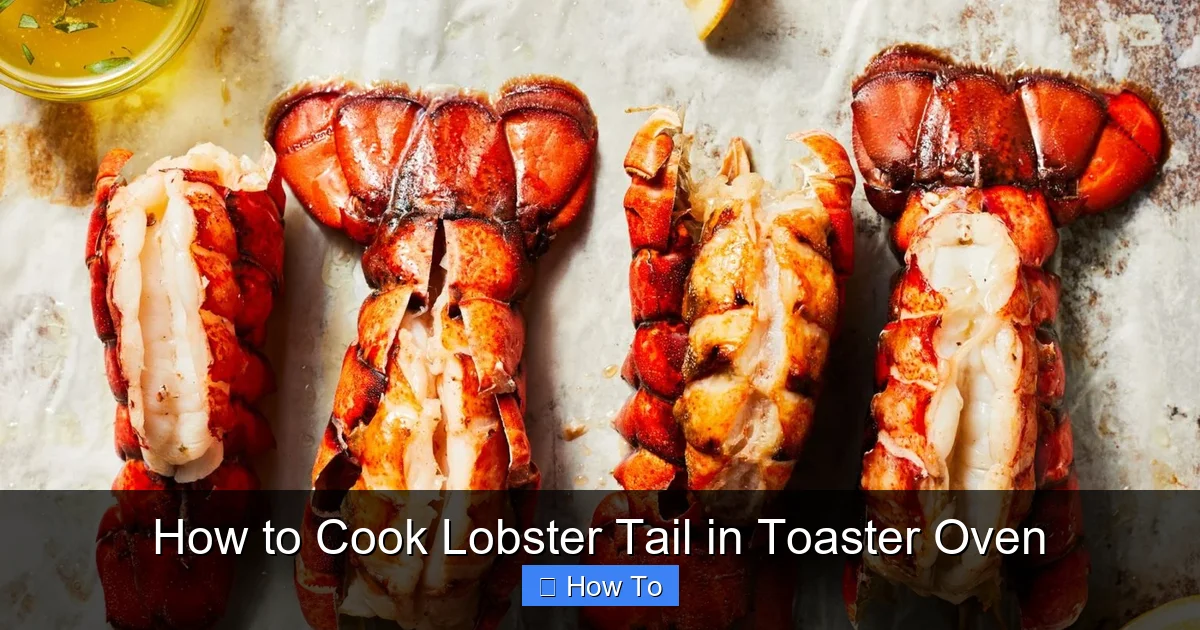
Once seasoned, place the lobster tails on a parchment-lined tray or directly on the rack, depending on your preference. Bake for approximately 12-15 minutes, checking at the 10-minute mark. The exact time depends on the size of the lobster tail—smaller tails cook faster than larger ones. The lobster is done when the exterior turns a deep orange-gold color and the meat becomes opaque throughout. A convenient way to check doneness is with a meat thermometer; insert it into the thickest part of the meat and aim for a reading of 140°F (60°C). This ensures the interior is cooked through without drying out.
Achieving Restaurant-Quality Results
Even with the right technique, it’s easy to accidentally ruin a lobster by overdone or underdone. Here are some pro tips that separate good results from great ones.
Visual guide about How to Cook Lobster Tail in Toaster Oven
Image source: blogchef.net
Avoiding Common Mistakes
The most frequent mistake home cooks make is putting the lobster in too long. Lobster is essentially a small fish, and its proteins denature relatively quickly. Overcooking leads to a tough, rubbery texture that no amount of butter can fix. To prevent this, resist the urge to add extra time based on visual cues alone. Instead, rely on the timer and thermometer. Also, never skip the drying step—too much moisture causes steaming rather than roasting, which yields soft, unflavorful results. Finally, remember that lobster shells contain a lot of air pockets; letting the meat breathe during the first few minutes of cooking helps it rise nicely.
Restaurant Secrets
Professional chefs have a few tricks up their sleeves that elevate lobster from good to exceptional. One secret involves the basting technique mentioned earlier. During the last 3-4 minutes of cooking, spray or brush melted butter, minced garlic, and chopped parsley over the lobster. This adds a bright, aromatic layer that contrasts beautifully with the rich interior. Another tip is to use a light drizzle of white wine or sherry during the final minute of baking. The alcohol evaporates quickly, leaving behind concentrated flavors that infuse the meat. These small additions mimic the techniques used in high-end lobster restaurants while requiring only minimal effort from you.
Serving and Enjoying Your Perfect Lobster
Your hard work doesn’t end when the lobster comes out of the oven. Proper presentation and accompaniments can transform a simple dinner into a memorable event.
Plating Tips
Place each lobster tail on a bed of fresh greens—such as arugula or baby spinach—for a pop of color and texture. Drizzle any pan juices or melted butter sauce over the meat before plating. Adding a wedge of fresh lemon on the side provides a bright acidic contrast that cuts through the richness. For a complete experience, consider serving alongside a crisp green salad, toasted baguette slices, or a light side like mashed potatoes or roasted vegetables. The goal is to complement the lobster rather than compete with it. Present the legs facing outward for maximum visual appeal.
Accompaniments and Side Dishes
When preparing lobster in a toaster oven, you might find yourself wondering what to serve alongside. Classic pairings include buttery corn on the cob, sautéed asparagus, or a simple quinoa salad with feta. If you want something warm, try grilled shrimp or a seared scallop for variety. For a true seaside vibe, a bowl of chilled white wine with a hint of citrus pairs wonderfully with the dish. Whatever you choose, keep the side dishes light enough to let the lobster shine as the star of the show.
In conclusion, cooking lobster tails in a toaster oven is a rewarding project that delivers impressive results with minimal fuss. By following the preparation steps, understanding the importance of gentle heat, and paying attention to doneness, you can enjoy restaurant-quality seafood at home. The convenience of a compact appliance combined with professional techniques means you don’t need to sacrifice quality or effort. Whether you’re hosting a special dinner party or treating yourself after a busy week, this method proves that great food doesn’t require a fancy kitchen—just a bit of patience, a pinch of seasoning, and the right tools. So go ahead, give it a try, and savor the satisfaction of knowing your lobster was cooked with care and skill.
Frequently Asked Questions
Question?
What is the minimum internal temperature for cooked lobster tail?
The lobster tail should reach an internal temperature of 140°F (60°C) to ensure the meat is fully cooked and safe to eat. Below this temperature, the lobster may still be undercooked and potentially unsafe.
Question?
Can I cook lobster tails in frozen form?
Yes, freezing lobster tails beforehand actually helps. Frozen tails are easier to handle and thaw more evenly in the toaster oven. Simply place unfrozen tails in the freezer for at least 24 hours before cooking. Thawed tails will cook faster and more uniformly than freshly bought ones.
Question?
How do I know if my lobster is overcooked?
Overcooked lobster will appear opaque throughout, have a rubbery texture, and lack the sweet, tender quality characteristic of properly cooked seafood. A quick press test reveals this: gently push your finger into the meat—if it feels solid and resistant, it’s probably done. If it feels stringy or crumbly, you’ve gone past the point, and the lobster needs to be rested briefly and possibly cooled slightly before consumption.
Question?
What type of seasoning works best for lobster in a toaster oven?
Classic options include salt, black pepper, paprika, garlic powder, and a touch of lemon zest. Combining these with melted butter or olive oil creates a flavorful glaze that enhances the natural sweetness of the lobster. Avoid overly spicy seasonings, as the delicate flavor of lobster can get overwhelmed. The key is balancing savory and aromatic notes without masking the seafood itself.
Question?
Is a toaster oven suitable for cooking larger lobster species?
While a standard lobster tail fits comfortably in a typical toaster oven, larger specimens may require adjustment. Consider splitting bigger lobsters into quarters or using multiple trays if your unit accommodates. The same principles apply regardless of size: moderate temperature, even heat distribution, and monitoring doneness closely. Smaller batches often yield better results than trying to cram massive lobsters into the confined space.
Question?
Can I substitute the lobster shell to make the dish easier?
Absolutely. Many home cooks experiment with removing the shell entirely before cooking, especially if they find cracking difficult. Simply leave the meat exposed after cleaning. The result is similar, though the texture may be slightly different due to reduced moisture retention. Either approach works well in a toaster oven, so choose the method that feels most comfortable for your kitchen routine.