Is Tasty Cookware Oven Safe
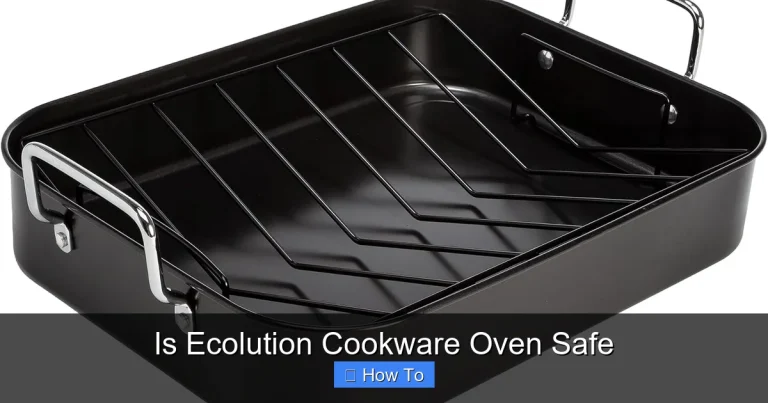
Tasty Cookware is generally oven safe, but you must check the specific model’s material and temperature limits. Most pieces are built with stainless steel, aluminum, or nonstick coatings that handle typical oven temperatures, while cast iron options require extra care. Always follow the manufacturer’s guidelines to keep your kitchen safe and your dishes delicious.
Key Takeaways
- Materials Matter: Tasty Cookware uses stainless steel, aluminum, nonstick, and cast iron, each with different oven safety levels.
- Temperature Limits: Most models tolerate 350‑450°F, but never exceed the recommended heat.
- Testing Methods: Use the smell test, visual inspection, and a low‑heat trial to confirm oven safety.
- Benefits of Oven Use: Even cooking, crispier results, and versatile meal preparation.
- Potential Drawbacks: Risk of warping, coating damage, and higher cost for high‑end pieces.
- Care Tips: Cool gradually, use proper cookware handles, and clean with care to extend life.
📑 Table of Contents
- Introduction: Why the Question Matters
- Understanding the Materials Used in Tasty Cookware
- Temperature Limits and Safe Oven Practices
- How to Test If Your Tasty Cookware Is Oven Safe
- Pros and Cons of Using Tasty Cookware in the Oven
- Comparing Tasty Cookware to Other Brands
- Care and Maintenance for Oven‑Safe Pieces
- Conclusion: Make an Informed Choice
Introduction: Why the Question Matters
If you love cooking at home, you’ve probably heard the term “Tasty Cookware.” It’s a brand that promises flavorful meals and reliable performance. One common question that pops up in cooking forums and product reviews is: Is Tasty Cookware oven safe? Knowing the answer can help you decide whether you should invest in a set that can move seamlessly from stovetop to oven. In this guide, we break down the materials, temperature limits, testing methods, and real‑world tips you need to make an informed choice. Whether you’re baking a casserole, roasting vegetables, or finishing a steak in the oven, understanding the safety of your cookware is essential for great results and peace of mind.
Understanding the Materials Used in Tasty Cookware
Stainless Steel Pieces
Stainless steel is a popular choice for Tasty Cookware because it resists corrosion and looks great on any stove. Most stainless steel pots and pans are safe in the oven up to about 500°F (260°C). The metal conducts heat evenly, which helps you achieve consistent browning and caramelization. If you have a stainless steel Dutch oven, you can move it from the stovetop straight into a pre‑heated oven without worrying about warping.
Aluminum Core with Stainless Steel Cladding
Many Tasty Cookware items feature an aluminum core wrapped in stainless steel. The aluminum provides fast heat distribution, while the outer layer protects against reactivity with acidic foods. These pieces are usually safe up to 450°F (230°C). The cladding also prevents the aluminum from scratching your non‑stick surface, which is a bonus when you decide to finish a dish in the oven.
Non‑Stick Coated Pans
If you own a non‑stick skillet or a baking sheet from Tasty Cookware, you need to be extra careful. Most non‑stick coatings are rated for oven use up to 400°F (200°C). Beyond that temperature, the coating can break down, releasing harmful particles and reducing the pan’s performance. Always check the manufacturer’s label, and if you see a warning like “Do not use in ovens above 400°F,” follow it closely.
Cast Iron and Enameled Cast Iron
Cast iron is a heavy, durable material that can handle very high temperatures. Tasty Cookware’s plain cast iron pots are safe in ovens up to 600°F (315°C). Enameled cast iron adds a protective layer, making cleaning easier and preventing reactive foods from interacting with the iron. These pieces are perfect for slow‑cooked stews and roasts that benefit from steady, high heat.
Temperature Limits and Safe Oven Practices
Maximum Safe Temperatures
Each Tasty Cookware piece has a recommended maximum temperature. The brand typically prints this on the bottom of the pot or inside the handle. For stainless steel and aluminum‑clad items, you can usually go up to 450°F (230°C). Non‑stick pans should stay below 400°F (200°C). Cast iron can handle the highest heat, often up to 600°F (315°C). When you see a temperature rating, treat it like a speed limit—exceeding it can cause warping, cracking, or coating failure.
Gradual Heating and Cooling
One of the biggest mistakes people make with oven‑safe cookware is shocking the material. Rapid temperature changes can cause cracks, especially in glass or enameled pieces. To avoid this, let the cookware preheat slowly with the oven. When you’re done, allow the item to cool gradually before touching it. A sudden drop from 400°F to room temperature can be hard on metal and enamel.
Using Oven mitts and Protective Gear
Even if your cookware is rated for high heat, the handles and knobs can become scorching hot. Always use oven mitts or pot holders when you remove a dish from the oven. Some Tasty Cookware handles have silicone grips that stay cool longer, but they still need protection. If you plan to leave the pot in the oven for a long time, consider using a rack that lets you grab the pot without touching the hot metal directly.
How to Test If Your Tasty Cookware Is Oven Safe
The Smell Test
If you’re unsure about a piece’s oven safety, start with a low heat test. Preheat your oven to 200°F (95°C) and place the empty cookware inside for 10‑15 minutes. If you notice any burning or melting smells, the piece is not suitable for higher temperatures. This method works well for non‑stick pans and aluminum‑clad items.
Visual Inspection
Before each oven use, inspect the surface for scratches, chips, or peeling coatings. A damaged non‑stick surface can release toxins when heated. Also, check the handle for looseness or cracks. If the handle feels wobbly, do not risk putting the pot in the oven.
The Water Drop Test
For metal pans, drop a small amount of water onto the surface and place it in the oven at 350°F (175°C). If the water sizzles and evaporates quickly without causing any discoloration, the pan is likely safe. If the metal changes color or warps, it’s a sign that the heat is too much for the material.
Pros and Cons of Using Tasty Cookware in the Oven
Benefits You’ll Love
Using Tasty Cookware in the oven can improve your cooking results. The even heat distribution of stainless steel helps you achieve golden-brown crusts on roasts. Aluminum‑clad pieces reduce hot spots, which is great for baking pastries. Non‑stick options let you make low‑fat meals without sacrificing flavor. Cast iron retains heat for long periods, perfect for keeping soups warm during parties.
Potential Drawbacks to Consider
Every advantage comes with a trade‑off. Non‑stick coatings can degrade if you exceed temperature limits, leading to expensive replacements. Cast iron is heavy, which can be a strain on smaller kitchens or for those with limited strength. Aluminum‑clad items may develop discoloration over time if not cared for properly. Finally, some Tasty Cookware pieces are pricier than basic generic brands, so you need to weigh the cost against the convenience.
Comparing Tasty Cookware to Other Brands
When you shop for oven‑safe cookware, it helps to see how Tasty stacks up against competitors. For a deeper dive on evaluating oven safety across all types of cookware, check out our article How To Tell If Cookware Is Oven Safe. This guide walks you through the common certifications and testing methods used by many brands, giving you a broader perspective.
If you’re curious about how ceramic materials perform in high heat, our piece Is Ceramic Cookware Safe For Oven provides detailed insights. Ceramic can be fragile, but some high‑temperature models are perfect for oven use, helping you decide if that material fits your kitchen needs.
For those who love non‑stick performance, the review of Is Calphalon Cookware Oven Proof offers tips on how premium non‑stick coatings handle oven heat. While Tasty Cookware shares some similarities with Calphalon, the differences in construction can affect your cooking experience.
Care and Maintenance for Oven‑Safe Pieces
Cleaning After Oven Use
Never subject a hot pan to cold water. Let it cool to room temperature before cleaning. For stainless steel, a simple wipe with a soft cloth and mild soap works wonders. Aluminum‑clad items benefit from a paste of baking soda and water to remove any stubborn stains. Non‑stick pans should be cleaned with a soft sponge and avoid abrasive scrubbers that can scratch the coating.
Storing Your Cookware
Stacking heavy cast iron on top of lighter pans can cause dents. Use pot racks or separate shelves to keep each piece safe. If you have non‑stick pans, store them flat to prevent the coating from rubbing against other surfaces. A dedicated cookware storage rack is a small investment that can extend the life of your Tasty Cookware.
Conclusion: Make an Informed Choice
Deciding if Tasty Cookware is oven safe isn’t a one‑size‑fits‑all answer. The short answer is that many Tasty Cookware pieces are oven safe, but each material has its own temperature limits and care requirements. By checking the manufacturer’s guidelines, performing simple tests, and following best practices for heating and cooling, you can safely enjoy the convenience of moving your favorite pots and pans from stove to oven.
Whether you’re searing a steak on the stovetop and finishing it under the broiler, baking a casserole that crisps perfectly on the top, or slow‑cooking a stew that benefits from oven heat, Tasty Cookware can be a valuable addition to your kitchen arsenal. Remember to respect temperature ratings, handle hot items with care, and maintain your pieces properly. With these tips, you’ll get delicious results while keeping your kitchen safe and your cookware lasting for years to come.
Frequently Asked Questions
Is all Tasty Cookware oven safe?
Not all Tasty Cookware is oven safe. It depends on the material—stainless steel, aluminum‑clad, and cast iron are generally safe, while non‑stick pieces have lower temperature limits. Always check the specific model’s label for oven‑safe ratings.
What is the maximum temperature for Tasty stainless steel pots?
Most Tasty stainless steel pots can handle temperatures up to 500°F (260°C). Exceeding this can cause warping or damage to the pot’s structure.
Can I use a Tasty non‑stick pan in the oven?
Yes, but only up to about 400°F (200°C). Higher heat can degrade the non‑stick coating and release potentially harmful particles.
How do I know if my Tasty cookware is oven safe?
Check the bottom of the pot or handle for an oven‑safe symbol or a temperature rating. You can also perform a low‑heat test and look for any unusual smells or discoloration.
What precautions should I take when moving Tasty cookware into the oven?
Use oven mitts, avoid rapid temperature changes, and never place a cold piece into a hot oven. Let the cookware preheat with the oven and cool gradually after use.
Does Tasty Cookware’s warranty cover oven‑related damage?
Warranty terms vary by product line. Always read the warranty documentation, as some damage caused by exceeding temperature limits may not be covered.