Is Ceramic Cookware Safe for Oven
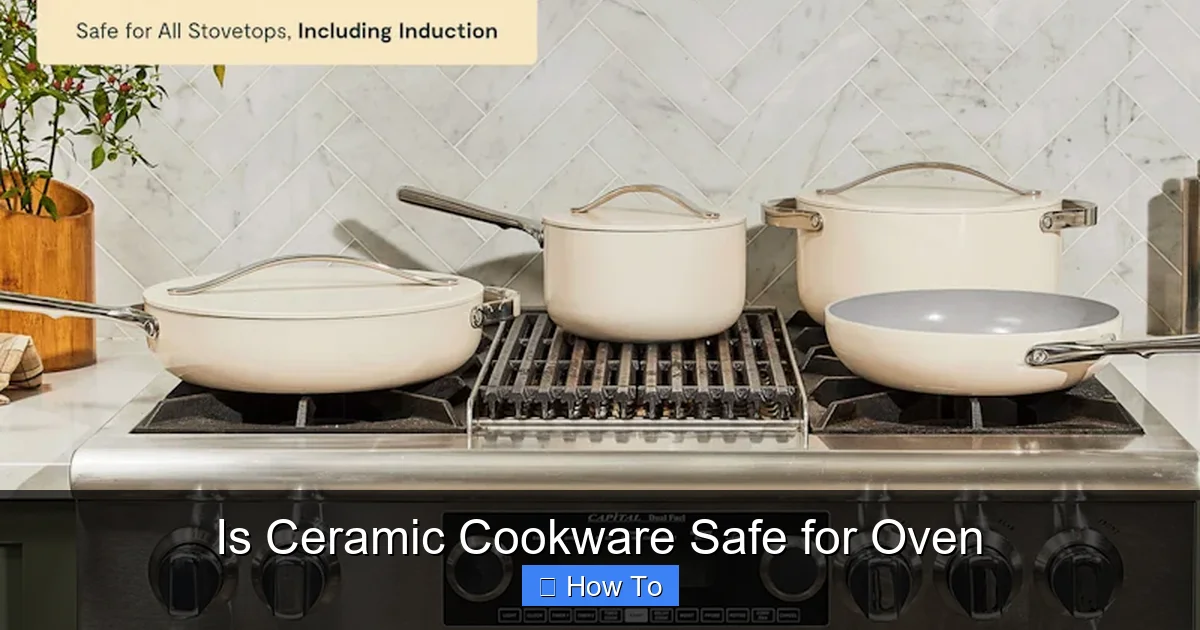
Ceramic cookware can be safe for oven use when you respect the manufacturer’s temperature limits, check for oven‑safe symbols, and avoid sudden temperature changes. Most ceramic‑coated pans tolerate 350‑450°F, while pure ceramic stoneware can handle higher heat. Always verify handles, lids, and coatings are rated for oven exposure before baking or broiling.
When you’re preparing a casserole, a frittata, or a roasted vegetable dish, the question often pops up: Is Ceramic Cookware Safe for Oven use? Ceramic‑coated pans have become a staple in many kitchens thanks to their non‑stick surface, attractive appearance, and perceived health benefits. Yet, the transition from stovetop to oven isn’t always straightforward, and misunderstanding the limits can lead to damaged cookware or disappointing results.
This guide walks you through everything you need to know about using ceramic cookware in the oven. We’ll explore what ceramic cookware actually is, how its coating behaves under heat, the temperature thresholds you should respect, and practical steps to keep your pans in top shape. By the end, you’ll feel confident answering the question Is Ceramic Cookware Safe for Oven for your own kitchen.
Key Takeaways
- Know the temperature limit: Most ceramic‑coated cookware is safe up to 400‑450°F; exceeding this can degrade the coating.
- Look for oven‑safe markings: A symbol or text on the bottom indicates the pan’s oven tolerance; if unsure, consult the guide on how to tell if cookware is oven safe.
- Check handles and lids: Silicone, stainless steel, or oven‑safe glass handles are typical; wooden or plastic parts usually aren’t oven‑safe.
- Avoid thermal shock: Let the pan cool gradually before washing or moving it from a hot oven to a cold surface.
- Use proper utensils: Stick to silicone, wood, or nylon tools to preserve the ceramic coating during oven use.
- Follow manufacturer advice: Always read the care manual; some brands like those discussed in Is Blue Diamond Ceramic Cookware Safe have specific limits.
- Consider pure ceramic stoneware: Unglazed or fully ceramic bakeware often tolerates higher temperatures than coated pans.
📑 Table of Contents
- Understanding Ceramic Cookware: What It Is and How It’s Made
- Oven Safety Basics: Temperature Limits and Materials
- Is Ceramic Cookware Safe for Oven Use? Factors to Consider
- Practical Tips for Using Ceramic Cookware in the Oven
- Common Mistakes and How to Avoid Them
- Cleaning and Maintenance After Oven Use
- Conclusion
Understanding Ceramic Cookware: What It Is and How It’s Made
Ceramic cookware isn’t made from solid clay like a traditional pottery dish. Instead, most “ceramic” pans you see today are metal pans—usually aluminum or stainless steel—coated with a sol‑gel derived ceramic layer. This coating is created by applying a silica‑based solution that, when heated, forms a hard, glass‑like surface. The result is a smooth, non‑stick finish that doesn’t contain PTFE or PFOA, which appeals to health‑conscious cooks.
There are also pure ceramic stoneware items, such as baking dishes, casseroles, and ramekins, which are made entirely from fired clay and often glazed. These pieces behave differently from coated pans because the whole body is ceramic, not just a surface layer. Understanding this distinction is key when asking Is Ceramic Cookware Safe for Oven because the answer varies between coated metal pans and all‑ceramic bakeware.
When comparing ceramic to other materials, many shoppers look at alternatives like porcelain. For a quick reference on how porcelain stacks up, you can read Is Paula Deen Porcelain Cookware Oven Safe. That article highlights the similarities and differences in oven tolerance, which helps you decide which material suits your baking habits.
Types of Ceramic Coatings
Not all ceramic coatings are created equal. The most common types include:
- Sol‑gel ceramic: The standard coating found on most “ceramic non‑stick” pans. It offers good release and is free of traditional non‑stick chemicals.
- Reinforced ceramic: Some brands add titanium or diamond particles to increase durability and scratch resistance.
- Ceramic‑infused: A thin ceramic layer over a traditional non‑stick base, aiming to combine the benefits of both.
Each variant has its own heat tolerance, which influences the answer to Is Ceramic Cookware Safe for Oven. Generally, sol‑gel coatings start to degrade around 450°F, while reinforced versions may push that limit a bit higher.
Benefits of Ceramic Cookware
Ceramic‑coated pans are prized for several reasons:
- They provide a naturally non‑stick surface without PTFE.
- The smooth surface distributes heat fairly evenly, reducing hot spots.
- They are often lighter than cast iron, making them easy to handle.
- Many come in vibrant colors that add a cheerful touch to the kitchen.
These advantages make ceramic cookware an attractive option for oven‑based recipes, provided you respect its thermal limits.
Oven Safety Basics: Temperature Limits and Materials
Before you slide a ceramic pan into the oven, you need to know two core pieces of information: the maximum safe temperature and the oven‑worthiness of every component (handle, lid, coating). Exceeding the temperature limit can cause the ceramic coating to break down, release particles, or lose its non‑stick properties. Likewise, a handle that isn’t oven‑safe can melt, crack, or become a burn hazard.
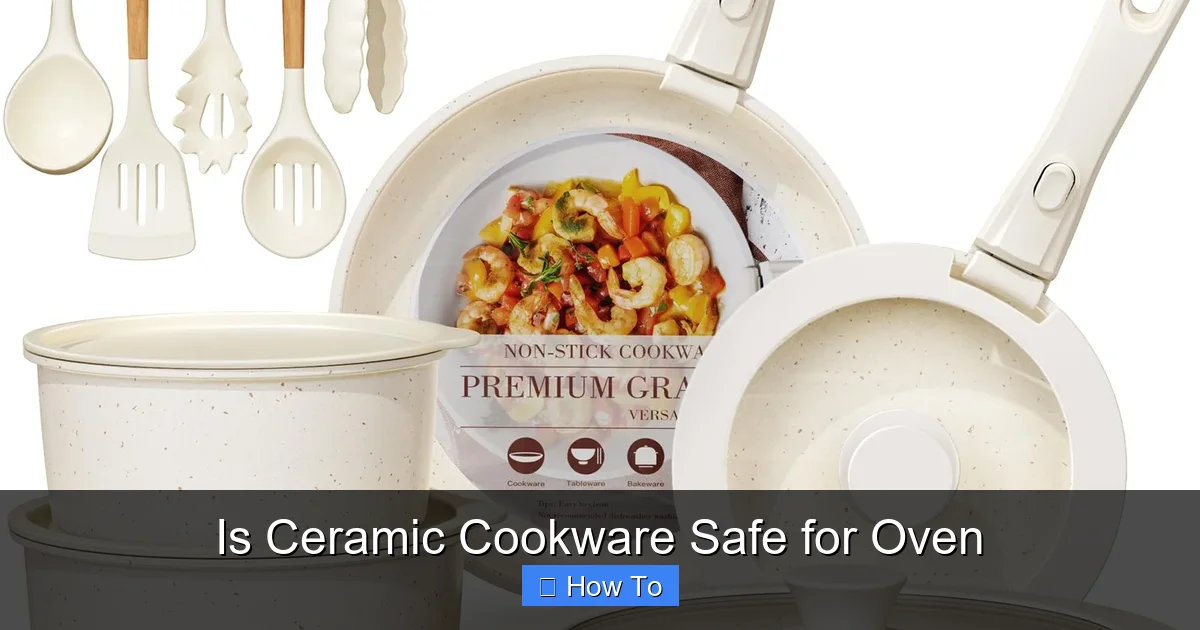
Visual guide about Is Ceramic Cookware Safe for Oven
Image source: images-na.ssl-images-amazon.com
Most manufacturers print the oven‑safe temperature directly on the pan’s bottom or in the user manual. If you see a symbol like an oven icon with a number inside, that’s your guideline. When the marking is missing or unclear, the safest approach is to consult the brand’s website or a trusted resource such as the guide on how to tell if cookware is oven safe.
Typical Oven‑Safe Temperature Ranges for Ceramic Pans
For the majority of ceramic‑coated aluminum pans, the safe range falls between 350°F and 450°F. Some premium lines advertise safety up to 500°F, but those claims often assume short exposure times and ideal conditions. Pure ceramic stoneware, such as baking dishes or casseroles, can usually handle temperatures up to 500‑550°F, and some high‑fire stoneware even exceeds 600°F.
It’s important to note that these numbers refer to the cookware’s surface temperature, not the oven’s air temperature. If you’re using a convection oven, the circulating hot air can raise the pan’s temperature faster than in a conventional oven, so you may need to lower the set temperature by about 25°F to stay within the safe zone.
How to Identify Oven‑Safe Marks
Look for one of the following indicators on the bottom of your pan:
- A small oven icon (often a square with wavy lines inside).
- The words “Oven Safe” followed by a temperature, e.g., “Oven Safe to 425°F”.
- A series of dots or bars that correspond to a temperature chart in the manual.
If you see no marking, treat the pan as not oven‑safe unless you can verify the information from the manufacturer. Using an unmarked pan risks damaging the coating and voiding any warranty.
Is Ceramic Cookware Safe for Oven Use? Factors to Consider
Answering Is Ceramic Cookware Safe for Oven requires looking beyond the temperature number. Several factors interact to determine whether a pan will survive a baking session unscathed.
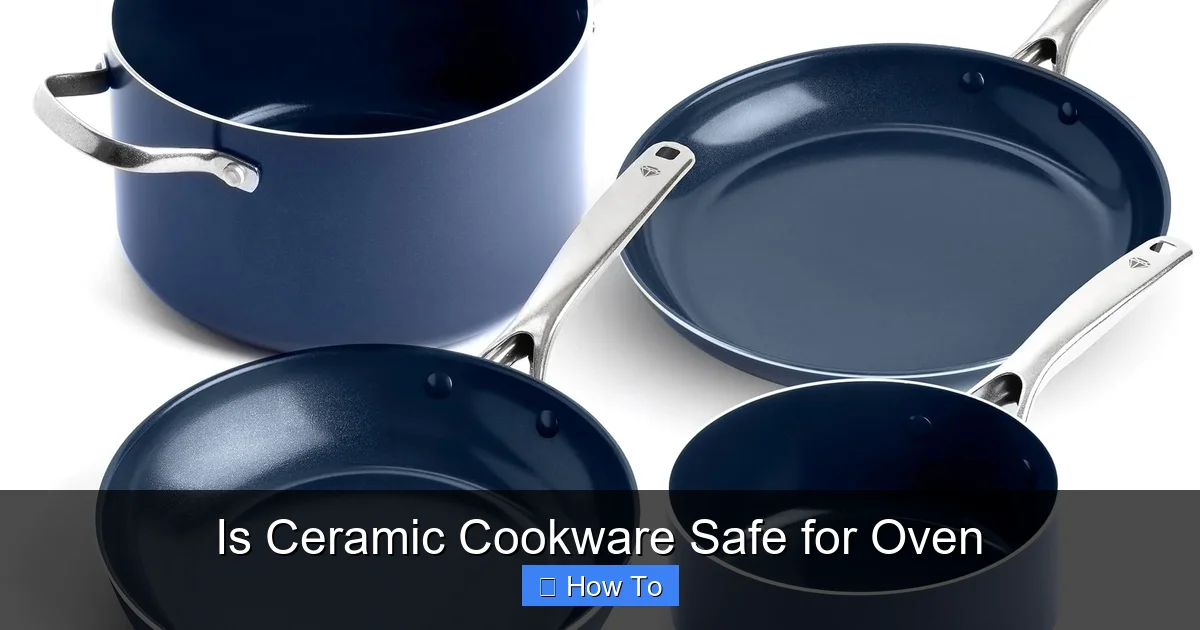
Visual guide about Is Ceramic Cookware Safe for Oven
Image source: m.media-amazon.com
Coating Integrity at High Heat
The ceramic coating is essentially a thin glass‑like film. When exposed to temperatures above its rated limit, the silica network can begin to crack or delaminate. This degradation may appear as discoloration, a loss of non‑stick performance, or, in extreme cases, flaking that could contaminate food. Brands that reinforce their coating with titanium or diamond particles often advertise higher heat resistance, but even those have limits.
For a deeper dive into how specific brands handle heat, you might check out Is Blue Diamond Ceramic Cookware Safe, which examines one popular reinforced ceramic line and its oven performance.
Handle and Lid Materials
Even if the pan’s body can take the heat, the handle or lid might be the weak link. Common handle materials and their oven suitability include:
- Stainless steel: Generally oven‑safe to very high temperatures (often 500°F+).
- Silicone: Usually safe up to 400‑450°F; check the exact rating.
- Wood or plastic: Not oven‑safe; they can scorch, melt, or release harmful fumes.
- Glass lids: Tempered glass lids are often oven‑safe to 450°F, but sudden temperature changes can cause cracking.
Always verify that every piece you plan to put in the oven carries an explicit oven‑safe rating.
Manufacturer Guidelines
The most reliable source of information is the manufacturer’s care and use manual. Some brands impose additional restrictions, such as “no broiling” or “avoid using cooking sprays,” which can affect the ceramic coating’s longevity. Ignoring these guidelines not only risks damaging the pan but may also void the warranty, leaving you without recourse if something goes wrong.
When in doubt, reach out to the brand’s customer service with your model number and ask directly: Is this ceramic cookware safe for oven use at X degrees? Their answer will be definitive.
Practical Tips for Using Ceramic Cookware in the Oven
Now that you understand the limits, here are actionable steps to ensure your ceramic pans perform well and stay intact when you bake, roast, or broil.
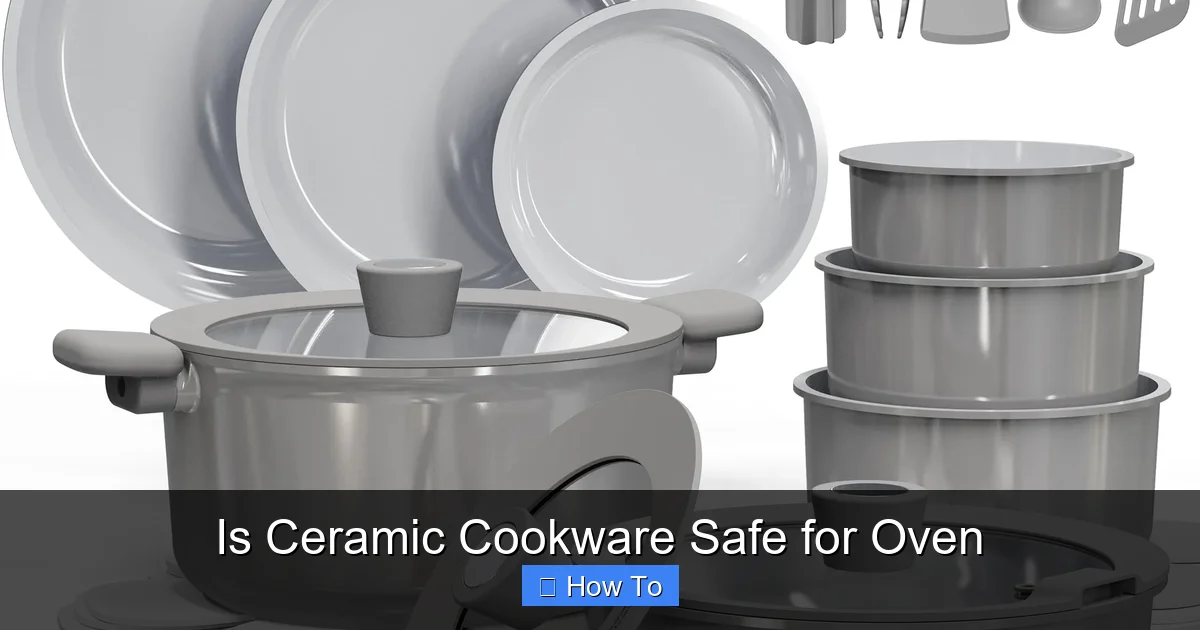
Visual guide about Is Ceramic Cookware Safe for Oven
Image source: images-na.ssl-images-amazon.com
Preheating and Temperature Management
Never place a cold ceramic pan directly into a hot oven. Instead, follow this routine:
- Place the pan in the oven while it’s still cold.
- Set the oven to the desired temperature and allow both to heat together.
- If the recipe calls for a pre‑heated pan (e.g., for searing), start on the stovetop over low‑medium heat, then transfer to the oven once the pan is warm.
This gradual heating reduces the risk of thermal shock, which can crack the ceramic coating or the pan’s base.
Avoiding Thermal Shock
Thermal shock occurs when a hot pan meets a cold surface (like a wet countertop or cold water) too quickly. To prevent it:
- Let the pan cool on a rack or stovetop for at least 10‑15 minutes before washing.
- If you need to move a hot pan, use a dry trivet or a thick towel.
- Never pour cold water into a hot ceramic pan; wait until it reaches warm‑touch temperature.
Observing these simple habits will dramatically extend the life of your cookware.
Using Proper Bakeware Accessories
When baking items that might stick, consider lining the pan with parchment paper or a silicone baking mat. This protects the ceramic coating from abrasive food residues and makes cleanup easier. Avoid aerosol cooking sprays, as many contain lecithin that can build up on the ceramic surface and create a sticky layer over time.
Common Mistakes and How to Avoid Them
Even experienced cooks slip up when using ceramic cookware in the oven. Below are frequent pitfalls and how to steer clear of them.
Overheating the Pan
The most common error is setting the oven temperature above the pan’s rated limit, assuming “a little extra won’t hurt.” Overheating degrades the coating, reduces non‑stick performance, and can release fine particles. Always double‑check the manufacturer’s limit before you turn the dial.
Using Metal Utensils
Metal spatulas or whisks can scratch the ceramic surface, creating micro‑abrasions that weaken the coating and make it more prone to heat damage. Stick to silicone, wood, or nylon tools, especially when the pan is hot.
Ignoring Warranty Details
Some warranties explicitly state that damage caused by oven use beyond the specified temperature is not covered. If you exceed the limit and the pan fails, you may be out of luck. Keep the warranty card handy and note the oven‑safe temperature to avoid unpleasant surprises.
Cleaning and Maintenance After Oven Use
Proper aftercare keeps your ceramic cookware looking and performing like new.
Cooling Down Properly
After removing the pan from the oven, let it sit on a heat‑resistant surface until it’s no longer too hot to touch. This usually takes 10‑20 minutes depending on the pan’s thickness and the oven temperature.
Gentle Cleaning Methods
Once cooled, wash the pan with warm water, a mild dish soap, and a soft sponge or cloth. Avoid abrasive scrubbers, steel wool, or harsh scouring powders, as they can scratch the ceramic coating. For stuck‑on bits, fill the pan with warm, soapy water and let it soak for 10‑15 minutes before gently scrubbing.
Storing to Prevent Damage
Store ceramic pans in a way that prevents them from knocking against heavy pots or pans. If you must stack them, place a paper towel or a soft cloth between each piece to protect the coating. Hanging pots with sturdy hooks is another excellent option, provided the hook supports the pan’s weight without stressing the handle.
Conclusion
So, Is Ceramic Cookware Safe for Oven use? The answer is a qualified yes—provided you respect the temperature limits, verify that every component (handle, lid, coating) is oven‑safe, and follow the manufacturer’s care instructions. Most ceramic‑coated pans perform beautifully at temperatures up to 400‑450°F, making them suitable for a wide range of baking, roasting, and even broiling tasks. Pure ceramic stoneware often tolerates even higher heat, offering flexibility for dishes that need a hotter start.
By taking a few simple precautions—gradual preheating, avoiding thermal shock, using proper utensils, and cleaning gently—you’ll enjoy the non‑stick convenience and attractive look of ceramic cookware for many meals to come. Keep this guide handy, refer back to the specific links for brand‑details, and cook with confidence knowing your pans are safe and ready for the oven.
Frequently Asked Questions
What is Is Ceramic Cookware Safe For Oven?
Is Ceramic Cookware Safe For Oven is an important topic with many practical applications.