Why Use Air Fryer Instead of Oven
Switching to an air fryer can cut cooking time, lower fat intake, and save energy compared to a conventional oven. You’ll enjoy crispier results, easier cleanup, and lower utility bills while keeping meals flavorful and nutritious.
Ever stood in front of a humming oven, watching a dish bubble away for an hour, and thought, “Is there a faster, healthier way?” You’re not alone. Many home cooks are swapping their trusty ovens for sleek air fryers. The question many ask is, “Why Use Air Fryer Instead of Oven?” This article breaks down the everyday benefits, from nutrient preservation to lower electricity bills, using clear language and friendly tips you can start using today.
The shift isn’t just a fad; it’s backed by science and real‑world results. Air fryers circulate hot air at high speed, creating a crispy exterior while keeping the interior tender. This method often requires little or no oil, making meals lighter without sacrificing flavor. In the sections that follow, we’ll explore health perks, speed, energy efficiency, versatility, space savings, and long‑term cost benefits. By the end, you’ll have a solid roadmap for why an air fryer might be the smarter choice for your kitchen.
Key Takeaways
- Healthier Cooking: Air fryers use little to no oil, preserving nutrients and reducing fat while still delivering crispy textures.
- Faster Prep: Short preheat times and rapid hot‑air circulation mean meals finish quicker than in a standard oven.
- Energy Savings: Lower wattage and shorter cook cycles translate to noticeable reductions in electricity use.
- Space‑Efficient: Compact units free up kitchen counter space and many fit on a shelf when not in use.
- Easy Cleanup: Non‑stick baskets and trays are often dishwasher safe, cutting scrub time dramatically.
- Versatile Cooking: From snacks to full dinners, air fryers handle grilling, baking, roasting, and even dehydrating.
- Long‑Term Value: Reduced energy bills and durable components can save money over the appliance’s lifetime.
📑 Table of Contents
Health Benefits
Lower Fat Content
One of the biggest draws of an air fryer is its ability to cook with minimal fat. Traditional oven roasting often calls for brushing meat or vegetables with oil to achieve crispiness. With an air fryer, you can get that golden crunch using just a mist of spray or even no oil at all. Studies show that air‑fried foods can contain up to 80 % less oil than their oven‑roasted counterparts while still delivering that satisfying crunch. This reduction in added fat directly translates to lower calorie intake, making it easier to maintain a balanced diet without feeling deprived.
The reduced oil also means fewer harmful compounds formed at high temperatures. When oil splatters onto hot surfaces, it can create acrid flavors and potentially harmful acrylamides. Air fryers limit oil contact, keeping the food cleaner and often tastier. If you’re watching cholesterol or simply trying to cut back on added fats, the air fryer becomes a practical ally.
Nutrient Retention
Heat can break down vitamins and minerals, especially when foods are cooked for long periods. The rapid hot‑air circulation in an air fryer cooks food quickly, locking in more of the natural nutrients. For example, vitamin C in bell peppers retains more of its potency after an air‑fry session than after a prolonged oven roast. Similarly, the crisp exterior forms while the interior stays moist, preventing over‑cooking that can degrade texture and flavor.
Another advantage is the ability to cook at lower temperatures for longer periods if needed, yet still achieve a crisp finish. This flexibility helps preserve heat‑sensitive nutrients that would otherwise degrade in a conventional oven’s steady, often higher heat. The result? Meals that look, taste, and nourish better.
Speed and Convenience
Quick Preheat Times
Waiting for an oven to preheat can eat up valuable kitchen time. Most air fryers require only 3‑5 minutes to reach the desired temperature, compared to 10‑15 minutes for a conventional oven. This instant readiness means you can start cooking almost immediately, cutting overall prep time dramatically. For busy families or anyone juggling multiple tasks, the speed advantage is a game‑changer.
Visual guide about Why Use Air Fryer Instead of Oven
Image source: kitchenwink.com
Because the temperature stabilizes quickly, you also have more control over the cooking process. If a recipe calls for a specific temperature, an air fryer can hit that mark faster and maintain it with less fluctuation. This precision reduces the risk of under‑cooking or over‑cooking, giving you consistent results every time.
One‑Pan Meals
Air fryers typically feature a basket that sits above a drip tray. This design allows you to cook multiple items simultaneously without the need for extra pans. You can toss chicken thighs, roasted vegetables, and even sweet potatoes together in one basket, and they all finish at similar times. This one‑pan approach not only saves energy but also simplifies cleanup, as you’re dealing with fewer dishes.
Many recipes are built around this simplicity. You’ll find instructions that say “air fry for 20 minutes, shaking halfway,” rather than juggling multiple racks or rotating trays. This streamlined process is especially helpful for weeknight dinners when you want a balanced plate without spending hours in the kitchen.
Energy Efficiency
Lower Power Consumption
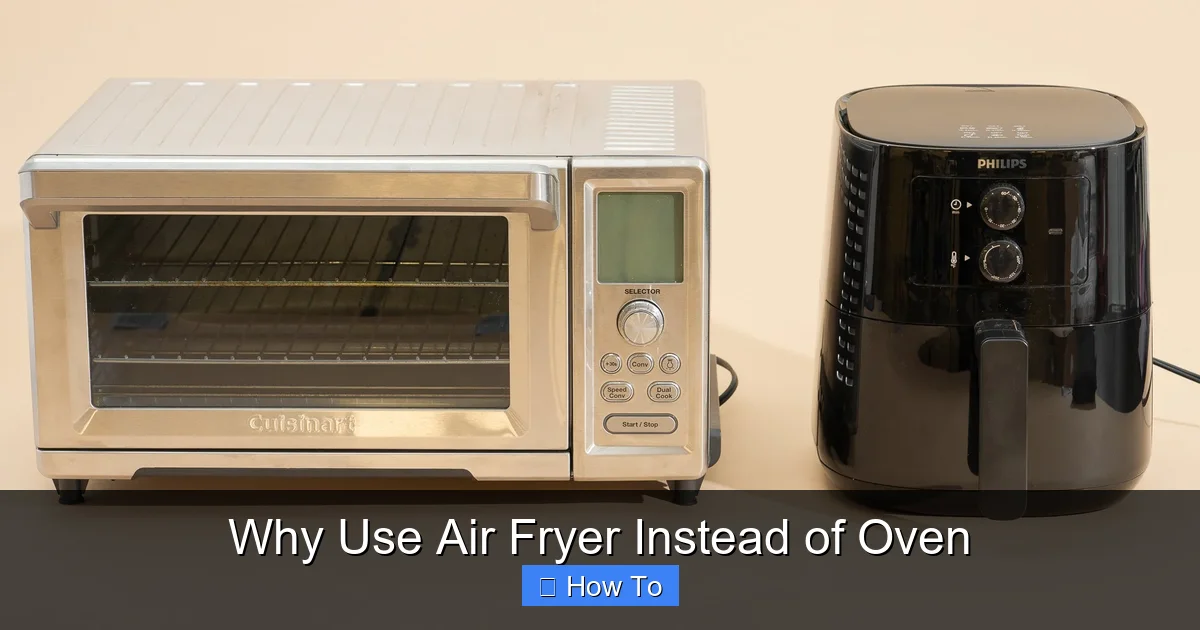
Most countertop air fryers draw between 1,200 W and 1,800 W, while a full‑size oven often uses 2,000‑5,000 W. Even when running at the highest setting, an air fryer typically consumes less electricity. Over a year, this difference can add up to a noticeable reduction in your utility bill. For households mindful of their carbon footprint, the lower wattage of an air fryer is an easy win.

Visual guide about Why Use Air Fryer Instead of Oven
Image source: boreddaddy.com
For detailed figures, see How Much Energy Does An Air Fryer Use Compared To An Oven. This resource breaks down the wattage, cooking times, and estimated monthly costs for common recipes, giving you a clear picture of the savings.
Faster Cooking Times Reduce Overall Use
Because air fryers heat food quickly, the total time the appliance is on is often shorter. A chicken breast that might bake for 45 minutes in an oven could be perfectly cooked in 20‑25 minutes in an air fryer. Shorter run times not only lower energy draw but also mean you spend less time standing by a hot appliance.
Additionally, many modern air fryers have eco‑modes or automatic shut‑off features that further curb unnecessary power use. These smart functions ensure the unit powers down when the cooking cycle ends, preventing wasted heat. Over time, these small efficiencies compound, delivering both financial and environmental benefits.
Versatility and Cooking Options
Crispy Results Without Excess Oil
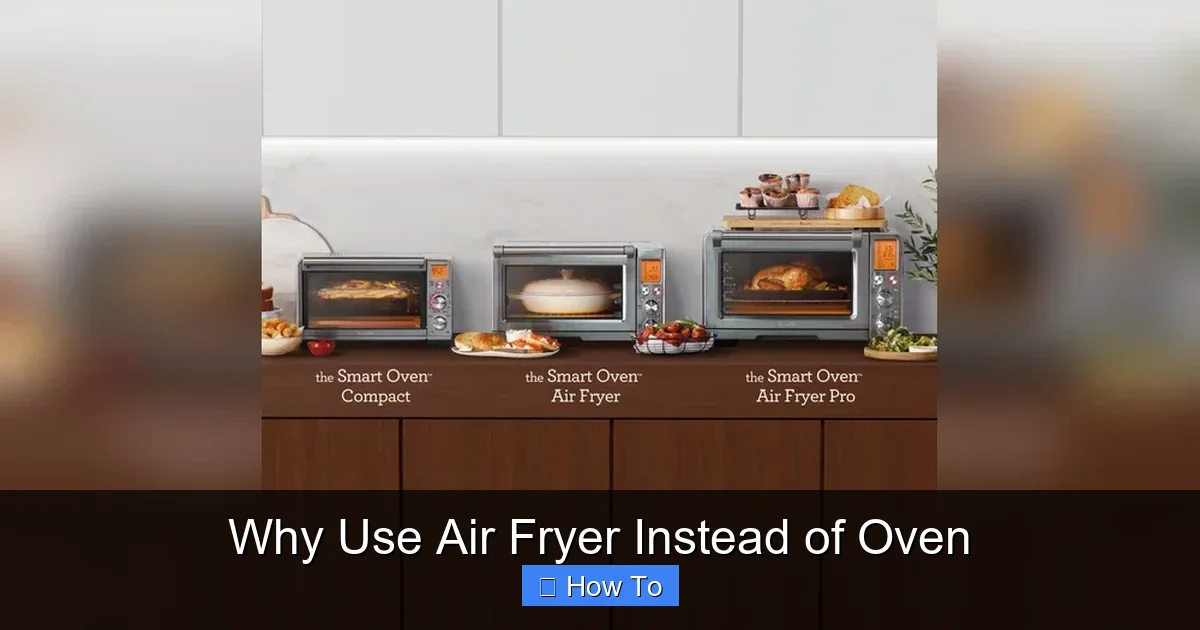
The hallmark of an air fryer is its ability to produce a crispy exterior without deep‑frying. By positioning food a few inches from the heating element, hot air circulates and creates a Maillard reaction, giving that golden, crunchy texture we associate with fried foods. This technique works for everything from french fries and chicken wings to pizza crusts and even baked desserts.

Visual guide about Why Use Air Fryer Instead of Oven
Image source: airfryeraid.com
Because oil is optional, you can experiment with different seasonings, herbs, and marinades without worrying about greasiness. The result is a lighter version of classic comfort foods that still satisfies cravings. For those who love crispy snacks but are watching their fat intake, the air fryer is a true lifesaver.
Compatibility with Recipes
Many traditional oven recipes can be adapted for an air fryer with minimal changes. A casserole that bakes for an hour can often finish in 30 minutes when air‑fried, especially if you use a smaller, more focused heat source. This compatibility means you don’t have to abandon favorite family dishes; you just need to tweak the time and temperature.
Moreover, the air fryer’s capacity for precise temperature control opens the door to new cooking techniques, such as dehydrating fruits for healthy snacks or roasting nuts with exact heat. You can also find top picks for the right cooking vessel at Best Air Fryer Pan For Oven 3. This guide helps you choose the ideal pan that works seamlessly with your air fryer, ensuring even heat distribution and easy cleanup.
Space and Cleanup
Compact Footprint
Air fryers are designed for modern kitchens where counter space is at a premium. A typical unit measures about 12‑15 inches wide, 10‑12 inches tall, and 10‑12 inches deep. You can easily place it on a countertop, store it in a cabinet, or even use it on a shelf when not in use. This compactness is a stark contrast to a full‑size oven, which occupies a dedicated spot in your kitchen layout.
Because of its smaller size, an air fryer also heats up and cools down faster, meaning you spend less time waiting for it to reach temperature and less time cooling down after cooking. This quick turnover is ideal for those who cook in small batches or for one or two people.
Easier Cleaning
Most air fryer baskets and trays are coated with a non‑stick surface, making food release effortlessly. Many components are dishwasher safe, which dramatically cuts down on post‑meal scrubbing. If you prefer hand washing, a quick rinse with warm, soapy water is usually enough, thanks to the non‑stick coating.
Unlike ovens, where grease and crumbs accumulate on walls and racks, air fryers have fewer surfaces to contend with. The removable basket often snaps out with a simple lever, and the drip tray can be slipped out for cleaning. This ease of maintenance means you can enjoy a meal and be ready for the next one in a fraction of the time it would take with a conventional oven.
Cost Savings Over Time
Reduced Utility Bills
Lower wattage combined with shorter cooking cycles directly reduces your monthly electricity costs. A typical household can save $10‑$30 per month by using an air fryer for everyday meals, depending on local energy rates. Over a year, those savings add up to a meaningful offset for the initial purchase price.
Additionally, many air fryers come with energy‑saving features like automatic shutoff, which further trims waste. These features are often absent in older ovens, where you might leave the appliance on longer than needed or forget to turn it off.
Longer Appliance Life
Because air fryers operate at lower temperatures for shorter periods, the internal components experience less wear and tear. Heating elements and fans tend to last longer compared to those in a traditional oven, which cycles on and off repeatedly over many years. This durability can delay the need for a costly replacement, adding to the overall value.
Many manufacturers also offer longer warranties on air fryers, reflecting confidence in their build quality. When you factor in reduced repair costs and a longer lifespan, the total cost of ownership becomes more favorable than that of a standard oven.
In conclusion, the answer to “Why Use Air Fryer Instead of Oven” is clear: health, speed, energy savings, versatility, space efficiency, easy cleanup, and long‑term financial benefits all point toward the air fryer as a superior option for modern cooking. For a deeper dive into the comparative science, check out Why Use An Air Fryer Instead Of Oven to see how these advantages play out in real kitchens across the country. It’s time to transform your meals, shrink your utility bills, and reclaim precious counter space—all while enjoying meals that taste as good as they look.
Frequently Asked Questions
Is an air fryer healthier than a conventional oven?
Yes, an air fryer typically uses little to no added oil, which reduces overall fat and calorie content. The rapid hot‑air circulation also helps retain more vitamins and minerals that can be lost during long oven cooking times.
How much time does an air fryer save compared to an oven?
Air fryers preheat in 3‑5 minutes, whereas ovens often need 10‑15 minutes. Many dishes that require 45‑60 minutes in an oven finish in 20‑30 minutes in an air fryer, cutting total cooking time by roughly 30‑40 %.
Does an air fryer use less electricity than an oven?
Most countertop air fryers consume 1,200‑1,800 W, while full‑size ovens can draw 2,000‑5,000 W. Shorter cook times further reduce energy use, resulting in lower monthly electricity bills.
Can I cook the same recipes in an air fryer as in an oven?
Many oven recipes can be adapted by reducing the temperature by about 25 % and checking for doneness earlier. Air fryers excel at achieving crispy textures, making them ideal for roasted vegetables, meats, and even baked desserts.
Is cleaning an air fryer easier than cleaning an oven?
Absolutely. Most air fryer baskets and trays are non‑stick and dishwasher safe, requiring only a quick rinse. Ovens often need extensive scrubbing to remove baked‑on grease and crumbs.
Do air fryers take up a lot of counter space?
No, they are compact—usually 12‑15 inches wide and deep—making them a great choice for smaller kitchens or those wanting flexible storage options.