Are Air Fryer and Convection Oven the Same
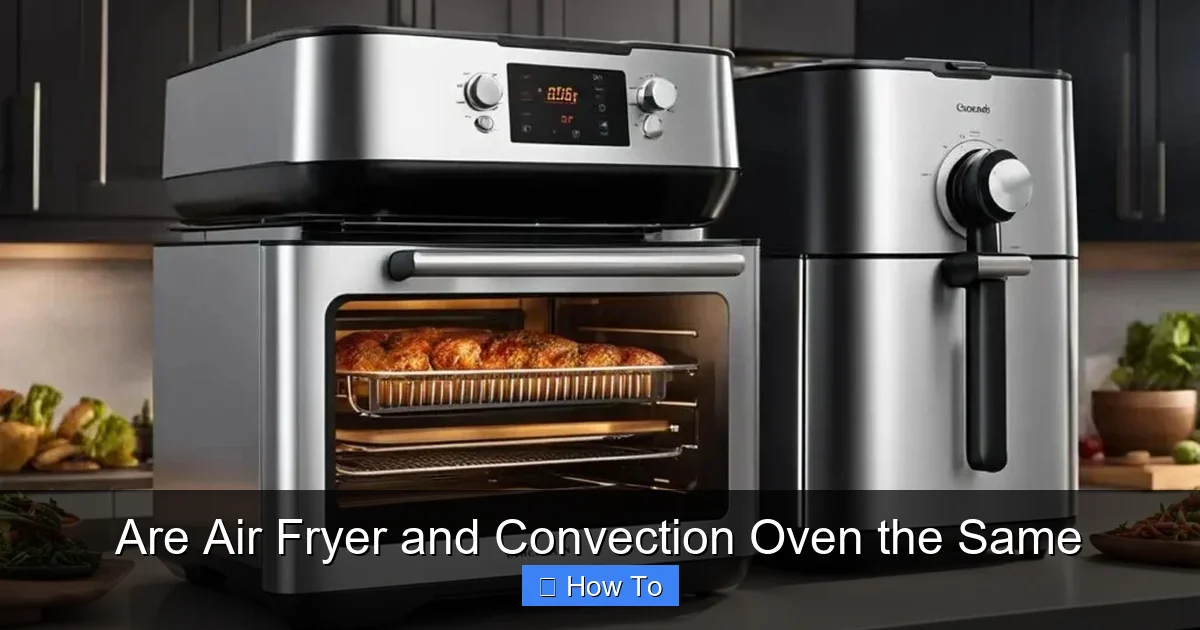
Air fryers and convection ovens use the same cooking technology, but they are not identical appliances. An air fryer is essentially a compact convection oven with faster fan speeds and a different design. While both use hot air circulation to cook food, they differ significantly in size, cooking capacity, speed, and price. Understanding these differences helps you choose the right appliance for your kitchen needs.
Key Takeaways
- Same core technology: Both air fryers and convection ovens use a heating element and fan to circulate hot air around food.
- Air fryers are smaller: They cook faster due to compact design but have limited cooking capacity.
- Convection ovens are versatile: They offer more cooking space and can handle larger meals and multiple dishes.
- Price differences exist: Air fryers are generally more affordable, while convection ovens range from budget to high-end options.
- Crisping results vary: Air fryers typically produce crispier results due to higher air velocity and smaller cooking chamber.
- Both require oil: While air fryers need less oil, neither appliance is completely oil-free in practice.
- Modern options combine both: Many manufacturers now offer hybrid appliances that function as both.
📑 Table of Contents
Understanding the Basic Technology
Let me start by explaining something that might surprise you. Air fryers and convection ovens actually use the exact same basic technology. Both appliances work by using a heating element to generate heat and a fan to circulate that hot air around your food. This circulation process is what we call convection cooking.
When hot air moves around your food, it creates a kind of blanket of warmth that cooks your meals evenly from all sides. This is why both air fryers and convection ovens can produce similar results for many dishes. The technology itself is fundamentally identical.
How Convection Cooking Actually Works
Think of convection cooking like when you blow on hot soup to cool it down. When you blow on the soup, you’re moving air across the surface and making it cool faster. Convection ovens and air fryers do the same thing, but in reverse. They blow hot air onto and around your food to cook it more quickly than if the air were standing still.
The heating element warms the air inside the appliance. Then the fan pushes that hot air to circulate throughout the cooking chamber. As the hot air touches your food, it transfers heat energy to the food’s surface. This process happens continuously until your food reaches the desired temperature.
What makes this cooking method so effective is that it surrounds your food with heat from every angle. Unlike traditional ovens where heat mostly comes from below or above, convection cooking provides even coverage. This means fewer hot spots and more consistent results across all your dishes.
The Role of the Fan in Both Appliances
The fan is really the star of the show in both appliances. Without the fan, you’d just have a regular oven or a box with a heating element. The fan is what makes everything work efficiently. In both air fryers and convection ovens, the fan helps distribute heat evenly and speeds up the cooking process.
Here’s a simple way to understand it. Imagine you’re trying to dry your clothes by hanging them outside on a calm day versus a windy day. The windy day dries your clothes much faster because moving air carries moisture away more quickly. Cooking with convection works the same way. Moving hot air removes moisture from food surfaces faster, which helps create that crispy texture we all love.
The key difference between air fryers and convection ovens often comes down to the fan speed and design. Air fryers typically have more powerful fans relative to their size, which creates that distinctive high-velocity air circulation that makes foods extra crispy.
Key Differences Between Air Fryers and Convection Ovens
Now that you understand the basic technology, let’s talk about what makes these two appliances different from each other. While they share the same fundamental cooking method, several important distinctions set them apart.
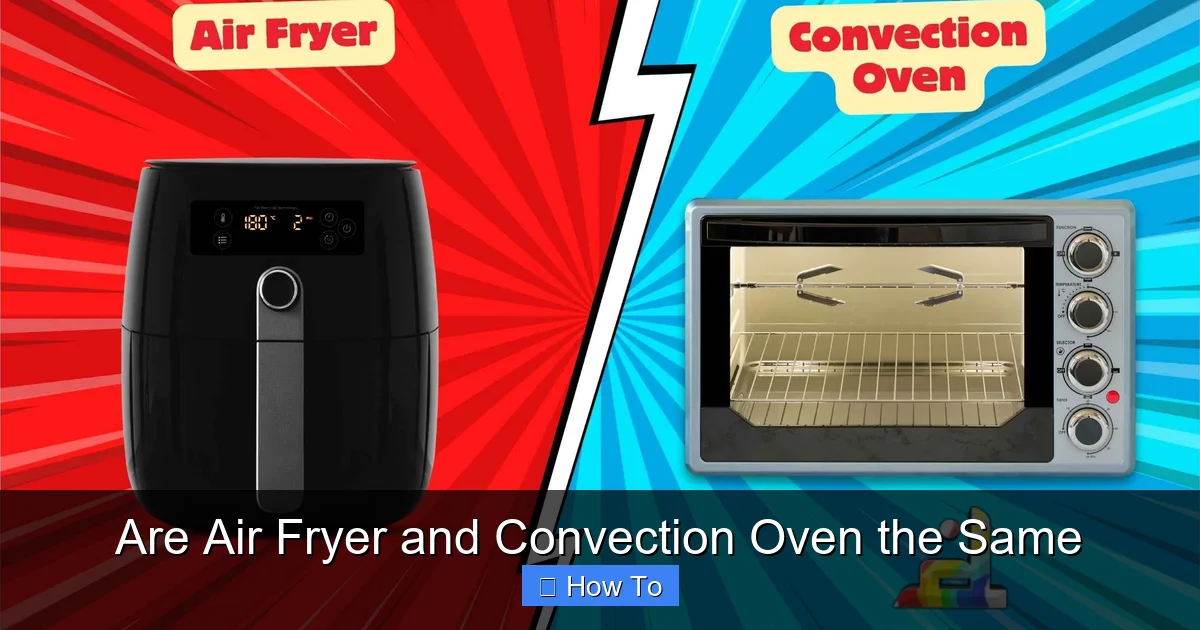
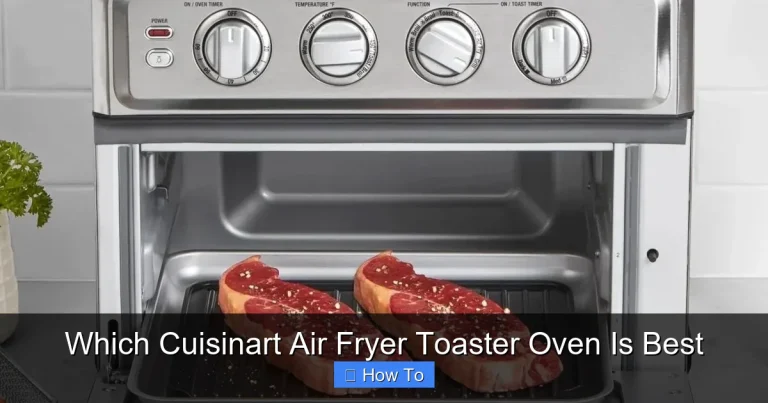
Visual guide about Are Air Fryer and Convection Oven the Same
Image source: diffeology.com
Size and Cooking Capacity
Perhaps the most obvious difference is size. Air fryers are compact countertop appliances. They typically range from 3 to 8 quarts in capacity. Some of the largest models might hold a small chicken or a few chicken thighs at once. This makes them perfect for small kitchens, apartments, or for cooking quick snacks and side dishes.
Convection ovens, on the other hand, come in a much wider range of sizes. You can find compact convection ovens with about 10 to 20 liters of capacity, or full-sized convection ovens that are built into kitchen cabinetry. The larger cooking chamber means you can prepare entire meals at once, roast larger cuts of meat, or bake multiple dishes simultaneously.
When deciding between these appliances, consider how much food you typically cook. If you’re feeding a large family or like to meal prep for the week, a convection oven offers the capacity you need. If you mainly cook for one or two people and want something that fits neatly on your counter, an air fryer might be the better choice.
Cooking Speed and Efficiency
Because air fryers are smaller, they heat up much faster than convection ovens. Where a conventional convection oven might take 10 to 15 minutes to preheat, many air fryers are ready to cook in just 3 to 5 minutes. This speed advantage makes air fryers incredibly convenient for busy weeknights.
The smaller cooking chamber also means the hot air reaches your food more quickly and stays consistently hot. In a larger convection oven, there’s more space for air to spread out, which can sometimes lead to slight temperature variations. Air fryers excel at maintaining very consistent temperatures throughout their compact cooking area.
For quick cooking tasks like reheating leftovers, cooking frozen snacks, or preparing a small batch of vegetables, air fryers are hard to beat. However, for larger meals where cooking time is less critical, the speed difference becomes less of an advantage.
Price Points and Value
Budget is always a consideration when purchasing kitchen appliances. Air fryers generally fall in the more affordable range. You can find decent air fryers starting around $50 to $80, with higher-end models running $150 to $250. This makes them accessible for most households looking to expand their cooking capabilities without breaking the bank.
Convection ovens have a wider price range. Small countertop convection ovens can cost $50 to $150, similar to air fryers. However, larger convection ovens, especially built-in models, can cost anywhere from $500 to several thousand dollars. The investment depends largely on the type and size of convection oven you choose.
Consider your cooking needs and budget carefully. If you want the versatility of a larger cooking space and don’t mind spending more, a convection oven offers excellent value. If you need something quick, affordable, and space-efficient, an air fryer delivers great results for everyday cooking tasks.
What Can You Cook in Each Appliance?
Both air fryers and convection ovens can handle a wide variety of foods. However, they each have their strengths when it comes to specific cooking tasks. Understanding what each appliance does best helps you make the most of your investment.
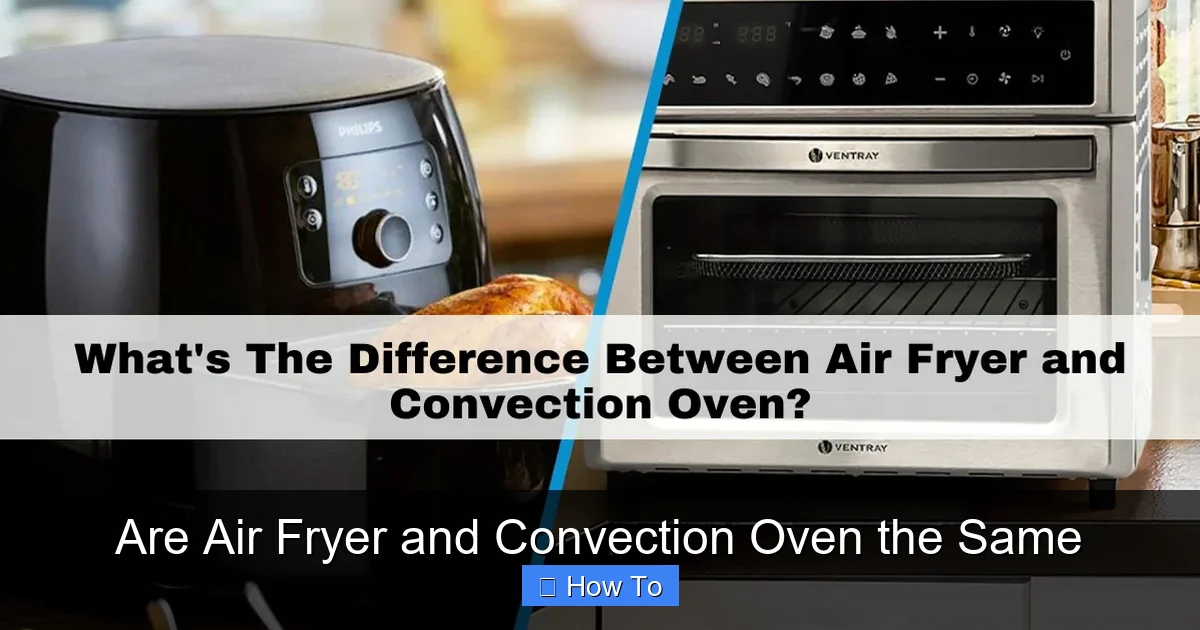
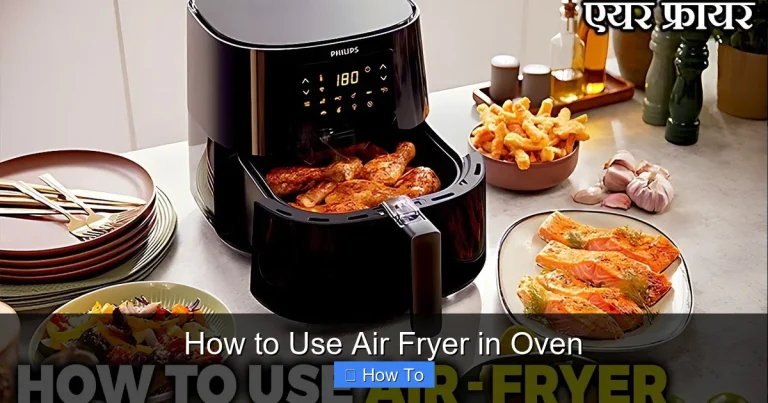
Visual guide about Are Air Fryer and Convection Oven the Same
Image source: goodhousecleaner.com
Cooking with an Air Fryer
Air fryers really shine when cooking foods that benefit from intense heat and maximum air circulation. Think about foods that traditionally need deep frying to achieve that crispy exterior. Chicken wings, French fries, onion rings, and mozzarella sticks come out incredibly crispy in an air fryer with just a light coating of oil.
These compact appliances also excel at cooking small portions quickly. Frozen foods like fish sticks, chicken tenders, and spring rolls cook beautifully in air fryers. The quick cooking time and powerful circulation create that desirable golden-brown finish without the excess oil of deep frying.
Air fryers work well for roasted vegetables too. Cut your vegetables into similar-sized pieces, toss them with a small amount of oil and seasoning, and air fry at high temperatures. You’ll get beautifully caramelized results in a fraction of the time it would take in a regular oven.
Cooking with a Convection Oven
Convection ovens handle larger cooking tasks with ease. You can roast whole chickens, bake multiple batches of cookies, prepare casserole dishes, and even bake cakes and bread. The larger interior space gives you flexibility that air fryers simply cannot match.
These ovens are excellent for when you want to cook an entire meal at once. You can roast your main protein on one rack while cooking vegetables on another. Some convection ovens even have multiple fans that allow you to cook different foods at different temperatures simultaneously.
Baking is another area where convection ovens often outperform air fryers. The more stable temperature control and larger space allow for better rising and browning of breads, cakes, and pastries. If you enjoy baking, a convection oven provides more consistent and professional results.
Can You Substitute One for the Other?
In many cases, yes, you can substitute a convection oven for an air fryer and vice versa. However, you may need to adjust cooking times and temperatures. Since air fryers cook faster, you might need to reduce the temperature or shorten the cooking time when using an air fryer recipe in a convection oven.
For some recipes, the substitution works perfectly. Roasting vegetables, cooking chicken breasts, or baking simple items often transfer well between appliances. However, for foods that require specific textures or very precise cooking, using the right appliance makes a difference.
If you’re wondering whether air fryers and convection ovens can truly replace each other, the honest answer is sometimes. They overlap significantly in what they can cook, but each has optimized performance for certain applications.
Pros and Cons Comparison
Let’s break down the advantages and disadvantages of each appliance so you can make an informed decision about which one best fits your lifestyle and cooking preferences.
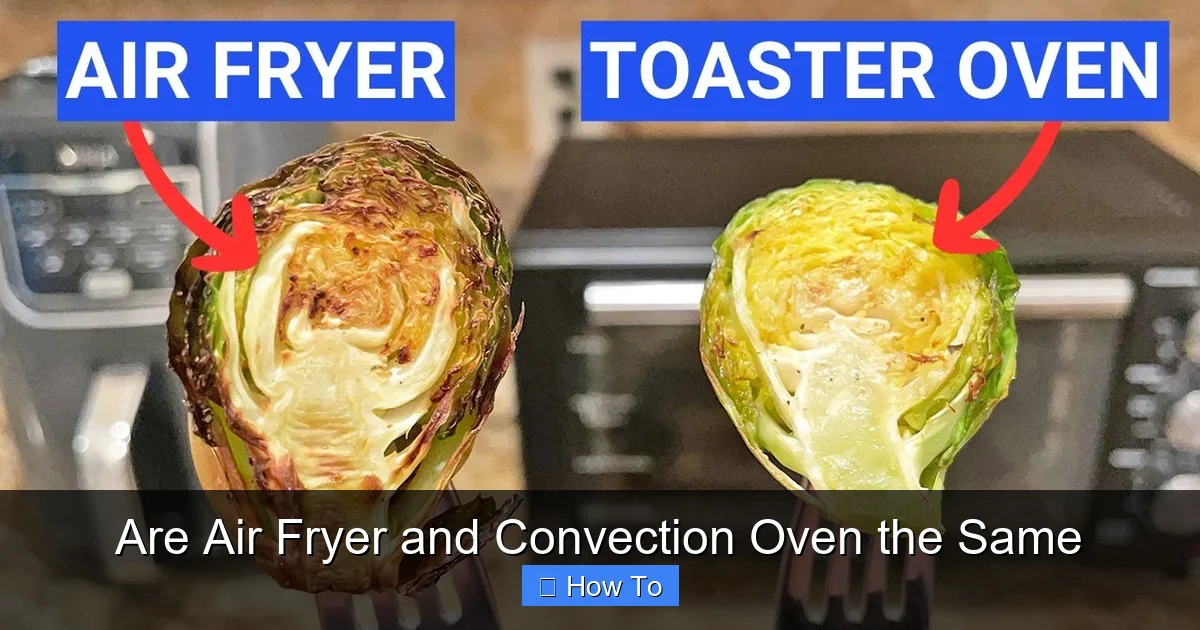
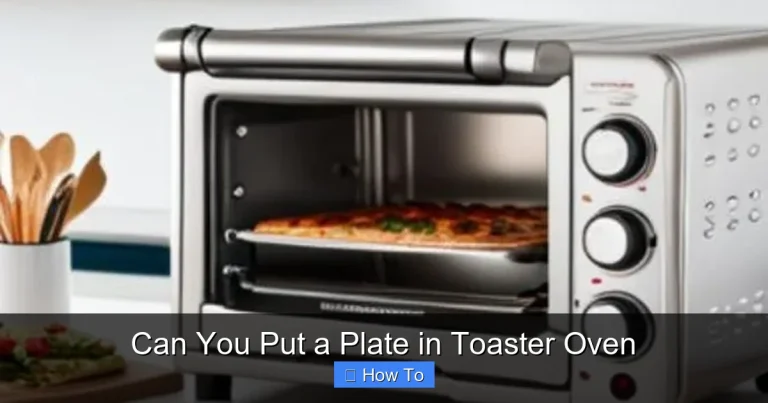
Visual guide about Are Air Fryer and Convection Oven the Same
Image source: i.ytimg.com
Advantages of Air Fryers
Air fryers offer several compelling benefits that make them popular among home cooks. Their compact size means they take up minimal counter space and store easily in cabinets when not in use. This makes them ideal for small kitchens, dorm rooms, or RVs where space is at a premium.
The quick preheat time is another major advantage. In today’s busy world, being able to start cooking in just a few minutes makes air fryers incredibly convenient. You can have a healthy snack ready in less time than it would take to preheat a full-size oven.
Air fryers also promote healthier cooking. By using hot air circulation instead of deep frying, you can achieve similar crispy results with significantly less oil. Many air fryer recipes call for just one to two tablespoons of oil compared to the cups of oil needed for traditional deep frying.
The cleanup is typically easier too. Most air fryer baskets and trays are nonstick and dishwasher safe. Since you’re not dealing with pots of hot oil, cleanup becomes much simpler and safer.
Disadvantages of Air Fryers
Despite their many advantages, air fryers do have limitations. The small cooking capacity is the most significant drawback. You simply cannot cook large meals for multiple people in a single batch. This means cooking for families requires multiple rounds, which takes more time overall.
Some air fryers also have limited temperature ranges compared to full-size ovens. If you want to do low-and-slow cooking like braising or proofing bread, you might find your air fryer doesn’t go low enough in temperature.
The learning curve can also be steep for some users. Since air fryers cook faster and at higher temperatures than traditional methods, getting used to adjusting recipes takes time. First-time users often overcook or burn their food before learning the proper techniques.
Advantages of Convection Ovens
Convection ovens offer unmatched versatility in the kitchen. The larger cooking capacity means you can prepare entire meals at once, accommodating everything from intimate family dinners to holiday gatherings. This makes them far more practical for regular family cooking.
The broader temperature range makes convection ovens suitable for all types of cooking. From low-temperature drying and dehydrating to high-heat roasting and broiling, convection ovens handle it all. This flexibility means you can use one appliance for virtually any cooking task.
Convection ovens also tend to be more durable and long-lasting than their compact counterparts. Built-in convection ovens especially are designed to last for years of regular use, making them a solid investment for your kitchen.
Disadvantages of Convection Ovens
The larger size of convection ovens means they take up more counter space or cabinet space. Even countertop convection ovens are significantly bigger than air fryers, which can be problematic in small kitchens.
Preheating takes longer, typically 10 to 15 minutes depending on the model. While this isn’t terribly long, it does require more planning compared to air fryers that are ready in minutes. For quick snacks or last-minute meals, this waiting period can be inconvenient.
Convection ovens also consume more energy due to their larger size and higher power requirements. This isn’t a dealbreaker, but it’s worth considering if you’re conscious about energy usage or utility costs.
Making the Right Choice for Your Kitchen
Choosing between an air fryer and a convection oven ultimately depends on your specific needs, kitchen space, cooking habits, and budget. Let me help you think through the decision with some practical guidance.
Consider Your Cooking Habits
Think honestly about how you typically cook. Do you usually prepare small meals for one or two people? Are you often cooking for a crowd? Do you bake bread and pastries regularly? Your answers to these questions will guide you toward the right appliance.
If you mainly cook quick meals and snacks, love crispy foods, and often find yourself reheating leftovers, an air fryer might serve you better. The speed and efficiency make it perfect for everyday cooking tasks that don’t require large portions.
If you regularly cook full meals, enjoy baking, or need to prepare food for multiple people simultaneously, a convection oven offers the versatility you need. The larger capacity and broader functionality make it a more complete cooking solution.
Think About Your Kitchen Space
Available space is often a deciding factor. Measure your counters and cabinets before making a decision. An air fryer typically measures about 12 inches wide and 12 inches deep, plus height. Convection ovens vary more widely but generally require more space.
If counter space is limited, consider whether you can dedicate permanent space to your appliance or if you need to store it when not in use. Air fryers store easily in cabinets, while larger convection ovens may need to stay on the counter permanently.
Evaluate Your Budget
Set a realistic budget for your purchase. Remember that both appliances can replace certain cooking tasks, potentially saving you money on other kitchen gadgets. An air fryer might eliminate the need for a deep fryer, while a convection oven might replace a toaster oven and slow cooker combination.
Consider not just the initial purchase price but also long-term costs. Energy-efficient models might cost more upfront but save money over time. Durable construction might justify a higher initial investment if you plan to use the appliance frequently.
Hybrid Options Worth Considering
Here’s some exciting news if you can’t decide between the two. Manufacturers have recognized that many home cooks want the best of both worlds. This has led to a new category of hybrid appliances that combine features of both air fryers and convection ovens.
Air Fryer Convection Ovens
Many manufacturers now offer what they call air fryer convection ovens. These are essentially convection ovens with the powerful fan technology found in air fryers. They feature a larger capacity than traditional air fryers while maintaining that high-velocity air circulation that creates such great results.
If you’re interested in exploring what is the best convection oven air fryer combination, these hybrid models might be exactly what you’re looking for. They offer the capacity of a convection oven with the cooking performance of an air fryer.
Toaster Oven Air Fryers
Another popular hybrid option combines toaster oven functionality with air frying capabilities. These compact appliances fit on your counter but offer more cooking space than traditional air fryers. They typically include multiple cooking functions including baking, broiling, toasting, and air frying.
For those with limited kitchen space who don’t want to sacrifice versatility, these combinations can be excellent choices. They provide flexibility that neither a basic air fryer nor a simple toaster oven can match alone.
Tips for Getting the Best Results
Whether you choose an air fryer, a convection oven, or a combination appliance, certain techniques help you achieve the best cooking results. These tips work for both types of appliances and will help you become more confident in your cooking.
Preheating Matters
Always preheat your appliance before cooking. Even though air fryers preheat quickly, skipping this step leads to uneven cooking. Most recipes assume the appliance is at temperature before you add your food. Taking those extra few minutes makes a noticeable difference in your results.
Don’t Overcrowd
This is perhaps the most important tip for getting great results. Both air fryers and convection ovens rely on air circulation to cook food evenly. When you overcrowd the cooking basket or tray, you block that air circulation. This leads to unevenly cooked food with soggy spots.
Cook in single layers whenever possible. It might take longer to cook multiple batches, but the results are worth it. You’ll get that consistent crispy texture throughout your food instead of a mix of overcooked and undercooked areas.
Use Light Oil Sprays
While you don’t need much oil, using a little helps achieve that crispy finish we all love. Spray your food lightly with oil before cooking rather than drizzling it on. This ensures even coverage without using too much. An oil sprayer bottle gives you the best control over application.
Shake or Flip Your Food
For the most even results, shake the basket or flip your food halfway through cooking. This exposes all sides to the hot circulating air. Most air fryer recipes recommend shaking at the halfway point, and this same principle applies to convection oven cooking as well.
Conclusion
So, are air fryers and convection ovens the same? No, they are not identical appliances. While they share the same fundamental technology of using a heating element and fan to circulate hot air, they differ in size, capacity, cooking speed, and primary functions.
Air fryers are compact, fast, and perfect for small portions of crispy food. They heat up quickly, use minimal oil, and take up very little counter space. They’re ideal for individuals, couples, or anyone who wants quick, healthy cooking without the fuss of a large appliance.
Convection ovens are larger, more versatile, and better suited for cooking full meals. They handle everything from roasting whole chickens to baking bread, with the capacity to feed multiple people at once. While they take longer to preheat and require more space, they offer flexibility that air fryers cannot match.
The good news is that you don’t necessarily have to choose just one. Many home cooks find that having both appliances serves them well. Use your air fryer for quick snacks and side dishes while relying on your convection oven for larger meals and baking projects.
Ultimately, the best choice depends on your specific needs, kitchen space, and cooking style. Consider what matters most to you, try not to overthink the decision, and remember that both appliances can genuinely improve your cooking experience in different ways.
Frequently Asked Questions
Can I use aluminum foil in my air fryer or convection oven?
Yes, you can use aluminum foil in both appliances. However, make sure the foil does not block the air circulation vents or touch the heating elements. Never cover the entire basket or tray with foil, as this creates a fire hazard and prevents proper cooking.
Do air fryers really taste like deep-fried food?
Air fryers produce a similar crispy texture to deep-fried foods, but the taste is slightly different. Since you’re using hot air instead of oil submersion, you won’t get that heavy oil absorption. Most people find air-fried foods taste lighter while still satisfying that craving for crispy textures.
Is it worth buying an air fryer if I already have a convection oven?
If your convection oven is large and takes a long time to preheat, an air fryer offers convenience for quick cooking tasks. However, if your convection oven preheats quickly and meets your cooking needs, an air fryer might be redundant. Consider whether the speed advantage would genuinely benefit your cooking routine.
Can you bake cakes in an air fryer?
Yes, you can bake simple cakes in an air fryer, though the results differ from traditional oven baking. Small cakes, muffins, and brownies work well. You may need to adjust temperatures and check frequently. For elaborate layered cakes, a conventional oven or larger convection oven would be more practical.
How do I clean my air fryer or convection oven?
Allow the appliance to cool completely before cleaning. Remove baskets and trays and wash them in warm, soapy water or place them in the dishwasher if they’re dishwasher-safe. Wipe the interior with a damp cloth. Never submerge the main unit in water or put it in the dishwasher.
What’s the difference between a convection setting and an air fryer mode?
Convection settings use moderate fan speeds suitable for general cooking, baking, and roasting. Air fryer modes use maximum fan speeds with optimized basket designs for achieving extra-crispy results with minimal oil. Some appliances offer both modes, giving you flexibility depending on what you’re cooking.