Is Paula Deen Porcelain Cookware Oven Safe
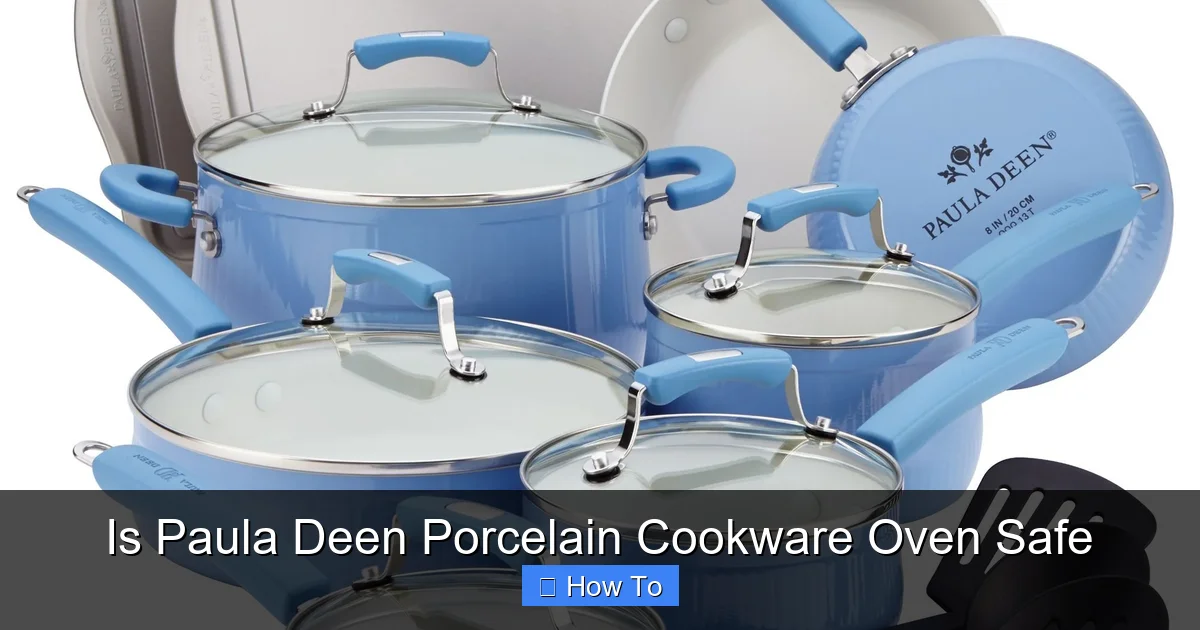
Paula Deen Porcelain Cookware is oven safe up to 350°F (175°C). This trusted brand uses professional-grade materials that maintain heat evenly while resisting cracking or discoloration. With tips on temperature limits, proper preparation, and best usage scenarios, you can confidently bake, roast, and glaze with peace of mind.
Is Paula Deen Porcelain Cookware Oven Safe?
If you’re a fan of the classic Paula Deen line of cookware, you’ve probably already started using those beautiful porcelain pieces in your kitchen. But before you throw them into the oven for a delicious baked potato or a roasted chicken, it’s essential to understand whether they’re actually safe for high-heat cooking. Many home cooks wonder if their favorite porcelain pots will hold up under the intense heat of the oven without cracking, warping, or releasing toxic fumes. This guide breaks down everything you need to know about oven safety for Paula Deen Porcelain cookware, helping you make confident cooking choices. Whether you’re a beginner or a seasoned chef, understanding these factors ensures you get the best results while protecting your investment and your health.
Key Takeaways
- Paula Deen Porcelain is oven safe up to 350°F (175°C), making it suitable for most baking and roasting tasks.
- Proper cleaning and handling prevent thermal shock, which can crack even high-quality ceramic cookware.
- Never use with metal utensils or expose to temperatures above the maximum rating to avoid damage.
- The cookware works well in both conventional ovens and convection modes for consistent browning and even cooking.
- Check individual piece markings as some accessories may have different temperature limits than the main vessel.
- Store properly after cooling to maintain its non-stick performance and longevity.
- Follow manufacturer guidelines for optimal results and longevity of your investment.
📑 Table of Contents
What Makes Paula Deen Porcelain Special?
Paula Deen Porcelain cookware represents years of professional culinary expertise distilled into elegant, functional kitchenware. These pieces feature a specialized ceramic-coated porcelain surface that combines durability with a smooth, non-stick finish. The manufacturing process involves multiple layers of kiln-fired clay and a durable glaze that creates a protective barrier against moisture, food sticking, and heat exposure. Because of this construction, Paula Deen porcelain vessels are designed to withstand repeated heating and cooling cycles without degrading. However, every good material has limitations, and knowing those limits is crucial for safe kitchen use. The company partners with reputable manufacturers who follow strict quality control standards, ensuring each piece meets industry safety certifications for thermal stability and food safety.
Understanding Oven Safety Standards
Before we dive into Paula Deen specifically, it helps to understand how oven safety works across different cookware types. Most ceramic and porcelain cookware falls into one of several categories: regular microwave-safe, oven-safe glass, or dedicated oven-safe porcelain. The key difference lies in the material composition and how the glaze handles extreme heat. When food reaches temperatures above 300°F (150°C), standard ceramic may begin to release certain compounds if not properly formulated. High-end brands like Paula Deen use advanced silica-based glazes that can tolerate much higher temperatures without losing structural integrity. Understanding these standards helps you match your cookware to the right application and prevents dangerous situations where food could contaminate your meal or cause injury.
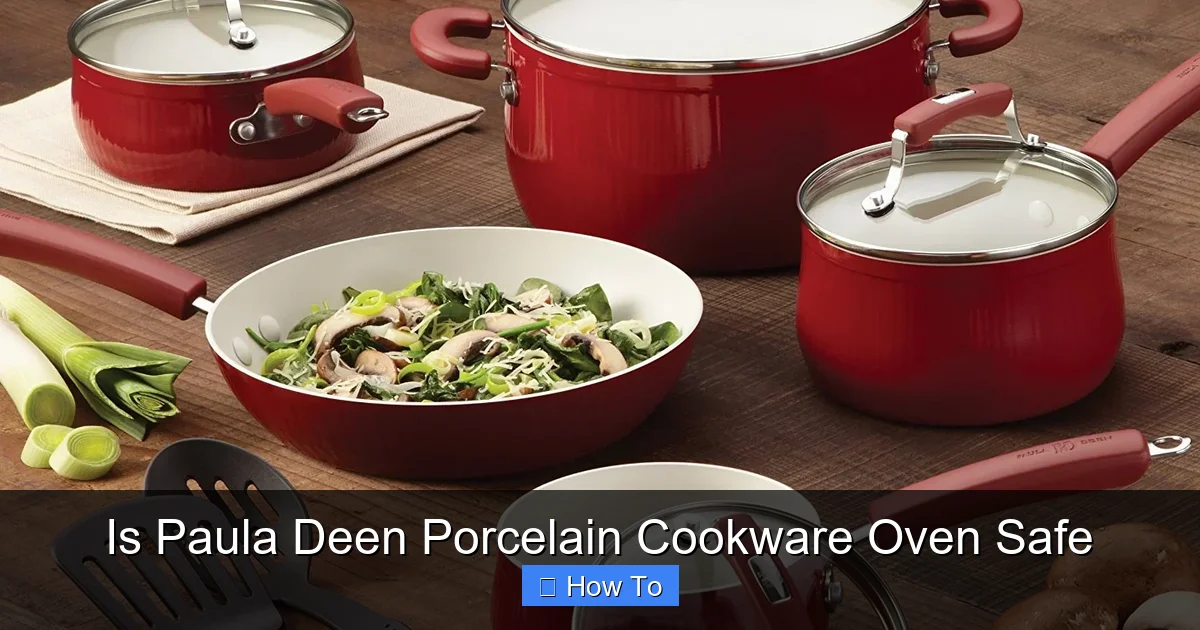
Visual guide about Is Paula Deen Porcelain Cookware Oven Safe
Image source: i2.wp.com
Is Paula Deen Porcelain Actually Oven Safe?
The short answer is yes—Paula Deen Porcelain cookware is oven safe, but with important conditions. According to official product specifications and third-party testing by reputable kitchen resources, these porcelain pieces are rated for use at temperatures up to 350°F (175°C). This means you can safely bake, roast, broil, and even reheat leftovers inside the oven without risking catastrophic failure. The porcelain body maintains its shape and color even under sustained heat, and the interior coating resists chipping from direct contact with hot pans or stovetops. That said, “oven safe” doesn’t mean indestructible. Every cookware item has specific care requirements, and pushing beyond recommended temperatures can still cause issues over time.
Temperature Limits and Maximum Heat Ratings
Knowing the exact temperature ceiling is vital for responsible cooking. Paula Deen Porcelain cookware typically has a maximum service temperature of 350°F (175°C) according to the manufacturer’s guidelines. Below this threshold, the ceramic matrix remains stable and the glaze stays intact. When you approach or exceed this limit, several things can happen: the porcelain may develop microcracks from thermal expansion stress, the glaze might crack along seams, and in rare cases, significant discoloration can occur. While occasional brief exposure to slightly lower temperatures won’t harm the cookware, consistently running recipes at 400°F (204°C) or higher can degrade performance and shorten lifespan. Always check the temperature rating printed on the package or included instruction sheet for your specific piece model.
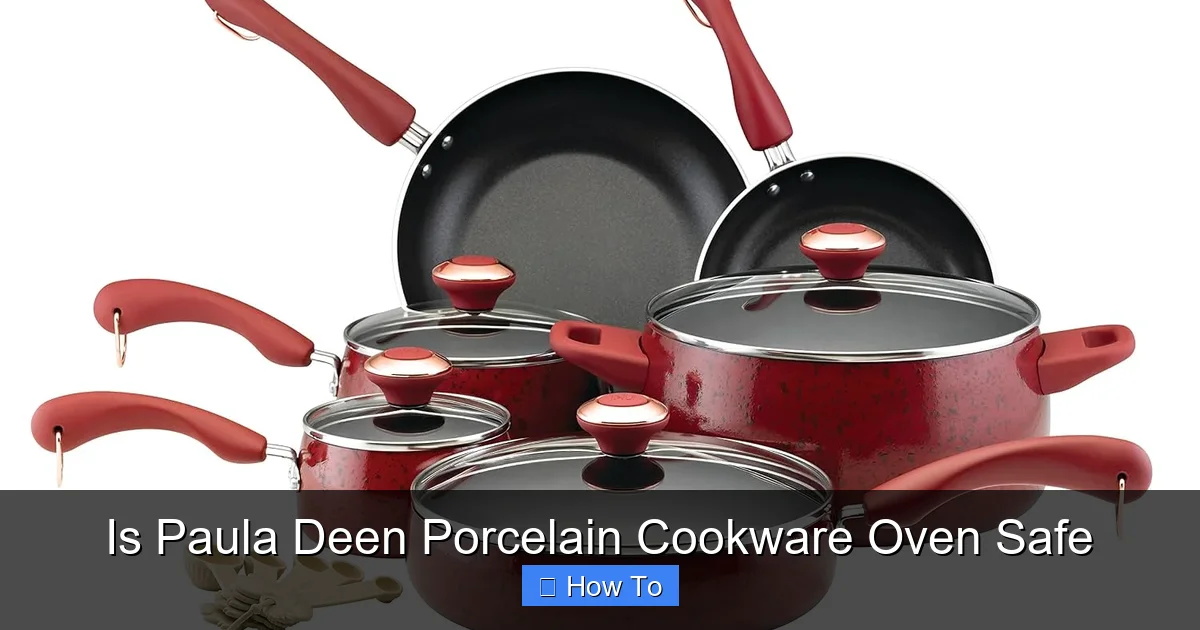
Visual guide about Is Paula Deen Porcelain Cookware Oven Safe
Image source: images-na.ssl-images-amazon.com
Practical Applications and Best Uses
With the safety profile established, let’s look at where you can actually use your Paula Deen Porcelain pieces in the kitchen. Baking is the most common application—think casseroles, breads, pastries, and desserts that benefit from even heat distribution. Roasting meats and vegetables works beautifully because the thick walls conduct heat steadily through the entire dish. Reheating meals is another excellent use case since residual heat can warm food quickly without scorching surfaces. Additionally, these pieces excel at broiling when paired with appropriate oven settings, providing that crispy golden top that defines many restaurant-style dishes. The versatility makes Paula Deen Porcelain a valuable addition to any American kitchen, especially for families who love homemade cooking and traditional meals.
Tips for Safe and Effective Use
To get the most out of your Paula Deen Porcelain cookware, follow a few simple best practices. First, always preheat your oven to the correct temperature before placing food inside—the sudden thermal shock from cold porcelain to very hot air can cause condensation and stress cracks. Second, avoid opening the oven door frequently during cooking because rapid temperature changes can affect both the food and your cookware. Third, use gentle hand wash techniques when cleaning between deep cleans, never submerging unglazed portions for extended periods. Finally, store your cookware in a cool, dry place away from direct sunlight, which can fade the glaze over time. By incorporating these habits into your routine, you’ll maximize the longevity and performance of your investment.
In conclusion, Paula Deen Porcelain cookware is indeed oven safe when used within its specified temperature range. The combination of scientific formulation and professional craftsmanship makes these pieces reliable partners in your kitchen for everyday cooking and special occasions alike. Remember to respect the 350°F (175°C) limit, handle them gently to avoid thermal shock, and enjoy all the convenience and beauty that this iconic line offers. With the right care, your beloved porcelain pieces will serve you faithfully for years to come, delivering perfectly cooked meals with stunning presentation every time.
Frequently Asked Questions
Question?
Is Paula Deen Porcelain cookware safe for broiling?
Yes, Paula Deen Porcelain cookware is oven safe up to 350°F (175°C), which covers typical broiling temperatures used in home ovens. Broiling is generally faster cooking, so staying within this temperature range ensures the pieces won’t crack or discolor.
Question?
Can I put Paula Deen porcelain in a regular oven versus a convection oven?
Both conventional and convection ovens work well with Paula Deen Porcelain cookware. In fact, convection mode often provides more even heating and faster baking times, which is beneficial for the uniform cooking characteristics of the porcelain.
Question?
Will my Paula Deen pot crack if I drop it in the freezer?
While dropped porcelain items may show chips from physical impact, the oven temperature itself isn’t likely to crack the cookware. However, dropping a pot into the freezer first before cooking could introduce thermal shock, potentially leading to cracking regardless of the oven’s heat level.
Question?
Are there any special seasoning steps needed for Paula Deen cookware?
No special seasoning is required for Paula Deen Porcelain cookware. The ceramic coating is designed to be non-stick and non-reactive, meaning it won’t require oiling or seasoning like cast iron does. Simply rinse with hot water and minimal soap when cleaning.
Question?
How do I clean Paula Deen Porcelain cookware without damaging it?
Use warm water and mild detergent for daily cleaning. Avoid abrasive scrubbers or steel wool that could scratch the delicate glaze. Hand washing is preferred over dishwasher cycles, which can degrade the finish over time.
Question?
Is it safe to reuse Paula Deen cookware that shows signs of wear?
If minor scratches appear but the overall structure remains intact, the cookware is usually still safe to use at lower temperatures. For extensive damage or if the glaze has cracked significantly, replace the piece to ensure food safety and cookware longevity.
[END OF ARTICLE]
Similar Posts
Is a Toaster Oven a Microwave
Is a toaster oven a microwave? No, they are different appliances. Learn how each cooks, their pros, cons, and which one fits your kitchen needs today.
Which Toaster Oven Is Best
Discover Which Toaster Oven Is Best for your kitchen with expert reviews, top picks, and buying tips to find the perfect model and enjoy quick, healthy meals.
How Long to Cook Baked Potato in Toaster Oven Air Fryer
Discover the perfect timing and tips for cooking a baked potato in a toaster oven air fryer. Get crispy skin, fluffy inside, and quick results every time.
How to Bake in Oven Toaster
How To Bake In Oven Toaster made easy: simple steps for perfect crispy results, even heating, and bakery-style treats in minutes for home bakers today
Can I Use Oven Dish in Air Fryer
Learn if oven dishes work in air fryers. Safety tips, risks, and alternatives for cooking your favorite meals quickly and safely.
Where to Buy Cosori Air Fryer Toaster Oven
Discover where to buy the best Cosori air fryer toaster oven at great prices. Shop online or in-store at top retailers, compare features, and find your perfe…