Can You Put Styrofoam in a Toaster Oven
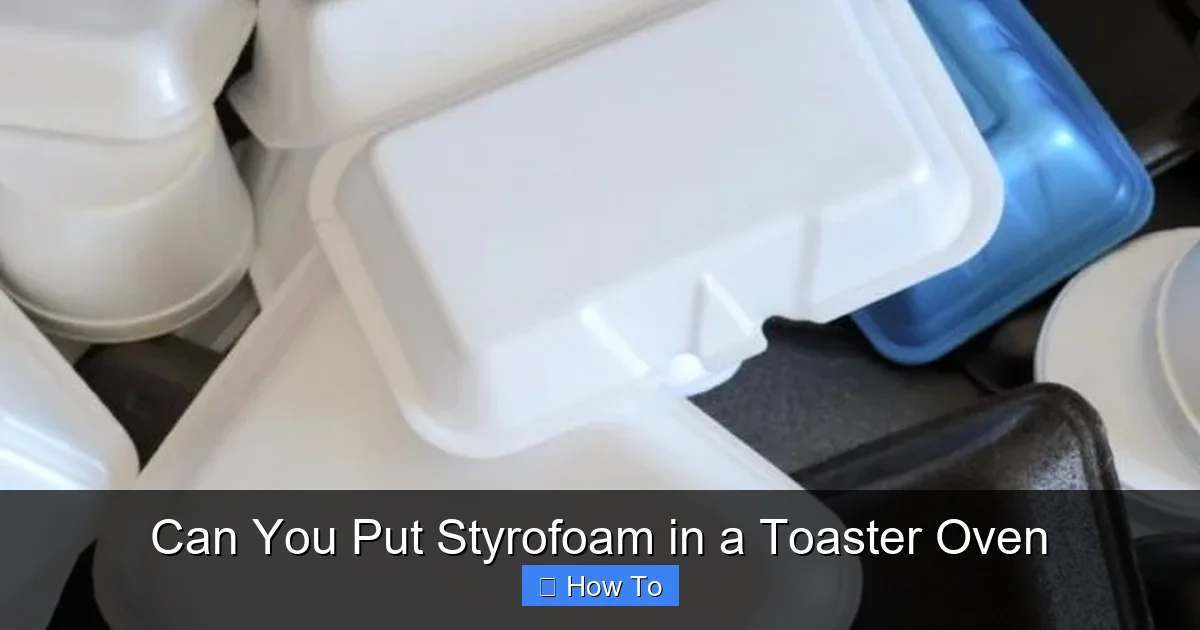
Can you put Styrofoam in a toaster oven? The short answer is no. Styrofoam is made of polystyrene, a plastic that melts and releases toxic fumes when exposed to high heat. Putting Styrofoam in a toaster oven poses a serious fire hazard and can ruin your food with harmful chemicals. To keep your kitchen safe, use heat-resistant alternatives like ceramic, glass, or metal trays. Always check the temperature limits of any container before putting it in your toaster oven.
Key Takeaways
- Styrofoam is highly unsafe: It melts at relatively low temperatures, releasing toxic chemicals.
- Fire hazard risk: Styrofoam can easily catch fire in the heating elements of a toaster oven.
- Chemical contamination: Melted Styrofoam can leach harmful substances into your food.
- Temperature limits: Toaster ovens reach temperatures far exceeding Styrofoam’s melting point.
- Safe alternatives exist: Use ceramic plates, glass dishes, or metal pans instead of Styrofoam.
- Check material labels: Always verify if a container is heat-safe before placing it in any heating appliance.
📑 Table of Contents
Can You Put Styrofoam in a Toaster Oven? The Direct Answer
Let’s get straight to the point. You should never put Styrofoam in a toaster oven. While Styrofoam is great for keeping your coffee warm or protecting fragile items during a move, it is a disaster waiting to happen in your kitchen appliances. Toaster ovens generate intense heat, and Styrofoam simply cannot handle it. If you are looking for a quick answer, the safest choice is to keep Styrofoam completely away from any heating element. Many people wonder about this because Styrofoam containers are so common for takeout food. It is easy to think that since it held hot soup, it can handle a toaster oven. However, takeout containers are designed for short-term warmth, not the dry, direct heat of a toaster oven. To understand why this is so dangerous, we need to look at what Styrofoam actually is and how it reacts to heat. Many people assume that because Styrofoam is used for hot coffee, it can withstand any heat. However, coffee is brewed at around 200 degrees Fahrenheit, which is right at the melting point of Styrofoam. The liquid coffee is hot, but it does not transfer heat as aggressively as the dry, radiant heat of a toaster oven element. This difference in heat transfer is why Styrofoam can hold hot liquids briefly but will instantly melt in a toaster oven.
The Science Behind Styrofoam and Heat
Styrofoam is a brand name for expanded polystyrene, which is a type of plastic made from styrene monomers. It is lightweight, cheap, and an excellent insulator, which is why it is used for disposable cups and food packaging. However, these same properties make it highly unstable when exposed to high temperatures. The melting point of Styrofoam is relatively low, typically around 212 degrees Fahrenheit (100 degrees Celsius). Toaster ovens easily reach temperatures between 300 and 450 degrees Fahrenheit, especially when baking or broiling. Once the temperature exceeds the melting point, the structure of the Styrofoam breaks down completely. It does not just melt into a liquid; it degrades and releases harmful chemicals.
Visual guide about Can You Put Styrofoam in a Toaster Oven
Image source: kitchenncooking.com
The Danger of Toxic Fumes
When Styrofoam melts, it releases styrene, a suspected carcinogen, and other volatile organic compounds (VOCs). Inhaling these fumes can be harmful to your health, causing respiratory irritation, headaches, or more serious long-term effects. If you are heating food in a Styrofoam container, these toxic chemicals can also leach directly into your food. This is why microwaving Styrofoam is also discouraged unless it is specifically labeled microwave-safe, and a toaster oven is even more dangerous due to its direct heating elements. Polystyrene is a polymer, meaning it is made of long chains of repeating molecules. When you heat it, these chains begin to vibrate and break apart. This process, called thermal degradation, starts well before the plastic visibly melts. As the chains break, they release individual styrene molecules into the air and into your food. Styrene is classified as a possible human carcinogen by the International Agency for Research on Cancer (IARC). While the amount of exposure from a single incident might seem small, repeated exposure or exposure to high concentrations can have serious health impacts. In a toaster oven, the heat is dry and intense, which accelerates this degradation process significantly compared to a microwave or a conventional oven. Takeout containers are designed to be lightweight and cheap, not to withstand the intense, dry heat of a toaster oven. In a conventional oven or microwave, the heat is more evenly distributed and often moderated by the food itself. But in a toaster oven, the heating elements are extremely close to the container, creating localized hot spots that instantly exceed the melting point of the plastic. This is why even a few minutes in a toaster oven can completely ruin a Styrofoam container.
If you are curious about other common kitchen items and whether they are safe, you might want to check out our guide on What Can You Put In Toaster Oven to see which materials are completely safe for your appliance.
What Happens When Styrofoam Melts in a Toaster Oven?
Imagine putting a Styrofoam plate or takeout container in your toaster oven. Within minutes, you will see the container warp, bubble, and collapse. The melting Styrofoam will drip onto the heating elements or the bottom of the oven. This creates a massive mess that is incredibly difficult to clean because the melted plastic bakes onto the metal surfaces. More importantly, the melting plastic can catch fire. The heating elements in a toaster oven are extremely hot and close to the cooking chamber. When Styrofoam melts and drips, it can ignite, leading to a kitchen fire. Even if it does not catch fire immediately, the smoke and toxic fumes can fill your kitchen, triggering smoke detectors and creating an unsafe breathing environment. Aside from the fire risk, the physical transformation of the container ruins your meal. If you are trying to heat a meal on a Styrofoam tray, the plastic will melt into your food. Once the Styrofoam touches your food, it is contaminated with chemicals and cannot be salvaged. Always transfer your food to a heat-safe dish before cooking. To understand what materials are actually safe to cook on, you can read about What Can You Cook In Oven Toaster to get great ideas for safe meals. Imagine you put a Styrofoam clamshell container of leftover pasta in your toaster oven. Within two minutes, the plastic starts to warp. The lid might collapse, and the sauce, which is hot and oily, will mix with the melting plastic. The oil acts as a solvent, further breaking down the Styrofoam and accelerating the release of chemicals. The melted plastic will drip down onto the crumb tray or the bottom of the oven. Once it cools, it becomes a hard, black, sticky residue that is incredibly difficult to scrape off. You might have to replace the crumb tray or even the entire oven if the damage is severe. Additionally, the smell of burning plastic will linger in your kitchen for days, affecting every meal you cook afterwards. The smell of burning plastic is another major issue. Once Styrofoam begins to melt and burn, it releases a highly unpleasant odor that can easily penetrate your home. This smell can cling to your curtains, carpets, and even your clothes, making it difficult to get rid of. Additionally, cleaning up melted Styrofoam is a nightmare. The melted plastic hardens as it cools, bonding tightly to the metal surfaces of your toaster oven. You might need to use harsh chemicals or replace parts of your oven entirely to get rid of the residue.
Safe Kitchen Alternatives to Styrofoam
The good news is that there are plenty of safe, durable, and healthy alternatives to Styrofoam for your toaster oven. Switching to these options not only keeps you safe but also helps the environment by reducing single-use plastic waste.
Ceramic and Porcelain Plates
Ceramic and porcelain are excellent choices for toaster ovens. They are heat-resistant, durable, and can handle high temperatures without warping or releasing chemicals. Most everyday plates are made of ceramic, making them a perfect alternative to disposable Styrofoam. Just make sure they do not have metallic trim, as that can spark in the oven. If you want to learn more about using everyday plates, check out our article on Can You Put Plates In The Toaster Oven to see if your favorite dinnerware is safe.
Glass Bakeware and Dishes
Glass is another fantastic option. Tempered glass, such as Pyrex, is designed to withstand rapid temperature changes and high heat. It is non-porous, meaning it won’t absorb odors or chemicals, and it is very easy to clean. Glass dishes are perfect for baking small portions of casseroles, cookies, or reheating leftovers.
Metal Pans and Trays
Aluminum, stainless steel, and cast iron are highly conductive and completely safe for toaster ovens. Metal baking sheets, muffin tins, and loaf pans are ideal for roasting vegetables, baking cookies, or heating up savory dishes. Just ensure the metal is oven-safe and fits properly inside your toaster oven without blocking the heating elements.
Parchment Paper and Liners
If you are looking for a disposable alternative to make cleanup easy, parchment paper is a much safer choice than Styrofoam. Unlike wax paper, which can catch fire, parchment paper is silicone-coated and can withstand toaster oven temperatures. It is perfect for lining baking sheets or wrapping food. For a deeper dive into paper products, you can read our guide on Can You Use Wax Paper In Toaster Oven to understand the differences between paper types. Another great resource is our guide on Can You Put Paper In The Toaster Oven, which explains exactly which paper products are safe and which ones are a fire hazard. Ceramic and porcelain are classic choices for baking and reheating. They distribute heat evenly, which helps prevent hot spots in your toaster oven. You can use a small ceramic baking dish to make a single serving of mac and cheese, or a porcelain plate to reheat a slice of pizza. Just remember to avoid putting any dishes with metallic gold or silver rims in the toaster oven, as metal can spark and damage the appliance. Glass is incredibly versatile. A small glass baking dish is perfect for baking brownies, cookies, or a small cake. It also allows you to see the food cooking, which is helpful when you are monitoring the progress. Tempered glass can handle the rapid temperature changes of a toaster oven, but you should still avoid sudden shocks, like taking it from the fridge straight into the hot oven. Metal is the workhorse of the toaster oven. Aluminum baking sheets are ideal for roasting a small batch of vegetables, like broccoli or carrots. You can line them with parchment paper for easy cleanup. Stainless steel muffin tins are great for baking egg muffins or mini quiches. Cast iron skillets are excellent for searing a steak or cooking a small skillet cookie, as they retain heat beautifully. If you prefer disposable options for easy cleanup, parchment paper is your best friend. You can use pre-cut parchment rounds for cakes or sheets for lining baking trays. Unlike wax paper, which is coated with wax and can catch fire, parchment paper is coated with silicone, which is heat-resistant and safe up to about 450 degrees Fahrenheit. Just make sure you do not let the parchment paper touch the heating elements, as it can burn if it is too close. Beyond safety, switching to reusable alternatives is a great way to reduce your environmental footprint. Single-use Styrofoam contributes to landfill waste and can take hundreds of years to decompose. By using ceramic, glass, or metal containers, you are making a sustainable choice that benefits the planet. Over time, you will save money by not having to constantly buy disposable plates and containers, and you will have a more organized, eco-friendly kitchen.
Tips for Safe Toaster Oven Cooking
Using your toaster oven safely is all about knowing your appliance and choosing the right tools. Here are some practical tips to keep your kitchen safe and your food delicious. Always check the maximum temperature of your toaster oven and the heat resistance of the dish you are using. If you are using a glass dish, ensure it is tempered for high heat. If you are using plastic, make sure it is labeled “oven-safe” or “heat-resistant.” When in doubt, err on the side of caution and use metal, ceramic, or glass. Toaster ovens rely on hot air circulating around the food to cook evenly. If you use a dish that is too large, it might block the vents or touch the heating elements. This can cause uneven cooking or damage your appliance. Always use dishes that fit comfortably inside with a few inches of clearance on all sides. Glass and ceramic can crack if they experience rapid temperature changes. Do not place a cold glass dish directly into a hot toaster oven, and do not plunge a hot dish into cold water. Let your dishes cool down gradually on the stovetop or counter before washing them. Keeping your toaster oven clean is also a key part of safety. Built-up food crumbs, grease, or melted plastic can catch fire or produce smoke. Empty the crumb tray regularly, and wipe down the interior with a mild cleaner. Always unplug the toaster oven before cleaning it to avoid accidental shocks. Another tip is to always preheat your toaster oven if the recipe calls for it. Preheating ensures that the oven reaches the correct temperature before you put your food in, which is especially important for baking. It also helps prevent condensation on your food, which can make it soggy. Preheating your toaster oven is a simple step that makes a big difference in your cooking results. It ensures that your food starts cooking at the correct temperature immediately, which is especially important for baking delicate items like cakes or cookies. Without preheating, your food might sit in a cold oven, leading to uneven baking or soggy results. A preheated oven also helps achieve a better texture, giving your baked goods a nice rise and golden-brown crust. Finally, always use oven mitts or pot holders when handling hot dishes. Toaster ovens can get very hot on the outside, and the dishes you use will also be extremely hot. This prevents burns and keeps your kitchen safe.
Conclusion
In summary, Styrofoam has no place in your toaster oven. The risks of fire, toxic fumes, and food contamination are simply too high. By choosing safe alternatives like ceramic, glass, or metal, you can enjoy worry-free cooking and protect your health. Remember, when it comes to kitchen safety, it is always better to be safe than sorry. Transfer your food to a proper baking dish before heating, and your toaster oven will serve you well for years to come.
Frequently Asked Questions
Can Styrofoam catch fire in a toaster oven?
Yes, Styrofoam can easily catch fire in a toaster oven. Because it is made of polystyrene, it melts and degrades under high heat, and the melting plastic can easily ignite when it comes into contact with the heating elements, creating a serious fire hazard.
What temperature does Styrofoam melt?
Styrofoam typically begins to melt and degrade at around 212 degrees Fahrenheit (100 degrees Celsius). Since toaster ovens easily reach temperatures between 300 and 450 degrees Fahrenheit, putting Styrofoam inside will cause it to melt almost immediately.
Can I use microwave-safe Styrofoam in a toaster oven?
No, even if Styrofoam is labeled microwave-safe, it is not safe for a toaster oven. Microwave-safe labels only mean the container is safe for microwave radiation, not for the dry, direct, and intense radiant heat found in toaster ovens.
What should I do if Styrofoam melts in my toaster oven?
If Styrofoam melts in your toaster oven, unplug the appliance immediately and let it cool completely before attempting to clean it. Use oven mitts to carefully remove the melted plastic, and thoroughly air out your kitchen to disperse any toxic fumes before using the oven again.
Are there any safe disposable containers for toaster ovens?
Yes, parchment paper and aluminum foil are safe disposable options for toaster ovens, provided they do not touch the heating elements. However, you should always avoid using Styrofoam, wax paper, or regular paper plates, as they are highly flammable.
How can I reheat takeout food safely in a toaster oven?
To reheat takeout food safely, transfer the food from the Styrofoam container to a heat-safe ceramic, glass, or metal plate before placing it in the toaster oven. This prevents chemical contamination and keeps your kitchen safe from fire hazards.