Can You Put Pyrex in Toaster Oven
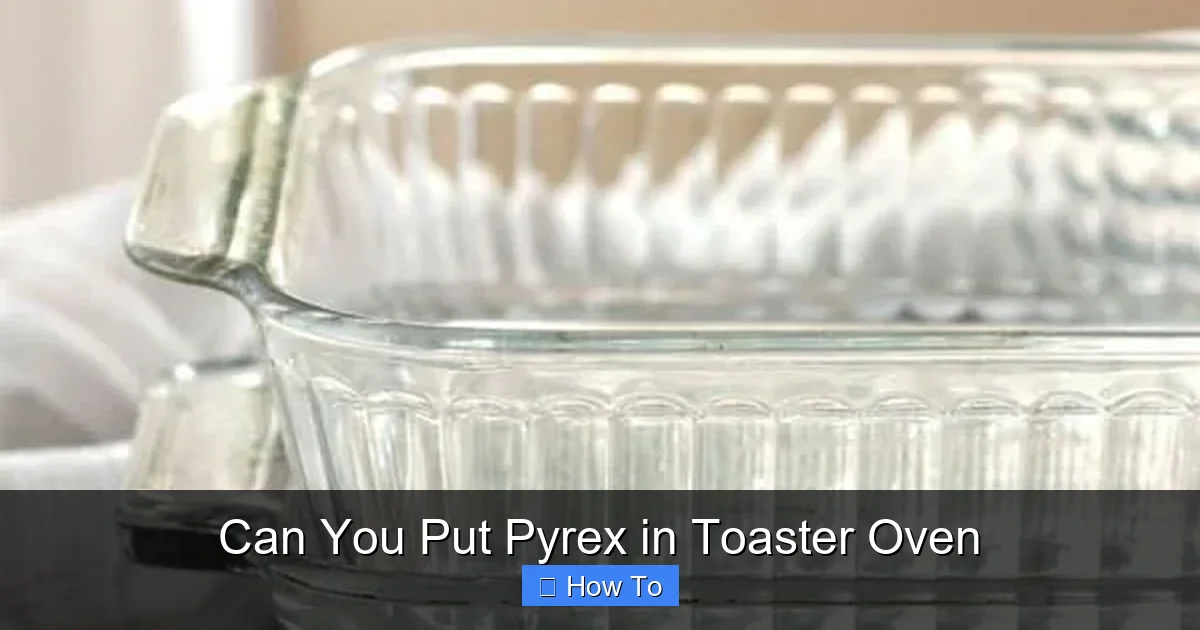
Yes, you can put most Pyrex in a toaster oven — but only if the dish is labeled oven safe and you follow a few simple rules. Tempered glass Pyrex handles toaster oven heat well, but sudden temperature changes, broiler settings, and plastic lids can cause cracking or shattering. Always check the stamp on the bottom of the dish before you bake.
You’ve got leftover lasagna in a Pyrex dish. Your big oven feels like overkill for one portion. So you glance at the toaster oven on the counter and think, “Can I just pop this in there?”
It’s a great question, and a really common one. Toaster ovens are small, fast, and don’t heat up the whole kitchen. Pyrex is sturdy, affordable, and basically lives in most cabinets. On paper, they seem like a perfect match.
The good news? In most cases, yes — you can put Pyrex in a toaster oven. But there are a few important rules you need to know first. Get them wrong and you could end up with cracked glass, a ruined dinner, or worse. Let’s walk through exactly what’s safe, what isn’t, and how to do it right.
Key Takeaways
- Most Pyrex is toaster oven safe: Modern Pyrex is made from tempered soda-lime glass that’s designed to handle oven temperatures up to about 425°F to 450°F.
- Check the bottom of the dish: Look for “oven safe” or a temperature rating. If it says “no stovetop” or “not for broiler,” follow that warning.
- Never use the broiler: Toaster oven broiler elements hit extreme heat and can crack Pyrex in seconds, even if the dish is oven safe.
- Avoid thermal shock: Don’t put cold or frozen Pyrex straight into a hot oven, and never set a hot dish on a cold counter or wet towel.
- Skip the plastic lids: Pyrex lids and covers are not oven safe. Remove them before baking and use foil instead.
- Inspect for damage: Chipped, scratched, or cloudy Pyrex is weaker and more likely to shatter under heat.
- Small toaster ovens run hot: Heating elements sit close to the food, so keep dishes a few inches away and use the middle rack.
📑 Table of Contents
The Short Answer: Yes, Most Pyrex Is Toaster Oven Safe
Pyrex is a brand of glass bakeware, and most of it is designed to go in the oven. That includes toaster ovens, convection toaster ovens, and regular wall ovens. The glass is tempered, which means it’s been heated and cooled in a controlled way to make it stronger than regular glass.
Modern Pyrex (made in the U.S. since the 1990s) is typically made from tempered soda-lime glass. It’s rated to handle temperatures up to roughly 425°F to 450°F. Most toaster oven recipes stay well below that, so you’re usually in the clear.
That said, “usually” is doing some heavy lifting in that sentence. Not every piece of Pyrex is created equal. Some older or specialty pieces have different ratings. Some lids and accessories aren’t oven safe at all. And toaster ovens behave differently than full-size ovens — they heat up faster, run hotter in spots, and put the heating elements much closer to your food.
So before you slide that dish onto the rack, take 30 seconds to check it. It’s the single best habit you can build. If you want a broader look at what’s safe to use in these appliances, our guide on what you can put in a toaster oven covers the full range of cookware.
How to Tell If Your Pyrex Is Toaster Oven Safe
This is the part most people skip, and it’s the part that matters most. Here’s how to check your dish in under a minute.
Look at the Bottom of the Dish
Flip the dish over. Pyrex stamps a lot of information into the glass, and it’s genuinely useful. You’re looking for:
- “Oven Safe” or a temperature rating (like “Safe up to 425°F”)
- “No Broiler” or “Not for broiler use” — this is a hard stop
- “No Stovetop” — never put Pyrex directly on a burner
- Model numbers you can look up online if the markings are unclear
If the dish says oven safe and doesn’t mention a broiler restriction, you’re good to go in a toaster oven at normal baking temperatures.
Tempered Glass vs. Older Borosilicate
Here’s a bit of trivia that actually matters. Vintage Pyrex made before the mid-1990s was borosilicate glass, which handles thermal shock extremely well. Modern Pyrex is tempered soda-lime glass. It’s still strong, but it’s less forgiving of sudden temperature swings.
If you inherited a set of Pyrex from your grandma, it’s probably borosilicate and quite tough. If you bought a set last year, it’s tempered soda-lime. Both work in a toaster oven — but the newer stuff needs you to be more careful about temperature changes.
What About Lids and Covers?
Pyrex lids are almost always plastic, and plastic does not belong in a toaster oven. Even the ones marketed as “oven safe” usually max out around 400°F and can warp or melt if they touch a heating element. Take them off. If you need a cover, use aluminum foil loosely tented over the top.
Glass lids are a different story, but they’re often thinner and more fragile. Check for an oven-safe stamp before using one.
Check for Damage
Run your fingers over the rim. Any chips, deep scratches, or cracks mean the dish is compromised. Tempered glass fails all at once when it fails — a small chip can turn into a full shatter under heat. Retire damaged Pyrex. It’s not worth the risk.
Why Pyrex Cracks in a Toaster Oven
When Pyrex breaks in a toaster oven, it’s almost never because the glass was too weak. It’s because of thermal shock or a broiler element. Understanding both will save you a lot of grief.
Thermal Shock
Thermal shock happens when one part of the glass is much hotter or colder than another. The glass expands and contracts unevenly, and the stress can crack it instantly.
Classic examples:
- Putting a cold dish straight from the fridge into a preheated oven
- Setting a hot Pyrex dish on a cold granite countertop
- Placing a hot dish on a wet towel or in the sink
- Adding cold liquid to a hot dish
- Running a hot dish under cold water
Toaster ovens make thermal shock more likely because they heat up fast and blast concentrated heat from a small element. A cold dish can go from 40°F to 350°F in just a couple of minutes.
The Broiler Setting
Broiler elements in a toaster oven sit just inches from the food. They can hit 500°F or higher on the surface. That’s well past the safe limit for most Pyrex, and the heat is uneven — the top of the dish gets scorched while the bottom stays cool. That’s a recipe for a shattered dish.
Never use the broiler with Pyrex. If a recipe calls for broiling, transfer the food to a metal pan first.
Direct Contact With Heating Elements
Small toaster ovens have tight quarters. If your Pyrex dish touches the top element or sits too close to the back, it can overheat locally. Always leave an inch or two of clearance on all sides.
How to Use Pyrex in a Toaster Oven Safely
Follow these steps and you’ll get great results without any glass drama.
1. Preheat the Toaster Oven First
Let the oven come to temperature before the dish goes in. This reduces the shock of a sudden heat blast. It also gives you more even baking.
2. Bring Cold Dishes to Room Temperature
If your Pyrex has been in the fridge, let it sit on the counter for 15 to 20 minutes. This is especially important for dense, cold foods like casseroles or leftover pasta.
3. Use the Middle Rack
The middle position gives you the most even heat and the most distance from the elements. Avoid the top rack unless your recipe specifically needs browning.
4. Keep the Temperature at 425°F or Below
Most Pyrex is rated for 425°F to 450°F. Staying at or under 425°F gives you a safety margin. If your toaster oven runs hot (many do), consider dropping the setting by 25°F.
5. Never Put Pyrex on a Burner or Grill
Direct flame or a hot coil will crack Pyrex almost immediately. It’s not designed for stovetop use, no matter what the dish looks like.
6. Cool It Down Gradually
When you pull the dish out, set it on a dry wooden cutting board or a folded dry towel. Let it cool for at least 10 minutes before washing. Never plunge it into water while it’s hot.
7. Wash by Hand When You Can
Dishwashers are fine for most Pyrex, but repeated hot-and-cold cycles can weaken the glass over time. Hand washing is gentler and keeps the surface clearer.
If you’re using other glass pieces in your toaster oven, the same principles apply. Our article on whether you can put glassware in a toaster oven breaks down the details for drinking glasses, glass bowls, and more.
What to Cook (and Not Cook) in Pyrex in a Toaster Oven
Pyrex shines for certain jobs and struggles with others. Here’s a quick guide.
Great Uses
- Reheating leftovers — casseroles, pasta, rice dishes, and roasted veggies all work beautifully
- Baking small batches — brownies, cornbread, small cakes, and bars
- Roasting vegetables — a Pyrex baking dish is perfect for a tray of broccoli or carrots
- Gratins and bakes — anything that needs a deep dish and even heat
- Melting and warming — butter, chocolate, or cheese at low heat
Uses to Avoid
- Broiling — the element is too close and too hot
- Baking at very high heat — anything above 450°F is risky
- Freezer-to-oven transfers — the biggest cause of cracked Pyrex
- Stovetop use — never, ever
- Deep frying — oil gets far hotter than the glass rating
If you’re planning a full meal, our guide on what you can bake in a toaster oven has plenty of recipe ideas that pair well with Pyrex dishes.
Pyrex vs. Other Toaster Oven Cookware
Pyrex isn’t your only option. Here’s how it stacks up against the alternatives.
Pyrex vs. Metal Pans
Metal heats faster and browns food better. It’s also basically indestructible and safe under the broiler. Pyrex, on the other hand, is non-reactive (great for tomato sauces), easy to clean, and lets you see what’s happening. For reheating and baking, Pyrex wins on convenience. For broiling and searing, metal wins.
Pyrex vs. Ceramic
Ceramic dishes heat evenly and look great on the table, but they can also crack from thermal shock and are heavier. Pyrex is lighter and more affordable. Both work well in a toaster oven at moderate temperatures.
Pyrex vs. Silicone
Silicone is flexible, lightweight, and nearly impossible to break. But it doesn’t brown food well and can absorb odors over time. Use silicone for muffins and small bakes, Pyrex for everything else.
Whatever you choose, make sure it fits. Toaster ovens are small, and an oversized dish can block airflow or touch the elements. Our post on whether you can put plates in the toaster oven is a helpful reminder that size and material both matter.
The Bottom Line
Yes, you can put Pyrex in a toaster oven — and you probably should. It’s one of the most versatile, reliable pieces of cookware you own. Just check the stamp on the bottom, keep the temperature at 425°F or below, skip the broiler, and avoid sudden temperature changes.
Treat your Pyrex well and it’ll last for decades. Treat it carelessly and you’ll be sweeping up glass at 7 p.m. on a Tuesday. The rules are simple, and once they become habit, you won’t even think about them.
So go ahead. Preheat that toaster oven, pull out your favorite Pyrex dish, and get dinner going. Just leave the lid in the drawer.
Frequently Asked Questions
Can you put Pyrex in a toaster oven at 450°F?
Most modern Pyrex is rated up to 425°F to 450°F, so 450°F is right at the limit. It’s safer to stay at 425°F or below, especially in a small toaster oven where heating elements sit close to the dish. If your oven runs hot, drop the setting by 25°F.
Can Pyrex go directly from the fridge to a toaster oven?
No, and this is one of the most common causes of cracked Pyrex. The sudden temperature change causes thermal shock, which can shatter the glass. Let cold dishes sit on the counter for 15 to 20 minutes before baking.
Is it safe to broil food in a Pyrex dish in a toaster oven?
No. Broiler elements reach extremely high temperatures and sit just inches from the food, which can crack or shatter Pyrex. If your recipe calls for broiling, transfer the food to a metal pan first.
What happens if you put a Pyrex lid in the toaster oven?
Most Pyrex lids are plastic and will warp, melt, or release fumes at toaster oven temperatures. Always remove the lid before baking. If you need a cover, use aluminum foil instead.
How do you know if a Pyrex dish is oven safe?
Flip the dish over and look for an “oven safe” stamp or a temperature rating molded into the glass. You may also see warnings like “no broiler” or “no stovetop.” If there are no markings at all, treat it as not oven safe.
Can you put chipped Pyrex in a toaster oven?
No. Chips, cracks, and deep scratches weaken tempered glass and make it far more likely to shatter under heat. Retire damaged Pyrex and replace it — a new dish costs far less than a kitchen full of broken glass.