Can You Put Glassware in a Toaster Oven
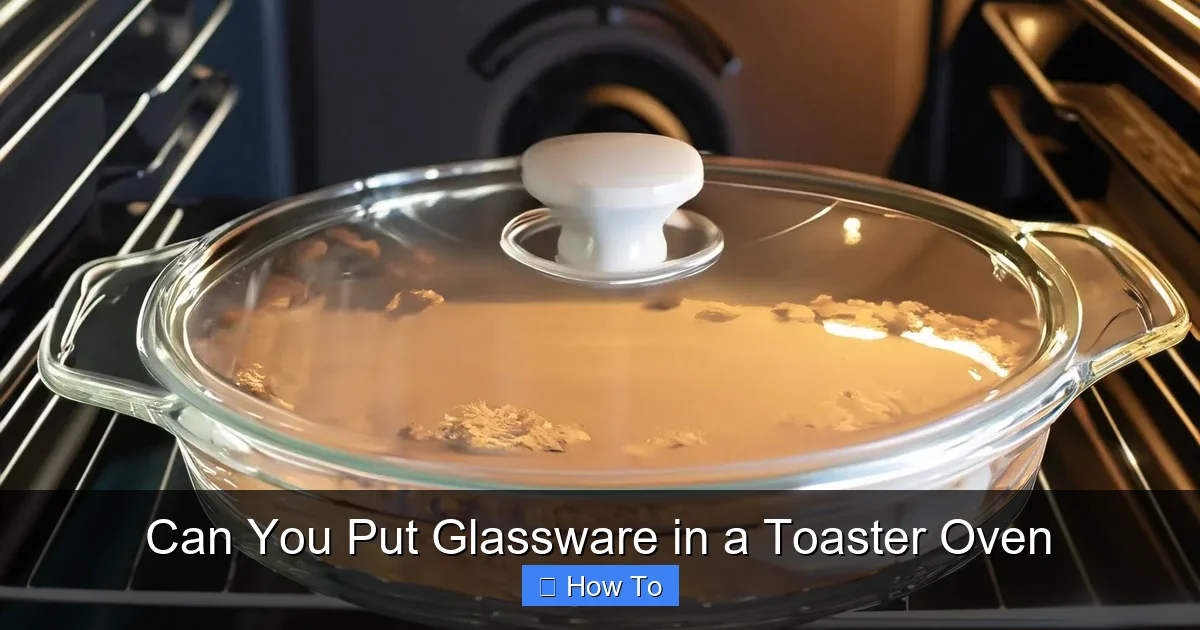
Yes, you can use glassware in a toaster oven, but only if it’s specifically labeled oven-safe. Using the wrong type can lead to cracking or shattering due to rapid temperature changes. Always check manufacturer guidelines before placing any glass inside.
Welcome to the ultimate guide about using glassware in your toaster oven. If you’ve ever hesitated before sliding a casserole dish into your countertop appliance, you’re not alone. Many home cooks love the convenience of a toaster oven but worry about whether their favorite glass bowls or baking dishes will survive the heat. In this article, we’ll break down everything you need to know to make safe, confident choices. From understanding material differences to spotting dangerous warning signs, you’ll walk away with practical tips that fit right into your kitchen routine. Let’s dive in and clear up the confusion once and for all.
**Understanding Glass Types and Heat Tolerance**
Not every piece of glass you own is suited for the high, concentrated heat of a toaster oven. Standard drinking glasses, vase glass, or thin decorative items are often not tempered for oven use and can shatter unexpectedly. On the other hand, tempered glass, borosilicate glass, and ceramic-coated glass are engineered to withstand temperature fluctuations. When shopping or rummaging through your cabinets, look for stamps like “oven-safe,” “heat-resistant,” or specific temperature ratings. If the label is missing or faded, err on the side of caution and avoid using that piece for heating. Remember, the thickness of the glass also matters; thicker walls generally provide better insulation against sudden heat.
**The Science of Thermal Shock**
Thermal shock occurs when glass experiences rapid heating or cooling, creating stress fractures that lead to breakage. Toaster ovens are particularly prone to this because they heat up quickly and often have hot spots near the heating elements. If you place a room-temperature glass dish directly into a preheating oven, the inner layer expands faster than the outer layer, causing the material to crack. This is why many manufacturers recommend placing glass on a middle rack, away from direct element exposure. Understanding this principle helps you anticipate risks and adjust your habits accordingly, significantly reducing the chance of a messy (and dangerous) accident.
**Reading Manufacturer Labels and Symbols**
One of the easiest ways to determine if your glassware is safe is to check the bottom or packaging for specific symbols. A small oven icon, often accompanied by a temperature range (such as “up to 450°F”), indicates the item has been tested for oven use. Some brands use a wavy line or the words “thermal shock resistant.” However, not all glass carries these marks, especially older or generic pieces. In those cases, a good rule of thumb is to consider the glass’s origin: tempered soda-lime glass from a reputable kitchen brand is more likely to be safe than an unidentified decorative jar. When labels are absent, treat the glass as unsafe to prevent unnecessary risks.
**Practical Tips for Safe Glass Use**
Start by always preheating your toaster oven before inserting glassware; this gradual temperature rise reduces shock. Position the dish on a middle rack, keeping it at least an inch away from the top heating elements. If you’re moving a dish from the refrigerator, let it sit on the counter for 15–20 minutes first. Avoid placing glass under the broil setting, as the intense, direct heat can quickly exceed safe limits. Additionally, never add liquid to a hot glass dish, and never move a hot glass piece to a cold surface—use a trivet or cloth instead. These small adjustments make a big difference in preserving your cookware and your safety.
**What to Do If Glass Breaks**
Even with the best precautions, accidents can happen. If a glass dish shatters in your toaster oven, turn off and unplug the appliance immediately. Allow it to cool completely before attempting cleanup, as tiny shards can be difficult to spot and may cause injury. Use a damp paper towel to gently lift fragments, and avoid using a vacuum right away, which can spread fine glass dust. Dispose of the shards in a sturdy container labeled “broken glass.” Checking the oven interior for residual pieces before the next use ensures no hidden hazards remain. Being prepared for this scenario helps you respond calmly and keep your kitchen safe.
**Alternatives and When to Switch**
If you frequently find yourself unsure about a piece of glassware, consider investing in dedicated toaster oven-safe bakeware. Ceramic, stoneware, and enameled metal dishes are often more forgiving and come with clear heat tolerances. Silicone bakeware is another excellent option, offering flexibility and excellent heat distribution without the fragility concerns. While it’s tempting to reuse familiar glass containers, prioritizing safety-rated alternatives saves you from potential cleanup headaches and ensures consistent cooking results. Your toaster oven can still produce delicious meals—you just need the right tools for the job.
**Conclusion**
Using glassware in a toaster oven doesn’t have to be a game of chance. By understanding glass types, recognizing the signs of thermal shock, and following manufacturer guidelines, you can enjoy the convenience of your appliance with peace of mind. Always inspect your dishes, look for oven-safe labels, and when in doubt, opt for proven alternatives like ceramic or metal bakeware. With these tips in your culinary toolkit, you’ll confidently navigate your toaster oven’s capabilities while keeping your kitchen intact. Happy (and safe) cooking!
Key Takeaways
- Point 1: Not all glassware is created equal; only use pieces explicitly marked as oven-safe or heat-resistant.
- Point 2: Thermal shock, caused by sudden temperature swings, is the primary reason glass breaks in toaster ovens.
- Point 3: Pyrex and similar borosilicate glass often handle heat better, but even they have temperature limits.
- Point 4: Never place cold or room-temperature glass directly under the heating elements; preheat the oven first if possible.
- Point 5: Inspect glass for chips, cracks, or scratches before each use, as damage weakens structural integrity.
- Point 6: When in doubt, transfer food to metal or ceramic bakeware designed for high-heat environments.
Frequently Asked Questions
Can any glassware go in a toaster oven?
No, not all glassware is safe for toaster ovens. Only use glass that is explicitly labeled as oven-safe or heat-resistant. Standard drinking glasses, vases, or decorative items can crack or shatter due to thermal shock from rapid temperature changes.
What is thermal shock and why does it happen?
Thermal shock occurs when glass experiences sudden heating or cooling, causing uneven expansion that creates stress fractures. Toaster ovens heat quickly and often have hot spots near elements, making them prone to this issue if cold or room-temperature glass is placed directly inside.
How can I tell if my glass dish is oven-safe?
Look for stamps on the bottom or packaging such as “oven-safe,” “heat-resistant,” or a temperature range label. Some brands include an oven icon or the words “thermal shock resistant.” If no label exists, treat the glass as unsafe to avoid risks.
Can Pyrex go in a toaster oven?
Pyrex is often marketed as oven-safe, but its suitability depends on the specific product line and age. Older Pyrex may have different heat tolerances than newer versions. Always check the manufacturer’s guidelines and look for an oven-safe symbol before use.
What should I do if my glass breaks in the toaster oven?
Turn off and unplug the appliance immediately and allow it to cool completely before cleaning. Use a damp paper towel to gently lift fragments and avoid spreading fine glass dust with a vacuum. Dispose of shards in a sturdy container labeled “broken glass” and inspect the interior for any remaining pieces before the next use.
Are there safer alternatives to glass in a toaster oven?
Yes, ceramic, stoneware, enameled metal, and silicone bakeware are often more durable and heat-tolerant options for toaster ovens. These materials typically handle temperature fluctuations better than standard glass and often come with clear manufacturer heat ratings.