Can You Put Glass into a Toaster Oven
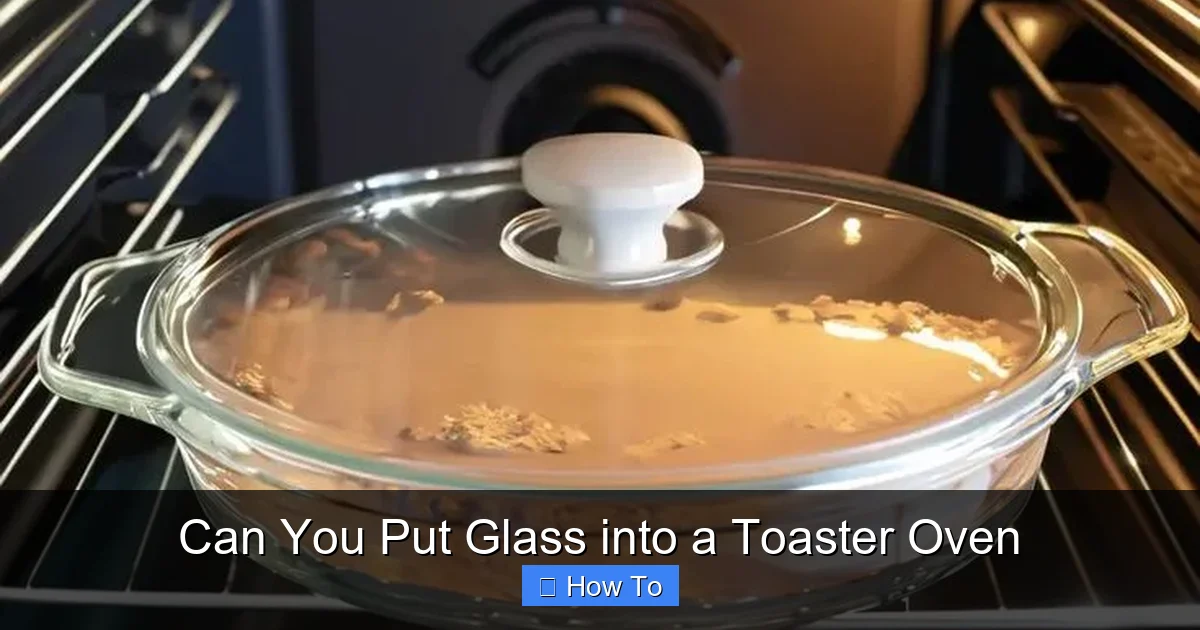
Curious whether glass can safely go into your toaster oven? This guide explains the types of glass that are oven‑safe, the risks of thermal shock, and practical tips for using glass cookware. Follow the advice to avoid cracks and enjoy hassle‑free cooking.
Key Takeaways
- Only use glass that is labeled oven‑safe. Regular drinking glasses can shatter.
- Tempered or borosilicate glass is the safest choice. These resist sudden temperature changes.
- Never place cold glass directly into a hot toaster oven. Allow it to reach room temperature first.
- Check the manufacturer’s label for temperature limits. Exceeding the limit can cause breakage.
- Use a toaster oven rack or a baking sheet to support the glass. This prevents direct contact with heating elements.
- Inspect glass for chips or cracks before use. Any damage increases the risk of shattering.
- If you’re unsure, choose an alternative material. Ceramic or metal trays are reliable options.
Key Takeaways
- Understanding Can You Put Glass Into A Toaster Oven: Provides essential knowledge
📑 Table of Contents
Introduction
Many of us have stared at a shiny casserole dish and wondered, “Can you put glass into a toaster oven?” It’s a natural question, especially when you’re trying to save counter space or reuse leftovers. The answer isn’t a simple yes or no; it depends on the type of glass, how it’s treated, and how you handle it inside the appliance.
Toaster ovens heat up quickly and can reach temperatures similar to a regular oven. Glass that can’t handle that kind of heat will crack, shatter, or even release unsafe particles. In this article we’ll walk through the science, the safety concerns, and the practical steps you can take to decide if your glass is suitable. By the end, you’ll feel confident whether to slide that glass dish onto the rack or keep it in the cabinet.
Types of Glass Suitable for Toaster Ovens
Tempered Glass
Tempered glass is processed to be stronger than regular glass. It’s commonly used for ovenware, microwave containers, and some toaster oven dishes. Because it’s designed to withstand rapid temperature changes, it’s often the best choice when you ask, “Can you put glass into a toaster oven?” If the glass is labeled as tempered and oven‑safe, you’re on solid ground.
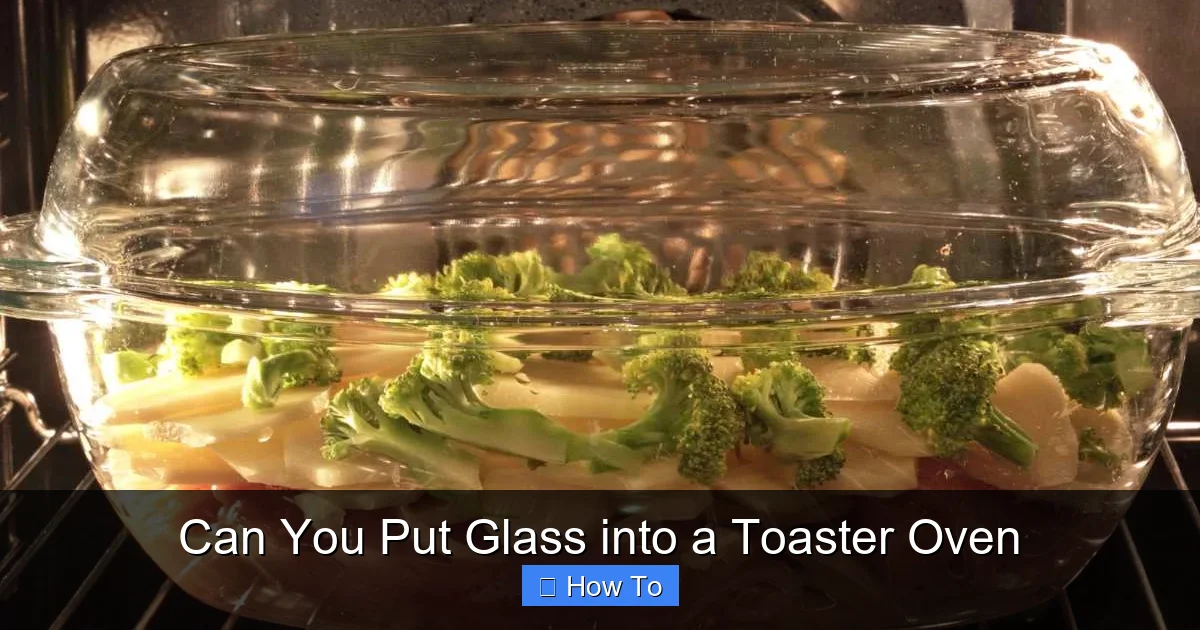
Visual guide about Can You Put Glass into a Toaster Oven
Image source: keeshaskitchen.com
Borosilicate Glass
You may recognize borosilicate glass from laboratory beakers or certain cookware brands. This material handles heat shock exceptionally well, meaning it can go from freezer to oven without cracking. Many high‑end toaster oven accessories are made from borosilicate, so it’s another safe option for your glass dishes.
Oven‑Safe Glassware (e.g., Pyrex)
Pyrex and similar branded glass are specifically engineered for cooking. They’re usually tempered and have a temperature tolerance of around 450°F (230°C). Check the bottom of the piece for a temperature rating; if it says “oven safe” up to that limit, you can safely use it in a toaster oven. For more details on glass cookware, see Can You Put Glass In Air Fryer Oven.
Risks and Safety Concerns
Thermal Shock
Thermal shock occurs when glass experiences a sudden temperature change. If you place a cold glass dish straight into a hot toaster oven, the outer surface heats up quickly while the interior stays cool, creating stress that can cause cracks or shattering. To avoid this, always let the glass reach room temperature before inserting it.
Visual guide about Can You Put Glass into a Toaster Oven
Image source: images.betony-nyc.com
Cracks and Chips
Even a tiny chip can become a major problem. A small fracture can expand rapidly under heat, leading to a sudden break. Inspect every piece for any signs of damage before you use it. If you notice any rough edges or chips, it’s best to discard the glass.
Chemical Leaching
Some glass may contain additives that could leach into food when exposed to high heat. Oven‑safe glass is tested to ensure it doesn’t release harmful substances. If you’re unsure whether your glass is truly oven‑safe, it’s safer to choose a different material.
How to Test If Your Glass Is Oven‑Safe
Visual Inspection
Start by looking at the glass. Oven‑safe pieces often have a smooth, uniform surface and a label indicating they’re suitable for cooking. Look for any etching, decorative patterns, or metal trim that might not be designed for heat.
Manufacturer Labels
The easiest way to confirm safety is to read the manufacturer’s instructions. Most glassware will have a “oven safe” symbol or a temperature range printed on the bottom. If the label is missing, treat the piece as potentially unsafe.
Water Test
Fill the glass with water and place it in a preheated toaster oven set to a low temperature (around 200°F). After 10 minutes, carefully remove it (using oven mitts) and see if the glass shows any signs of stress, such as cracking or cloudiness. If it remains intact, it’s likely safe for higher temperatures.
Practical Tips for Using Glass in a Toaster Oven
Preheating
Never start a toaster oven with a cold glass inside. Preheat the oven first, then place the glass on the rack. This gradual heating reduces the chance of thermal shock.
Placement
Position the glass on the middle rack, away from the heating elements. Direct contact with the top or bottom heating coil can cause uneven heating and increase the risk of breakage.
Avoid Direct Heat
If your toaster oven has a convection fan, use it to circulate hot air evenly. This helps the glass heat uniformly, minimizing stress points.
Use a Rack or Baking Sheet
Placing a metal rack or a baking sheet under the glass adds support and prevents the glass from touching the oven walls. This is especially helpful for larger dishes.
Monitor Cooking Time
Glass retains heat longer than metal, so foods may finish cooking a few minutes earlier. Keep an eye on your meal and use the timer to avoid overcooking.
Alternatives and When to Avoid Glass
When to Use Metal, Ceramic, or Silicone
If you’re unsure about a glass piece, consider using metal trays, ceramic dishes, or silicone bakeware instead. These materials are generally more forgiving with temperature changes and are widely accepted in toaster ovens. For ideas on what works well, check What Can A Toaster Oven Cook.
When Not to Use Glass
Glass that is not labeled oven‑safe, has visible damage, or is thin and delicate should be avoided. Also, avoid using glass containers with metal rims or decorations, as the metal can heat differently and cause stress on the glass.
Conclusion
So, can you put glass into a toaster oven? The answer is yes — if the glass is specifically designed and labeled as oven‑safe, such as tempered or borosilicate glass. Always inspect the piece, let it reach room temperature, and place it on a supportive rack. If you have any doubt, choose an alternative material to protect both your toaster oven and your dinner. By following these simple guidelines, you’ll enjoy the convenience of glass cookware without the risk of cracks or breakage.
Frequently Asked Questions
What is Can You Put Glass Into A Toaster Oven?
Can You Put Glass Into A Toaster Oven is an important topic with many practical applications.