Are Air Fryer Liners Oven Safe
Air fryer liners can be oven safe, but it depends on the material and temperature. This guide explains how to tell if yours can handle oven heat, the safest ways to use them, and what alternatives exist.
If you’ve ever stood in front of your air fryer wondering whether the handy liner you bought can also go in the oven, you’re not alone. Many home cooks look for ways to streamline cooking, and using the same product in two appliances sounds like a smart time‑saver. But before you slide that liner into a hot oven, it’s crucial to know if it’s truly oven safe. This article breaks down the science, the safety checks, and the best practices so you can cook with confidence and avoid costly mistakes.
Key Takeaways
- Material decides safety: Most parchment paper and silicone liners are safe up to 500°F, while cheap non‑stick sprays can degrade.
- Check the label: Manufacturers print temperature limits; always follow them to avoid smoke or fire.
- Oven test method: Place a small piece of the liner at the highest setting for 5‑10 minutes to see if it chars or smells.
- Proper placement matters: Use the liner on the middle rack, never directly on heating elements.
- Clean-up tricks: Allow liners to cool, then peel off food residue; a quick rinse keeps them reusable.
- Alternatives exist: Silicone baking mats, foil, or stainless‑steel trays work when liners aren’t suitable.
📑 Table of Contents
Understanding Air Fryer Liners
Air fryer liners are thin sheets designed to protect the basket and make clean‑up easier. They come in various forms: parchment paper, silicone mats, non‑stick spray coatings, and even reusable mesh screens. While they work wonders in the confined space of an air fryer, the question remains: can they survive the broader heat of a conventional oven? The short answer is “it depends.” The material, thickness, and the oven’s temperature all play a role.
What Types of Liners Exist?
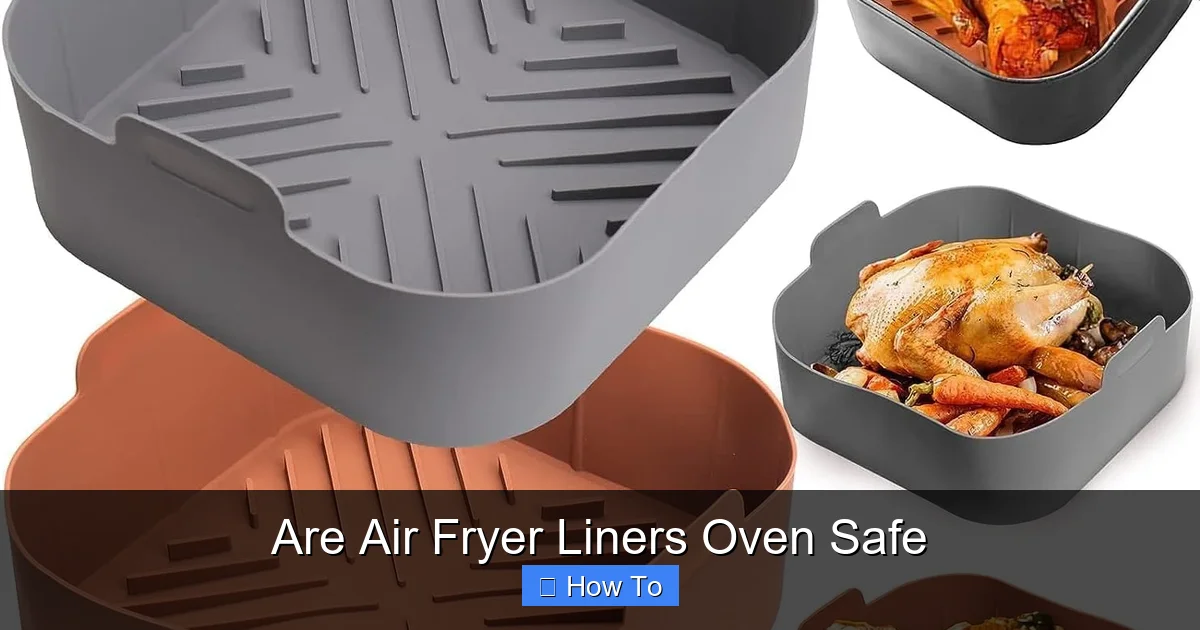
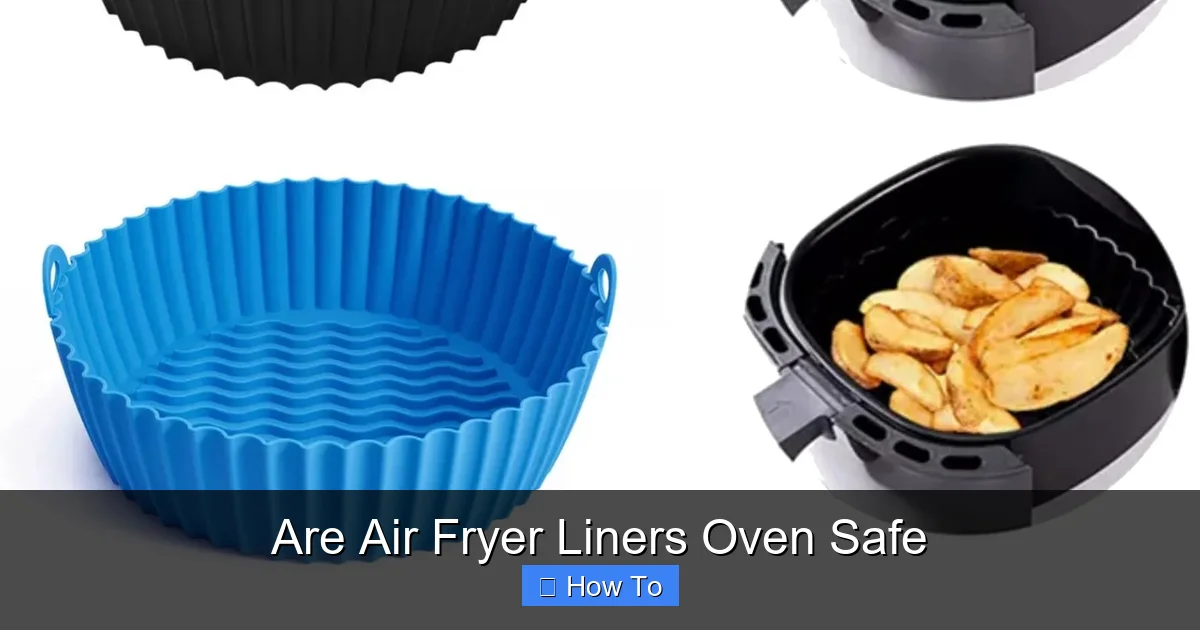
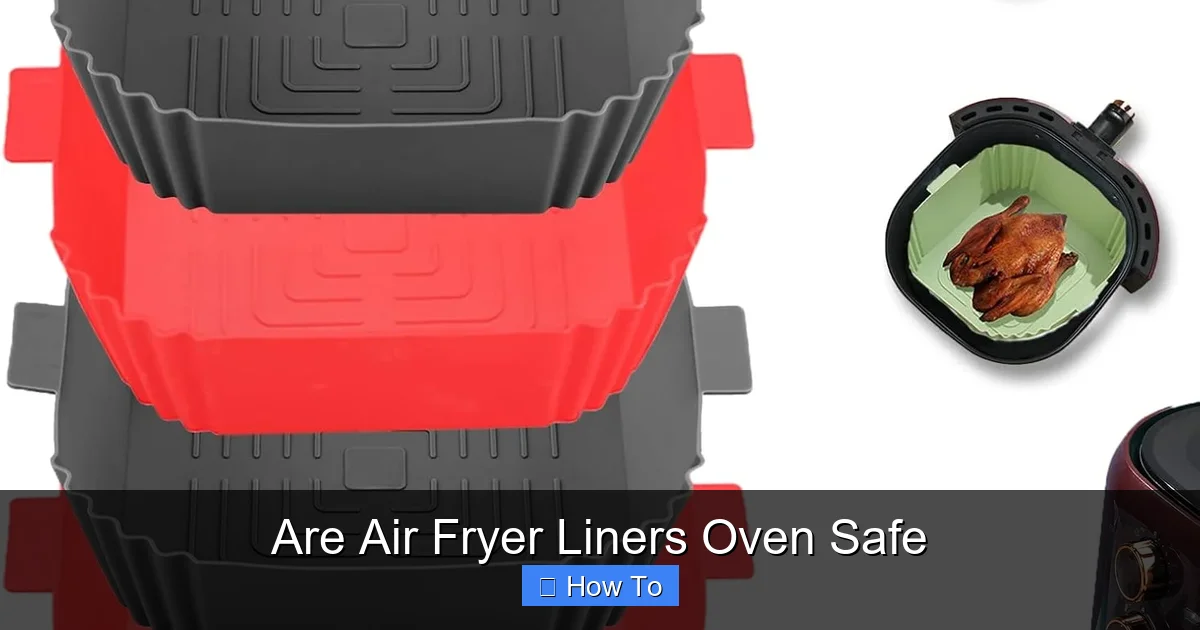
Most liners fall into three main categories: parchment paper, silicone, and non‑stick spray. Parchment is a paper product coated with silicone; it’s cheap, disposable, and generally safe up to 420°F (215°C). Silicone mats are flexible, reusable, and can handle temperatures up to 500°F (260°C). Non‑stick spray liners are often a thin film that can melt or release harmful chemicals above 350°F (177°C). Understanding which type you have is the first step toward safe oven use.
Why Material Matters
Heat tolerance is a material’s ability to resist breaking down when exposed to high temperatures. Parchment paper may brown but won’t ignite under normal baking conditions. Silicone stays pliable and does not burn. Non‑stick sprays, however, can bubble, smoke, and even catch fire if they overheat. This is why reading the manufacturer’s label is non‑negotiable. Many cheap liners do not specify a temperature limit, which is a red flag.
Material Matters: What Liners Are Made Of
The composition of a liner determines its safety profile. Let’s dive into each material’s characteristics, common uses, and temperature thresholds.
Visual guide about Are Air Fryer Liners Oven Safe
Image source: m.media-amazon.com
Parchment Paper Liners
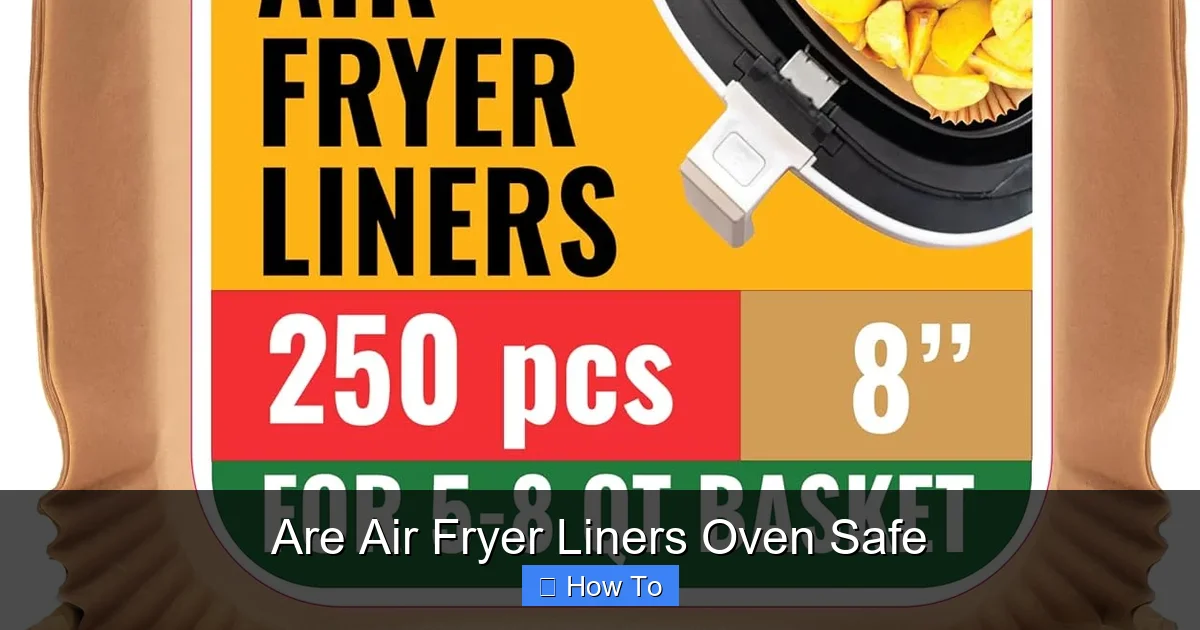
Parchment paper is essentially wood pulp that has been treated with silicone. It resists grease and moisture, making it ideal for air fryers. Most grocery‑store brands list a maximum temperature of 420°F (215°C). If you attempt to use parchment in an oven set above that, the paper can char, smoke, and potentially ignite. For baking, this means stick to cake pans, cookie sheets, and standard roasting trays. If you need a higher temperature, parchment is not the right choice.
Silicone Mat Liners
Silicone is a synthetic polymer that remains stable from -40°F to 500°F (-40°C to 260°C). Silicone mats are flexible, easy to clean, and can be reused hundreds of times. Because they can handle the highest oven temperatures, they are often the go‑to liner for both air fryers and ovens. However, silicone mats can be slippery when wet, so some users prefer to pair them with a light dusting of flour or cooking spray.
Non‑Stick Spray Liners
Non‑stick spray liners are essentially a thin coating of PTFE (Teflon) applied to a backing material. They are cheap and convenient, but they have a low heat limit—usually around 350°F (177°C). If you exceed that temperature, the coating can break down, releasing potentially harmful fumes. For air fryers, which often operate at 380°F‑400°F (193°C‑204°C), spray liners are risky. Many experts advise against using them in high‑heat appliances altogether.
Mesh and Stainless‑Steel Liners
Some manufacturers offer mesh or stainless‑steel liners that allow air to flow freely. These are highly durable and can handle any oven temperature. They are excellent for cooking foods that need even browning, such as vegetables or chicken wings. However, they do not retain moisture, so they are not ideal for dishes that need a saucy finish.
Heat Tolerance and Oven Safety
Understanding the temperature limits is only half the battle. You also need to know how to apply the liner safely in an oven environment.
Visual guide about Are Air Fryer Liners Oven Safe
Image source: m.media-amazon.com
Reading Manufacturer Labels
Every reputable liner will have a label that states the maximum temperature. Look for phrases like “oven safe up to 500°F” or “safe for baking.” If the label is missing, assume the liner is not oven safe. In the absence of clear guidance, err on the side of caution—do not use the liner in the oven.
Testing Before Full Use
Before you line an entire oven rack, perform a quick test. Place a small piece of the liner on a metal tray, set the oven to its highest intended temperature, and let it run for 5‑10 minutes. Observe for any discoloration, smoke, or unpleasant odors. If you see any of these signs, the liner is not safe for that temperature. This simple step can save you from a potential fire hazard.
Oven Placement Matters
Even a safe liner can become a fire risk if placed incorrectly. Never put a liner directly on the bottom heating element or on a rack that sits directly above it. The bottom of the oven can reach temperatures far above the set point. Instead, place the liner on the middle rack, with at least one inch of clearance from the walls and heating elements. This ensures even heat distribution and reduces the chance of scorching.
Combining Liners with Other Cookware
Sometimes you need extra support. If you’re using a silicone mat in the oven, you may want to place a baking sheet underneath to catch drips. This also prevents the mat from sliding around. For parchment paper, a rimmed baking pan provides structure and prevents tearing. Always use a secondary pan or rack when possible.
How to Test Oven Safety
Testing is a hands‑on process that gives you confidence. Follow these steps for each type of liner you own.
Visual guide about Are Air Fryer Liners Oven Safe
Image source: m.media-amazon.com
Step‑by‑Step Oven Test
- Prepare a small piece. Cut a 4‑inch by 4‑inch square from the liner.
- Place on a metal tray. Use a stainless‑steel or aluminum tray to avoid heat transfer issues.
- Set the oven temperature. Choose the highest temperature the liner claims to handle.
- Time it. Let the oven run for 5 minutes, then for 10 minutes if the first interval shows no issues.
- Observe. Look for discoloration, smoke, or odors. If anything appears, discard the liner.
- Cool down. After the test, allow the oven and liner to cool completely before handling.
Alternative Quick Checks
If you don’t have time for a full oven test, you can do a quick check with a hair dryer. Point the dryer’s hot air at the liner for about 30 seconds and watch for melting or smoke. This is not as reliable as an oven test, but it can give you a rough idea of heat sensitivity.
Using the Result
If the test passes, you can confidently use that liner in the oven. If it fails, toss it. Reusing a compromised liner can lead to off‑flavors, smoke, and potential fire hazards. Always keep a spare set of liners on hand for future cooking sessions.
Best Practices for Using Liners in the Oven
Even when a liner is safe, proper technique ensures the best results and prolongs the life of the product.
Pre‑Heat Wisely
Always pre‑heat the oven before placing the liner inside. This prevents sudden temperature spikes that can cause the material to crack or shrink. Follow the manufacturer’s pre‑heat recommendations, usually 15‑20 minutes.
Avoid Overcrowding
Overcrowding the oven can trap moisture and cause the liner to steam, which may weaken its structure. Leave at least one inch of space around the liner on all sides. This also promotes even cooking.
Use the Right Rack
Choose a rack that fits securely but allows airflow. A wire rack is ideal because it elevates the liner and prevents direct contact with the oven floor. If you’re using a baking sheet underneath, make sure it’s large enough to catch any drips without interfering with the heating elements.
Monitor Cooking Time
Even safe liners can degrade if exposed to high heat for too long. Keep an eye on your food, especially during the first few uses. If you notice any burning or smoke, remove the liner immediately and turn off the oven.
Clean After Each Use
Cleaning prevents residue buildup that can affect heat distribution. Allow the liner to cool completely, then gently peel off any stuck food. For silicone mats, a quick rinse with warm, soapy water works wonders. Parchment paper is disposable, so simply toss it after use.
Integrate with Other Kitchen Tools
Consider combining liners with accessories like the Air Fryer Oven for Beginners 2 guide to understand how liners interact with convection settings. Also, when using an oven’s “Air Fryer” setting, refer to How To Use Air Fryer Setting On Oven 2 for optimal rack placement and timing. If you need a sturdy rack for your oven, check out How To Use Air Fryer Rack In Oven 2 for tips on maximizing airflow.
Alternatives and When to Avoid Liners
Sometimes a liner isn’t the best choice. Knowing when to skip it can save you time and prevent mishaps.
High‑Temperature Roasting
If you’re roasting at temperatures above 500°F, even silicone mats may not be safe. In such cases, use a metal drip pan or a wire rack directly on the oven floor. These options can handle extreme heat without degrading.
Foods That Release Lots of Grease
Air fryers produce a lot of fat, especially when cooking fried chicken or bacon. Grease can seep through parchment paper and cause smoke in the oven. For these dishes, opt for a stainless‑steel tray or a silicone mat with a deep rim.
Delicate Baking
Cakes and pastries often need a perfectly smooth surface. Parchment paper can stick to delicate batters, causing tears. For these recipes, use a greased baking sheet or a silicone baking mat specifically designed for baking.
Large Items
If you’re cooking a large roast or a big sheet of pizza, a standard liner may not provide enough support. Use a roasting rack or a sturdy baking sheet instead. This also allows better air circulation, which is essential for even cooking.
Environmental Considerations
Reusable silicone mats reduce waste, but they require more cleaning effort. Parchment paper is biodegradable but creates single‑use waste. Weigh your priorities—environment, convenience, and cooking needs—to decide which liner works best for you.
In conclusion, the answer to “Are Air Fryer Liners Oven Safe?” is nuanced. The material, temperature limits, and how you use the liner all determine safety. By reading labels, performing simple oven tests, and following best practices, you can confidently use liners in both your air fryer and oven. Remember to integrate your knowledge with helpful resources like Is Air Oven Same As Air Fryer 2 for deeper insights into appliance compatibility. Whether you choose parchment, silicone, or metal, the right choice will make cooking easier and cleanup quicker. Happy cooking!
Frequently Asked Questions
What does “oven safe” actually mean for air fryer liners?
Oven safe means the liner can withstand the temperature and environment inside a conventional oven without melting, smoking, or releasing harmful chemicals. Most manufacturers specify a maximum temperature, usually up to 500°F for silicone and 420°F for parchment paper. Always check the label before use.
Can I use parchment paper in a convection oven?
Yes, parchment paper is safe in convection ovens as long as the temperature stays below its 420°F limit. Convection ovens cook faster, so you may need to reduce time by about 20% to avoid over‑browning.
How do I know if my liner is silicone or parchment?
Silicone liners are flexible, rubbery, and often reusable. Parchment paper is stiff, crinkly, and usually disposable. If you’re unsure, check the product packaging or feel the texture.
Is it safe to preheat the oven with the liner inside?
Preheating with the liner inside is fine as long as the liner is oven safe and placed on a rack that allows airflow. Avoid placing the liner directly on the bottom heating element.
What should I do if the liner starts to smoke in the oven?
Immediately turn off the oven and remove the liner. Smoking indicates the liner has exceeded its heat tolerance, which can be a fire hazard. Discard the smoked liner and never reuse it.
Are there any liners that can be used at any oven temperature?
Silicone mats are the most versatile, handling temperatures from -40°F to 500°F. Stainless‑steel and aluminum mesh liners are even more robust and can handle any oven temperature without degradation.