Can You Make Steak in a Toaster Oven
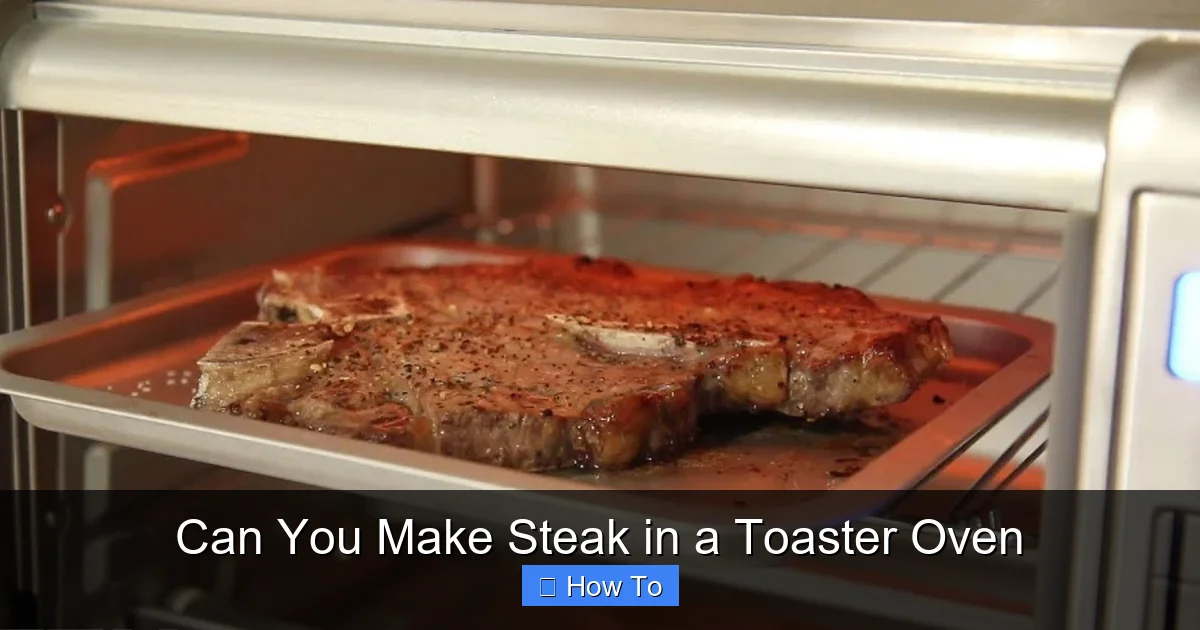
Yes, you can cook a perfectly cooked steak in a toaster oven! This guide walks you through temperature settings, timing, and techniques to achieve juicy, tender results without a full oven. Follow simple steps and enjoy restaurant‑quality steaks every time.
Imagine coming home after a long day and having a juicy, perfectly cooked steak ready in just minutes. You might think a full‑size oven is required, but the answer is a resounding yes—you can make steak in a toaster oven. This article will show you exactly how, step by step, and why many home cooks are switching to this faster, more energy‑efficient method.
First, let’s clear up a common misconception. Many people assume a toaster oven is only for reheating leftovers or baking a pizza. In reality, it’s a versatile appliance that can handle a wide range of cooking tasks, including searing and finishing a steak. The compact size, rapid heat recovery, and precise temperature controls make it an excellent choice for cooking a single piece of meat without heating an entire house.
Key Takeaways
- Possible & Convenient: A toaster oven can cook steak quickly, saving energy and counter space compared to a full-size oven.
- Right Cuts Work Best: Thin to medium‑thick cuts like sirloin, flank, or tenderloin respond well to the quick heat of a toaster oven.
- Temperature Control is Key: Preheating to 400‑450°F (200‑230°C) and using a meat thermometer ensures perfect doneness.
- Simple Steps: Sear first, then finish in the toaster oven for a golden crust and evenly cooked interior.
- Safety First: Use oven‑safe dishes, avoid foil unless allowed, and let the steak rest before slicing.
- Cleanup Easy: Non‑stick pans and a quick wipe make post‑cooking cleanup a breeze.
- Compare to Conventional Oven: Toaster ovens heat faster and use less electricity, making them ideal for occasional steak meals.
📑 Table of Contents
Can a Toaster Oven Handle Steak Cooking?
Benefits Over Conventional Oven
One of the biggest advantages of using a toaster oven for steak is speed. A conventional oven can take 15‑20 minutes to reach the desired temperature, while a toaster oven typically preheats in 5‑10 minutes. This means you can go from raw meat to a finished steak in about 12‑20 minutes total, depending on thickness. Another benefit is energy efficiency. Because the heating elements are smaller and the cavity is smaller, a toaster oven uses roughly 50‑70% less electricity than a full oven. This is especially helpful if you only need one steak rather than a whole roast.
Additionally, toaster ovens often have better temperature control. Many models allow you to set exact temperatures in 25°F increments, which is perfect for cooking steak to a precise internal temperature. You can also find models with convection features that circulate hot air, giving you a more even cook and a nice crust without turning the steak dry.
What You Need to Know About Heat Distribution
Heat distribution in a toaster oven is not as uniform as in a large oven, but with the right techniques you can achieve consistent results. Most toaster ovens have two heating elements: a top element and a bottom element. The top element usually provides radiant heat, while the bottom element supplies conductive heat. For steak, you’ll want to use both elements strategically. Place the steak on a grill rack or a perforated baking sheet so the bottom gets direct heat, and allow the top element to finish the job.
Position the rack in the middle of the oven cavity. This helps avoid hot spots that can burn the exterior while leaving the interior undercooked. If your steak is particularly thick (over 1.5 inches), consider rotating it halfway through cooking. A simple turn of 90 degrees ensures even browning on all sides.
Selecting the Ideal Steak Cut and Prep
Best Steak Cuts for Toaster Oven
Not every cut of beef is created equal when it comes to a toaster oven. Thin to medium‑thick cuts work best because they cook quickly and retain moisture. Some popular choices include:
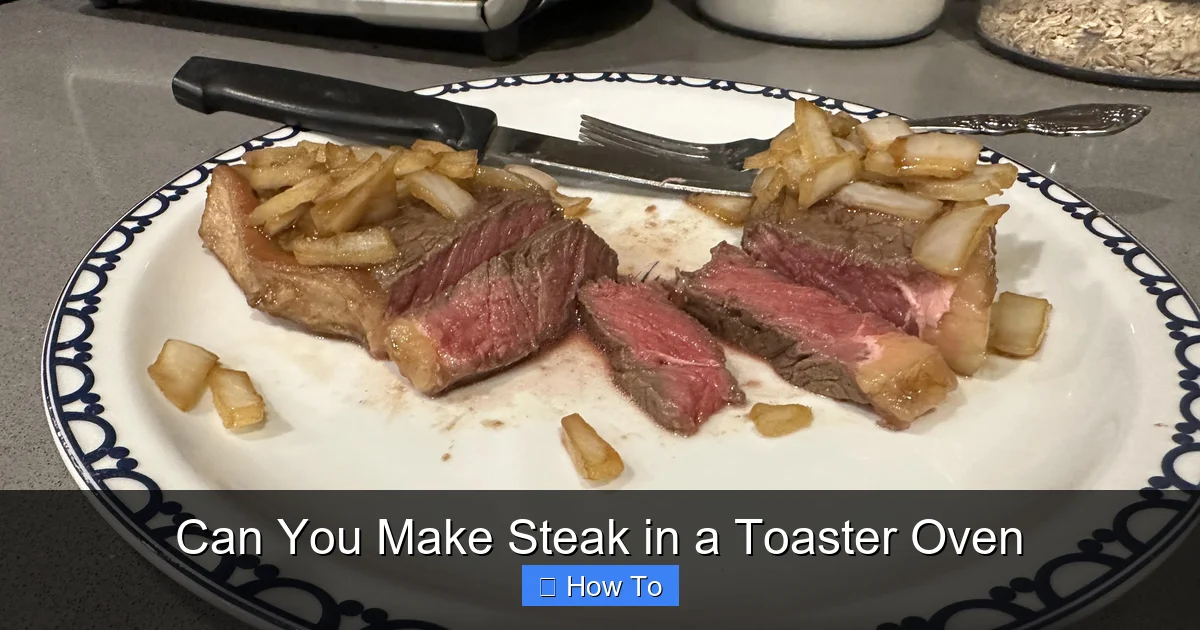
Visual guide about Can You Make Steak in a Toaster Oven
Image source: metrocookingdallas.com
- Sirloin (New York Strip): Thick, flavorful, and forgiving. It tolerates a little overcooking without becoming tough.
- Strip/London Broil: Great for achieving a caramelized crust while staying tender inside.
- Filet Mignon: Very tender but can dry out fast. Use low heat and monitor closely.
- Flank Steak: Lean and fibrous; best when quickly grilled or broiled before finishing in the toaster oven.
- Skirt Steak: Similar to flank, benefits from a quick sear and a brief finish to keep it tender.
If you’re unsure which cut to choose, the how to cook a steak in the toaster oven guide offers detailed recommendations for each type.
Pre‑Cooking Techniques (Searing, Seasoning)
Even the best toaster oven can’t create a perfect crust without a good sear. Start by patting the steak dry with paper towels. This helps the seasoning stick and promotes a better Maillard reaction. Season generously with salt, pepper, and any herbs you like. Let the steak sit at room temperature for about 30 minutes; this ensures even cooking.
Next, heat a heavy skillet (cast iron or stainless steel) over medium‑high heat. Add a tablespoon of oil and once it shimmers, place the steak. Let it sit undisturbed for 2‑3 minutes to develop a deep brown crust. Flip and sear the other side for another 2‑3 minutes. If you’re short on time, you can skip the skillet and use the broiler function in the toaster oven, but the skillet method gives the best results.
After searing, you can finish the steak in the toaster oven. This two‑step process—sear then finish—helps lock in juices while achieving an even internal temperature. It’s also a great way to add extra flavor if you want to finish with a splash of herb‑infused oil or butter.
Mastering the Step‑by‑Step Cooking Method
Setting Up Your Toaster Oven
Before you put the steak inside, make sure your toaster oven is ready. Preheat it to 400‑450°F (200‑230°C). This temperature range is ideal for finishing a steak after searing. If your oven has a convection setting, turn it on; it will help circulate heat and give a more uniform crust.
Visual guide about Can You Make Steak in a Toaster Oven
Image source: i.redd.it
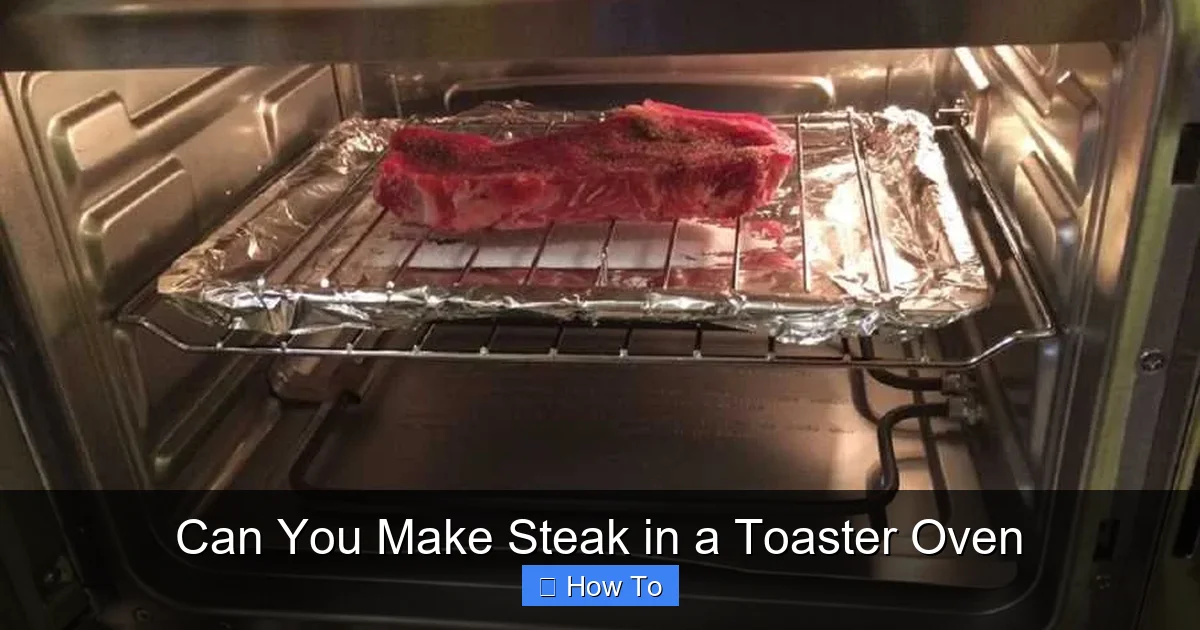
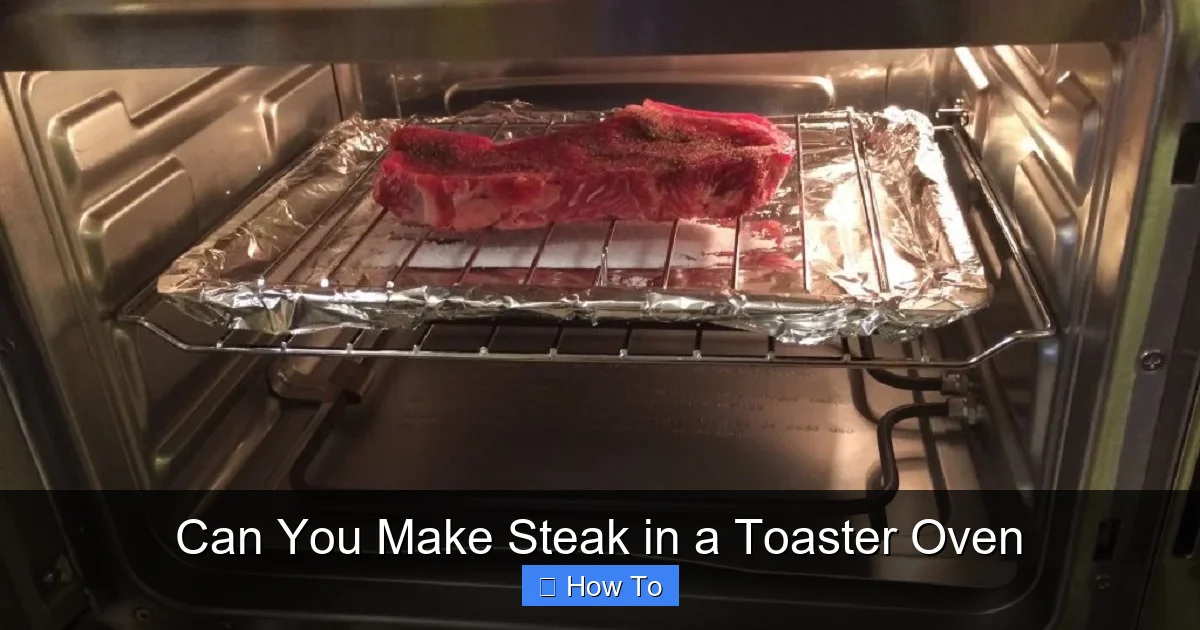
Place the steak on a wire rack set over a baking sheet. The rack allows air to flow underneath, preventing the steak from steaming. If you don’t have a wire rack, a perforated baking sheet works well. Avoid placing the steak directly on a solid pan, as this can trap steam and lead to a soggy crust.
Cooking Temperatures and Times
Cooking time depends heavily on thickness. As a general rule:
- 1‑inch steak: 6‑8 minutes per side in the toaster oven.
- 1.25‑inch steak: 8‑10 minutes per side.
- 1.5‑inch steak: 10‑12 minutes per side.
Insert a meat thermometer into the thickest part of the steak. For medium‑rare, aim for 130‑135°F (54‑57°C); medium is 140‑145°F (60‑63°C). Remember that the oven will continue to cook the steak a few degrees while resting, so pull it out a couple of degrees under your target.
After the timer goes off, carefully remove the steak with tongs. Transfer it to a cutting board and tent loosely with foil. Let it rest for 5‑10 minutes. This resting period allows the juices to redistribute, giving you a juicier bite.
Resting and Serving
Resting is often overlooked but is crucial for a tender steak. While the steak rests, you can prepare your side dishes or make a quick sauce. A simple herb butter or a splash of olive oil with garlic works beautifully.
Once rested, slice the steak against the grain. Use a sharp knife; a gentle sawing motion works best. Serve immediately while the crust is still crisp. Pair with mashed potatoes, roasted vegetables, or a fresh salad for a complete meal.
Pro Tips for Juicy, Tender Results
Using a Thermometer
Never guess the doneness of a steak. A digital instant‑read thermometer is the most reliable tool. Insert it into the center of the thickest part, avoiding the fat. If you’re cooking multiple steaks, keep them on a separate rack to ensure accurate readings.
Visual guide about Can You Make Steak in a Toaster Oven
Image source: storables.com
Adjusting Rack Position
If you notice the top is browning too quickly, lower the rack. Conversely, if the exterior isn’t getting a good crust, raise it closer to the heating element. Small adjustments make a big difference.
Dealing with Smaller or Thicker Steaks
For very thin steaks (under 0.75 inches), you may want to reduce the cooking time to 3‑4 minutes per side. For thicker cuts, you can split the cooking: sear for 2‑3 minutes each side, then finish in the toaster oven for 10‑15 minutes. This method ensures the interior reaches the right temperature without burning the exterior.
Safety, Cleanup, and Maintenance
Oven Safety Precautions
Always wear oven mitts when handling hot trays. Use tongs or heat‑proof spatulas to move the steak. Keep children and pets away from the oven while it’s preheating. If your toaster oven has a self‑clean function, follow the manufacturer’s instructions carefully.
Easy Cleaning Tips
After cooking, let the oven cool for a few minutes. Remove the rack and any trays. Most messes can be wiped away with a damp cloth. For stubborn residue, a mixture of baking soda and water works well. Avoid abrasive scrubbers that could scratch the interior coating.
Comparing Toaster Oven vs. Conventional Oven
If you’re still on the fence, consider the differences. A conventional oven is better for large roasts or multiple dishes, but it consumes more energy and takes longer to preheat. A toaster oven excels at small, precise cooking tasks—like a single steak. It also stays cooler to the touch, reducing burn risk.
For those who love experimenting, the toaster oven can also handle other quick-cooking proteins. You might wonder, “What can you cook in an oven toaster?” The answer includes vegetables, fish, and even quick desserts. For more ideas, check out the what you can cook in an oven toaster guide.
Additionally, if you’re curious about other modern cooking methods, you might compare it to an air fryer oven. The cooking steak in an air fryer oven article offers tips that can be adapted to a toaster oven setup.
In conclusion, cooking steak in a toaster oven is not only possible but also practical. With the right cut, proper searing, and careful temperature control, you can enjoy a juicy, perfectly cooked steak in a fraction of the time it takes with a full-size oven. The convenience, energy savings, and quick cleanup make the toaster oven a valuable addition to any kitchen. So next time you crave a steak, fire up your toaster oven and let the cooking adventure begin.
Frequently Asked Questions
Can I cook a thick steak (over 2 inches) in a toaster oven?
Yes, but you’ll need to use a two‑step method. Sear the steak in a skillet for 2‑3 minutes per side, then finish it in the toaster oven at 400°F for about 15‑20 minutes. This ensures the interior cooks through without burning the exterior.
Do I need to preheat the toaster oven before cooking steak?
Preheating is recommended. It stabilizes the temperature, promotes even cooking, and helps achieve a better crust. Most toaster ovens reach the set temperature within 5‑10 minutes.
Is it safe to use foil in a toaster oven when cooking steak?
Foil is generally safe, but only if your model’s manufacturer permits it. Some toaster ovens have limited space for foil, and improper placement can block airflow. If unsure, stick to a wire rack or perforated sheet.
How do I know when the steak is done without a thermometer?
Visual cues include a deep red interior for medium‑rare and a pink center. Press the steak gently with your finger; a medium‑rare steak will feel similar to the palm of your relaxed hand. However, a thermometer is the most reliable method.
Can I cook multiple steaks at once in a toaster oven?
Yes, but you must leave adequate space between each piece. Overcrowding can lead to uneven cooking and a loss of the crisp crust. Adjust cooking times if needed, and rotate the racks halfway through.
What is the best way to rest a steak after cooking in a toaster oven?
Tent the steak loosely with foil and let it rest for 5‑10 minutes. This allows the juices to redistribute, keeping the meat moist and flavorful.