Can You Put Corningware in a Toaster Oven
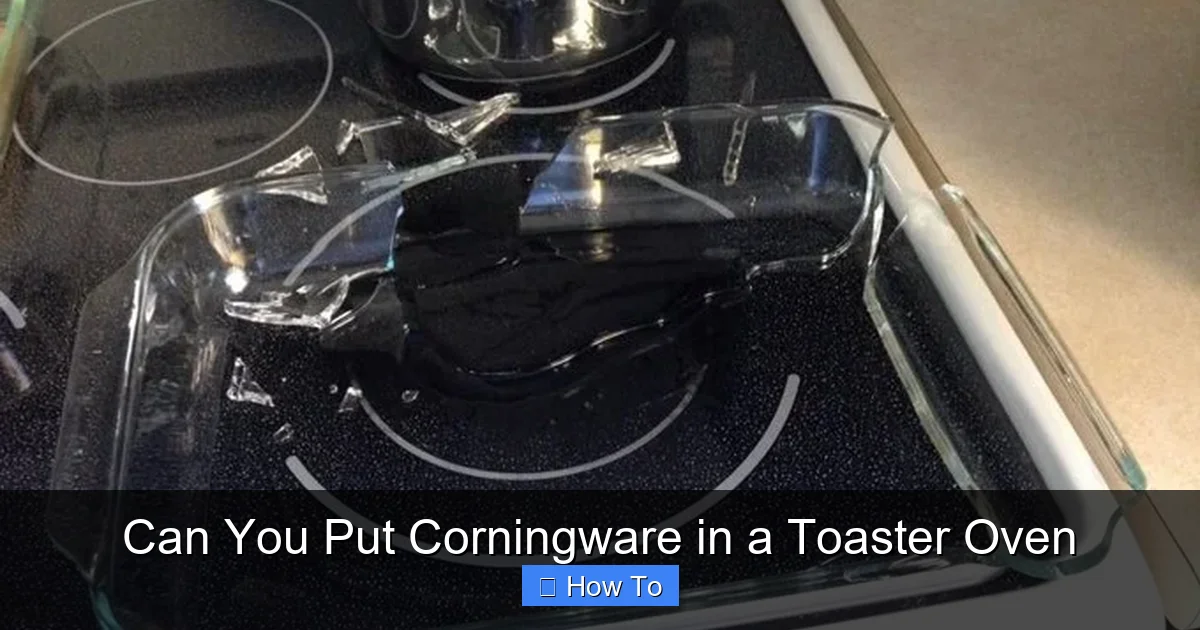
Yes, you can often put Corningware in a toaster oven, but only if the dish is labeled oven-safe and has no metallic trim. The key is to use gentle heat, keep the dish away from the heating elements, and avoid sudden temperature changes that can cause cracking.
Can You Put Corningware in a Toaster Oven
Corningware is one of those kitchen pieces that feels timeless. It moves from oven to table, looks simple, and can handle many home-cooked meals. But when your recipe is small and you want to use a toaster oven instead of a big oven, you may wonder if your favorite dish can go inside.
If you have been asking, can you put Corningware in a toaster oven, you are not alone. The short answer is yes, but with a few important caveats. You can put Corningware in a toaster oven if the piece is oven-safe and used gently. Toaster ovens are small, and their heating elements can sit close to the dish. That means you need to think about heat, placement, and temperature changes.
In this guide, we will walk through when Corningware is safe in a toaster oven, when you should skip it, and how to get the best results. We will also share simple tips to help you avoid cracks, chips, and uneven cooking.
Key Takeaways
- Check the label: Only use Corningware in a toaster oven if it is marked oven-safe.
- Avoid metal trim: Skip pieces with gold, platinum, or other metallic decoration.
- Use low, steady heat: Bake settings are better than broil settings for Corningware.
- Give it space: The dish should not touch the toaster oven walls or heating elements.
- Avoid thermal shock: Do not move a hot Corningware dish to a cold surface or add cold liquid.
- Check the lid: Make sure any lid is oven-safe before using it in the toaster oven.
📑 Table of Contents
What Is Corningware Made Of?
Corningware is not just one material. The brand has changed over the years, and different lines use different materials. That matters because the way a dish handles heat can depend on what it is made from. Some pieces are glass-ceramic, while others are stoneware. Each type behaves a little differently in a small appliance.
Vintage Pyroceram vs. Modern Stoneware
Older Corningware pieces were often made from Pyroceram, a glass-ceramic material. Pyroceram was designed to handle a wide range of temperatures. Many vintage pieces can take oven heat very well. They are often thin, light, and quick to heat. Still, even tough materials can crack if they go through sudden temperature changes.
Modern Corningware is often made from stoneware. Stoneware is durable, but it may not handle extreme heat as easily as older glass-ceramic pieces. It can also be heavier. If your dish is newer, check the label or manufacturer guidance before using it in a small, intense appliance like a toaster oven.
Why the Material Matters
The material affects how fast the dish heats up and how well it handles temperature swings. A toaster oven can heat quickly, especially near the top element. If a dish heats too fast on one side, stress can build up. That stress may lead to cracks. This is why even oven-safe bakeware needs space and moderate heat.
This is why the safest approach is to treat every piece of Corningware as useful but not indestructible. Even if a dish is oven-safe, it still needs space, moderate heat, and careful handling. A little caution can help your dish last for years.
Can You Put Corningware in a Toaster Oven?
The Short Answer
Yes, you can put Corningware in a toaster oven if the dish is made for oven use. Many Corningware pieces are oven-safe, but you should always check the bottom of the dish or the packaging. Look for words like oven-safe, broiler-safe, or temperature limits. If the label says microwave-safe only, do not assume it is safe for a toaster oven.
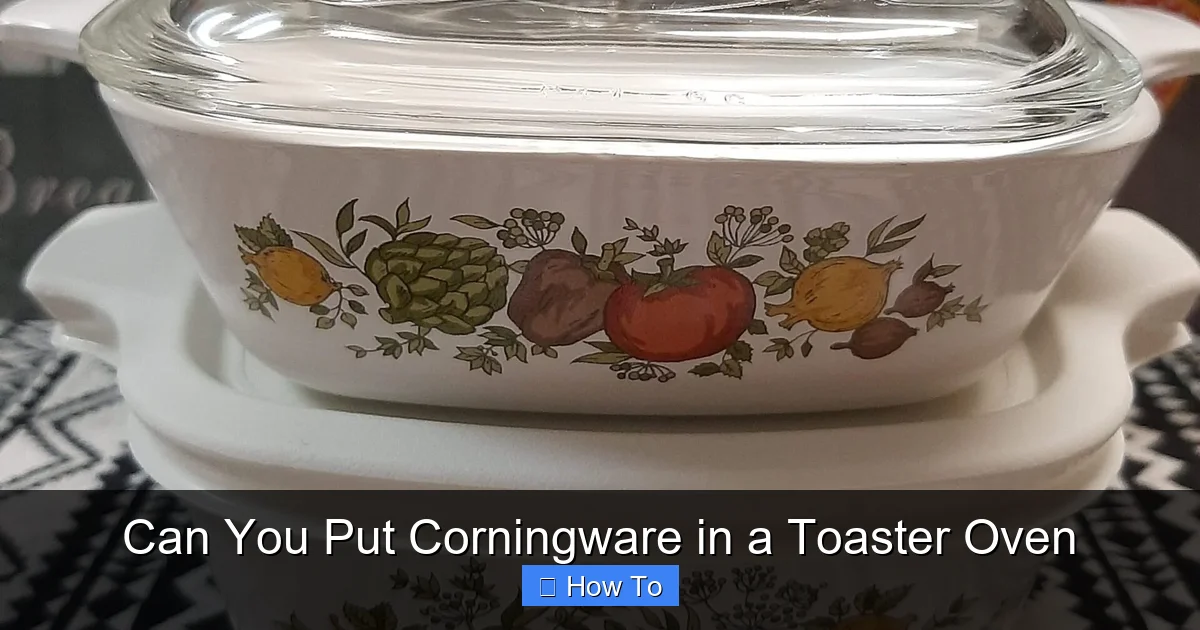
Visual guide about Can You Put Corningware in a Toaster Oven
Image source: ceejayhome.com
If the dish is oven-safe, it can usually go into a toaster oven on a bake setting. The main thing is to avoid direct, intense heat. Use the lower rack, keep the temperature moderate, and do not let the dish touch the walls or the heating element.
When You Should Not Use Corningware in a Toaster Oven
Do not use Corningware in a toaster oven if it has metallic trim, such as gold or platinum decoration. Metal can cause sparks or damage in some appliances. Also skip any piece that is cracked, chipped, or deeply scratched. Those flaws can weaken the dish when it heats up.
You should also be careful with lids. Some Corningware lids are not meant for oven use. If the lid has plastic parts or is not labeled oven-safe, leave it off. If you are unsure about other bakeware, it helps to know can you put glassware in a toaster oven and how glass dishes behave under similar heat.
How To Use Corningware in a Toaster Oven Safely
Using Corningware in a toaster oven is not difficult, but it does take a little care. The goal is to keep the heat steady and protect the dish from sudden changes. When you put Corningware in a toaster oven, think of it like a small oven that needs good airflow and gentle heat.
Check the Label First
Before you cook, turn the dish over. Look for a stamp, sticker, or symbol that says oven-safe. If the label gives a temperature limit, stay below it. If there is no information, be cautious. You can also check the manufacturer website using the pattern name or model number.
If the dish is very old and you cannot find guidance, you can still use it carefully, but keep the temperature low. Avoid the broiler and avoid high heat. When in doubt, choose a dish that is clearly rated for oven use.
Use the Right Rack and Space
Place the Corningware dish on the lower rack or center rack if your toaster oven has one. The goal is to keep it away from the top heating element. If the dish is too close to the element, the surface can overheat while the center is still cool. This can lead to uneven cooking and extra stress on the dish.
Make sure there is at least an inch or two of space around the dish. It should not touch the sides, top, or back of the toaster oven. Good airflow helps the heat move evenly. If your toaster oven is very small, use a smaller dish or cook in batches. A little breathing room makes a big difference.
Avoid Thermal Shock
Thermal shock happens when a dish changes temperature too fast. This can cause cracks, even in strong bakeware. To avoid it, let a cold dish sit at room temperature before cooking. Do not take a dish straight from the refrigerator and put it into a hot toaster oven. If the recipe needs a cold dish, lower the temperature and give it more time.
Also, do not pour cold liquid into a hot dish. Do not place a hot dish on a cold or wet surface. Use a dry oven mitt and set the dish on a wooden board or dry towel. Small habits like these can make a big difference.
Set a Moderate Temperature
Start with a moderate temperature. Many recipes that use 375°F in a regular oven can work at 350°F in a toaster oven. If your toaster oven has a convection setting, you may need to reduce the temperature by about 25°F. The exact number depends on your model and the recipe.
If the top of the dish browns too quickly, move it to a lower rack or reduce the heat. It is better to cook a little longer than to rush the process. A steady temperature helps the center cook without overdoing the edges.
Watch the First Few Minutes
Stay nearby for the first few minutes. Toaster ovens can heat faster than expected. Check that the dish is not too close to the element and that nothing is touching the walls. If you hear cracking or see steam escaping too fast, lower the temperature.
Once the dish is cooking evenly, you can step away for a short time. Still, it is smart to check it halfway through. Small adjustments can prevent overcooking and protect your Corningware.
Best Foods to Cook in Corningware in a Toaster Oven
Corningware works well for small meals and side dishes. Since toaster ovens heat quickly, they are great for reheating and baking foods that do not need a huge oven. The best results come from recipes that fit the dish and do not need extreme heat.
Baked Dishes and Casseroles
Small casseroles are a natural fit. Think mac and cheese, baked ziti, or a mini gratin. Use a dish that fits comfortably inside the toaster oven. Cover it if the recipe calls for it, but make sure the lid is oven-safe. If the lid is not safe, you can leave it off or use a small piece of foil, keeping it away from the heating element.
For best results, start at a moderate temperature. If the top browns too fast, move the dish to a lower rack or reduce the heat. If you are unsure about other dishes, it also helps to know can you put a plate in a toaster oven before choosing what to use.
Roasted Vegetables
Corningware can also be used for roasted vegetables. Toss vegetables with oil, salt, and herbs, then spread them in the dish. Keep the layer thin so they cook evenly. A toaster oven can roast small batches very well, especially if you want a quick side dish.
If the vegetables release a lot of liquid, pour it off carefully. Do not add cold water to a hot dish. Let the dish cool slightly before washing it. This helps prevent thermal shock and makes cleanup easier.
Reheating Leftovers
Reheating is one of the easiest ways to use Corningware in a toaster oven. Soups, rice, pasta, and small portions of meat can warm up nicely. Add a splash of water or broth if the food seems dry. Cover the dish if you want to keep moisture in.
Again, check that the lid is safe. For more ideas, see what you can use in a toaster oven and how different materials perform. Reheating gently helps keep textures better than blasting food on high heat.
Common Mistakes to Avoid
Most problems with Corningware in a toaster oven come from heat and handling. A few simple mistakes can cause cracks or uneven cooking. The good news is that they are easy to avoid once you know what to watch for.
Using the Broiler
The broiler is too intense for many ceramic and stoneware dishes. It heats from above and can create hot spots. Even if your Corningware is oven-safe, avoid the broiler unless the label clearly says it is broiler-safe. The top element can get very hot, very fast.
Use the bake setting instead. If you want browning, keep the dish on the lower rack and watch it closely. It is better to cook a little longer at a moderate temperature than to blast the dish with high heat.
Putting a Cold Dish Into a Hot Oven
This is a common mistake. A dish straight from the fridge can crack when it hits high heat. Let it sit out for a bit first. If the recipe needs a cold dish, reduce the temperature and increase the cooking time. A gentle start is always safer.
The same rule applies after cooking. Do not rush the cooling process. Let the dish cool on a dry surface before moving it or washing it. Avoid placing it in the sink while it is still very hot.
Ignoring Chips or Cracks
If a dish has a chip, crack, or deep scratch, do not use it in the toaster oven. Small flaws can become bigger problems when heated. They can also trap food and bacteria. A damaged dish is not worth the risk.
It is better to retire a damaged piece than risk a mess or injury. Your safety matters more than saving one dish. If you love the pattern, look for a replacement that is in good condition.
Using a Wet Towel or Cold Surface
Never set a hot Corningware dish on a wet towel or cold counter. The temperature difference can cause the dish to crack. Use a dry towel, wooden board, or trivet instead. This is a simple habit that protects both your dish and your countertop.
Also, avoid moving the dish around too much while it is hot. Let it rest in one place. This helps the food finish cooking gently and reduces the chance of an accident.
Final Thoughts
So, can you put Corningware in a toaster oven? Yes, many pieces can be used safely if they are oven-safe and treated with care. The best approach is to check the label, avoid metallic trim, use moderate heat, and keep the dish away from the heating elements. A little patience goes a long way.
Toaster ovens are handy for small meals, but they can be intense. Give your Corningware a little space and a gentle start. With the right habits, you can enjoy baked dishes, roasted vegetables, and leftovers without worry. If you take care of your dish, it can keep serving you for years.
Frequently Asked Questions
Can Corningware go in a toaster oven with the lid on?
Only if the lid is labeled oven-safe. Many lids have plastic parts or are not meant for high heat. If the lid is not oven-safe, cook without it or use foil carefully.
Can vintage Corningware be used in a toaster oven?
Yes, vintage Pyroceram pieces are often very heat-resistant. Still, avoid the broiler and sudden temperature changes. Treat them gently to prevent cracks.
What temperature should I use for Corningware in a toaster oven?
Start with a moderate temperature, around 325°F to 375°F, depending on the recipe. If the dish browns too fast, lower the heat or move it down. Always stay below any temperature limit on the dish.
Can I put Corningware under the broiler in a toaster oven?
Usually, no. The broiler can be too intense for stoneware and ceramic dishes. Use the bake setting unless the label clearly says broiler-safe.
Why did my Corningware crack in the toaster oven?
Cracking often comes from thermal shock or direct heat. The dish may have been cold, too close to the element, or heated too fast. Let it warm up and use a lower rack.
Can I use Corningware in a small toaster oven?
Yes, if the dish fits with space around it and is oven-safe. Small toaster ovens can have very close heating elements, so keep the dish away from the top and sides.