Can You Put Glass Dish in Toaster Oven
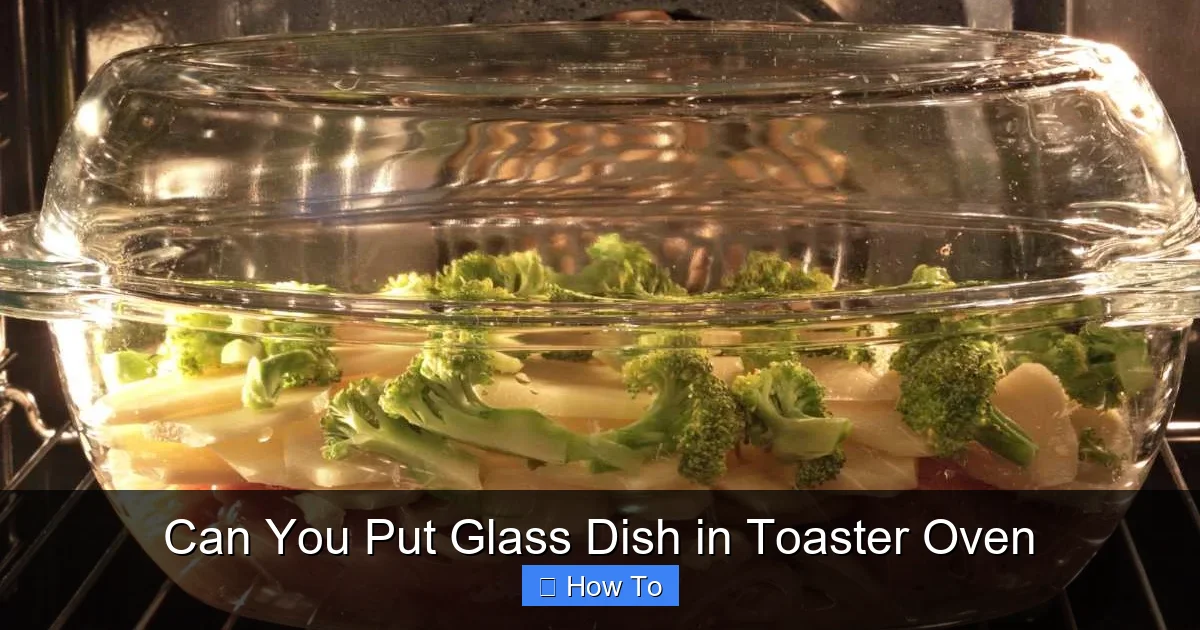
Can you put a glass dish in a toaster oven? The short answer is: it depends on the type of glass. Always check for heat-resistant labels and avoid sudden temperature changes to prevent shattering.
Toaster ovens have become a kitchen staple for quick meals and reheating leftovers. But when it comes to using glass dishes, many home cooks feel uncertain. Can you put a glass dish in a toaster oven without risking a messy explosion? The answer isn’t a simple yes or no. It depends on the glass type, the toaster oven model, and how you handle temperature changes. In this guide, we’ll break down everything you need to know to use glass safely and confidently.
Glass can be a wonderful addition to your toaster oven routine, offering even heating and easy cleanup. However, not all glass is created equal. Some pieces are designed to withstand high heat, while others can shatter the moment they encounter a temperature shift. Understanding the difference could save your dinner—and your toaster oven—from damage.
Key Takeaways
- Point 1: Only use glass dishes labeled as oven-safe or heat-resistant in a toaster oven.
- Point 2: Avoid sudden temperature changes, such as moving a cold dish directly into a hot oven, to prevent thermal shock.
- Point 3: Tempered and borosilicate glass, like Pyrex, are generally safer, but always verify the manufacturer’s guidelines.
- Point 4: Never use cracked, chipped, or decorative glass that isn’t designed for high heat.
- Point 5: Place glass on a middle rack, away from the top heating element, for even heat distribution.
- Point 6: If unsure, transfer food to a metal or ceramic dish confirmed safe for toaster oven use.
- Point 7: Allow the dish to cool gradually on a trivet before washing or storing.
📑 Table of Contents
Can You Put a Glass Dish in a Toaster Oven?
When you first stare at a glass baking dish and your toaster oven, the question feels almost existential. Can you put glass dish in toaster oven safely? The short answer is: yes, but only if the glass is specifically designed for high heat. Regular glass, such as that found in picture frames or decorative vases, will not survive the toaster oven’s intense, concentrated heat. Even some kitchen glassware can fail if it isn’t labeled as oven-safe. In this section, we’ll explore why glass behaves the way it does inside a compact heating chamber.
Toaster ovens differ from full-size ovens in several ways. They preheat faster, the heating elements are often closer to the food, and the interior space is much smaller. These factors create a more aggressive heat environment, which means glass dishes must be up to the task. If you’ve ever wondered whether that pretty glass casserole dish from a thrift store is safe, keep reading. We’ll cover the science, the types of glass, and practical tips to prevent accidents.
Common Glass Materials Used in Kitchenware
Not all glass is the same, and knowing what your dish is made of is the first step to safety. The most common types include:
- Borosilicate glass: Known for its low thermal expansion coefficient, this is the gold standard for heat-resistant kitchenware. Brands like Pyrex often use borosilicate, though some modern lines use tempered soda-lime glass instead.
- Tempered glass: This glass is heat-treated to increase strength and safety. When it breaks, it crumbles into small, dull pieces rather than sharp shards. Many toaster oven-safe dishes use tempered glass.
- Soda-lime glass: Common in everyday drinking glasses and some cheaper kitchenware, this type is more susceptible to thermal shock and may not be suitable for high-heat appliances.
- Decorative or artistic glass: These pieces often contain air bubbles, colored coatings, or uneven thickness, making them unpredictable in high heat.
If your dish doesn’t clearly state its material, treat it as non-heat-resistant until proven otherwise. The label “oven-safe” or “toaster oven-safe” is your best friend here.
For a deeper dive into glassware safety, check out our guide on can you put glassware in a toaster oven.
How Toaster Ovens Differ from Full-Size Ovens
You might assume that if a dish works in a regular oven, it will work in a toaster oven. But the compact design of a toaster oven creates unique challenges. The heating elements are often positioned at the top, meaning the top rack receives more direct, intense heat than the bottom. Additionally, toaster ovens often lack the even air circulation of a full-size convection oven. This can create hot spots that stress glass unevenly. Understanding these differences helps you choose the right dish and position it correctly.
Another factor is preheat time. Toaster ovens reach operating temperature quickly, which can catch glass off guard if the dish was sitting in a cool kitchen. Always account for this temperature jump when placing your dish inside.
If you’re curious about the full range of items approved for toaster oven use, see our article on what can you put in toaster oven.
The Thermal Shock Risk
Thermal shock is the primary reason glass dishes break in toaster ovens. It happens when different parts of the glass expand at different rates due to a rapid temperature change. The result? A cracking sound, and suddenly you have shards everywhere.
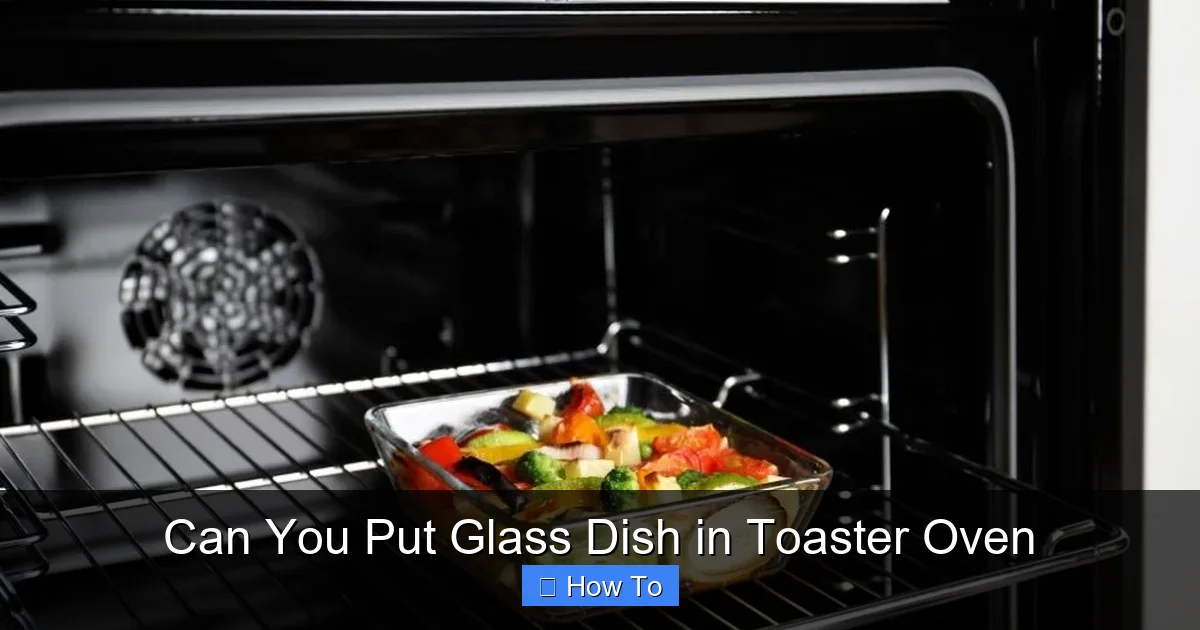
Visual guide about Can You Put Glass Dish in Toaster Oven
Image source: afoodloverskitchen.com
What Is Thermal Shock?
Glass is a poor conductor of heat, meaning the surface heats up much faster than the interior. If you place a cold dish into a hot toaster oven, the outer layer expands while the inner core stays cool and contracted. This mismatch creates internal stress. If the stress exceeds the glass’s strength, it fractures. The same thing can happen if you remove a hot dish and set it on a cold countertop, or if you rinse it with cold water immediately after cooking.
Why Toaster Ovens Are More Prone to Glass Breakage
Because toaster ovens are smaller, they heat up faster and often have more intense, direct heat zones. The close proximity of the heating element to the food—and your glass dish—means that even a few inches can make a big difference in temperature. Additionally, the short cooking cycles mean you’re often moving dishes in and out quickly, increasing the chance of accidental temperature shocks.
For more insight into Pyrex-specific safety, read our guide on can i put pyrex in the toaster oven.
Which Glass Dishes Are Toaster-Oven Safe?
Not all glass is created equal, and knowing what your dish is made of is the first step to safety. In this section, we’ll break down the most common types of kitchen glass and their heat tolerance.
Borosilicate Glass (Pyrex and Similar)
Borosilicate glass is the superstar of heat-resistant kitchenware. Its unique chemical composition gives it a low thermal expansion coefficient, meaning it can handle temperature changes better than most glasses. Many classic Pyrex dishes are borosilicate, though some newer lines switched to tempered soda-lime glass for cost reasons. If you have an older Pyrex piece, it’s likely more forgiving. Always check the bottom for the “oven-safe” stamp, and when in doubt, consult the manufacturer’s website.
Borosilicate glass can typically handle temperatures from -40°F to 500°F or higher, making it suitable for most toaster oven tasks, from roasting vegetables to baking a small casserole.
Tempered Glass
Tempered glass undergoes a thermal tempering process that creates surface compression, increasing its strength. When tempered glass does break, it shatters into small, relatively harmless pieces rather than sharp shards. Many modern toaster oven-safe dishes use tempered glass because it’s cost-effective and durable. However, tempered glass can still succumb to thermal shock if the temperature change is extreme enough. Look for the tempered marking and avoid using dishes with any existing chips or cracks.
Regular and Decorative Glass to Avoid
Plain soda-lime glass, such as that found in standard drinking glasses or decorative vases, is not designed for oven use. These pieces have higher thermal expansion coefficients and are more likely to crack under heat. Decorative glass often contains air bubbles, trapped moisture, or uneven thickness, all of which create weak points that heat can exploit. If a dish doesn’t carry an oven-safe label, assume it’s not suitable for your toaster oven.
When shopping for new glassware, prioritize products explicitly marketed as “toaster oven safe” or “oven-safe.” Manufacturers are required to test their products, and their labels are reliable indicators of safety.
How to Test Your Glass Dish
If you’re unsure whether a glass dish is safe, there are a few simple checks you can perform. While none of these are foolproof, they can give you added confidence.
Checking for Oven-Safe Labels
The easiest method is to look for a label. Most oven-safe glassware will have “oven-safe,” “toaster oven-safe,” or a temperature range printed on the bottom. Sometimes the label is a simple symbol—a square with wavy lines indicating heat resistance. If the label is missing or worn, don’t guess; proceed with caution.
The Water Test (Use with Caution)
Some home cooks suggest the “water test”: fill the dish with room-temperature water, heat it slowly, and observe for cracking. However, this test isn’t recommended for valuable or fragile pieces, as it can still induce thermal shock. If you try this, start with lukewarm water and increase temperature gradually, never subjecting the dish to sudden extremes.
Remember, even if a dish passes informal tests, the manufacturer’s label is the only definitive safety guide.
Best Practices for Using Glass in a Toaster Oven
Now that you know which glasses are generally safe, let’s talk about how to use them correctly. These best practices will help you get the most out of your glass dishes without the risk of breakage.
Preheating and Temperature Gradualism
The golden rule: never place a cold glass dish directly into a preheated toaster oven. Instead, place the dish in the oven before turning it on, or start with a low temperature and ramp up gradually. If your recipe calls for 400°F, consider starting at 300°F for the first few minutes, then increasing to the desired temperature. This gives the glass time to adjust without shocking its structure.
Similarly, when removing a dish, give it time to acclimate. Set it on a trivet or wooden board rather than a cold marble countertop. This simple habit can prevent 90% of thermal shock incidents.
Rack Placement and Heat Zones
Where you position your glass dish matters more than you might think. The top rack is closest to the heating element and often experiences the highest temperatures. For most glass dishes, the middle rack offers the most even heat distribution. If you’re using a dish with a dark or non-stick coating, be aware that dark pans absorb more heat and may cause the glass underneath to experience higher temperatures.
Experiment with rack positions for your specific toaster oven model. Some models have a “broil” function that directs intense heat from the top only—never use glass on the bottom rack during broiling.
Cleaning and Maintenance Tips
Proper care extends the life of your glass dishes and keeps them safe for future use. Allow the dish to cool completely before washing, and never submerge a hot glass dish in cold water. Use warm, soapy water and a soft sponge; abrasive scrubbers can create tiny scratches that weaken the glass over time. If food is stuck, soak the dish in warm water for 15–20 minutes before gently cleaning.
Inspect your dishes regularly for chips, cracks, or deep scratches. Even a minor flaw can compromise the glass’s heat resistance and lead to breakage during future use.
To explore alternative cookware options, visit what can you use in a toaster oven.
Alternatives When in Doubt
If you’ve looked at your glass dish, checked for labels, and still feel uncertain, there’s no shame in switching to an alternative. Many kitchen staples work beautifully in toaster ovens and eliminate the guesswork.
Ceramic dishes labeled as oven-safe are a reliable alternative. Ceramic generally handles heat well, though like glass, it can crack under extreme thermal shock. Metal baking pans, especially those made of aluminum or stainless steel, conduct heat efficiently and are almost always safe for toaster oven use. Just avoid using metal dishes with acidic foods for extended periods, as this can affect flavor and pan integrity.
Silicone bakeware is another excellent option. It’s flexible, lightweight, and designed to withstand high temperatures without cracking. Silicone also distributes heat evenly, reducing the risk of hot spots that can stress glass.
When in doubt, remember: it’s always better to transfer your food to a confirmed-safe dish than to risk a shattered mess in your toaster oven.
Conclusion
So, can you put a glass dish in a toaster oven? The answer is a qualified yes. Glass can be a fantastic, convenient option for toaster oven cooking, provided you choose the right type and handle it with care. Borosilicate and tempered glass dishes labeled as oven-safe are your safest bets, but always prioritize gradual temperature changes and proper rack placement. By following the tips in this guide, you can enjoy the benefits of glass cookware without the stress of unexpected breakage.
Remember, your toaster oven is a powerful little appliance, and respecting its heat limits—along with your cookware’s—will serve you well for years of delicious meals. Happy cooking!
Frequently Asked Questions
Can you put any glass dish in a toaster oven?
No, not all glass dishes are safe for toaster oven use. Only use glass that is specifically labeled as oven-safe or heat-resistant, such as borosilicate or tempered glass. Regular glass or decorative pieces may shatter due to thermal shock.
What should I do if my glass dish doesn’t have an oven-safe label?
If your glass dish lacks an oven-safe label, treat it as non-heat-resistant. The absence of a label means the manufacturer hasn’t tested it for high-heat environments. To be safe, transfer your food to a confirmed-safe dish or use a metal or ceramic alternative.
Can thermal shock be prevented entirely?
While you can’t eliminate the risk completely, you can greatly reduce it by following gradual temperature changes. Always preheat the oven with the dish inside or start on low heat, and avoid moving a hot dish to a cold surface. These habits minimize the stress on the glass.
Is Pyrex always safe in a toaster oven?
Not all Pyrex is created equal. Older Pyrex dishes made of borosilicate glass are more heat-resistant, but many modern Pyrex lines use tempered soda-lime glass, which is still oven-safe but more sensitive to sudden temperature shifts. Always check the bottom stamp and follow the manufacturer’s guidelines.
Can I put a glass dish on the top rack of my toaster oven?
It’s best to avoid placing glass dishes on the top rack, as the heating element is typically located directly above, exposing the dish to the most intense heat. The middle rack provides more even distribution and lowers the chance of thermal shock.
What’s the safest way to clean a glass toaster oven dish?
Allow the dish to cool completely before washing, and never submerge a hot glass dish in cold water. Use warm, soapy water and a soft sponge to avoid creating scratches that could weaken the glass over time. Inspect for chips or cracks regularly.