Commercial Induction Cooktop
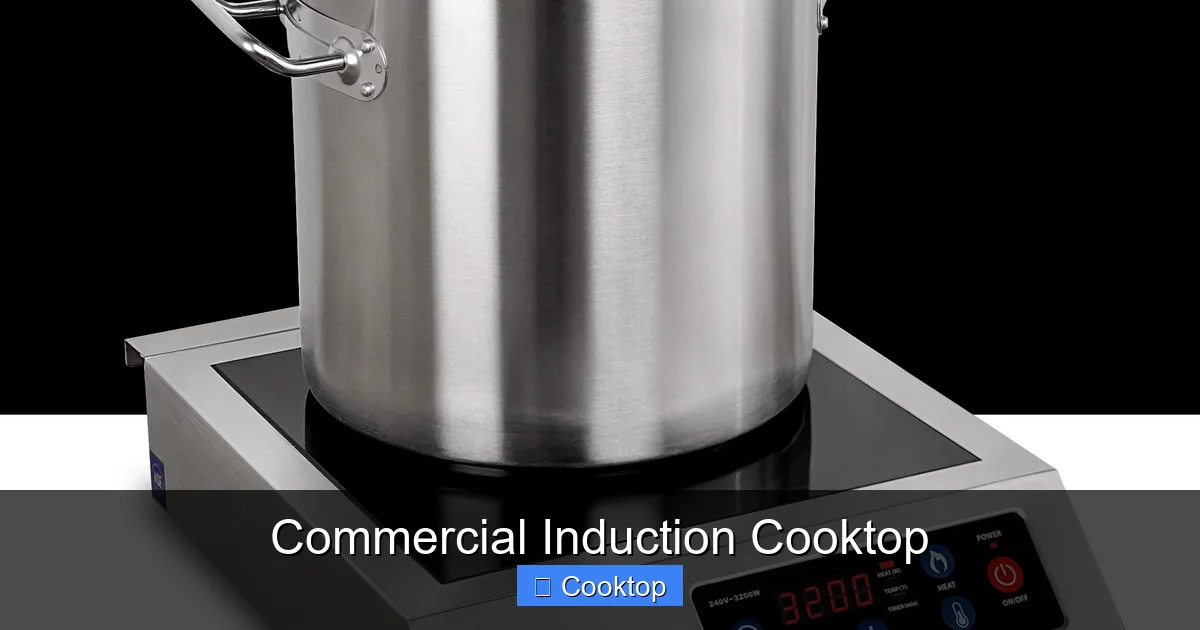
A commercial induction cooktop offers unmatched speed, precision, and safety for high-volume professional kitchens. By using electromagnetic energy to heat cookware directly, these units reduce ambient heat and lower energy costs while providing instant temperature control.
Commercial Induction Cooktop: The Ultimate Guide for Professional Kitchens
If you have ever stepped into a high-end restaurant kitchen, you know the chaos. The heat is intense, the noise is constant, and every second counts. Chefs are racing against the clock to deliver perfect dishes. In this high-pressure environment, the tools you use can make or break your service. That is where a commercial induction cooktop becomes a total game-changer.
For decades, gas was the king of the professional kitchen. It offered control and instant heat. But things are changing. Modern chefs are realizing that induction technology offers something gas simply cannot: extreme precision combined with incredible speed. It is not just about heating a pan; it is about mastering the heat.
In this guide, we are going to dive deep into everything you need to know about commercial induction cooktops. Whether you are running a small cafe or a massive fine-dining establishment, understanding this technology will help you make a smart investment. We will talk about the benefits, the requirements, and how to choose the right gear for your team.
Key Takeaways
- Understanding Commercial Induction Cooktop: Provides essential knowledge
📑 Table of Contents
Why Switch to a Commercial Induction Cooktop?
You might be wondering, “Why should I ditch my reliable gas range?” It is a fair question. Switching-up your kitchen setup is a big deal. However, the move toward induction is happening for several very good reasons. It is not just a trend; it is a massive leap in kitchen science.
Unmatched Speed and Efficiency
One of the first things you will notice with a commercial induction cooktop is the speed. Because induction uses electromagnetism to heat the pan directly, there is almost no heat loss to the surrounding air. This means your water boils faster, your sauces reduce quicker, and your prep time shrinks. In a busy kitchen, speed is money.
Traditional gas burners waste a lot of energy by heating the air around the pan. Induction focuses all that energy right where you need it. This makes it much more efficient. You are using more of the electricity you pay for to actually cook food, rather than just heating up your kitchen.
Precision Temperature Control
If you are making a delicate Hollandaise sauce or a complex reduction, temperature fluctuations are your enemy. Gas flames can flicker, and electric coils can have “hot spots.” Induction provides a steady, consistent heat that you can adjust instantly. If you need to drop the temperature by ten degrees, you do it with a touch, and the pan responds immediately.
This level of control is why many chefs are making the switch. It allows for a level of consistency that is hard to achieve with other methods. When every dish needs to taste exactly the same, precision is your best friend.
The Major Benefits for Your Kitchen Environment
Moving to induction does more than just change how you cook. It actually changes the entire atmosphere of your kitchen. This is something many owners overlook until they see the results.
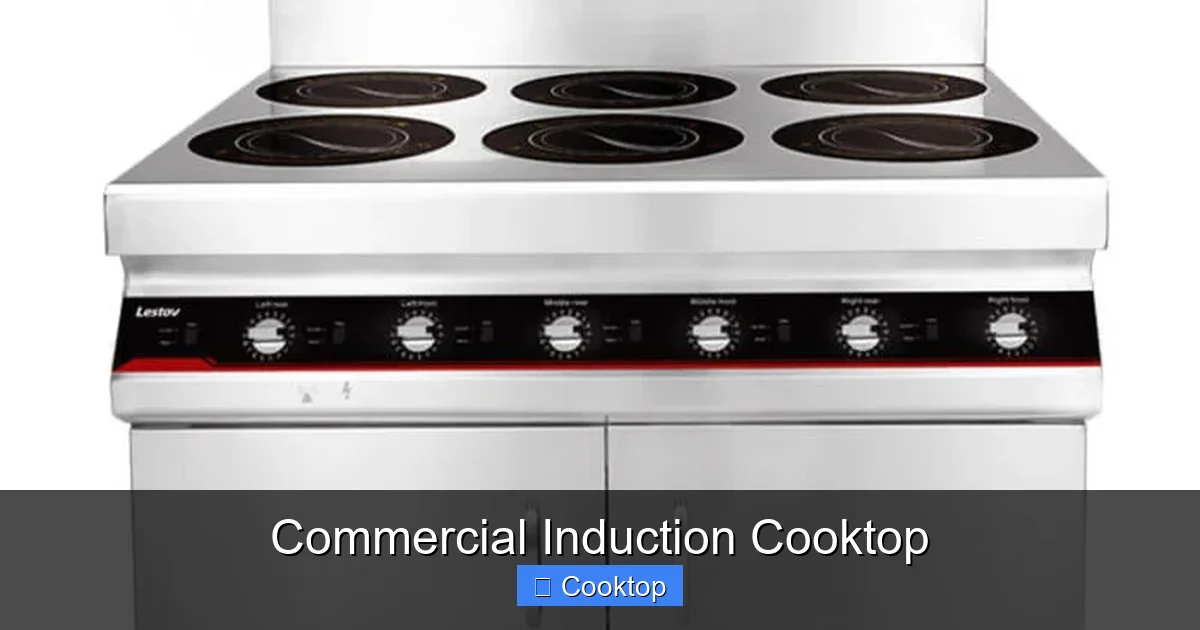
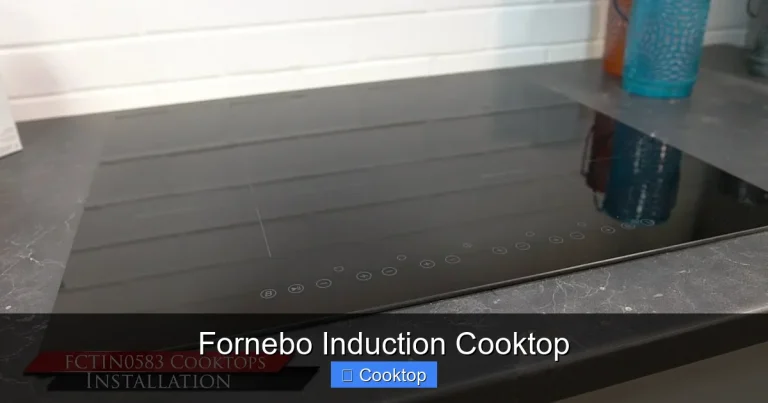
Visual guide about Commercial Induction Cooktop
Image source: leadstov.com
A Cooler, More Comfortable Workspace
We all know the feeling of standing in front of a line of gas burners on a hot summer day. It is exhausting. Because induction does not heat the cooktop surface itself—only the pan—the ambient temperature of your kitchen stays much lower. This means your staff stays cooler, stays more focused, and is less likely to suffer from heat exhaustion.
A cooler kitchen also means your air conditioning system does not have to work overtime. This can lead to significant savings on your monthly utility bills. It is a win for your employees and a win for your bottom line.
Enhanced Safety Standards
Safety is a huge concern in any commercial kitchen. Open flames from gas stoves pose a constant fire risk. Furthermore, the surface of a gas range stays incredibly hot for a long time after the flame is off. This leads to accidental burns.
With a commercial induction cooktop, the surface stays relatively cool to the touch. While the pan itself will get hot, the glass surface does not become a heating element. This significantly reduces the risk of accidental burns and makes the kitchen a much safer place for your crew.
Simplified Cleaning and Hygiene
In a professional setting, cleanliness is non-negotiable. Cleaning heavy gas grates and burners is a chore that takes time and labor. Induction cooktops feature a flat, seamless glass surface. When a spill happens, you can wipe it up almost immediately because the surface does not get hot enough to burn the food onto the glass.
This makes your end-of-shift cleanup much faster. A cleaner kitchen also means better food safety-compliance, which is vital for any successful food business.
Choosing the Right Cookware for Induction
Before you go out and buy a new induction unit, there is one thing you must know: not all pans work on induction. Since the technology relies on magnetism, your cookware must be magnetic. If a magnet sticks to the bottom of your pan, it will work!
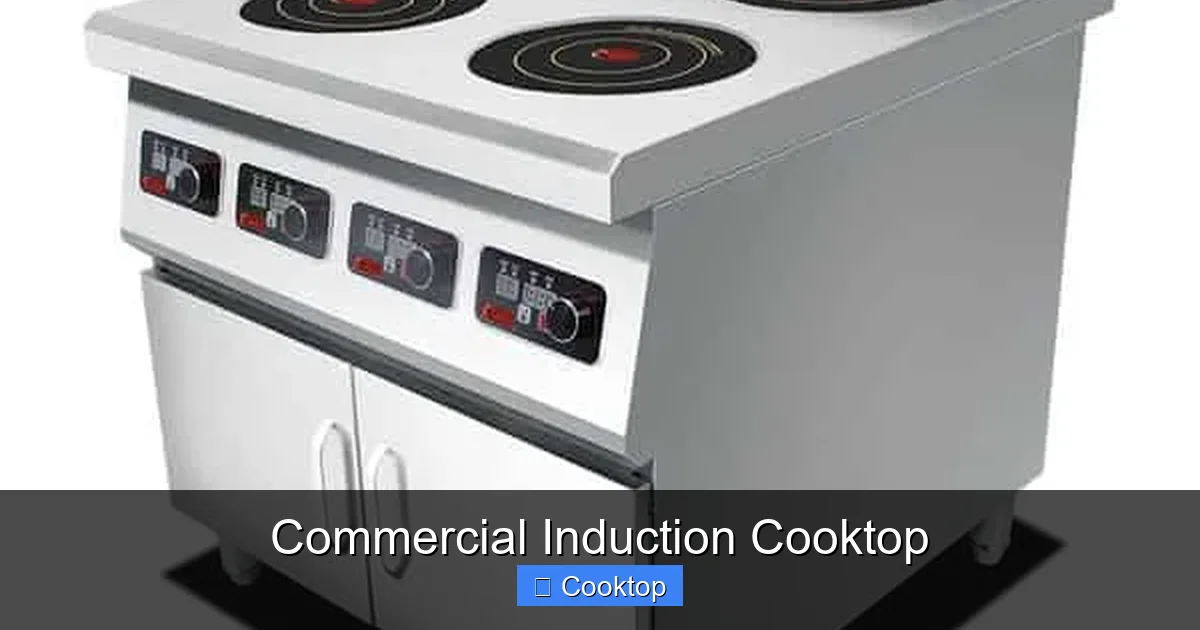
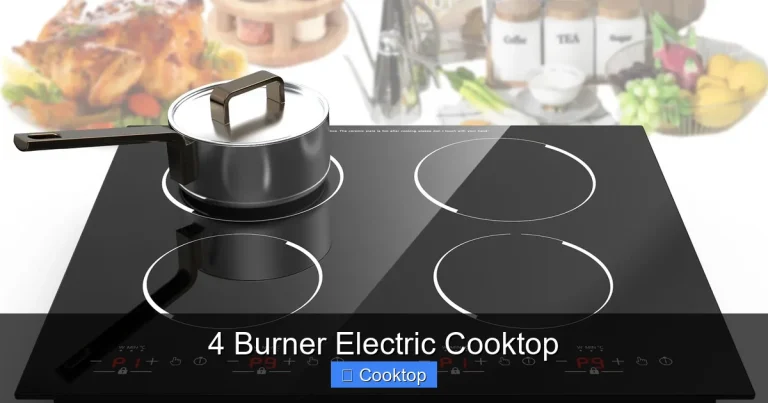
Visual guide about Commercial Induction Cooktop
Image source: atcooker.com
This is often the biggest hurdle for chefs. You cannot use copper, aluminum, or glass-bottomed-pans. You will need to invest in high-quality magnetic materials. If you are looking for the best results, you might want to look into best stainless steel cookware for induction cooktop 2 2 to ensure even heat distribution.
–
Common Materials for Induction
- Cast Iron: Excellent for searing and retaining heat.
- Enameled Cast Iron: Great for slow cooking and stews.
- Magnetic Stainless Steel: The industry standard for most-professional-grade-cookware.
- Carbon Steel: A great option for high-heat sautéing if it has a magnetic base.
If you are transitioning your kitchen, do not throw away your old pans just yet. You can test them with a simple magnet. If it sticks firmly, you are good to go. However, for the best-performing-results, it is often worth upgrading to specialized-cookware designed for induction.
Comparing Induction to Gas and Electric
Deciding which type of cooktop to use is one of the biggest choices a kitchen manager can make. Let’s look at how induction stacks up against the old favorites.
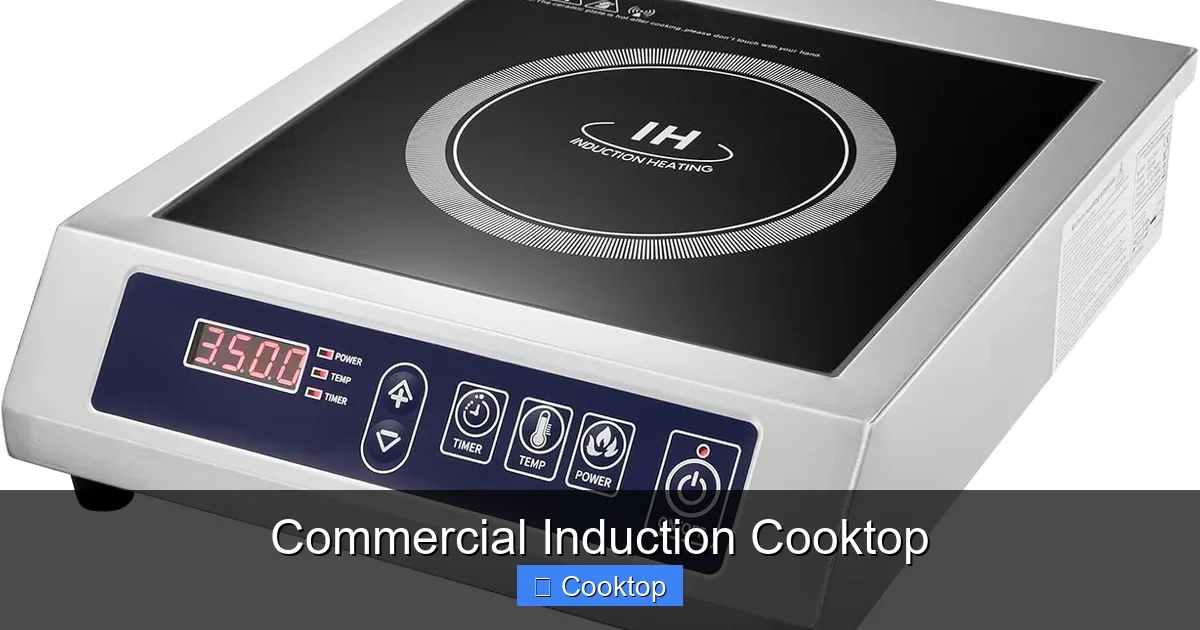
Visual guide about Commercial Induction Cooktop
Image source: m.media-amazon.com
Induction vs. Gas
Gas is the traditional choice. Chefs love the visual feedback of the flame and the ability to char peppers directly over the heat. However, gas is inefficient. A huge amount of heat escapes into the room. Induction is much faster and keeps the kitchen much cooler. While you lose that “flame” experience, you gain incredible control and speed.
Some-chefs find a middle ground by using a hybrid gas stove with induction cooktop. This gives you the best of both worlds:- the flame for certain tasks and the precision of induction for others.
Induction vs. Traditional Electric
Traditional electric-coil cooktops are slow to heat up and even slower to cool down. They also have “hot spots” that can burn your food. Induction eliminates these issues. It provides instant heat and instant cooling. When you turn the dial down on an induction unit, the heat stops almost immediately. This level of responsiveness is something-electric-coils simply cannot match.
Installation and Power Requirements
You cannot just plug a commercial induction cooktop into a standard wall outlet and expect it to work. These units are power-hungry machines designed for heavy-duty use. Before you buy, you need to talk to an electrician.
Electrical Needs
Most commercial induction-units require heavy-duty-electrical-connections. You will likely need a dedicated circuit to prevent tripping breakers during a busy dinner rush. Depending on the model, you may need three-phase power, which is common in many commercial buildings but something you should verify beforehand.
Ventilation Considerations
While induction produces much less ambient heat than gas, you still need proper ventilation. Cooking food still produces steam, smoke, and grease-laden vapors. A good hood system is essential for maintaining air quality and keeping your kitchen compliant with health and safety regulations.
Maintenance and Lon actually Longevity
One of the best things about a commercial induction cooktop is how easy it is to maintain. Because there are no open flames and no heating elements protruding from the surface, there is less wear and tear on the components.
Daily Care Tips
- Wipe it down: Use a non-abrasive cleaner after every shift to prevent burnt-on residue.
- Check the surface: Inspect the glass top regularly for cracks or deep scratches.
- Avoid sliding: Even though the surface is tough, dragging heavy cast iron-pans across it can cause scratches over time.
- Use the right tools: Ensure your cookware is flat on the bottom to maximize contact with the induction-field.
If you take care of the surface, these-cooktops can last for many years. They are built for the rigors of a professional kitchen, but they still require a little bit of love to keep them looking and performing their best.
Conclusion: Is Induction Right for Your Kitchen?
Switching to a-commercial-induction-cooktop is a big decision. It requires an investment in both new equipment and potentially new electrical setups. However, the benefits are hard to ignore. You get faster cook times, better temperature control, a safer environment, and a much cooler kitchen.
For many modern restaurants, the move to induction is no longer a question of “if,” but “when.” As energy costs rise and the push for more sustainable kitchen practices grows, induction stands out as the most efficient way to cook. It is a tool that empowers chefs to do their best work with more precision and less stress.
If you are ready to level up your culinary game, it might be time to turn off the gas and turn on the induction. Your staff, your food, and your electricity bill will thank you.
Frequently Asked Questions
Is-induction-cooking-safe-for-commercial-use?
Yes,-it-is-extremely-safe.-Because-the-cooktop-itself-does-not-get-hot-through-resistance-but-rather-through-the-pan,-there-is-a-much-lower-risk-of-accidental-burns-and-kitchen-fires.
–
Do-I-need-to-replace-all-my-pots-and-pans?
Not-necessarily,-but-your-cookware-must-be-magnetic.-If-a-magnet-sticks-to-the-bottom-of-your-pan,-it-will-work-on-an-induction-cooktop.
How-much-more-electricity-does-induction-use?
Actually,-induction-is-more-efficient-than-gas-or-electric.-It-uses-less-total-energy-because-it-heats-the-pan-directly-rather than-heating-the-air-around-it.
Can-I-use-induction-for-delicate-tasks-like-melting-chocolate?
Yes,-in-fact,-induction-is-excellent-for-delicate-tasks.-The-ability-to-control-the-temperature-with-extreme-precision-makes-it-ideal-for-melting,-simmering,-and-tempering.
Is-it-harder-to-clean-than-a-gas-stove?
No,-it-is-much-easer.-Since-the-surface-is-a-flat-piece-of-glass,-you-can-wipe-it-down-quickly-without-having to-scrub-around-grates-and-burners.
Will-induction-affect-the-flavor-of-my-food?
Induction-does-not-change-the-flavor-of-food.-However,-it-can-improve-flavor-consistency-because-the-temperature-control-is-so-much-more-accurate-than-traditional-methods.